


6 Simple Steps to a Healthier BBQ: Smart Grilling for Wellness
Barbecues bring people together for delicious food and memorable moments, but traditional grilling can easily overload your plate with unhealthy fats, excess salt, and carcinogens. Fortunately, you can enjoy all the fun and flavor while making health-conscious choices. These six practical strategies help ensure your next BBQ is both satisfying and safe for your body.
1. Trim the Fat for Leaner, Healthier Proteins
One of the easiest ways to make your barbecue healthier is by choosing lean cuts of meat and removing visible fat. Excess fat, especially skin on chicken or fatty edges on steaks and ribs, can increase saturated fat intake and produce carcinogenic smoke when it drips onto hot coals .
- Opt for chicken breast without skin, turkey, lean beef cuts (like sirloin or round), and fish such as salmon or trout.
- Remove skin from poultry and trim off visible fat from other meats before grilling.
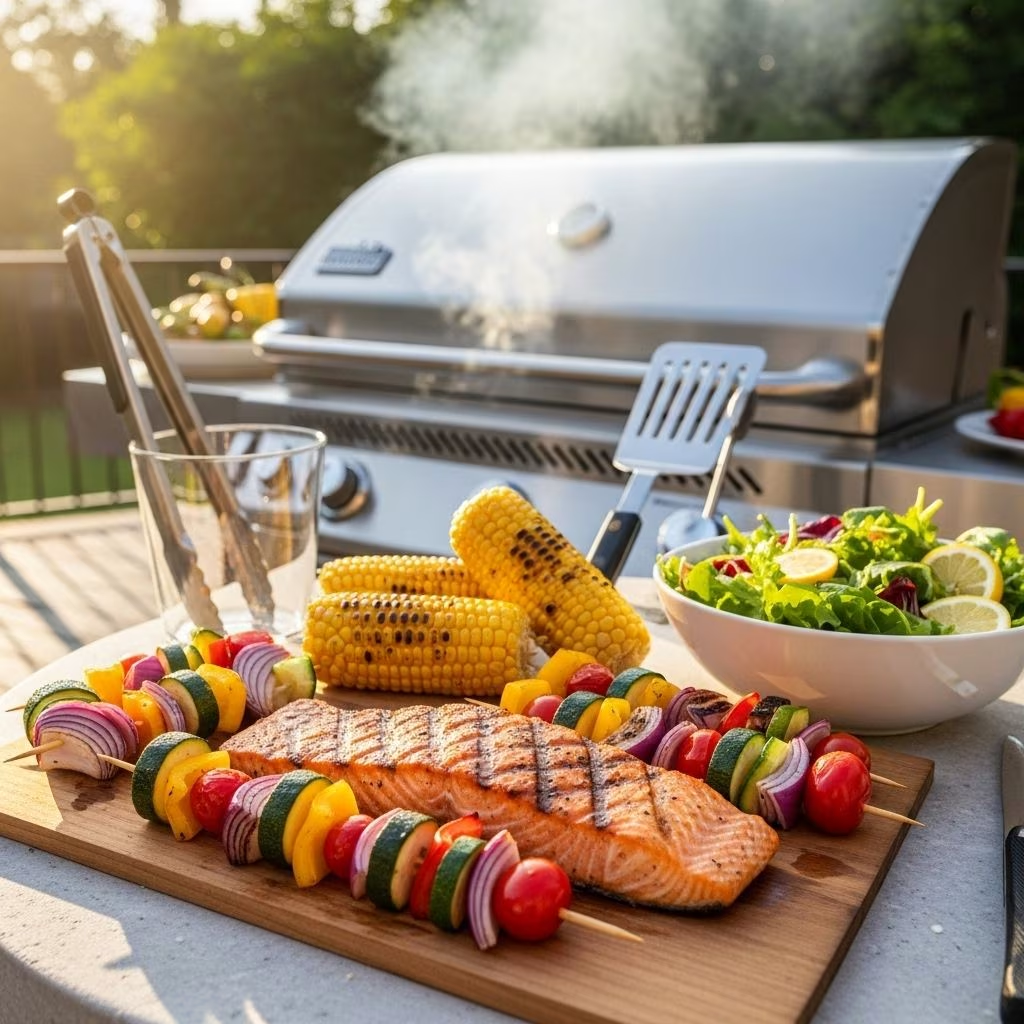
- Consider cubing or slicing meat for kebabs to stretch lean protein while mixing in colorful veggies like peppers and onions .
Unhealthy barbecue fare often relies on fatty meats and excessive portion sizes. A healthy serving of meat is about 3–6 ounces—think the size of a deck of cards. Complement these with generous portions of grilled vegetables or salad to balance your meal .
2. Marinate Meat to Boost Flavor and Reduce Carcinogens
Marinating is a simple step with profound benefits for taste and health. Acidic ingredients in marinades—such as lemon juice or vinegar—break down muscle fibers, tenderizing tougher cuts and adding flavor without relying on heavy sauces .
- Use antioxidant-rich ingredients including onion, garlic, herbs (rosemary, basil, coriander), turmeric, cinnamon, and virgin olive oil for your marinades .
- Marinate meat or fish for at least a few hours; research shows that marinating for several hours helps reduce carcinogen formation during grilling.
- Non-alcoholic beer (like pilsner) is also an effective marinade, lowering the risk of carcinogenic compound production when grilling meat .
Fresh herbs and citrus add brightness and flavor without the excess sodium found in bottled sauces. Don’t forget to make your own dressings and rubs for healthier, lower-sodium alternatives.
3. Use Smart Grilling Methods and Safer Fuel Choices
The type of fuel and cooking technique you use can greatly impact the healthiness of your barbecue. All-natural charcoal is preferred, as chemical-laden briquettes and lighter fluids can introduce unwanted toxins to your food .
- Avoid lighter fluid. Instead, use cooking oil and a paper towel to start your charcoal.
- Ensure your grill grates are clean. A half onion works surprisingly well as a cleaning tool, keeping wire brush bristles out of your food .
- Oil the grates with a paper towel or tongs to prevent food from sticking and reduce burning, which can lead to carcinogen formation.
Regular cleaning and thoughtful fuel choices minimize exposure to toxins and preserve the taste and wholesomeness of your grilled dishes.
4. Cook to the Right Temperature & Avoid Charring
The way you cook your meat is as important as choosing lean cuts and using safe marinades. Overcooked or charred meat is linked to increased levels of carcinogens .
- Avoid well-done. Grill steaks to medium-rare to reduce carcinogen levels; well-done steak can contain three times as many harmful compounds compared to medium-rare .
- Turn meat frequently to prevent burning and ensure even cooking, especially with kebabs.
- Don’t overload the grill—space pieces out for better control and to prevent flare-ups that cause burning.
- Use a meat thermometer for safe internal temperatures: Chicken (165°F), Pork (145°F), Beef Steak (135°F for medium-rare).
Remember, fruits and vegetables do not produce toxic chemicals when grilled, so you can cook them over high heat without worry .
5. Showcase Vibrant, Nutritious Sides and Desserts
Barbecue sides often sneak in saturated fat, salt, and sugar. Choose or create sides that support your healthy intentions and let seasonal produce shine .
- Swap out mayonnaise-heavy salads for bean salads, fruit salads, or leafy greens with light vinaigrette.
- Use whole grain buns and breads for extra fiber and nutrients. Lettuce wraps or open-faced burgers cut calories and carbs while adding crunch.
- Grill fruits for dessert—apples, pears, pineapple, and peaches caramelize beautifully, becoming sweet and rich without added sugar.
Colorful side dishes and fruit-based desserts increase nutrient density and keep plates exciting. Try threading vegetables on skewers with lean meat, or assembling a fresh watermelon and feta salad for contrast.
6. Practice Healthy Portion Control & Simple Flavors
Even the healthiest barbecue can still pack on excess calories if portions aren’t managed. Smaller portions of protein with generous servings of vegetables and fruit are ideal .
- Build your plate so that vegetables and grains take up at least half, protein a quarter, and other sides the remainder.
- Limit high-fat condiments and sauces; a squeeze of lemon, lime, or fresh herbs often suffices for great flavor.
- Drink water or lightly flavored seltzer rather than sugary sodas or excessive alcohol, for hydration and balance.
Grilling brings out the natural flavors in fresh ingredients, so keep seasonings simple and let your menu’s wholesome elements speak for themselves.
Healthy Grilling Tips Summary Table
| Step | What To Do | Health Benefit |
|---|---|---|
| Trim Fat | Choose lean proteins, remove skin & visible fat | Reduces saturated fat & carcinogen risk |
| Marinate | Use antioxidant-rich marinades for several hours | Tenderizes meat, lowers carcinogen formation |
| Safe Fuel & Grates | Use all-natural charcoal, clean with onion | Limits exposure to toxic chemicals |
| Don’t Char | Cook to medium-rare, avoid burning | Reduces harmful compounds |
| Nutritious Sides | Choose salads, grilled veggies/fruits | Provides fiber, vitamins, and antioxidants |
| Control Portions | Serve moderate protein, more produce | Prevents overeating and excess calorie intake |
Frequently Asked Questions (FAQs)
Q: Are grilled vegetables and fruits as healthy as raw?
A: Yes. Grilling actually brings out natural sweetness in fruits and vegetables without introducing toxins, making them delicious and nutritious options at barbecues .
Q: What’s the safest way to clean grill grates?
A: Although wire brushes are common, a halved onion is safer and effective for scraping off residue and avoids the hazard of wire bristles getting stuck on your food .
Q: Do marinades really reduce carcinogens?
A: Scientific studies suggest that antioxidant-rich marinades, especially those using beer, lemon juice, or herbs, can significantly decrease carcinogen formation during grilling .
Q: How can I make classic BBQ sides healthier?
A: Prepare homemade versions of salads using vinegars and olive oil, incorporate whole grains, and focus on beans, legumes, or fresh produce to ensure sides are tasty and nutrient-dense .
Top Healthy BBQ Recipe Ideas
- Lemon-Garlic Chicken Kebabs: Cube skinless chicken breast, marinate in lemon and garlic, and grill with bell peppers and onions.
- Salmon Foil Packets: Salmon fillet brushed with turmeric and olive oil, wrapped with fresh herbs and lemon slices.
- Grilled Peach Dessert: Slice and grill peaches, then drizzle lightly with honey and sprinkle with fresh basil.
- Quinoa & Bean Salad: Combine red quinoa, chickpeas, diced tomatoes, and cilantro tossed with olive oil and lime juice.
- Whole Grain Turkey Burgers: Lean ground turkey patties mixed with chopped onion and mushrooms, served on whole grain buns or lettuce wraps.
Expert Tips for Heart-Smart Barbecuing
- Plan ahead: Marinate proteins and prepare veggie skewers hours before guests arrive for deeper flavor and faster grilling.
- Invest in a quality thermometer: Quick, precise checks keep food safe without guessing.
- Invite variety: Offer at least three vegetable options (corn, zucchini, eggplant) and one fruit on the grill.
- Encourage hydration: Set out water and flavored seltzers so guests can pace themselves amidst food and fun.
Conclusion
Transforming your barbecue into a healthier, more flavorful experience is simple with these evidence-based tips. Choose lean proteins, marinate wisely, clean and prepare your grill with care, and make produce the star of the show. Embrace the pleasures of summer grilling while prioritizing heart health and wellness for everyone gathered around your table.
References
- https://www.youtube.com/watch?v=ZcbmPa-siv4
- https://www.bhf.org.uk/informationsupport/heart-matters-magazine/nutrition/how-to-have-a-healthy-barbecue
- https://www.nyuhs.org/news-search/top-ten-tips-for-healthy-grilling-and-barbecuing
- https://www.prevention.com/author/209893/chris-freytag/
- https://www.prevention.com/health/health-conditions/g26576559/foods-for-high-blood-pressure/
- https://www.prevention.com/food-nutrition/healthy-eating/a20440442/chicken-nutrition-versus-tofu-nutrition/
- https://www.prevention.com/weight-loss/g19576831/healthy-snack-ideas-weight-loss/
- https://stvincents.org/about-us/news-press/news-detail?articleId=64987&publicid=461


