


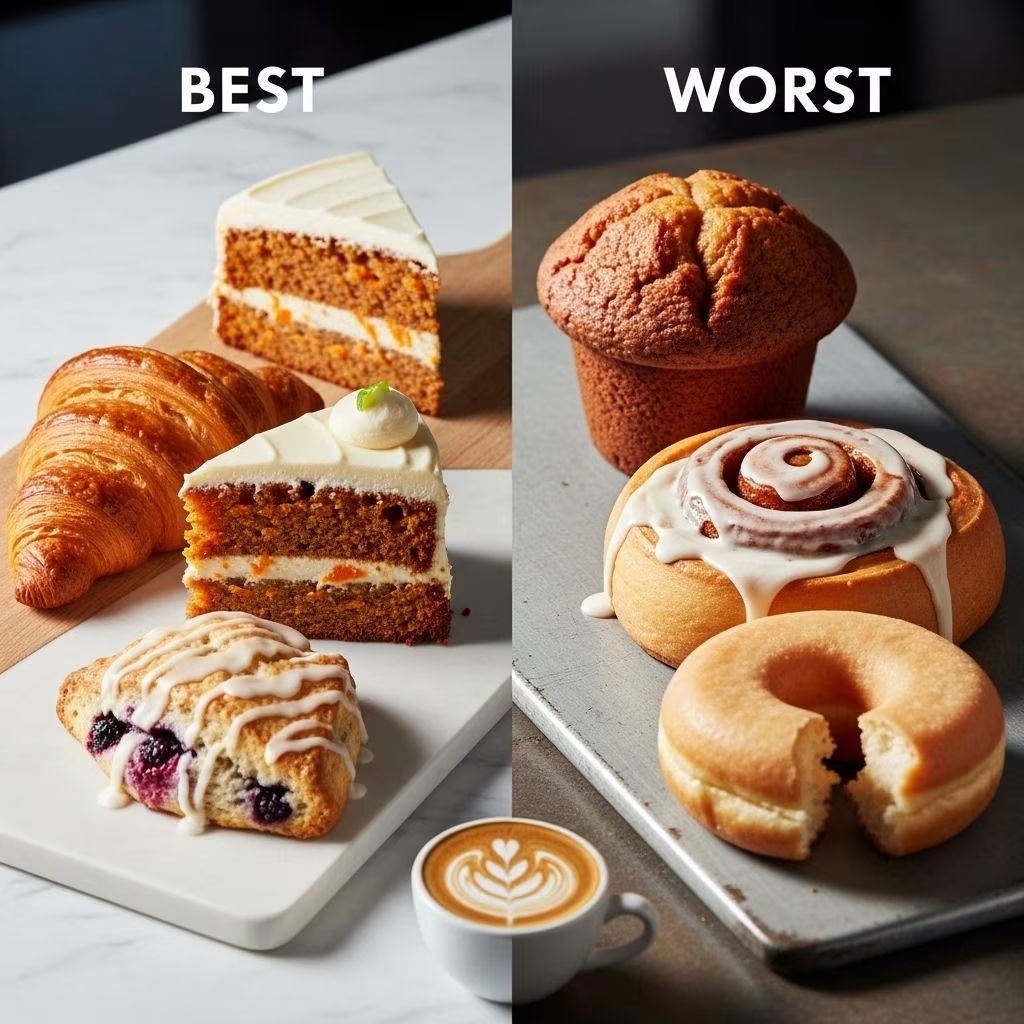
The 7 Best and Worst Baked Goods Choices at Coffee Shops
Stopping by a coffee shop for a quick snack is a common indulgence. But before you reach for the nearest pastry or sweet, it’s important to know how those tempting treats stack up nutritionally. Many popular baked goods at cafes pack in excessive calories, sugar, and unhealthy additives, making them a poor choice for anyone looking to maintain a healthy weight or cut back on processed foods. However, with a little knowledge, you can make smarter decisions—saving yourself hundreds of calories and dozens of grams of sugar every time. Let’s break down the best and worst baked goods, and discover healthier swaps you can make the next time your sweet tooth calls.
Why Most Coffee Shop Baked Goods Are Unhealthy
- Refined flour and sugar overload: Most coffee shop treats use refined flours and added sugars, leading to high carb content without much fiber, protein, or micronutrients.
- Large portion sizes: Coffee shop servings are often double—even triple—the size of homemade items, meaning way more calories with each snack.
- Additives and preservatives: To enhance the look, texture, and shelf life, big chain bakeries use artificial colors, flavors, stabilizers, and other additives that aren’t present in home baking.
- Lack of satiety: These treats tend to be rapidly digested, spiking blood sugar but seldom making you feel full for long.
Let’s look at the seven treats to avoid—and which options are smarter choices when you’re craving something baked.
1. SKIP: Cinnamon Roll
The cinnamon roll reigns as one of the most indulgent—and least healthy—choices in a coffee shop. With layers of sweet dough, buttery filling, and a thick frosting, it’s packed with sugar and calories.
- Fast-food cinnamon rolls: Often over 1,000 calories and 75g of sugar per roll.
- Café versions: Typically 500–600 calories and still upwards of 40g sugar—extremely high for a single snack.
- Main nutritional issues: Refined carbs, large portion sizes, tons of added sugars, and rarely any fiber or protein.
Smarter Swap: Cookie
Opting for a cookie instead of a cinnamon roll can be a far better choice:
- Lower calories: Standard-sized cookies (about 3 inches wide) rarely exceed 300 calories.
- Lower sugar: Most un-iced cookies have under 25g sugar; gingerbread cookies can come in as low as 11g sugar and 210 calories.
- Watch out: Avoid cookies with frosting or extra large cookies—these can rival cinnamon rolls for sugar and calories.
Tip: Look for reasonably-sized, un-iced cookies. Consider options like gingerbread, oatmeal, or simple shortbread for lower sugar and calories.
2. SKIP: Danish
The Danish pastry, whether fruit- or cheese-filled, is another high-calorie, high-sugar contender in bakery cases. Its flaky dough and sweet, sticky filling are tough to resist—but nutritionally, they offer little value.
- Calorie count: Most restaurant or café Danishes run 300–450 calories each.
- Sugar content: Expect 20g or more—sometimes much higher for larger or heavily iced versions.
- Minimal nutrients: Refined flour and sugar predominate, so vitamins, minerals, and fiber are scarce.
Smarter Swap: Plain Croissant
If you’re craving something flaky and buttery, a plain croissant is a smarter choice:
- Lower sugar: Croissants almost never contain more than 6g sugar per serving.
- Similar calories: Standard croissants from chains like Panera Bread come in around 300 calories.
- Fewer additives: Some chains (such as Panera) avoid artificial colorings, flavorings, and many preservatives.
Tip: Pick a classic croissant over filled pastries. Its subtly sweet flavor lets you skip the high sugar, and it pairs perfectly with coffee without sending your blood sugar soaring.
3. SKIP: Scone
Scones have developed an unhealthy reputation, particularly at chain bakeries, where portion sizes are large and sugar content is through the roof.
- Typical calories: 500 or more per serving for chain bakery scones.
- Sugar overload: Up to 47g sugar—a full day’s recommended intake—can be packed into a single scone.
- Nutritional pitfalls: Scones tend to be made with refined flour, lots of butter, and sugar, leaving little nutritional benefit behind.
Smarter Swap: Biscotti
Biscotti, the crunchy Italian cookie, is generally a lighter pick at the bakery:
- Lower calories: Small packaged biscotti often have just 150 calories, while larger café versions top out around 240 calories.
- Lower sugar: Though specific sugar stats vary, biscotti generally contains less sugar than scones or muffins.
- Portion control: Biscotti is naturally hard and eaten slowly, making you less likely to overindulge.
Tip: Choose smaller biscotti for a satisfying crunch with coffee and avoid ones dipped in chocolate or loaded with icing.
4. SKIP: Muffin
Muffins may masquerade as a healthy breakfast, but at coffee shops, they are often closer to cake in disguise.
- Large muffins: Many chain café muffins exceed 400–500 calories and can contain up to 40g sugar.
- Refined grains: The flour in most muffins is highly processed, contributing to rapid blood sugar spikes and low satiety.
- Size matters: Homemade or mini muffins are usually a better option, offering more modest calories.
Smarter Swap: Bran Muffin or Mini Muffin
If you’re craving a muffin, look for smaller options or those made with whole grains:
- Bran muffins: Usually contain higher fiber and protein, satisfying hunger better.
- Mini (or kid-size) muffins: Offer better portion control and reduce calorie/sugar load.
Tip: Ask for nutrition info before ordering. Muffins marketed as “healthy” can be misleading—pay attention to fiber content to gauge whether a muffin is a better choice.
5. SKIP: Bagel
Bagels are a mainstay at coffee shops, but nutritionally they often resemble a giant roll of white bread more than a healthy breakfast option.
- High carbs: Most bagels are made with refined flour, leading to rapid spikes in blood sugar.
- Calories: Standard bagels average 250–350 calories; adding toppings like cream cheese or butter increases this further.
- Low nutritional value: Minimal fiber and micronutrients, especially in plain bagels.
Smarter Swap: Whole Grain or Sprouted Grain Bagel
Whole grain bagels offer more sustained energy and micronutrients:
- Higher fiber: Improves satiety and slows digestion, preventing blood sugar spikes.
- Added nutrients: Whole grains retain B vitamins and minerals lost in refined flour.
Tip: Look for bagels where whole grain is listed first in the ingredients. Always check portion size—mini bagels can also be a smart swap.
6. SKIP: Donut
The donut is an iconic sweet treat—but nutritionally, it’s packed with drawbacks.
- Calories and sugar: Single donuts from chain bakeries run 250–400 calories, with up to 20–30g sugar.
- Unhealthy fats: Many donuts are fried, contributing saturates and trans fats known to raise cholesterol.
- Minimal satiety: Donuts are rarely satisfying, leaving you hungry—and more likely to reach for more sweets.
Smarter Swap: Fruit-Based Quick Bread
Banana bread, zucchini bread, or apple galette are better alternatives:
- More nutrients: Fruit-based breads offer vitamins, minerals, and often more fiber than donuts.
- Lower sugar: Opt for low-sugar recipes or slices made with whole grains wherever possible.
Tip: Choose homemade or café slices without icing. Enjoy with coffee for a snack that offers sweetness and nutrition, not just empty calories.
7. SKIP: Pie or Turnover
Pies and turnovers can be loaded with added sugars, buttery crusts, and very large serving sizes—making them a less than ideal café snack.
- Calories: Even small slices or turnovers are typically at least 400–500 calories, and up to 50g sugar if fruit-filled.
- Butter and refined flours: Excessive amounts add saturated fat and minimal nutritional value.
Smarter Swap: Simple Filled Pastry or Energy Bar
If you’re hankering for something sweet and portable, opt for a simple pastry or energy bar:
- Lower sugar: Simple pastries like pain au chocolat are typically lower in sugar than fruit-filled pies.
- Energy bars: Select bars with minimal added sugars, real fruit, and nuts for higher protein and fiber.
Tip: Look for snacks with nuts, seeds, or whole grains to boost nutrition and keep you feeling full longer.
Common Additives in Coffee Shop Baked Goods
- Artificial flavors and colors: Used widely to make baked goods more appealing but offer no health benefits and can trigger allergic reactions for sensitive individuals.
- Preservatives: Improve shelf life but often come with side effects such as digestive upset or headaches.
- Emulsifiers and stabilizers: Used to keep texture consistent, but may not be suitable for anyone seeking to avoid processed additives.
When in doubt, ask your coffee shop staff about ingredients or check nutrition information online before ordering.
Summary Table: Baked Goods – Calorie & Sugar Comparison
| Baked Good | Average Calories | Average Sugar (g) | Smart Swap | Calories (Swap) | Sugar (Swap) |
|---|---|---|---|---|---|
| Cinnamon Roll | 500–1,000 | 40–75 | Cookie | <300 | <25 |
| Danish | 300–450 | 20+ | Plain Croissant | ~300 | <6 |
| Scone | 500+ | Up to 47 | Biscotti | 150–240 | N/A (typically lower) |
| Muffin | 400–500 | 35–40 | Mini/Bran Muffin | 150–250 | Lower (with whole grains) |
| Bagel | 250–350 | 10–15 | Whole Grain Bagel | Similar | Similar, but more fiber |
| Donut | 250–400 | 20–30 | Fruit Bread | 180–280 | Lower |
| Pie/Turnover | 400–500 | 30–50 | Simple Pastry/Bar | 180–260 | Varies |
Tips for Smarter Coffee Shop Snacking
- Check the size: Many baked goods are portioned for sharing—split with a friend or save half for later.
- Look for whole ingredients: Seek out snacks made with whole grains, natural sweeteners, and minimal added sugars.
- Avoid icing and fillings: Frostings, glazes, and sweet fillings are major sources of extra sugar and calories.
- Mind the drink: Coffee drinks can add a lot of sugar if sweetened—choose plain or lightly sweetened versions.
- Ask for nutrition info: Large chains almost always provide nutrition data online or in-store—use it to make informed choices.
Frequently Asked Questions (FAQs)
Q: Are packaged coffee shop baked goods worse than homemade?
Packaged and commercial baked goods tend to be much higher in preservatives, additives, and artificial flavors and colors, which homemade treats are less likely to contain. Portion sizes are also typically larger in coffee shops, making it easier to overeat compared to homemade snacks.
Q: Is it ever okay to eat pastries and sweets?
Yes—occasional indulgence in moderation is fine for most people. The key is to be informed and make swaps where possible to reduce calorie and sugar intake, and avoid foods with excessive unhealthy additives.
Q: What should I look for in a healthy bakery snack?
Look for baked goods made with whole grains, lower sugar, and more fiber. Avoid oversized portions, excessive icing, and products with a long list of ingredients, especially artificial colors and preservatives.
Q: Are vegan and gluten-free baked goods healthier?
Not necessarily. Many vegan and gluten-free baked goods rely on refined flours, starches, and sugars to compensate for flavor and texture. Always check nutrition labels for fiber and sugar content to ensure it’s truly a lighter, healthier option.
Q: Which coffee shop treat is the healthiest overall?
A small biscotti or a bran muffin, preferably made with whole grains and minimal sugar, generally offers lower calories, higher fiber, and better satiety than other common bakery items. A plain croissant can also be a good choice if you’re seeking low sugar.
Conclusion
Choosing coffee shop snacks doesn’t have to mean sacrificing your health or weight loss goals. By understanding which baked goods are especially high in sugar, calories, and processed ingredients—and finding smarter swaps—you can indulge wisely and keep your nutrition on track with every coffee break.
References
- https://www.prevention.com/weight-loss/a20485962/the-7-best-and-worst-baked-goods/
- https://www.prevention.com/food-nutrition/g20498199/foods-you-should-never-eat/
- https://www.prevention.com/food-nutrition/healthy-eating/a63423411/foods-you-should-not-eat/
- https://www.prevention.com/food-nutrition/a20511532/foods-to-avoid-with-diabetes/
- https://www.prevention.com/food-nutrition/a20480944/worst-food-additives/
- https://www.prevention.com/health/health-conditions/g26221895/worst-foods-heart-health/
- https://www.alsothecrumbsplease.com/things-to-avoid-in-baking/


