


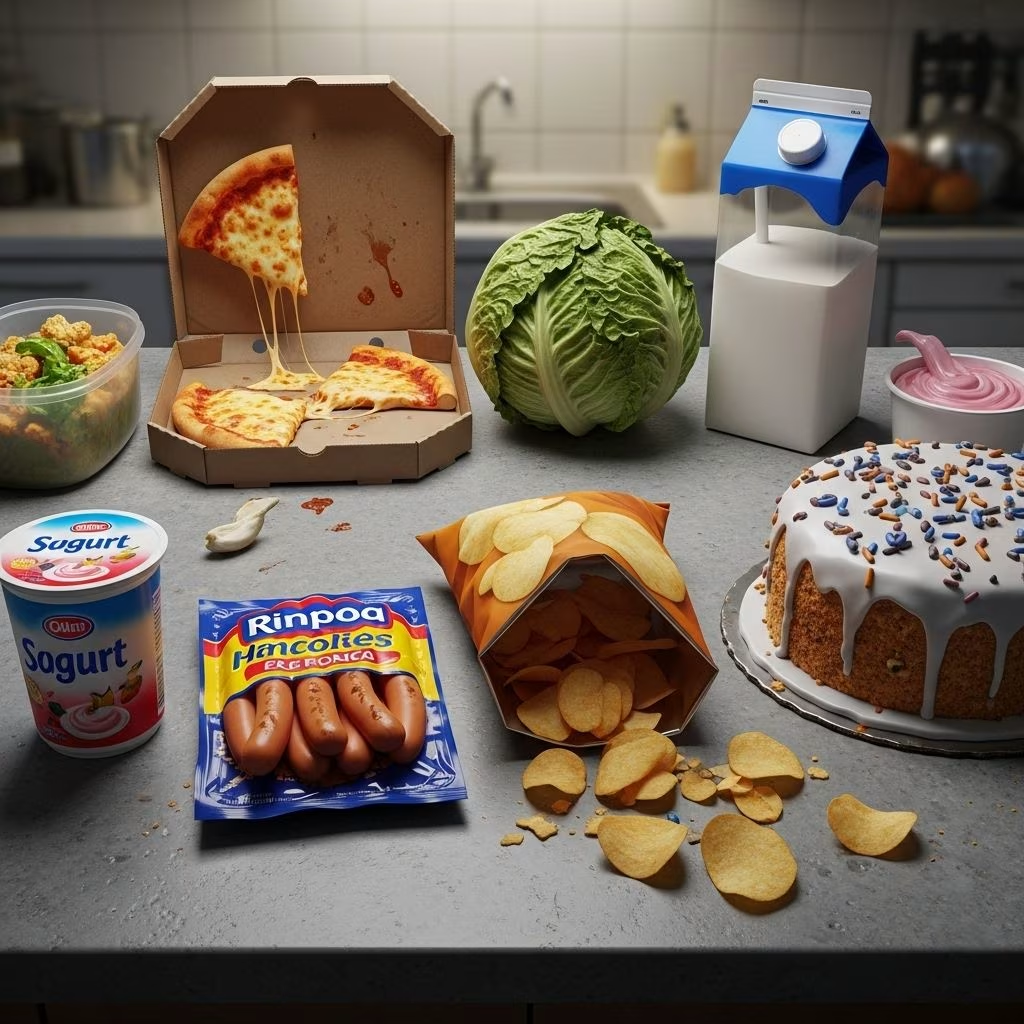
The 8 Worst Foods in Your Fridge To Avoid
Most people think of their refrigerator as a haven of health, stocked with fresh produce, dairy, and lean proteins. However, seemingly healthy choices—like low-fat dairy or prepackaged veggies—may be undermining your health goals. Recent research points to surprising dangers lurking in typical fridge staples, from increased disease risk to fueling unhealthy eating habits. This article identifies the top 8 offenders, explains the scientific reasons they’re problematic, and offers expert-approved alternatives for a healthier kitchen.
- Low-Fat Milk and Yogurt
- Frozen Vegetables with Sauce
- Mayo (Mayonnaise)
- White Bread
- Processed Meats
- Soda
- Ice Cream
1. Low-Fat Milk and Yogurt
While low-fat dairy was once considered a cornerstone of healthy eating, new studies suggest full-fat options might be better for your waistline—and your health. Research published in Circulation found people who consumed full-fat dairy had up to 46% lower risk of developing diabetes over 15 years versus those who favored low-fat alternatives. Another study in the Women’s Health Study reported that those who ate more high-fat dairy were 8% less likely to become obese compared to those who ate less.
| Dairy Type | Obesity Risk | Diabetes Risk |
|---|---|---|
| Full-Fat | Lower | Lower |
| Low-Fat | Higher | Higher |
- Hidden Danger: Low-fat options are often less satisfying, leading to overeating.
- Better Choice: Opt for whole milk and full-fat yogurt. They offer richer taste, better satiety, and may help control calorie intake.
2. Frozen Vegetables with Sauce
Frozen vegetables sound healthy, but when packaged with sauce, they often hide excess sodium, saturated fat, and artificial additives. Most sauces use cheese or butter, piling on calories and unhealthy fats. These additions can neutralize the benefit of eating vegetables and contribute to elevated blood pressure and heart disease risk.
- Hidden Danger: High sodium and saturated fat undermine nutritional value.
- Better Choice: Buy plain frozen vegetables. Add your own herbs or a drizzle of olive oil for healthy flavor.
3. Mayo (Mayonnaise)
Mayonnaise is a refrigerator staple but comes packed with calories and processed oils. Just two tablespoons can have over 200 calories and nearly 10 grams of fat—most of it from refined, inflammatory oils. Regular use can quickly sabotage weight loss goals and contribute to unhealthy cholesterol levels.
- Hidden Danger: High-calorie, low-nutrient condiment made with processed oils.
- Better Choice: Use avocado, hummus, or Greek yogurt as spreads for sandwiches—offering fiber, protein, and healthy fats.
4. White Bread
White bread is commonly stored in the fridge to extend shelf life, but this processed staple is stripped of fiber and nutrients during manufacturing. It causes rapid spikes in blood sugar, followed by crashes that trigger hunger and overeating. Studies link refined grains to increased risk of type 2 diabetes, obesity, and heart disease.
- Hidden Danger: High glycemic index, low satiety, and nutrient-poor.
- Better Choice: Switch to whole grain or sprouted breads for sustained energy and dietary fiber.
5. Processed Meats
The International Agency for Research on Cancer classifies processed meats—like hot dogs, bacon, and deli meats—as carcinogens, citing links to colorectal cancer and other illnesses. Curing and smoking can form chemicals that raise cancer risk, and sodium levels frequently exceed safe recommendations. Researchers at Harvard University found consuming just 1.8 ounces daily increased heart disease risk by 42% and type 2 diabetes risk by 19%. Consuming cured meats a few times a month also raises the risk for chronic respiratory diseases.
- Hidden Danger: Cancer-causing chemicals, excess sodium, increased risk of heart disease and diabetes.
- Better Choice: Use deli meats labeled “no added nitrates” and “low sodium” (e.g., Applegate Farms, Hormel Natural). Limit frequency and serving size.
6. Soda
Soda—both regular and diet—is tied to numerous health risks. A single can contains about 140 calories and 10 teaspoons of sugar. Diet versions aren’t healthier: A major study from the University of Iowa found that drinking two or more diet sodas per day can raise heart disease risk by up to 30% in postmenopausal women, and those who drank diet soda were 50% more likely to die from cardiovascular causes.
- Hidden Danger: High sugar (regular soda), artificial sweeteners (diet soda), increased risk for metabolic syndrome, insulin resistance, and heart disease.
- Better Choice: Replace soda with sparkling water, herbal teas, or homemade fruit-infused water.
7. Ice Cream
Ice cream is a sweet treat but full of added sugars, saturated fats, and calories. Frequent consumption can contribute to weight gain, increased bad cholesterol, and higher risk for heart disease. Sugar-laden desserts also cause blood sugar spikes, followed by crashes and cravings for more unhealthy foods.
- Hidden Danger: High sugar, saturated fat, and calorie content undermining health goals.
- Better Choice: Enjoy frozen fruit bars, Greek yogurt with berries, or blended frozen bananas for a healthier dessert.
How to Make Your Fridge Truly Healthy
- Read labels: Always check for sodium, sugar, additives, and healthy fats.
- Choose whole foods: Stock up on fresh fruits, vegetables, whole grains, and protein sources like eggs, fish, and legumes.
- Limit processed foods: Reserve shelf space for whole ingredients and minimally processed condiments like mustard or salsa.
- Store properly: Keep raw meats on lower shelves, avoid overstuffing, and check temperatures regularly to reduce bacteria growth and contamination.
- Plan portions: Use smaller containers to avoid overeating, and rotate older items to minimize waste and risk.
Table: Worst vs. Better Refrigerator Choices
| Food Category | Common Unhealthy Option | Better Alternative |
|---|---|---|
| Dairy | Low-fat milk/yogurt | Whole milk/full-fat yogurt |
| Vegetables | Frozen veggies with sauce | Plain frozen veggies |
| Condiments | Mayonnaise | Avocado, hummus, Greek yogurt |
| Bread | White bread | Whole grain/sprouted bread |
| Meats | Processed meats | Low-sodium, nitrate-free deli meats |
| Beverages | Soda | Sparkling water, tea, infused water |
| Desserts | Ice cream | Greek yogurt, frozen fruit bars |
Frequently Asked Questions (FAQs)
Q: Are all low-fat dairy products unhealthy?
A: While not every low-fat dairy is harmful, research shows full-fat versions may offer better metabolic and weight control benefits. Moderation is key, and opt for minimally processed products.
Q: How can I tell if my frozen vegetables are a smart choice?
A: Look for ingredient lists showing only vegetables. If a sauce is included, check for sodium content below 140 mg per serving and no added saturated fats.
Q: What makes processed meats particularly dangerous?
A: Curing and smoking meats can produce carcinogens, and added sodium significantly increases risk for heart disease and hypertension. Consider nitrate-free, lower-sodium brands, and alternate with fresh, lean proteins.
Q: Is diet soda better than regular soda?
A: Evidence links both diet and regular soda to increased risk of heart disease, metabolic syndrome, and weight gain. Choose natural, unsweetened drinks instead.
Q: What is the healthiest way to organize my fridge?
A: Place raw meats on lower shelves, avoid overcrowding, keep foods within safe temperature zones, and rotate items to use older foods first. Sanitize shelving and check for mold regularly.
Expert Tips for a Healthier Refrigerator
- Perform regular fridge cleanouts to eliminate expired or questionable items.
- Invest in a refrigerator thermometer to ensure proper cooling and minimize bacterial growth.
- Stock up on healthy basics: eggs, leafy greens, berries, Greek yogurt, and nuts.
- Use glass containers for meal prep with whole ingredients for quick access to healthy options.
Making smart refrigerator choices isn’t just about tossing out junk food—it involves reading labels, favoring whole foods, and storing (and enjoying) meals in ways that nourish your body and mind. Upgrade your fridge today and see the benefits in energy, health, and long-term wellness!
References
- https://www.prevention.com/health/g20513281/7-common-refrigerator-health-mistakes/
- https://www.runnersworld.com/nutrition-weight-loss/g20827927/the-8-worst-foods-in-your-fridge/
- https://www.prevention.com/weight-loss/a20515674/foods-to-avoid-8-worst-foods-in-your-fridge-0/
- https://www.prevention.com/food-nutrition/healthy-eating/a63423411/foods-you-should-not-eat/
- https://www.fda.gov/consumers/consumer-updates/are-you-storing-food-safely
- https://www.consumerreports.org/health/food-safety/really-risky-foods-right-now-a7840705850/
- https://www.geappliances.com/ge/lifestyles/foods-you-should-not-refrigerate.htm
- https://www.prevention.com/food-nutrition/g20509222/50-foods-you-dont-need-to-refrigerate/
- https://www.eufic.org/en/food-safety/article/what-foods-should-or-not-be-stored-in-the-fridge


