


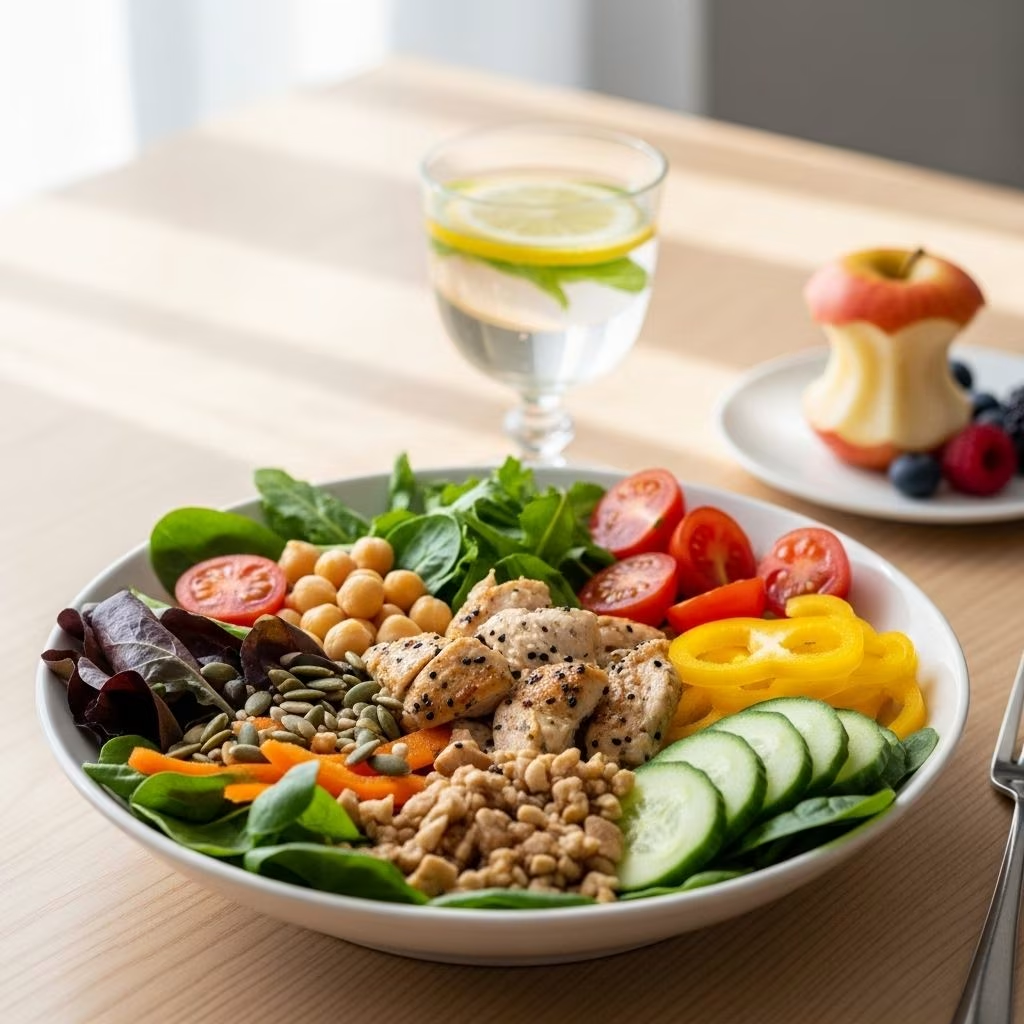
Smart Strategies to Cut Calories and Crush Food Cravings
Cravings can sabotage your healthiest intentions, but science and a few psychological strategies can help you control them and jumpstart weight loss. This comprehensive guide synthesizes the latest research and expert advice, equipping you with actionable methods to cut calories and conquer cravings for good.
Understanding Food Cravings: Why Do We Get Them?
Food cravings are intense desires for specific foods, often high in sugar, fat, or carbohydrates. These urges go beyond normal hunger and are frequently triggered by emotional states, environmental cues, or dietary patterns. Understanding the root causes is fundamental to managing both your appetite and your weight.
- Emotional triggers: Stress, boredom, and sadness often lead to cravings for comfort foods.
- Dietary restrictions: Limiting entire food groups can increase the desire for the very foods you’re avoiding.
- Sensory cues: Smell, sight, and sound can powerfully trigger cravings, especially in familiar routines.
Calorie Restriction and Food Cravings: What Science Says
It’s a common fear: cutting calories will make you obsess over food. However, a systematic review of clinical studies provides reassurance: moderate, sustained calorie restriction is associated with a reduction in overall food cravings, including cravings for sweets, fats, starchy foods, and fast food. Results showed that after at least 12 weeks of calorie restriction, cravings tended to decrease rather than increase.
| Craving Type | Change After Calorie Restriction |
|---|---|
| Sweet foods | Decreased |
| High-fat foods | Decreased |
| Starchy foods | Decreased |
| Fast food | Decreased |
Key takeaway: Balanced calorie restriction can retrain your cravings and support long-term weight loss.
9 Research-Backed Methods to Cut Calories and Beat Cravings
1. Start Your Day with Oats
Oatmeal is more than just a healthy breakfast choice. Studies show that oats trigger the release of satiety hormones that prevent cravings for hours. Research from Lund University found that healthy fats in oats help keep you full, with effects lasting up to 7 hours. Another study in Annals of Nutrition & Metabolism revealed that those who ate oatmeal for breakfast consumed 31% fewer calories at lunch compared to those who skipped breakfast or ate processed cereals.
- Enjoy a bowl of oatmeal in the morning to stave off mid-day cravings.
- Add nuts, seeds, or fruit for extra satisfaction and nutrition.
2. Avoid Craving Hot Spots
Cravings often strike in specific environments—like the kitchen, the snack drawer at work, or when watching TV. Changing your routine can reduce temptation.
- Identify and avoid places where you’re most likely to overeat.
- Keep healthy snacks visible and junk foods out of sight.
- Change your usual snacking locations to disrupt habitual cravings.
3. Balance Your Restriction: Don’t Go to Extremes
Severe restriction—such as eating less than 1,000 calories daily or banning entire food groups—primes your body for strong cravings and eventual bingeing. Research shows that ‘restrained eaters’ are not necessarily thinner. In fact, their restrictive habits often backfire, leading to overeating and higher BMI.
- Avoid extreme dieting and make room for controlled indulgences.
- Plan small, reasonable servings of favorite foods (e.g., share dessert or enjoy one slice of pizza).
- Lifting bans eliminates the psychological pressure that drives obsessive eating.
- Choose satisfaction over deprivation to prevent rebound cravings.
4. Eat to Satisfy: Don’t “Eat Around” Cravings
Trying to calm a strong craving with unsatisfying substitutes, like low-calorie versions, often backfires. For example, substituting yogurt for a milkshake may leave your brain unsatisfied, leading you to eat more overall. Researchers found that mindlessly reaching for low-calorie snacks (crackers, popcorn, pretzels) in response to chip cravings can add up to more calories than simply eating a single serving of chips.
- Address cravings with a moderate portion of what you want, not with multiple alternatives.
- Aim for intentional enjoyment instead of mindless nibbling.
5. Sleep Well to Avoid Cravings
Sleep deprivation disrupts hormones that regulate hunger and fullness. A University of Chicago study showed poor sleep can drop leptin (the satiety hormone) by 18% and post ghrelin (an appetite trigger) by 30%. As a result, cravings for starchy, high-calorie foods rose by 45%.
- Strive for 7-8 hours of sleep to maintain healthy cravings and appetite hormones.
- If sleep-deprived, try caffeine judiciously to avoid high-calorie energy snacks.
- Always portion out treats; avoid eating straight from the container.
6. Break the Habit Loop: Rethink Your Routines
Cravings often result from associations. Eating popcorn while watching TV becomes automatic, fueled by powerful cues and brain chemistry. The amygdala—a brain region involved in fear and routine—reacts to breaking these patterns.
- Eliminate sensory cues: Watch TV away from the kitchen or usual snack zone.
- Use visualization: Whenever a craving hits, say ‘Stop!’ mentally and picture yourself as healthy or engaged in another rewarding activity.
- Distract yourself with non-food-related visuals or activities (e.g., typing an email, taking a walk).
7. Prioritize Eating Healthier Foods
Over time, taste preferences shift—repeatedly choosing healthier options makes your body and mind crave them instead of junk food. It can take a month to adjust, but consistency is key.
- Fill your plate with fruits, vegetables, lean proteins, and whole grains.
- Limit highly processed foods; overexposure increases your craving for them.
8. Keep Your Goals Top of Mind
Remind yourself regularly of your long-term goals and the reasons you want to eat healthier. Placing junk food at the bottom of your priorities list can help you resist temptation.
- Post visual motivators (such as a healthy meal plan or inspirational messages) where you see them often.
- Meditate or journal about your goals to keep them fresh and actionable.
9. Listen to Satiety Signals
Recognize the difference between physical hunger and emotional cravings. Pause before eating and ask yourself, “Am I hungry, or just craving something specific?” Mindful eating cultivates this awareness.
- Pause before eating and reflect on your hunger level.
- Eat slowly, chewing thoroughly and savoring each bite.
- Stop eating when you feel comfortably full, not stuffed.
Frequently Asked Questions (FAQs)
Q: Will calorie restriction always decrease my cravings?
Studies show that prolonged, moderate calorie restriction usually decreases cravings overall, rather than increasing them. However, extremely restrictive diets can trigger rebound cravings and lead to binge eating.
Q: What’s the link between sleep and food cravings?
Poor sleep disrupts hormones regulating hunger and satiety, increasing cravings for high-carb, high-calorie foods. Getting consistent, adequate sleep helps reduce these urges.
Q: How do I handle craving triggers in my environment?
Identify situations and locations tied to cravings, then disrupt routines by avoiding these zones, changing your activities, or replacing old habits with healthier ones.
Q: Is it better to avoid my favorite foods completely?
No—research and expert advice suggest allowing yourself reasonable portions of favorites can prevent obsessive thoughts and bingeing.
Q: Can healthy eating really change my food preferences?
Yes—regularly eating nutritious foods can help retrain your taste buds and diminish cravings for junk food, with many people noticing changes within a month.
Bonus Tips: Fast Ways to Outsmart Food Cravings
- Hydrate first: Drink a glass of water; thirst is commonly mistaken for hunger.
- Chew gum: Chewing sugar-free gum can temporarily diminish cravings.
- Get moving: A brisk five-minute walk can shift your focus and curb a craving surge.
- Plan treats: Schedule favorite foods in your meal plan, so you enjoy them intentionally, not impulsively.
Key Takeaways
- Cravings are normal, but you can train yourself to manage them with psychological and behavioral strategies.
- Balanced calorie restriction often reduces cravings over time.
- Satisfying meals, adequate sleep, mindful enjoyment of favorite foods, and strategic environment changes help cut calories and crush cravings.
- Healthy choices become easier the more often you practice them.
Final Thoughts
Cravings can be conquered—with the right strategies, mindset, and scientific knowledge, you’ll enjoy food, nourish your body, and still reach your weight loss goals. Remember, it’s not about willpower alone—it’s about smarter choices and building lasting habits.
References
- https://www.prevention.com/weight-loss/a20448548/5-ways-to-stop-food-cravings/
- https://pmc.ncbi.nlm.nih.gov/articles/PMC6226249/
- https://www.prevention.com/weight-loss/a20466650/how-to-stop-food-cravings-and-overeating/
- https://www.prevention.com/weight-loss/a20447209/the-link-between-diet-and-cravings/
- https://www.prevention.com/weight-loss/g20512093/12-surprisingly-effective-ways-to-halt-your-hunger/
- https://www.prevention.com/weight-loss/diets/a60578947/how-to-lose-weight-fast-safely/
- https://www.prevention.com/weight-loss/g27323543/low-calorie-snacks/
- https://www.prevention.com/food-nutrition/healthy-eating/a65664887/ultra-processed-foods-weight-loss-gut-health-study/
- https://www.prevention.com/weight-loss/g20482528/this-is-your-perfect-day-for-weight-loss/


