


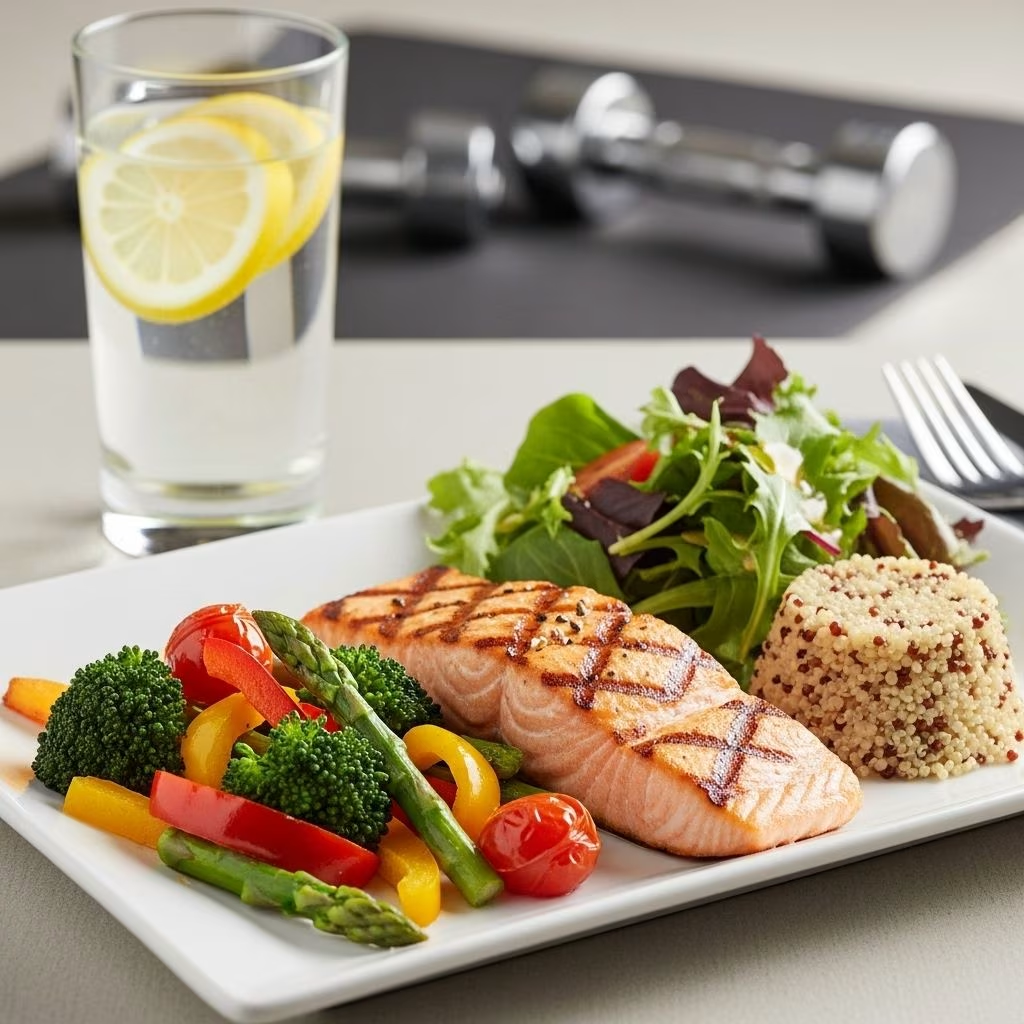
The Active Calorie Diet: A Fresh Approach to Healthy Weight Loss
The Active Calorie Diet is designed to help individuals lose weight safely and sustainably by blending moderate caloric reduction, increased physical activity, and nutritious whole foods. Instead of fad diets or extreme restrictions, this approach emphasizes balanced eating and a purposeful increase in daily movement to create a realistic and lifelong change.
Understanding the Philosophy Behind the Active Calorie Diet
The core concept of the Active Calorie Diet is simple: create a moderate calorie deficit through a combination of mindful food choices and more movement—not deprivation. Rather than overly rigid meal plans, this method promotes flexibility, enjoyment, and practicality, enabling dieters to make positive changes without feeling deprived.
- Balanced Nutritional Intake: Focus on whole foods, lean proteins, fiber-rich vegetables, fruits, and healthy fats.
- Moderate Calorie Reduction: Reduce total daily intake by 300 to 500 calories, targeting a loss of 1 to 2 pounds per week.
- Increasing Activity: Engage in regular physical activities such as walking, cycling, or other enjoyable exercises to boost energy expenditure.
Why Choose an Active Calorie Diet?
Traditional diets often fail because they emphasize drastic calorie reduction, rigid rules, or unsustainable food choices. The Active Calorie Diet takes a different approach, recognizing the importance of a positive mindset, flexibility, and incremental lifestyle improvements.
- Enjoyment of meals and physical activity, eliminating the “all-or-nothing” mentality.
- Long-term sustainability based on practical changes to eating and movement habits.
- Improved physical health, energy levels, and emotional well-being.
Diet Structure and Recommended Food Choices
The Active Calorie Diet typically includes three main meals and one or two snacks each day. The plan encourages foods that are high in nutrients but moderate in energy density, allowing you to feel full and satisfied while consuming fewer total calories.
| Food Group | Examples | Benefits |
|---|---|---|
| Lean Proteins | Chicken breast, lean beef, tofu, fish, beans | Supports muscle maintenance, increases satiety |
| Whole Grains | Quinoa, brown rice, oats, whole-wheat bread | Provides energy, fiber for heart and digestive health |
| Fruits & Vegetables | Berries, apples, bananas, kale, spinach, carrots | Rich in vitamins, minerals, antioxidants |
| Healthy Fats | Avocado, olive oil, nuts, seeds | Promotes cell health, hormone production |
| Low-Fat Dairy | Greek yogurt, cottage cheese, skim milk | Calcium and protein support bone and muscle health |
Making Your Calories More Active
Rather than simply cutting calories, the Active Calorie Diet encourages you to “activate” your calories—burning more through movement and making better choices at every meal.
- Opt for high-volume, low-calorie foods, such as leafy greens and crunchy vegetables, to satisfy hunger.
- Choose foods that require more energy to digest, like protein and fiber-rich items.
- Incorporate simple physical activities throughout your day (e.g., walking, gardening, using stairs).
Example Daily Meal Plan
- Breakfast: Oatmeal topped with berries and seeds
- Snack: Greek yogurt and a sliced apple
- Lunch: Grilled chicken salad with mixed greens, tomatoes, cucumbers, and olive oil vinaigrette
- Snack: Raw veggies and hummus
- Dinner: Baked salmon, roasted sweet potato, steamed broccoli
The Role of Physical Activity in Weight Management
While reducing calories is effective for weight loss, regular physical activity amplifies results and improves overall health. Research suggests that increases in physical activity have a positive, though modest, influence on lowering obesity prevalence, while also conferring independent benefits for cardiovascular and metabolic health.
- Daily movement boosts calorie burn and supports a healthy metabolism.
- Exercise preserves lean muscle mass, especially when losing weight.
- Physical activity improves mood, energy, and sleep quality.
Suggested Physical Activities
- Brisk walking or hiking
- Swimming or water aerobics
- Cycling outdoors or on a stationary bike
- Strength training (weights, resistance bands)
- Yoga, Pilates, or stretching routines
Tips for Success on the Active Calorie Diet
- Track Your Food Intake: Maintain a log to help understand calorie and nutrient consumption.
- Be Mindful: Practice conscious eating; chew slowly, savor flavors, and avoid distractions.
- Set Activity Goals: Aim for at least 150 minutes of moderate exercise or 75 minutes of vigorous activity per week.
- Stay Hydrated: Drink water throughout the day to prevent dehydration and support metabolic processes.
- Plan Ahead: Prepare meals and snacks in advance to reduce the temptation for high-calorie convenience foods.
Common Pitfalls and How to Avoid Them
Weight loss journeys are often disrupted by unrealistic expectations and common missteps. The Active Calorie Diet helps you circumvent these issues by prioritizing flexibility and nutrition.
- Plateauing: Progress may slow over time; reassess calorie intake and activity level regularly.
- Hunger Strikes: Choose filling foods high in protein and fiber to stay satisfied with fewer calories.
- Over-Restriction: Avoid skipping meals or severely limiting calories, which can slow metabolism and incite binge eating.
- Neglecting Sleep: Poor sleep disrupts hunger hormones, making weight management harder. Prioritize rest alongside diet and exercise.
Health Benefits of an Active Calorie Diet
In addition to effective weight management, research shows that an active calorie approach can deliver critical health advantages:
- Reduced Body Fat and Waist Circumference: A moderate calorie deficit leads to loss of body fat, particularly abdominal fat.
- Lower Blood Pressure and Triglycerides: Improvements in cardiovascular markers are seen with better diet and fitness habits.
- Enhanced Self-Esteem and Motivation: Participants report feeling more energetic and confident due to healthy changes.
- No Significant Increase in Hunger: When following a semi-structured diet with regular meals and snacks, most people avoid the discomfort often reported with extreme diets.
Sample Results from Recent Studies
| Measurement | Active Calorie Diet | Usual Care |
|---|---|---|
| Mean Weight Change | -6.5 pounds (over 2 months) | +2 pounds |
| BMI Reduction | -1.2 units | 0 (no change) |
| Waist Circumference | -4 cm | 0 cm |
| Triglycerides | -12 mg/dL | 0 mg/dL |
| Blood Pressure | -5 mm Hg systolic | 0 mm Hg |
Frequently Asked Questions (FAQs)
Q: Can I personalize the Active Calorie Diet based on my preferences?
A: Yes. The Active Calorie Diet provides a flexible framework that allows you to choose foods and activities you enjoy. The key is to maintain a calorie deficit and prioritize nutrient-rich foods.
Q: How quickly will I see results?
A: Most people experience a steady weight loss of 1–2 pounds per week when consistently following the diet and adding activity. Results can vary based on initial weight, metabolism, and adherence.
Q: Will I feel hungry on the Active Calorie Diet?
A: Most participants report moderate satiety due to the emphasis on filling foods such as lean protein, fiber-rich vegetables, and whole grains. Structured meals and snacks help reduce hunger and cravings.
Q: Do I need to exercise every day?
A: While daily movement is encouraged, high-intensity workouts are not required. Activities like brisk walking or moderate exercise several times a week are sufficient for most people to achieve results.
Q: Is the Active Calorie Diet suitable for all ages?
A: The diet’s principles of moderation and balanced nutrition make it appropriate for adults of all ages, though individual calorie needs may vary based on age, sex, and activity level.
Conclusion: Start Your Journey Toward Sustainable Health
By emphasizing a moderate reduction in calories, increased physical activity, and a focus on enjoyable, nutritious foods, the Active Calorie Diet offers a practical, science-backed path toward lasting weight loss and improved well-being. With flexibility, realistic goals, and a commitment to balanced living, making your calories more “active” can transform your approach to healthy weight management and enhance your quality of life.
References
- https://pmc.ncbi.nlm.nih.gov/articles/PMC11601143/
- https://pmc.ncbi.nlm.nih.gov/articles/PMC3718620/
- https://www.cdc.gov/cdi/indicator-definitions/npao.html
- https://www.prevention.com/weight-loss/diets/g20476123/active-calorie-diet-recipes-for-weight-loss/
- https://www.thriftbooks.com/w/the-active-calorie-diet-eat-more-burn-more-lose-more-with-our-breakthrough-4-week-program_selene-yeager_leslie-bonci/310623/
- https://www.prevention.com/weight-loss/diets/a20429275/prevention-active-calorie-diet-2011-sweepstakes/
- https://caloriecontrol.org/calorie-control-council-predicts-top-5-trends-in-dieting-and-weight-loss-in-2011/


