


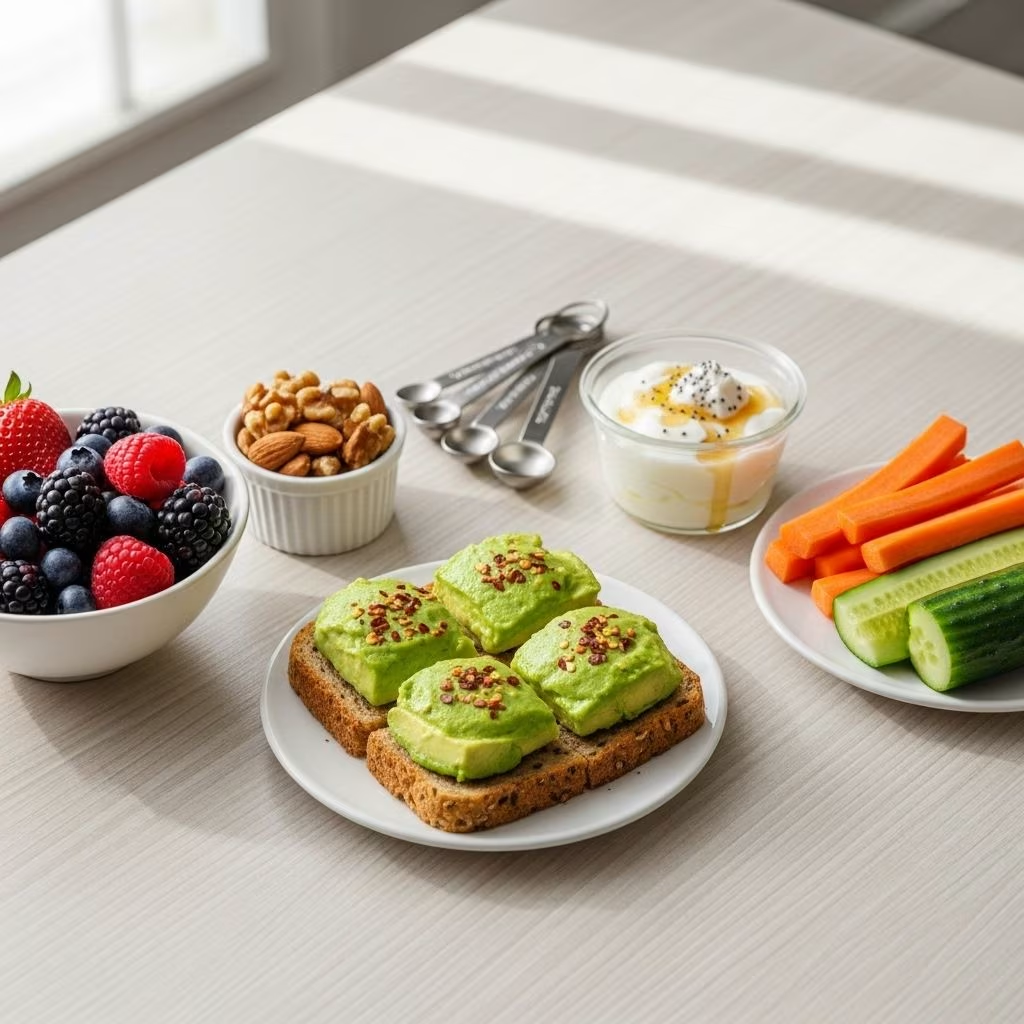
Mastering Snacking and Portion Control: Your Guide to Healthier Eating
Snacking has become a deeply ingrained habit for many people—whether it’s a quick bite while commuting, munching during a late-night movie, or grazing at your desk. However, the line between healthy snacking and mindless overeating is easily blurred. Portion control is a vital skill that can help you manage your weight, boost your energy, and support long-term health. This comprehensive guide explores the art and science of portion control, tips for snack selection, and expert-backed strategies to keep your cravings in check—without denying yourself the foods you love.
Why Portion Control Matters
According to research, portion sizes have steadily increased over the last several decades, contributing to rising rates of obesity and chronic disease. The foods most often associated with oversized portions are typically high in sugars, salt, and fat. Managing portion size isn’t about restriction—it’s about empowering you to make informed choices that satisfy hunger and prevent overconsumption. Here’s why mastering portion control is so important:
- Reduces Caloric Intake: Smaller portions mean fewer calories, helping you maintain or lose weight.
- Improves Digestion: Eating appropriate portions gives your body time to process food effectively, reducing bloating and discomfort.
- Encourages Mindful Eating: Portion control fosters greater awareness of hunger cues and encourages present-moment attention during meals and snacks.
- Promotes Balanced Nutrition: Controlled portions help ensure balanced intake of carbohydrates, proteins, and fats, along with essential vitamins and minerals.
The Science Behind Mindless Snacking
Snacking is often an automatic behavior—done out of habit, boredom, or emotional triggers, rather than genuine hunger. A study from the University of North Carolina revealed that Americans consume nearly 600 calories daily from snacks alone. Snacks can account for nearly a third of the food consumed each day, which makes portion control critically important. Here are the key factors driving mindless munching:
- Distractions: Watching TV, working, or scrolling on your phone while eating can dull your awareness of how much you are consuming.
- Convenience: Packaged snacks and bulk-sized portions make it easy to eat more than intended.
- Emotional Eating: Stress, fatigue, or emotional highs and lows often trigger the urge to snack, regardless of hunger.
- Situational Cues: Social situations, availability of snacks, and timing can all influence consumption.
Common Snacking Situations and Solutions
Overcoming mindless snacking is all about intention and planning. Here are expert-backed strategies for six of the most common snacking pitfalls:
1. Nighttime Snacking
Late-night nibbling is one of the biggest contributors to excessive calorie intake. Instead, start your day with a protein-rich breakfast (like eggs, Greek yogurt, or steel-cut oats) and enjoy a balanced lunch that combines healthy carbs, proteins, and fats. If you crave a treat at night, choose a modest portion, savor it mindfully, and avoid eating out of habit.
- Snack Swap: Opt for a few squares of dark chocolate, slowly enjoyed, instead of reaching for chips or cookies.
- Mindful Indulgence: Try a “chocolate meditation”—let the chocolate melt in your mouth, focusing on texture and flavor for maximum satisfaction with fewer calories.
2. Snacking While Cooking
Picking at ingredients while cooking can add hundreds of extra calories. Instead, try these tips:
- Chew gum or sip on flavored water as you prepare food.
- Set aside a small plate of veggies to snack on if you’re truly hungry.
- Be mindful of portion sizes for ingredients like cheese and nuts, which are calorie-dense.
3. Car Snacking
Eating on the go often means reaching for high-calorie, processed snacks. Conquer car snacking by:
- Packing pre-portioned, healthy snacks like pre-measured nuts, a banana, or air-popped popcorn.
- Avoiding fast-food drive-thrus; keep a reusable water bottle handy to curb cravings.
4. Desk Snacking
Desk snacking is especially hazardous due to distraction. To manage grazing at work:
- Keep nutrient-dense snacks in single-serve containers—like baby carrots, cherry tomatoes, or unsalted nuts.
- Schedule snack breaks and eat away from your computer, focusing on the food.
5. Social Snacking
Food is often the centerpiece of social gatherings. It’s easy to lose track of portions at parties or meetings. Strategies to help:
- Fill your plate with veggies first, before moving on to other foods.
- Position yourself away from the snack table.
- Choose smaller plates to limit portions.
6. Boredom Snacking
Boredom can trigger cravings for snacking, even if you’re not hungry. To break this cycle:
- Engage in an activity—take a walk, call a friend, or practice a hobby.
- Drink a glass of water and wait a few minutes before deciding if you’re actually hungry.
Top Tips for Effective Portion Control
Controlling portions doesn’t mean going hungry. It’s about enjoying what you like in reasonable amounts. Here are proven methods for keeping portions in check:
- Use Smaller Plates and Bowls: Downsizing your serveware naturally limits how much you eat.
- Pre-Portion Snacks: Divide large packages into single-serving bags or containers to prevent endless grazing.
- Avoid Eating From the Bag: Always serve food on a plate or bowl rather than eating straight from the package.
- Read Labels: Check serving size information to guide your portions and avoid hidden calories.
- Bulk Up Meals With Veggies: Add spinach, tomatoes, or peppers to sandwiches, pastas, and omelets to increase volume without adding many calories.
- Eat Slowly: It takes about 20 minutes for your brain to register fullness. Savor each bite and put your fork down between bites.
- Hydrate: Drink a glass of water before meals or snacks to help curb unnecessary hunger.
- Share Dishes: When dining out, split entrees or desserts to automatically reduce portion size.
How to Portion Smart Snacks
The concept of a snack is naturally “something small,” yet packaging and social habits often lead us to overindulge. Here’s how to keep snacks satisfying but sensible:
- Use measuring cups, scales, or individual snack containers to portion out servings.
- Choose single-serve snacks or divide bulk items into smaller bags right when you purchase them.
- Reference the serving size on the nutrition label and measure accordingly.
- For children, select snacks formulated for their age and use label guidance or visual hand measurements to estimate appropriate servings.
- Opt for snacks with clear, easy-to-understand nutrition information.
Expert-Recommended Healthy Snack Ideas
Healthy snacking can support weight management, promote stable energy, and help meet nutrient needs. Experts recommend snacks that offer at least two filling macronutrients—like protein plus fiber or healthy fats. Here’s a table of suggested snack combos for every craving:
| Snack | Serving Size | Portion Tip |
|---|---|---|
| Greek yogurt & berries | 3/4 cup yogurt + 1/2 cup berries | Use a small bowl to control serving |
| Veggies & hummus | 1 cup veggies + 3 tbsp hummus | Pre-cut veggies for easy portioning |
| Apple slices & peanut butter | 1 medium apple + 1 tbsp peanut butter | Use a tablespoon measure for nut butters |
| Hard-boiled eggs & cherry tomatoes | 2 eggs + 8 cherry tomatoes | Plate the snack, avoid random nibbling |
| Popcorn (air-popped) | 3 cups popped | Measure before serving; skip butter |
| Whole grain crackers & cheese | 6 crackers + 1 oz cheese | Pre-cut cheese block for easy portion |
| Mixed nuts (unsalted) | 1 ounce (about 23 almonds or 14 walnut halves) | Portion with a small container or snack bag |
Try to pair protein-rich and fiber-rich foods for snacks to help keep energy levels stable, delay hunger, and prevent spikes and crashes in blood sugar.
Portion Control Strategies for Families
Managing snacks for children—and the whole family—requires mindful attention to both the types and amounts of food offered. Practical strategies include:
- Use smaller containers or plates when serving children snacks.
- Subdivide large portions into smaller snack-size servings ahead of time.
- Involve children in prepping their own snacks to foster awareness of appropriate portions.
- Educate on hunger and fullness cues to help children recognize when they are truly hungry.
- Aim for snacks as appetite-bridgers, not as substitutes for regular meals.
Mindful Eating: Savor, Don’t Scarf
Mindful eating transforms snacking from an unconscious habit to an intentional, enjoyable act. Here’s how to make mindfulness part of your routine:
- Slow down and truly savor each bite, focusing on flavors, textures, and aromas.
- Eliminate distractions (TV, phone, work) during snack time.
- Pause between bites to assess fullness and satisfaction.
- Ask yourself if you are physically hungry or eating out of habit, stress, or boredom.
Frequently Asked Questions (FAQs)
What are the biggest mistakes people make with portion control?
Common mistakes include eating straight from the package, using large dinnerware that encourages overeating, and misjudging serving sizes, especially for high-calorie foods like nuts, cheese, and snack bars.
Can healthy snacks still cause weight gain?
Yes—while healthy snacks provide nutrients, they still contain calories. Overeating even healthy options can lead to weight gain. Portion awareness is key.
How do I know if I’m truly hungry?
Physical hunger builds gradually and is felt in the stomach, not the head. Emotional or boredom-driven eating is usually sudden and specific to certain ‘comfort’ foods.
Are there simple visual cues for portion sizes?
Yes—for example, a serving of meat or fish is about the size of a deck of cards, a serving of nuts matches a small handful, and a portion of pasta should fit into a cupped hand.
How can I cut calories without feeling deprived?
Focus on high-volume, low-calorie foods (like vegetables and fresh fruit), add lean proteins and fiber to meals, and practice mindful eating to enhance satisfaction.
Final Thoughts: Making Portion Control a Lasting Habit
Portion control and smart snacking are lifelong skills that support not only your weight loss or maintenance goals but also your overall health and wellness. With a combination of mindful strategies, healthy food choices, and an awareness of internal hunger cues, you can enjoy snacks and treats without guilt or excess. With practice, portion control can become a natural—and enjoyable—part of daily living. Start small, stay consistent, and celebrate every mindful bite!
References
- https://www.prevention.com/weight-loss/a20456147/prevent-excessive-snacking/
- https://www.canr.msu.edu/news/five_tips_to_help_you_manage_portion_control
- https://pmc.ncbi.nlm.nih.gov/articles/PMC6088523/
- https://www.prevention.com/weight-loss/g27323543/low-calorie-snacks/
- https://www.healthline.com/nutrition/portion-control
- https://www.prevention.com/weight-loss/a20429224/snacks-and-portion-control/
- https://www.prevention.com/food-nutrition/healthy-eating/a63423411/foods-you-should-not-eat/
- https://www.prevention.com/weight-loss/a20429825/portion-control-tips-on-slimming-down-your-serving-size/
- https://www.prevention.com/weight-loss/a20470409/weight-loss-mistakes-youre-making-at-work/
- https://www.prevention.com/weight-loss/a20505548/small-changes-that-take-off-big-pounds/


