


Overeating affects millions, driven by stress, emotional triggers, and our increasingly sedentary lifestyles. While mindful eating and healthy habits are key, ancient healing traditions like acupressure offer surprising support in helping to control cravings and promote a sense of fullness. Today, we’ll explore how certain acupressure points may assist in regulating appetite, reveal step-by-step directions for self-treatment, and back up these practices with modern insights into stress eating and weight management.
Understanding Overeating: Why Do We Eat Too Much?
Overeating is a habitual challenge. Whether brought on by special occasions or lingering stress, the compulsion to eat past fullness is a common problem tied to both psychological and physiological factors. The biological urge to overeat can be traced back to the body’s stress response. During stressful times, the body produces the hormone cortisol, which increases appetite and can drive cravings for high-calorie foods rich in fat and sugar. These ‘comfort foods’ can offer temporary relief from emotional distress, but can also sabotage long-term weight goals.
- Emotional triggers: Feelings of stress, anxiety, or sadness may activate cravings for certain foods as a coping mechanism.
- Hormonal changes: The interplay between cortisol (the ‘stress hormone’) and hunger hormones like ghrelin and leptin disrupts signals of satiety, making it easier to eat beyond your needs.
- Distracted eating: Screens, social situations, or multitasking while eating can reduce mindfulness and delay fullness cues.
- Habitual patterns: Reaching for snacks when bored or as part of a routine reinforces overeating behaviors over time.
Understanding these patterns is the first step toward making positive changes—but for some, gentle support through techniques like acupressure can offer an extra layer of control over cravings.
What Is Acupressure?
Acupressure is a holistic healing practice rooted in Traditional Chinese Medicine (TCM). It involves applying physical pressure to specific points on the body—known as acupoints—to promote energy balance and overall wellness. These points are thought to correspond with energy pathways, or meridians, that influence various physiological processes, including digestion and hunger regulation.
In the context of appetite management, activating certain acupressure points may:
- Help relieve stress and emotional tension
- Promote digestion and reduce cravings
- Enhance mindfulness of hunger and fullness cues
Though acupressure is not a replacement for professional help in the case of severe eating issues or disorders, it can be a safe and easy self-care tool to help you break the cycle of mindless eating.
3 Acupressure Points for Appetite and Craving Control
The following acupressure points are traditionally used to help regulate hunger, curb cravings, and encourage balanced digestion. You can perform these techniques at home, anytime you feel the urge to eat when you’re not truly hungry, or before meals to enhance a sense of fullness and calmness.
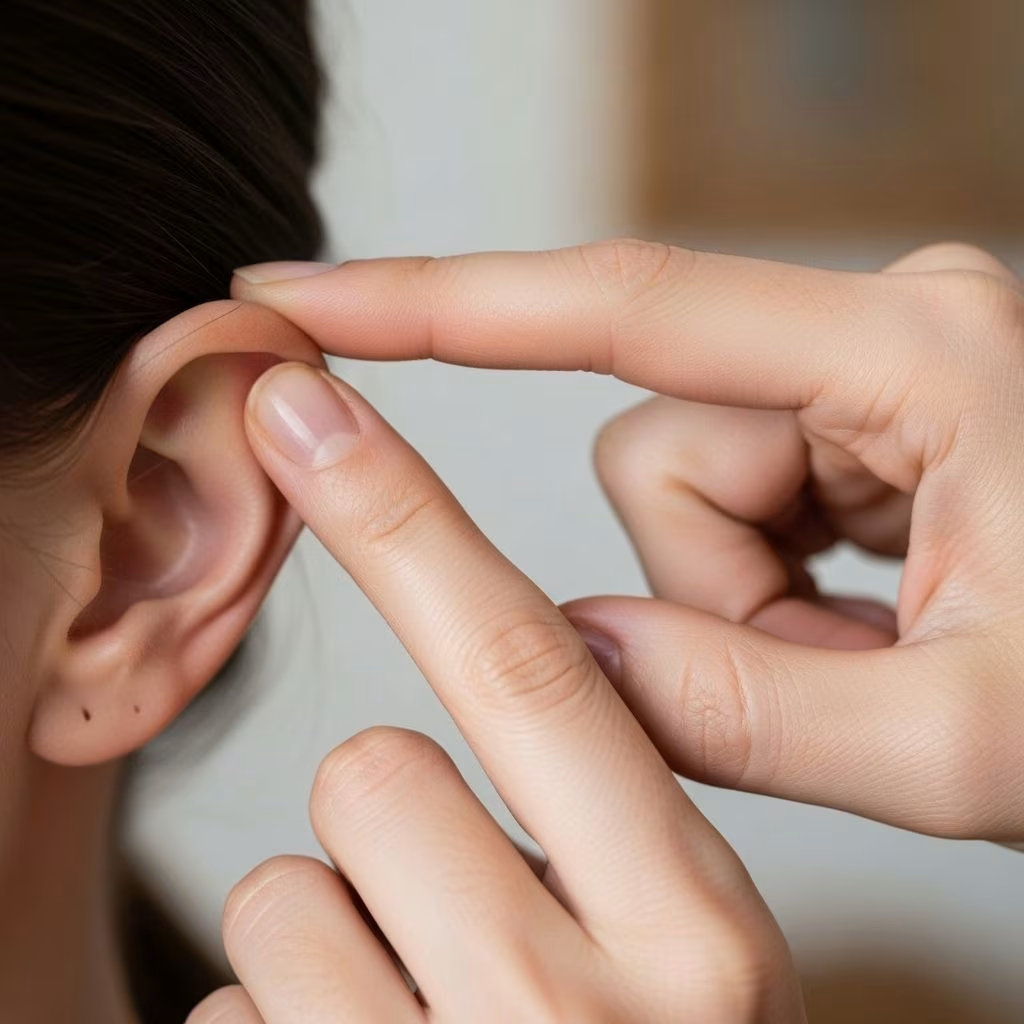
1. Ear Point (Shen Men / Appetite Control Point)
This point is located on the inner ear, at the center of the triangular fossa (the small depression above the ear canal). Stimulating the Shen Men/acupressure point may help calm the mind, lessen emotional stress, and regulate appetite.
- Locate the tip of your ear’s triangular fossa just above the canal opening.
- With your index finger, gently massage this spot with small circular motions for 1-2 minutes on each ear.
- Breathe deeply while pressing, focusing on the sensation of tension melting away.
Tip: Use this point right before potentially triggering situations, such as dining out, during parties, or when food cravings emerge due to stress.
2. Upper Lip Point (Governing Vessel 26 / Ren Zhong)
Found in the groove between the upper lip and the nose, this point is commonly stimulated in both acupuncture and acupressure for relief from sudden cravings and impulsive eating. It’s said to help restore emotional equilibrium and foster self-control during moments of temptation.
- Place your index finger midway between your upper lip and the base of your nose.
- Apply steady but gentle pressure for 1 minute while breathing slowly and evenly.
- Release, and repeat if needed to diminish the urge to eat impulsively.
Tip: This acupoint is especially effective if you tend to eat in reaction to strong emotions or during stressful moments.
3. Elbow Point (Large Intestine 11 / Crook of the Arm)
This acupoint lies on the outer crease of your elbow, at the end of the crease formed with your arm is bent. Traditionally, stimulating this point is thought to regulate metabolism and promote digestive health, helping your body reset and manage food cravings more effectively.
- Bend your arm so that your palm faces you.
- Press the outer end of your elbow crease with your thumb or forefinger in a circular motion for 60 seconds on each side.
- Pair this with slow, conscious breaths and repeat as needed during periods of craving or after meals to support digestion.
Tip: Try using this point alongside gentle stretches or a walk to further assist digestion and reduce post-meal discomfort.
When to Use Acupressure for Overeating
Acupressure can be incorporated into your daily routine or used as-needed, especially during times when you:
- Feel overwhelmed by cravings or emotional hunger
- Are about to enter a social situation with abundant food
- Notice patterns of mindless snacking in front of screens or late at night
- Experience digestive discomfort due to overeating
Pairing acupressure with mindful breathing, healthy lifestyle changes, and emotional support can yield the best outcomes for lasting appetite control.
Scientific Insights: What Does Research Say?
While acupressure is based on centuries-old wisdom, modern science is still exploring exactly how and why it may work. Studies point toward several potential benefits:
- Reduced stress response: Acupressure and similar therapies may lower cortisol, the hormone linked to emotional eating and fat storage.
- Support for digestive regulation: Stimulating certain acupoints can enhance gastrointestinal motility, relieve bloating, and improve feelings of fullness after meals.
Although more clinical research is needed, anecdotal evidence and preliminary studies suggest that these techniques can complement mindful eating practices and support healthy weight management.
Mindful Habits to Prevent Overeating
Acupressure can be most effective when combined with other mindful and healthy behaviors:
- Eat slowly and attentively: Allow your body time to register fullness (it often takes 20 minutes for the brain to catch up to your stomach).
- Limit distractions during meals: Avoid television, smartphones, and computers at the dining table.
- Manage stress proactively: Incorporate meditation, exercise, or social support to reduce emotional triggers for overeating.
- Prioritize fiber-rich foods: Vegetables and whole grains help slow digestion and promote satiety.
- Practice self-compassion: Recognize that occasional overeating is common and not a cause for shame—focus on gentle self-care and learn from your experiences.
Frequently Asked Questions (FAQs)
Q: Can acupressure replace medical or nutritional treatment for binge eating or obesity?
No, acupressure is not a substitute for medical or psychological care in cases of disordered eating or clinical obesity. It can be used as a complementary, self-care strategy, but persistent overeating should be discussed with a healthcare provider or registered dietitian.
Q: How often should I practice acupressure for appetite control?
It’s safe to use these points several times a day. Many find it helpful to apply gentle pressure before meals, during cravings, or before situations that tend to trigger overeating habits.
Q: Are there risks or side effects with acupressure?
Acupressure is generally safe for self-care. Avoid using strong pressure or stimulating points over cuts, bruises, inflamed skin, or areas with varicose veins. If you have any health concerns, speak to your provider first.
Q: How long does it take to see results?
Some people experience immediate reductions in stress or cravings, while others may need consistent practice over several weeks. Combining acupressure with other mindful eating habits increases the likelihood of lasting change.
Q: Can children or teens use these acupressure points?
Yes, these points are gentle enough for most people, including older children and teens. Encourage mindful, gentle pressure and supervision as needed for younger ages.
Quick Comparison: Acupressure vs. Other Overeating Strategies
| Technique | Benefits | Considerations |
|---|---|---|
| Acupressure | Easy, non-invasive, can relieve cravings and stress | Works best combined with lifestyle changes; no instant cure |
| Mindful Eating | Promotes long-term changes, enhances awareness | Requires consistent practice to make habits stick |
| Eliminating Trigger Foods | Reduces temptation, simplifies decisions | May not address emotional roots; can lead to feeling deprived |
| Stress Management (meditation, support) | Lowers overall craving triggers, improves mood | Takes time to master, individual results may vary |
Conclusion
Acupressure is a simple, empowering tool you can use to manage the urge to overeat, especially when fueled by stress or emotional triggers. By regularly incorporating these pressure points into your wellness routine—alongside mindful eating, stress management, and gentle self-care—you can gradually retrain your mind and body toward balanced, mindful nourishment.
Remember: Overeating is a common struggle, and overcoming it is a journey. Honor your progress and practice patience with yourself as you find the blend of techniques that works best for your unique needs.
References
- https://www.health.harvard.edu/staying-healthy/why-stress-causes-people-to-overeat
- https://my.clevelandclinic.org/health/diseases/24680-overeating
- https://www.prevention.com/weight-loss/a20500235/intermittent-fasting/
- https://www.prevention.com/health/a20478518/acupressure-for-energy/
- https://pmc.ncbi.nlm.nih.gov/articles/PMC6617497/
- https://www.prevention.com/health/health-conditions/a34634228/eating-disorders-older-women/
- https://pmc.ncbi.nlm.nih.gov/articles/PMC7717829/


