


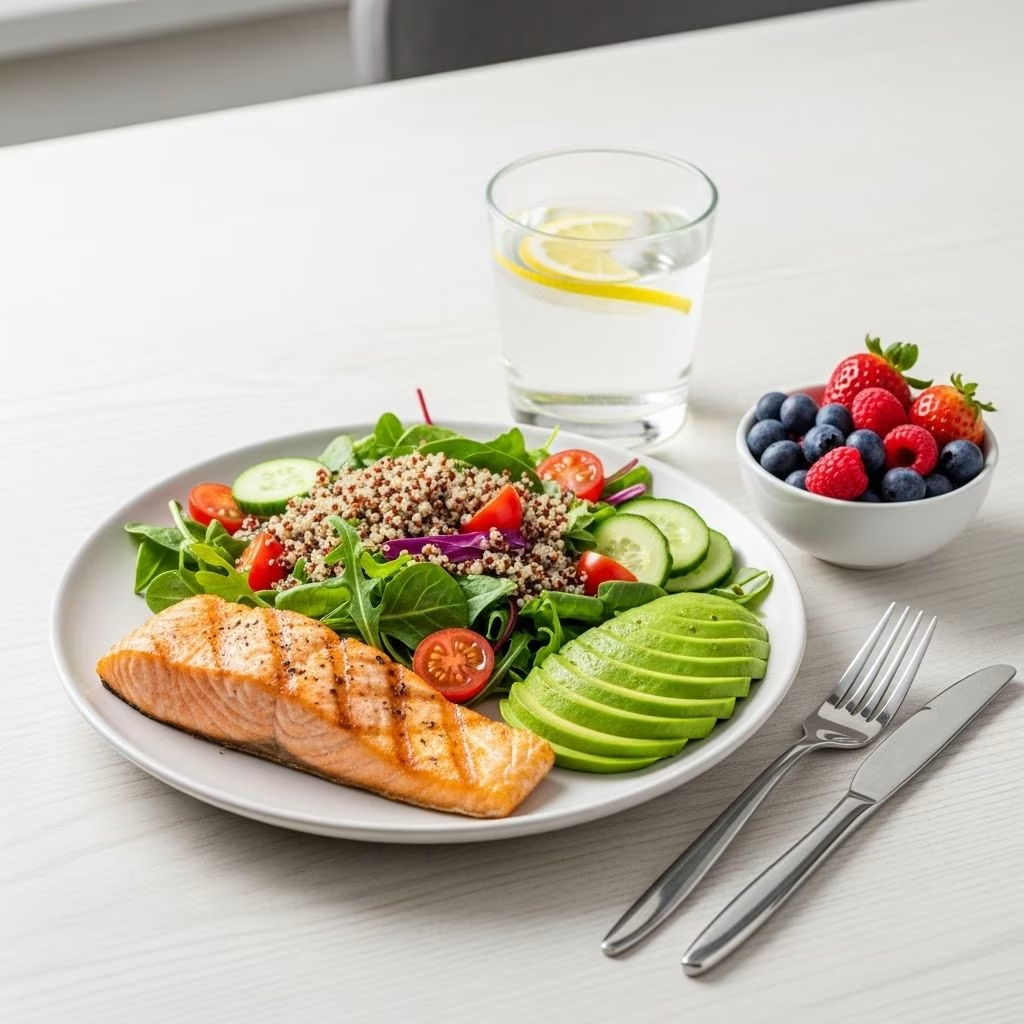
The Best and Healthiest Diets for 2025
Choosing a diet often feels overwhelming, but nutrition experts and extensive research consistently point to a handful of dietary patterns that stand out for overall health benefits, weight loss, disease prevention, and sustainable habits. This guide draws on expert evaluations and scientific studies to present the top-rated diets of 2025, explain their pros and cons, and offer practical advice to help you find the right diet for your lifestyle.
Why Diet Quality Matters
Modern research proves that the quality of what you eat is as important as how much you eat. The best diets focus on whole foods, plant-based options, healthy fats, and minimizing processed foods and excess sugar—principles that assist in weight management, support heart health, reduce inflammation, and lower the risk of chronic diseases like diabetes, heart disease, and cognitive decline.
Top Diets for 2025
U.S. News & World Report and other health authorities rate dozens of diets, but a few consistently rank at the top. Here are the diets making headlines and earning gold-standard recommendations from nutritionists:
Mediterranean Diet
The Mediterranean diet remains the leader for overall wellness, weight management, heart health, and healthy aging. Inspired by traditional eating patterns from Greece, Italy, and Spain, its hallmarks include:
- Abundant fruits and vegetables
- Whole grains, beans, and legumes
- Healthy fats from olive oil, nuts, and seeds
- Frequent fish and seafood (especially fatty fish)
- Limited red meat and sweets
- Meals enjoyed with family and friends
- Daily physical activity
Studies link this diet to longer lifespans, improved heart and brain health, reduced inflammation, and balanced blood sugar.
DASH Diet
The DASH (Dietary Approaches to Stop Hypertension) diet is designed to lower blood pressure, cholesterol, and support healthy weight. Key principles include:
- Low sodium intake (goal: 1500–2300 mg/day)
- Plenty of fruits and vegetables
- Lean meats and seafood
- Whole grains, nuts, and seeds
- Limited saturated fat
DASH is especially effective for heart health and is similar to the Mediterranean diet, but with a stronger focus on controlling sodium.
MIND Diet
The MIND diet combines elements of the Mediterranean and DASH diets, with particular emphasis on brain health. Research shows it may help lower the risk of Alzheimer’s and other cognitive issues. Featuring:
- Lots of green leafy vegetables, whole grains
- Berries, nuts, lean proteins
- Beans and legumes
- Limits on red meat and cheese, and rare indulgence in sweets or fried foods
Its emphasis on nutrient-dense, high-fiber foods promotes satiety and supports healthy weight along with cognitive function.
Atlantic Diet
Based on traditional eating patterns from northwestern Spain and Portugal, the Atlantic diet is gaining recognition for heart health and metabolic syndrome management. The diet highlights:
- Seasonal, fresh seafood and fish
- Vegetables, fruits, legumes, whole grains
- Healthy fats and moderate dairy
- Cooking methods like grilling, baking, and steaming with olive oil
High fiber, protein, and healthy fats support satiety and sustainable weight loss. Studies show reductions in metabolic syndrome and inflammation.
Flexitarian Diet
A flexitarian diet encourages mostly plant-based eating but allows occasional meat or fish. It’s praised for its sustainability and effectiveness for weight loss and disease prevention:
- Emphasis on plants, whole grains, legumes, nuts, seeds
- Moderate animal protein
- Flexible approach reduces feelings of restriction
Ideal for those seeking a balance between vegetarian benefits and omnivore variety.
Pescatarian Diet
The pescatarian diet features plant-based meals with seafood as the primary animal protein:
- Rich in omega-3s, vitamin D, and protein
- Supports heart health, healthy aging
- Low in saturated fats
- Flexible and easy to maintain
Healthy preparation is important—opt for grilling, baking, or steaming fish to avoid excess saturated fat.
WW (Formerly Weight Watchers)
WW (formerly Weight Watchers) is a longstanding favorite for weight loss, prioritizing moderation, flexibility, and a points system personalized to individual goals:
- Tracking system awards points to foods based on calories and nutrient density
- No banned foods
- Group support and coaching available
- Encourages gradual, sustainable changes
Consistently ranks among the most successful commercial plans for weight management.
Vegetarian Diet
The vegetarian diet excludes meat but includes plant foods, dairy, and eggs. Benefits include:
- Lower saturated fat
- Rich in fiber, vitamins, minerals
- Linked to lower chronic disease risk
- Helps control weight
May require careful planning for adequate protein, iron, vitamin B12, and omega-3 intake.
Vegan Diet
Vegan diets eliminate all animal products, focusing entirely on plant foods. Advantages:
- Low cholesterol and saturated fat
- Rich in nutrients from fruits, vegetables, grains, nuts, seeds, and legumes
- Potential for reduced risk of certain cancers, heart disease
Needs careful supplementation (B12, iron, calcium, omega-3s).
AHEI Diet for Healthy Aging
The Alternative Healthy Eating Index (AHEI) is a scoring system developed by Harvard researchers; it ranks dietary choices by their impact on chronic disease risk and healthy aging. It prioritizes:
- More plant-based foods
- Vegetables, whole grains, nuts, legumes, healthy fats
- Fish and moderate poultry/dairy
- Low processed foods
Strongly correlated with better cognitive, physical, and mental aging outcomes.
Comparison Table: Diets at a Glance
| Diet | Key Features | Top Benefit | Potential Challenges |
|---|---|---|---|
| Mediterranean | Fruits, vegetables, grains, olive oil, fish | Lowers disease risk, supports healthy aging | Might be higher fat; seafood emphasis |
| DASH | Low sodium, lean proteins, grains, produce | Lowers blood pressure | Sodium restriction may be tough initially |
| MIND | Berries, leafy greens, grains, nuts | Protects brain health | Sugar and cheese limits |
| Atlantic | Seafood, veggies, olive oil, seasonal freshness | Heart and metabolic health | Relies on seafood access; moderate dairy |
| Flexitarian | Mostly plants, some meat/fish | Balanced, manageable flexibility | May need protein planning |
| Pescatarian | Plants + seafood, limited animal fat | Omega-3s, heart health | Mindful of mercury in fish |
| WW | Points system, support network | Weight loss, lifestyle habits | Requires tracking; membership fees |
| Vegetarian | No meat, dairy/eggs allowed | Reduces chronic disease risk | B12, iron, omega-3 sources may be needed |
| Vegan | 100% plant-based | Very low cholesterol, anti-inflammatory | Requires careful planning and supplements |
How to Choose a Diet that Works for You
- Identify your main health goal—weight loss, heart health, cognitive support, or overall wellness.
- Review dietary restrictions or preferences—vegetarian, vegan, low sodium, etc.
- Consider sustainability—choose a pattern you can enjoy long-term, not just a short fad.
- Use rating guides—expert ratings (like those from U.S. News) incorporate nutrition science, ease of following, and disease prevention.
- Consult a healthcare provider—especially if you have chronic conditions or specific nutritional needs.
Remember: No single diet is perfect for everyone. The best choice supports your lifestyle, health goals, and food enjoyment.
Frequently Asked Questions (FAQs)
Q: What is the healthiest diet overall?
A: The Mediterranean diet consistently receives top ratings for overall health, longevity, and disease prevention. It balances a variety of whole foods, healthy fats, and social eating habits.
Q: Which diet is best for weight loss?
A: Weight loss success comes from sustainable, balanced patterns. WW (Weight Watchers) ranks high for its flexibility and support, while Mediterranean and flexitarian diets also promote gradual, healthy weight reduction.
Q: What diet helps with heart health?
A: Both Mediterranean and DASH diets have strong evidence for lowering cholesterol and blood pressure—and the Atlantic diet also supports heart and metabolic wellness.
Q: Is it necessary to avoid all carbs for health?
A: No. The healthiest diets include whole grains and fiber-rich carbohydrate sources. Avoiding processed, refined carbs is more important than eliminating all carbs.
Q: How much protein should I get on a plant-based diet?
A: Combine foods like beans, lentils, nuts, soy, quinoa, and whole grains to meet protein needs. Pescatarian and flexitarian approaches offer additional options.
Q: What should I watch out for when following a vegan or vegetarian diet?
A: Ensure sufficient vitamin B12, iron, calcium, and omega-3 fatty acids—may require supplements or fortified foods.
Expert Tips for Success
- Prioritize whole foods—minimize highly processed options
- Include variety—eat colorfully with fruits, veggies, grains, nuts, and lean proteins
- Stay hydrated—water and herbal teas help appetite regulation
- Track your habits—journaling or apps can boost consistency
- Make gradual changes for long-term success—aim for habit building, not perfection
Resources for More Information
- U.S. News & World Report annual diet ratings
- American Heart Association nutritional guidelines
- Academy of Nutrition and Dietetics
- Consultation with registered dietitians or healthcare professionals
In Summary
The best diets of 2025 share common ground: a foundation in whole, unprocessed foods; rich in plant-based nutrients; moderate in healthy fats; and flexible enough to suit a variety of personal settings. Diets like the Mediterranean, DASH, MIND, Atlantic, flexitarian, and pescatarian set the standard—delivering not only weight loss but lasting wellness for mind and body.
References
- https://www.prnewswire.com/news-releases/us-news-releases-the-2025-edition-of-best-diets-302341561.html
- https://www.prevention.com/weight-loss/diets/a63174975/best-diets-for-weight-loss-2025/
- https://www.ksl.com/article/51221597/2025s-best-diet-wins-gold-for-wellness-and-disease-prevention
- https://www.prevention.com/food-nutrition/healthy-eating/a64297964/healthy-aging-diet-study/
- https://www.nature.com/articles/s41591-025-03570-5
- https://www.etsy.com/listing/1862811477/prevention-mediterranean-diet-2025
- https://www.medicaleconomics.com/view/best-diets-of-2025-how-and-what-to-eat-for-a-healthy-year


