


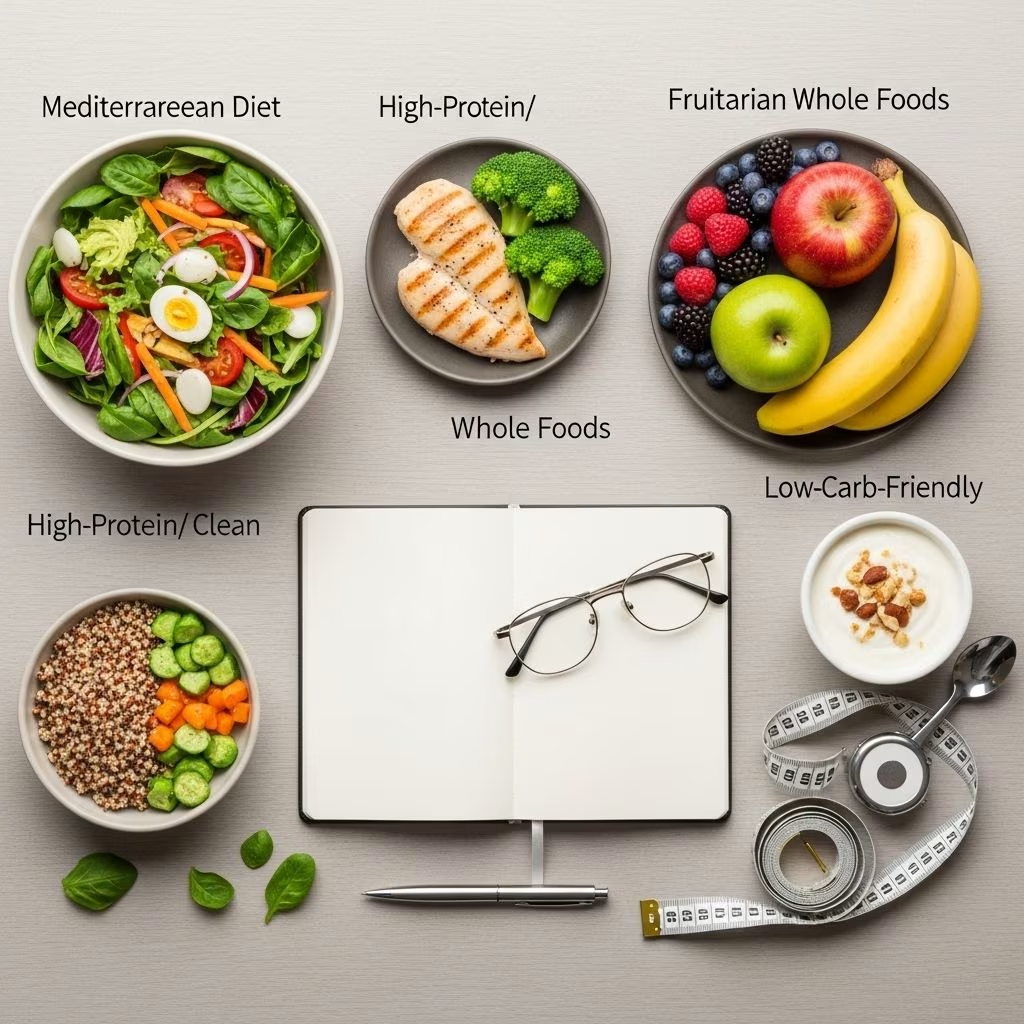
If you’re setting healthy living or weight loss as your goal this year, you’re not alone. Every January, U.S. News & World Report assembles a panel of health and nutrition experts to evaluate dozens of popular diets, rigorously scoring each based on safety, ease of adherence, nutritional completeness, and effectiveness for weight loss and disease prevention. The result: a comprehensive ranking that illuminates which diets truly stand up to the scrutiny of science and real-world success.
For 2019, the Mediterranean diet once again took the top spot, with several other flexible, well-studied plans rounding out the top five. Below, we break down the core principles, health advantages, and typical meal choices of each high-ranking diet, followed by practical tips on how to get started and answers to common diet questions.
How the Diets Were Ranked
The panel evaluated 41 diets using a set of criteria that included:
- Short-term and long-term weight loss
- Ease of following the plan
- Nutrition completeness and safety
- Potential to prevent cardiovascular disease and diabetes
Diets that scored highly tended to emphasize balance, long-term sustainability, and proven health benefits, while extreme or highly restrictive diets ranked lower. Here are the standout contenders for 2019:
1. Mediterranean Diet
The Mediterranean diet once again led the pack, earning the distinction of being not just the best overall diet, but also the easiest to follow and the healthiest for both the heart and diabetes risk reduction.
- Core principles: Centered around fruits, vegetables, whole grains, legumes, nuts, seeds, olive oil, fish, and moderate dairy. Limits added sugars, red meat, and processed foods.
- Health benefits: Linked to a lower risk of heart disease, cancer, diabetes, and improved brain function. Studies show this eating pattern can decrease LDL (“bad”) cholesterol and reduce overall mortality risk.
- Sample day:
- Breakfast: Greek yogurt with berries and walnuts
- Lunch: Salad with leafy greens, tomatoes, chickpeas, cucumber, feta, and olive oil
- Dinner: Grilled fish with roasted vegetables and a side of whole grain bread
- Snack: Fresh fruit or a handful of almonds
- Why it works: Focuses on whole foods, healthy fats, and a flexible approach that can evolve into a lifestyle rather than a “diet.” Many adherents report increased energy and satisfaction.
2. DASH Diet
DASH stands for Dietary Approaches to Stop Hypertension. Originally developed to help manage blood pressure, it’s now recognized for supporting overall health and sustainable weight loss as well.
- Core principles: Prioritizes vegetables, fruits, whole grains, low-fat dairy, lean proteins (such as fish and poultry), and nuts. Strictly limits sodium, red meat, sweets, and sugary beverages.
- Health benefits: Proven to lower blood pressure, with evidence showing positive effects on cholesterol and long-term heart health. Can also help with diabetes management and weight control.
- Sample day:
- Breakfast: Oatmeal with banana and skim milk
- Lunch: Turkey and spinach whole-grain wrap, carrot sticks
- Dinner: Baked salmon, steamed broccoli, quinoa
- Snack: Unsalted nuts or apple slices
- Why it works: Emphasizes nutrient-dense foods high in potassium, calcium, and magnesium—key minerals for lowering blood pressure—while keeping sodium intake low.
3. Flexitarian Diet
Flexitarian, a combination of “flexible” and “vegetarian,” caters to those looking to reap the benefits of plant-based eating without fully giving up meat or animal products.
- Core principles: Encourages a mostly vegetarian diet with occasional inclusion of meat, fish, or poultry. Focuses on fruits, vegetables, whole grains, legumes, and plant proteins, but does not prohibit animal products.
- Health benefits: Associated with reduced risk of heart disease, type 2 diabetes, certain cancers, and effective weight loss. Supports gut health and nutrient diversity.
- Sample day:
- Breakfast: Tofu scramble with peppers and spinach
- Lunch: Lentil soup with whole-grain bread
- Dinner: Stir-fry with mixed vegetables and a small amount of chicken
- Snack: Hummus and sliced bell peppers
- Why it works: By not being overly restrictive, the Flexitarian diet offers flexibility and helps people stay on track long-term while still supporting significant health improvements.
4. MIND Diet (Tie)
The MIND diet (Mediterranean-DASH Intervention for Neurodegenerative Delay) combines elements of the Mediterranean and DASH diets to boost brain health and protect against cognitive decline.
- Core principles: Focuses on foods shown to help brain health—green leafy vegetables, all vegetables, berries, nuts, whole grains, olive oil, fish, beans, poultry, and wine (in moderation). Recommends limiting red meats, butter and margarine, cheese, pastries, and fried foods.
- Health benefits: Clinical evidence suggests lowered risk of Alzheimer’s disease and improved cognitive function in aging adults. Also supports cardiovascular health.
- Sample day:
- Breakfast: Oatmeal with blueberries and walnuts
- Lunch: Spinach salad with beans, berries, and seeds
- Dinner: Grilled chicken, roasted sweet potato, steamed greens
- Snack: A small glass of red wine and nuts
- Why it works: Combines two of the most researched healthy eating patterns with an emphasis on brain-nourishing foods and scientific validation for cognitive benefits.
4. WW (Weight Watchers) (Tie)
WW—the new name for Weight Watchers—remains a popular commercial diet because of its supportive structure and focus on holistic health.
- Core principles: Uses a smart points system to assign values to foods based on calories, sugar, saturated fat, and protein. Higher nutritional value foods receive fewer points. Flexibility is high, as there are no prohibited foods.
- Health benefits: Demonstrated efficacy for both short-term and long-term weight loss. Encourages sustainable habits like mindful eating, regular self-monitoring, and social support.
- Sample day:
- Breakfast: Scrambled eggs with spinach and tomatoes
- Lunch: Grilled shrimp salad with avocado and citrus
- Dinner: Baked turkey breast with wild rice and green beans
- Snack: Plain popcorn or low-fat Greek yogurt
- Why it works: Allows dieters flexibility to eat a variety of foods while providing structure and accountability through tracking and group meetings.
Other Notable Diets
While the above plans topped the expert panel’s rankings, several others attracted attention in 2019:
- Nordic diet: Debuted in the top 10, similar to Mediterranean, but with emphasis on root vegetables, rye bread, berries, fatty fish, and rapeseed oil, inspired by Scandinavian food traditions.
- Keto diet: Despite its popularity for fast weight loss, the ketogenic diet ranked low for long-term health and sustainability due to nutrient imbalances, possible health risks, and difficulty in adherence.
- Dukan diet: Scored at the bottom for being overly restrictive, difficult to follow, and lacking scientific backing for long-term safety.
Comparison Table: Top 5 Diets of 2019
| Diet | Core Principle | Main Health Benefit | Flexibility |
|---|---|---|---|
| Mediterranean | Plant-forward, healthy fats, moderated animal products | Heart and metabolic health | High |
| DASH | Low sodium, lean proteins, nutrient-rich | Blood pressure management | Moderate |
| Flexitarian | Mostly vegetarian, occasional meat/fish | Weight loss & chronic disease prevention | High |
| MIND | Brain-healthy, blend of DASH & Mediterranean | Reduces cognitive decline risk | Moderate |
| WW | Points-based food tracking | Long-term weight loss | High |
Why Balanced, Evidence-Based Diets Win
The experts’ consistent endorsement of flexible, evidence-based plans—like Mediterranean, DASH, and Flexitarian—emphasizes a key lesson: Long-term health is built through balance, not restriction. These leading diets have:
- Strong backing from clinical studies and decades of research
- An emphasis on whole foods over processed and refined products
- Clear, manageable guidelines that can adapt to individual preferences
- Documented benefits ranging from improved cardiovascular outcomes to reduced cognitive decline and effective, sustainable weight management
By avoiding “quick fix” promises, these diets position themselves for real-world success.
Frequently Asked Questions (FAQs)
Q: Are these diets suitable for people with food allergies or sensitivities?
A: Most top-ranked diets are adaptable for allergies and sensitivities, though it’s always wise to consult a registered dietitian for meal customization.
Q: Can these diets help with weight loss?
A: Yes, each of these plans supports healthy weight management. The Mediterranean, Flexitarian, and WW diets in particular are recognized for facilitating gradual, sustainable fat loss when combined with mindful portion control and regular activity.
Q: How soon do health benefits appear?
A: Some improvements—like reduced blood pressure on the DASH diet—may occur in a few weeks. Other benefits, such as lowered risk of chronic disease, build progressively over months or years.
Q: Which diet is easiest to follow long-term?
A: The Mediterranean and Flexitarian diets typically rank highest for ease and satisfaction, as they offer flavor variety and fewer restrictions, supporting lifestyle change rather than a temporary regimen.
Q: Is there a ‘one best diet’ for everyone?
A: No single diet is perfect for all individuals. The most effective diet is one that you can maintain long-term, matches your health needs, personal preferences, and lifestyle, and is supported by reputable research.
Tips for Getting Started with a Top-Ranked Diet
- Start small: Add a serving of vegetables or switch refined grains for whole grains at each meal.
- Stock your pantry: Keep basics like beans, brown rice, olive oil, and frozen vegetables on hand for quick meals.
- Limit processed foods: Replace sugary snacks or packaged meals with simple, unprocessed options.
- Find support: Consider joining a group, enrolling in a commercial program like WW, or using a food tracking app to stay motivated.
- Treat setbacks as learning opportunities: Consistency is key, but slip-ups are part of the process. Flexibility helps build lasting habits.
Whether your goal is heart health, mental clarity, weight loss, or simply feeling your best, following a balanced, research-backed plan recommended by experts is a powerful first step. Review the major guidelines of each, experiment with recipes, and embrace gradual, sustainable change for lasting results.


