


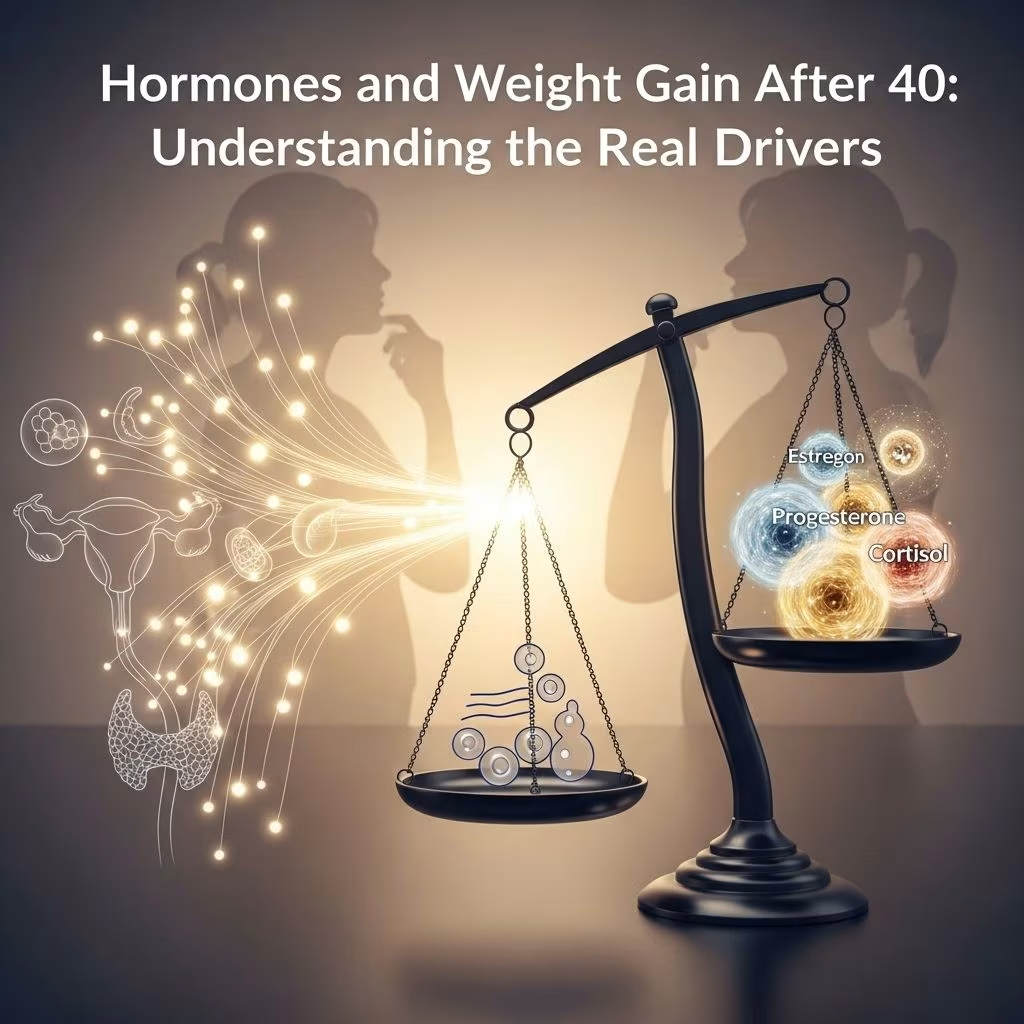
Hormones and Weight Gain After 40: What You Need to Know
Reaching your forties often marks a turning point in how your body manages weight. Many women discover that maintaining (or losing) weight becomes more challenging, even when diet and activity habits remain unchanged. But why does this happen? The answer lies—at least partly—within your hormones. This article explores how shifts in estrogen, rising cortisol from stress, and disrupted sleep conspire to shape your weight after 40, and what you can do about it.
The Role of Stress: Cortisol in Midlife
Midlife frequently brings increased stress: kids preparing for college, caretaking for aging parents, career transitions, or coping with divorce or death. These situations elevate cortisol, often called the “stress hormone.” When cortisol surges frequently, it drives your appetite toward sugary and high-calorie foods, which contribute to gaining weight, especially around your midsection.
Beyond psychological stressors, perimenopausal symptoms—like hot flashes, insomnia, and irregular periods—further target your hormonal balance. These can amplify stress, setting off a feedback loop where increased cortisol triggers more food cravings and deposits additional abdominal fat cells.
- Cortisol increases appetite and sugar cravings, leading to weight gain.
- Chronic stress makes your body prioritize fat storage, especially in the belly.
- Perimenopausal symptoms can make stress harder to handle, intensifying cortisol surges.
Estrogen: Changing Distribution of Body Fat
Starting in your mid- to late forties, estrogen levels naturally decline. Interestingly, decreased estrogen does not directly slow your metabolism, but it changes the way your body stores fat. Some women find that, even without a significant weight increase, their body shape shifts—often developing more abdominal fat (the infamous “muffin top”).
Estrogen also exerts powerful effects on sleep, mood, and overall well-being. Its drop can lead to sleep fragmentation, increased stress response, and alterations in eating patterns.
- Lower estrogen redistributes fat to the abdominal area, even when total weight remains stable.
- Indirectly promotes weight gain by disrupting sleep and lowering mood.
- Affects appetite regulation and may encourage overeating.
Sleep Deprivation: The Hidden Saboteur
Sleep is more than restorative: it’s a metabolic regulator. After 40, sleep often becomes elusive due to hormonal fluctuations and the demands of daily life. Nighttime hot flashes, anxiety, or even just tossing and turning can chip away at sleep quality. The consequences ripple throughout your metabolism and appetite controls.
How Poor Sleep Drives Weight Gain
- Ghrelin (the hunger hormone) increases after sleep loss, sparking greater appetite for high-carb, calorie-dense foods.
- Leptin (the satiety hormone) decreases, making it harder to feel full.
- Even brief periods of sleep deprivation can negatively impact your metabolism.
- Fatigue makes nutritious choices and exercise less appealing.
Adults should strive for at least seven hours of sleep per night. Yet, about 35% routinely get less, setting the stage for weight difficulties.
Practical Sleep Strategies
- Prioritize sleep hygiene: regular schedule, limited screens at night.
- Treat symptoms (hot flashes, anxiety) that disrupt sleep.
- Seek professional help if insomnia persists.
Why Metabolism Changes—but Not Always How You Think
| Factor | Impact on Weight Gain | Management Tips |
|---|---|---|
| Estrogen Decline | Shifts fat storage to the abdomen; disrupts sleep | Manage with sleep and stress awareness, possible hormone therapy |
| Cortisol Surge | Increases cravings for unhealthy foods; raises abdominal fat | Minimize stress, employ relaxation techniques, increase self-care |
| Sleep Deprivation | Raises appetite hormones; reduces metabolic efficiency; encourages high-calorie eating | Prioritize sleep hygiene and address menopause symptoms |
Hormone Therapy (HT) and Weight Management
Hormone replacement therapy (HRT/HT) has undergone scrutiny regarding its effect on weight after menopause. Some women worry HT leads to weight gain, but research reveals the opposite:
- HT/HRT is weight-neutral: studies show that initiating HT does not cause weight gain or increase adiposity.
- HT supports better sleep, boosts energy and mood, all of which facilitate exercise and healthy choices.
- HT may decrease abdominal fat, sustain muscle mass, and improve metabolic health, but the magnitude of these changes is modest.
- Fluid retention, not fat, may explain any perceived weight increase with HT.
- Women with bothersome menopausal symptoms should discuss HT with a physician, as it may also protect against heart disease, dementia, and osteoporosis.
Dietary Choices: Why Old Habits May No Longer Work
Many midlife women report, “I eat the way I always did, but now I gain weight.” That’s because metabolism slows naturally as you age, reducing daily calorie requirements. Overshadowing strict calorie counts, focus on overall diet quality:
- Emphasize whole foods—vegetables, lean proteins, healthy fats, whole grains.
- Cut back on processed sugars, sodas, white bread, and excess alcohol.
- Limit high-glycemic fruits and juice, which spike blood sugar.
- Be alert to hidden sugars and refined carbs, even in “healthy” foods.
- Moderate, not eliminate, carbs for stable energy and mood.
- Increase antioxidant and fiber intake for gut health and appetite satiety.
Are Weight-Promoting Medications a Concern?
Some medications taken during menopause—for mood or sleep issues—may promote weight gain. Whenever possible, seek “weight-neutral” prescriptions.
- Recommended: venlafaxine, desvenlafaxine, oxybutynin, fezolinetant.
- To avoid for weight-conscious women: gabapentin, clonidine, paroxetine, citalopram, escitalopram.
Exercise: Move More, Build Muscle
Physical activity becomes increasingly vital after 40. Regular movement not only helps burn calories, but also regulates stress, improves sleep, and maintains muscle mass. As natural aging chips away at lean tissue, weight loss becomes harder—and regaining it easier—unless you stay active.
- Aim for at least 150–200 minutes of moderate aerobic activity (walking, cycling) per week.
- Include strength training exercises two times weekly to preserve or build muscle.
- Choose enjoyable activities (gardening, yoga, dancing) to stay motivated.
- Incremental increases in movement can yield substantial health dividends.
Other Lifestyle Strategies for Midlife Weight Control
- Manage stress through meditation, social support, hobbies, or therapy.
- Monitor alcohol intake: Alcohol calories add up quickly and disrupt sleep quality.
- Set realistic expectations: A small gain may be normal, focus on overall health markers (energy, mood, mobility).
- Seek support—from healthcare providers, friends, or support groups.
Frequently Asked Questions (FAQs)
Q: Why do I gain weight even though I eat the same foods as before?
Natural declines in metabolism and hormonal changes mean your body needs fewer calories. Estrogen loss, stress, and poor sleep amplify the effect, shifting fat toward your midsection.
Q: Can hormone therapy help me lose weight?
No, hormone therapy doesn’t cause weight loss, but managing menopausal symptoms with HT may promote healthier choices and better sleep, which indirectly support weight control. HT is weight-neutral and may modestly reduce abdominal fat.
Q: How much sleep do I really need to prevent hormonal weight gain?
Aim for at least seven hours per night. Lack of sleep increases hunger hormones and cravings for high-calorie foods, making weight management difficult.
Q: What kind of exercise is best after age 40?
Combine aerobic exercise (walking, biking) with strength training (resistance bands, weights) at least twice weekly to maximize metabolism and muscle mass.
Q: Does menopause make it impossible to lose weight?
Weight loss is harder in midlife thanks to hormonal changes, stress, and sleep issues, but with strategic lifestyle adjustments—focusing on sleep, movement, and balanced eating—successful weight management is achievable.
Key Takeaways and Next Steps
- Focus on sleep, not just calorie restriction: Address sleep problems before making major diet changes.
- Manage stress proactively: Lowering cortisol helps combat abdominal fat accumulation.
- Talk to your healthcare provider: If weight gain seems sudden or unexplainable, hormonal imbalance or medication side effects may play a role.
- Make gradual, sustainable changes: Shifts in activity and eating patterns may make a bigger difference than drastic, unsustainable diets.
Hormonal weight gain after 40 reflects your body’s changing landscape—not personal failure or lack of willpower. Understanding and addressing the interplay of hormones, stress, sleep, and lifestyle provides the foundation for effective, sustainable weight management through midlife and beyond.
References
- https://www.londonhormoneclinic.com/journal/midlife-weight-gain-and-what-to-do-about-it
- https://pmc.ncbi.nlm.nih.gov/articles/PMC11150086/
- https://www.prevention.com/weight-loss/a25647350/hormones-weight-gain-after-40/
- https://healthmatters.nyp.org/how-to-prevent-menopause-weight-gain/
- https://www.mayoclinic.org/healthy-lifestyle/womens-health/in-depth/menopause-weight-gain/art-20046058
- https://www.uchicagomedicine.org/forefront/womens-health-articles/2023/april/menopause-weight-gain-hormone-therapy
- https://www.uclahealth.org/news/article/midlife-weight-struggles-and-how-manage-them
- https://www.franciscanhealth.org/community/blog/why-is-it-harder-for-women-to-lose-weight-after-40
- https://pmc.ncbi.nlm.nih.gov/articles/PMC8373626/


