


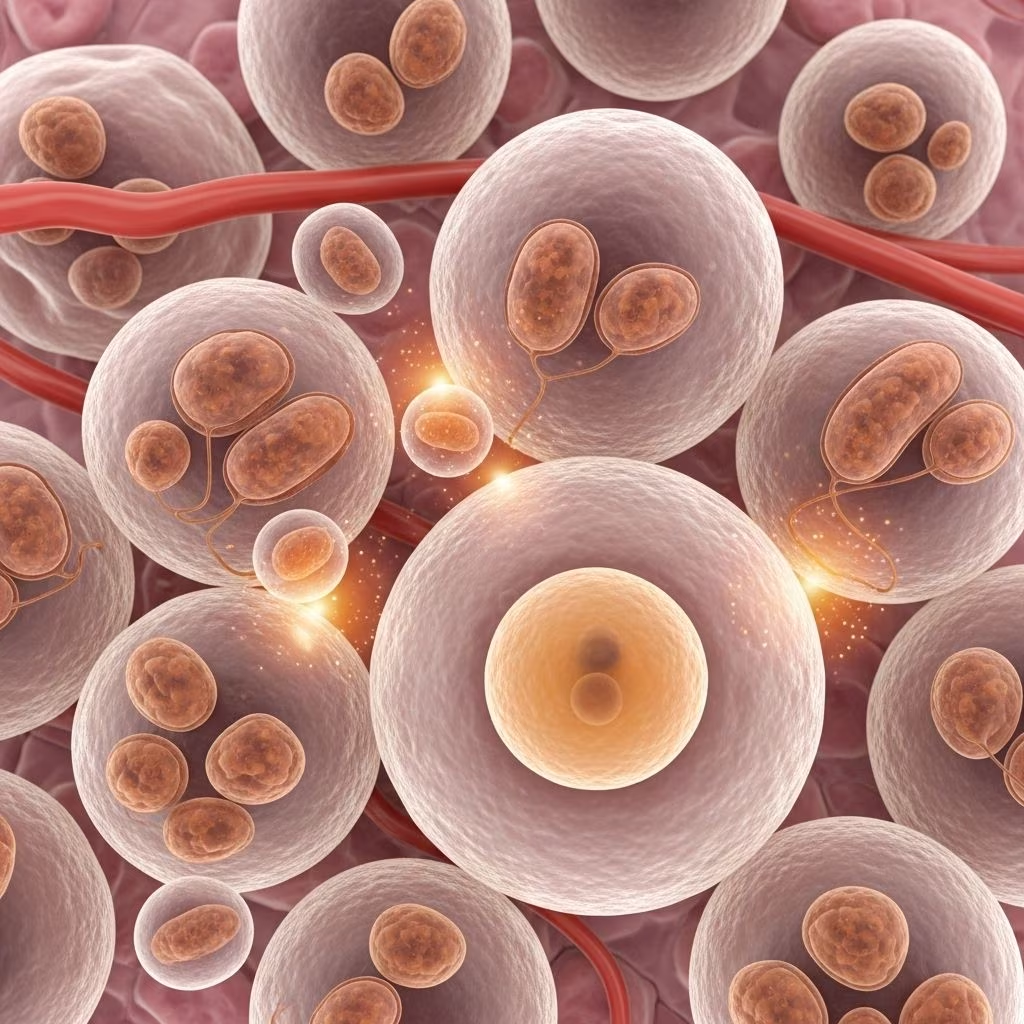
How Brown Fat Helps Burn More Calories
For decades, fat was simply seen as the enemy in the fight against obesity. Yet cutting-edge research now reveals that not all fat acts the same. Brown fat––unlike its white fat counterpart––holds remarkable calorie-burning abilities that could help support metabolism, weight management, and even lifelong health.
What is Brown Fat?
Brown adipose tissue (BAT), often called “brown fat,” is a unique form of body fat that generates heat by burning calories in a process known as thermogenesis. While most body fat is white (specialized for energy storage), brown fat’s evolutionarily conserved role is to help maintain core body temperature in cold conditions, particularly during infancy and hibernation.
- Brown fat is rich in mitochondria, giving it its characteristic color and maximized energy-burning potential.
- Primarily found in babies (to offset limited ability to shiver), but adults retain deposits, especially in the neck, upper back, and shoulders.
- Unlike white fat—which stores excess calories—brown fat actively burns energy to keep us warm and metabolically healthy.
Brown Fat vs. White Fat: What’s the Difference?
| Brown Fat (BAT) | White Fat (WAT) |
|---|---|
| Burns calories to generate heat (thermogenesis) | Stores excess energy as fat |
| Rich in mitochondria (brown color) | Few mitochondria (white/yellow color) |
| Mostly in neck, shoulders, upper back | Throughout the body (abdomen, hips, thighs) |
| Protects against obesity, improves metabolism | Linked with higher risk of metabolic disease |
How Does Brown Fat Burn Calories?
Brown fat cells function much like miniature power plants. The mitochondria inside brown fat are densely concentrated and contain a special protein called uncoupling protein 1 (UCP1). This protein allows the mitochondria to take in fat and sugar and “uncouple” energy production, so energy is lost as heat rather than being used to fuel body processes or stored.
- Thermogenesis: Brown fat burns calories by producing heat. This helps maintain body temperature, especially when exposed to cold environments.
- Brown fat can use both blood glucose and fat as fuel, lowering levels of these substances in the bloodstream.
- Research shows brown fat also helps manage levels of amino acids linked to type 2 diabetes risk.
Why Is Brown Fat Considered “Good Fat”?
Unlike white fat, which is often associated with obesity and related diseases, brown fat is metabolically protective:
- Reduces risk of metabolic and cardiovascular diseases: Activation of brown fat can help manage blood sugar, cholesterol, and overall metabolic health.
- Supports healthy weight management: By burning calories, brown fat can help create a calorie deficit—even when the body is at rest.
- Improves insulin sensitivity and glucose metabolism: Lowering the risk of conditions like type 2 diabetes.
How Much Brown Fat Do We Have?
For a long time, scientists believed that only infants and hibernating animals had brown fat. However, imaging studies have confirmed that adults retain small reserves of brown fat—roughly 50 grams or just under 2 ounces—mainly just above the clavicle and along the spine.
While this may sound like a trivial amount, estimates from research suggest that, if fully activated, these small pockets of brown fat could burn up to eight pounds of body fat per year!
Who Has More Brown Fat?
The amount of active brown fat declines with age, decreasing significantly from infancy to adulthood. Other factors influencing brown fat stores and activity include:
- Body weight: Leaner people tend to have more active brown fat.
- Age: The younger you are, the more brown fat you typically have.
- Genetics: Some individuals inherit a greater capacity for brown fat production and function.
- Environment: Chronic exposure to cold conditions can increase brown fat activity and even induce “beige” fat (white fat that functions like brown fat).
How to Activate Your Brown Fat
Given its calorie-burning superpower, researchers are searching for ways to stimulate brown fat in adults. Although drug-based options are still under investigation, several natural approaches have shown promise.
1. Cold Exposure
- Cold showers, baths, or outdoor winter walks may activate brown fat by forcing your body to generate extra heat.
- Even mild cold—like living in a cooler indoor environment—can ramp up the activity of brown fat and encourage “browning” of white fat cells.
2. Cryotherapy
- Whole-body or localized cryotherapy involves brief exposure to very cold temperatures in a special chamber or via ice baths. This can lead to adrenaline release, which stimulates brown fat and boosts metabolic rate.
- Benefits of activating brown fat via cryotherapy include improved weight management, energy, mood, and potentially increased insulin sensitivity.
3. Diet and Lifestyle Changes
- Some research suggests that compounds like capsaicin (from chili peppers) and catechins (from green tea) may support brown fat activation.
- Staying active and building muscle might indirectly influence brown fat by improving overall metabolic health.
4. Environmental and Behavioral Factors
- Living in stimulating environments—mental and physical—may promote higher brown fat activity. Research in mice shows that environmental enrichment leads to more fat-burning brown fat cells.
- Regular exposure to new activities, exercise, or outdoor climates may help keep brown fat active and beneficial.
Brown Fat and Weight Loss: Is It the Ultimate Fat-Burner?
The idea of harnessing brown fat for weight loss is enticing. Scientific interest increased after it was discovered adults have brown fat, and animal studies showed increasing brown fat helps mice lose weight and become more insulin-sensitive. Although direct evidence in humans is emerging, these findings are encouraging:
- Activating brown fat increases energy expenditure, even at rest.
- Brown fat may play a pivotal role in supporting healthy body composition over the long term.
- It could open doors to innovative obesity therapies in the future.
Still, researchers caution that relying solely on brown fat activation is not a magic bullet for weight loss. It needs to be combined with overall healthy habits, including balanced nutrition and regular exercise.
Future Directions: Can We Increase Brown Fat in Adults?
The ultimate goal is to find safe, effective strategies that boost brown fat’s presence and activity across the population. Some potential areas of research and development include:
- Medications and supplements that safely stimulate brown fat or convert white fat to beige fat.
- Personalized lifestyle advice (such as adaptive cold exposure) tailored to maximize individual brown fat stores.
- Looking into other physiological stimuli and hormones that can regulate brown fat in adults.
Brown Fat’s Role in Metabolic Health and Longevity
Beyond calorie burning, brown fat may deliver a wide range of metabolic benefits:
- Helps control blood sugar and insulin, lowering the risk of type 2 diabetes.
- May reduce dangerous lipid levels in the bloodstream, supporting cardiovascular health.
- Emerging research hints brown fat could protect against aging-related decline and support healthier longevity.
Frequently Asked Questions (FAQs)
What is the main function of brown fat?
Brown fat’s primary function is thermogenesis—burning calories to generate heat and maintain body temperature, especially in cold environments.
Do adults really have brown fat?
Yes, adults do have small but significant deposits of brown fat, particularly in the neck, upper back, and along the spine. While less abundant than in infants, it remains metabolically active and can be enhanced through cold exposure and other strategies.
Can you “turn on” your brown fat to lose weight?
Brown fat can be activated with cold exposure (such as cold showers, ice baths, or winter walks) and potentially via certain dietary compounds and lifestyle changes. While increasing brown fat activity supports calorie burning, the effect is moderate and works best when paired with overall healthy habits.
Are there health risks to activating brown fat?
For most healthy people, naturally activating brown fat through brief cold exposure is safe, though it may not be suitable for those with certain cardiovascular or cold-sensitive conditions. Always consult your doctor before trying intense cold therapy or cryotherapy.
What role does brown fat play in metabolism beyond burning calories?
Besides thermogenesis, brown fat helps regulate amino acid levels, glucose, and cholesterol in the bloodstream, reducing the risk of type 2 diabetes and metabolic syndrome. This makes it important for maintaining metabolic health across the lifespan.
Quick Tips to Boost Brown Fat Activity
- Take short cold showers or finish your regular shower with cold water.
- Include spicy foods (like chili peppers) or green tea in your diet.
- Stay physically and mentally active—embrace new challenges and environments.
- Spend time in cooler indoor or outdoor environments for natural activation of brown fat.
- Discuss the potential of supervised cryotherapy with your healthcare provider if interested.
The Bottom Line
Brown fat may be a powerful metabolism-booster lurking within us all. While the amount of brown fat found in adults is modest, its ability to burn calories, improve metabolic health, and potentially support weight loss makes it an exciting focus of current research. Pairing healthy lifestyle choices with science-based strategies to activate brown fat offers new hope in the lifelong journey toward better health and optimal body weight.
References
- https://www.hhmi.org/news/why-brown-fat-good-fat-metabolism
- https://www.ucsf.edu/news/2011/09/103912/brown-fat-research-heats-fuels-dreams-weight-loss
- https://renoja.com/cryotherapy-and-brown-fat-the-fat-you-want/
- https://www.aging-us.com/news-room/brown-fat-boosts-exercise-performance-and-promotes-healthy-longevity
- https://www.nih.gov/news-events/nih-research-matters/how-brown-fat-improves-metabolism
- https://pmc.ncbi.nlm.nih.gov/articles/PMC10688976/
- https://www.lakeoconeewell.com/blog/the-science-behind-contrast-therapy-and-its-role-in-burning-brown-fat
- https://www.healthline.com/health/brown-fat
- https://www.rockefeller.edu/news/29798-study-50000-people-finds-brown-fat-may-protect-many-diseases/


