


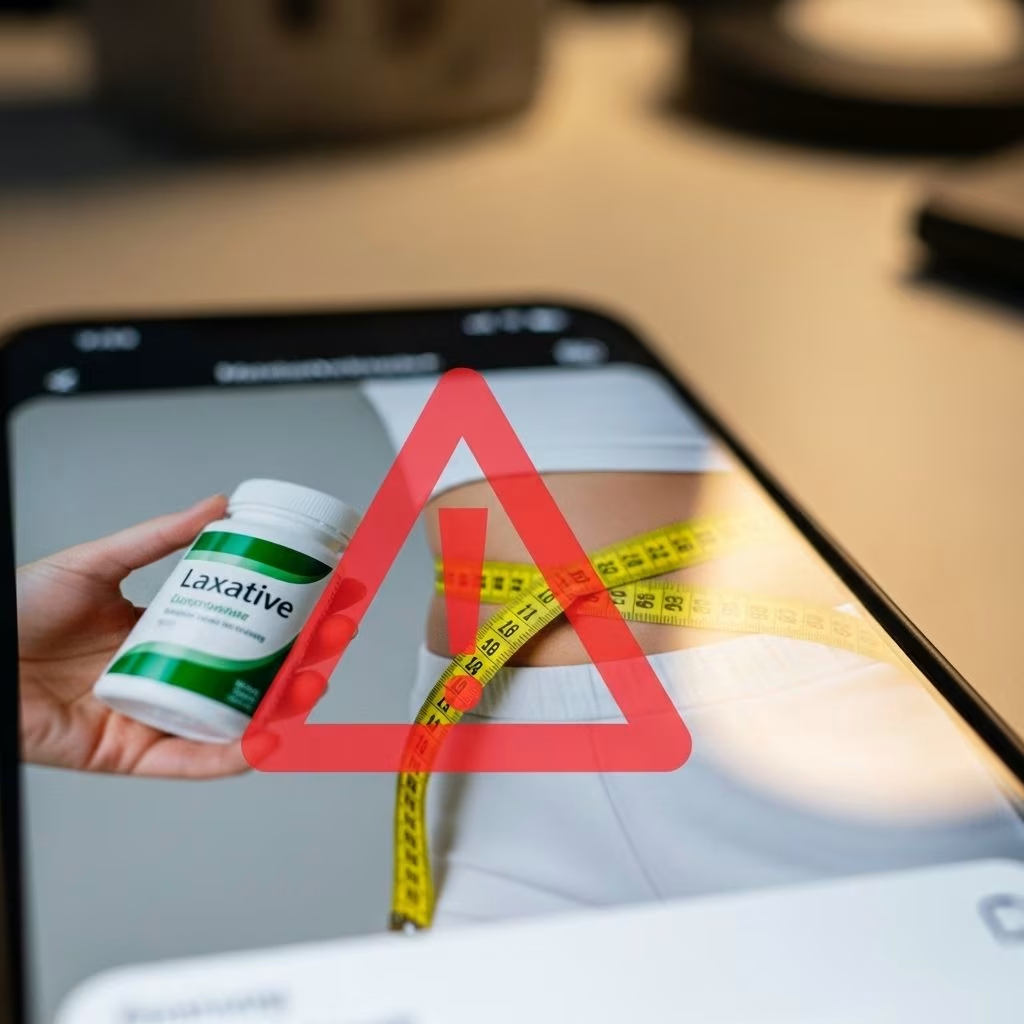
Viral sensations on social media often blur the line between fact and fiction, especially when it comes to wellness and weight loss. In 2024, a TikTok trend dubbed ‘budget Ozempic’ has propelled the conversation about affordable weight loss hacks into dangerous new territory—fueling misconceptions that laxatives can serve as a shortcut to rapid weight loss, much like the prescription medication Ozempic. Medical experts warn that this social media fad is not only scientifically flawed but also hazardous to users’ health. This article explores the origins of this trend, the science behind Ozempic and laxative misuse, and the broader cultural forces at play.
What is ‘Budget Ozempic’?
The term ‘budget Ozempic’ first emerged on TikTok and other social platforms as a tongue-in-cheek reference for over-the-counter laxatives, marketed by users as a cost-effective alternative to prescription weight-loss drugs like Ozempic. Videos tagged with #budgetozempic amassed millions of views, depicting users sampling liquid laxatives or stimulant pills and sharing their weight loss ‘results.’ While much of the initial content was posted as satire or with disclaimers, the sheer volume and virality blurred the message, inadvertently endorsing risky practices.
- Ozempic is a brand name for semaglutide, a prescription drug intended to treat type 2 diabetes and, more recently, chronic obesity under the name Wegovy.
- Laxatives are medications or supplements designed to alleviate constipation by promoting bowel movements, with no role in true fat loss or metabolism.
- The trend exploits anxieties over body image, weight loss, and the high cost—or scarcity—of prescription anti-obesity medications.
How Ozempic Works for Weight Loss
Ozempic functions fundamentally differently from laxatives. It is classified as a GLP-1 receptor agonist, mimicking a hormone that regulates blood sugar and slows stomach emptying, contributing to reduced appetite and a feeling of fullness. The drug’s effectiveness in promoting significant and sustained weight loss has been demonstrated in multiple clinical trials, particularly among those with type 2 diabetes or obesity.
- Clinically approved for diabetes and obesity management; not a quick fix for casual weight loss.
- Works by stimulating insulin production, suppressing appetite, and decreasing glucose output from the liver.
- Requires a physician’s prescription and medical supervision due to risks of side effects and contraindications.
Despite its medical legitimacy, Ozempic’s sudden popularity—fueled by celebrity endorsements and heavy coverage on platforms like TikTok and Instagram—has helped create the perception that rapid, prescription-aided weight loss is the ideal goal, regardless of individual health needs.
The Dangers of Laxative Abuse
Unlike Ozempic, laxatives do not promote actual fat loss nor do they alter metabolism. Their action is limited to the large intestine, resulting in temporary fluid loss at the expense of long-term health. Medical experts emphasize that using laxatives for weight management is both ineffective and dangerous:
- Dehydration: Excessive loss of water and electrolytes can lead to kidney injury, dangerous heart rhythms, and fainting.
- No effect on calorie absorption: Most caloric absorption happens in the small intestine, which laxatives do not affect.
- Dependency: Chronic misuse can cause the colon to become dependent on stimulant laxatives, leading to chronic constipation, nerve damage, and even permanent colon dysfunction.
- Risk for Eating Disorders: Laxative misuse is a common symptom of disordered eating and can act as a gateway to further dangerous behaviors.
Doctors warn that visual weight changes post-laxative use mainly reflect water loss, not fat loss. That fleeting change vanishes in hours as the body rehydrates, but the health risks persist and build over time.
Medical Experts Sound the Alarm
Board-certified physicians and registered dietitians have been quick to speak out against the laxative trend, denouncing it as a harmful myth. Dr. Samantha Cassetty, an expert in nutritional science, told media outlets that the laxative trend on TikTok is especially worrisome given its young audience. According to Cassetty:
“The idea that laxatives can help you lose weight and keep it off isn’t supported by any science. In fact, using laxatives in this way can be dangerous and is often associated with serious medical and psychiatric complications.”
- Emergency department visits related to laxative misuse are rising, especially among teenagers and young adults.
- Dietitians are seeing a resurgence of eating disorder patterns reminiscent of the late 90s and early 2000s, now amplified by the viral nature of TikTok.
Why Has This Trend Gained Traction?
The ‘budget Ozempic’ phenomenon did not emerge in a vacuum. Several broader cultural and systemic issues have fueled its rise:
- Prescription Drug Scarcity: Ozempic shortages have left many patients unable to access their prescribed medication, pushing some to seek alternatives—even unsafe ones.
- Affordability: With out-of-pocket costs for legitimate weight loss medications running into hundreds or thousands of dollars monthly, cheap OTC remedies appear attractive despite the risks.
- Media and Social Networks: Viral videos, influencer testimonials, and thinspo culture stoke the diffusion of weight loss hacks—often outpacing efforts to counter misinformation.
- Weight Stigma and Body Image Pressures: Societal obsession with thinness and viral visibility fuel desperation for rapid, visible results, particularly among vulnerable demographics.
Who is Most at Risk?
While everyone exposed to social media trends can be influenced, several groups are particularly vulnerable to the ‘budget Ozempic’ fad:
- Teens and Young Adults: Adolescents, drawn in by the promise of quick results and peer validation, are more susceptible to experimenting with dangerous methods.
- People with Body Dysmorphia or History of Eating Disorders: For those already struggling with food-related compulsions or distorted self-image, the trend can exacerbate harm.
- Individuals Lacking Access to Medical Care: Barriers to seeing medical professionals and affording safe options leave some seeking DIY solutions from the internet.
Multiple eating disorder prevention organizations have expressed concern over the uptick in social media-driven health misinformation aimed at these populations, warning that it reverses years of public health progress.
Ozempic: Benefits, Risks, and Shortage Impact
It’s crucial to contrast the misuse of laxatives with Ozempic’s actual clinical profile:
| Ozempic (Semaglutide) | Laxatives |
|---|---|
| Prescription drug for type 2 diabetes (and chronic obesity as Wegovy); must be prescribed and monitored by a provider. | Over-the-counter drugs for constipation; intended for short-term, occasional use only. |
| Promotes actual fat loss via appetite regulation and altered glucose metabolism. | Promotes water loss only; does not result in meaningful or sustainable fat loss. |
| Common side effects: nausea, stomach pain, bloating, and heartburn; rare but serious risks include pancreatitis and gallstones. | Side effects: dehydration, electrolyte imbalance, cramping, digestive dependency, colon damage with chronic use. |
| Ongoing U.S. and global shortages due to skyrocketing demand, leaving patients with diabetes and obesity unable to access treatment. | Widely and cheaply available over the counter; not effective for weight loss. |
- Ozempic shortages are driving some patients—particularly those who learned of the drug through social media—to turn to unsafe alternatives instead of consulting a medical professional.
- Medical oversight is required with Ozempic due to potential for serious metabolic or gastrointestinal side effects in some users.
The Social Media ‘Health Hack’ Problem
The TikTok ‘budget Ozempic’ saga is only the latest in a worrying pattern of social media-driven ‘health hacks’ that trade safety for exclusivity and novelty. Several dynamics make these trends sticky and hard to counter:
- Algorithmic Virality: Platforms like TikTok amplify emotionally charged or controversial content, rapidly spreading unproven health advice.
- False Authority: Influencers lacking formal health credentials gain massive followings, lending weight to unsubstantiated claims.
- Lack of Nuance: Short-form videos and meme culture reduce complex health science to simple (but misleading) slogans.
- Peer Pressure & Normalization: As more users share their experiences, the behavior feels normalized—regardless of actual risk.
Experts urge users to approach ‘health hacks’ online with the same skepticism used for miracle cures and fad diets: if it sounds too good to be true, it probably is.
How to Identify TikTok Health Misinformation
If you encounter sensational weight loss advice, keep these principles in mind:
- Check the Source: Is the advice coming from a licensed medical provider or a reputable health agency?
- Assess the Evidence: Are specific studies or guidelines cited? Beware of advice based on personal anecdotes or viral trends.
- Spot Red Flags: Extreme claims, quick fixes, or anything that promises results “without effort” are usually dangerous or false.
- Look for Disclaimers: Legitimate medical content usually contains disclaimers urging viewers to seek professional care for health concerns.
- Consult Trusted Health Professionals: If still in doubt, reach out to your doctor or a registered dietitian before making changes that could affect your health.
Frequently Asked Questions (FAQs)
Q: Can laxatives actually help you lose weight?
A: No. Laxatives only induce the loss of water weight and do not affect fat loss or metabolism. The perceived weight loss is temporary and accompanied by dangerous health risks.
Q: What does Ozempic actually do in the body?
A: Ozempic mimics a hormone that lowers blood sugar, suppresses appetite, and slows stomach emptying, leading to clinically significant fat loss under a doctor’s supervision.
Q: Is it safe to use over-the-counter remedies for weight loss?
A: Most over-the-counter ‘weight loss’ products, especially laxatives, are ineffective and dangerous. Sustainable weight loss should only be approached with the guidance of certified healthcare professionals.
Q: Why is Ozempic so hard to get?
A: Surging demand for Ozempic and similar drugs—due in part to viral attention—has caused global shortages. As a result, patients with medical needs are often unable to obtain their prescriptions.
Q: What should I do if I or someone I know is abusing laxatives?
A: Laxative abuse can have severe physical and mental health consequences. Consult a healthcare professional immediately, and consider reaching out to organizations specializing in eating disorder recovery for support.
When to Seek Help
If you or someone you know is engaging in laxative misuse or struggling with body image and disordered eating, professional help is essential. Early intervention by a doctor, therapist, or dietitian can minimize long-term harm and promote healthier, science-backed habits. Additionally, reporting dangerous content on platforms like TikTok can help protect others from harm.
Conclusion: Caution in the Age of Viral Health Fads
As weight loss trends go viral faster than ever before, the gap between medical fact and social media fiction becomes increasingly perilous. Using laxatives as a ‘budget Ozempic’ is not just misguided; it is a recipe for lasting damage—both to individual health and to the credibility of sound, science-based weight management practices. Turn to certified professionals for guidance, and be vigilant against trends that promise everything for nothing. Your health is worth more than fleeting internet approval.
References
- https://public-health.uq.edu.au/article/2024/04/considering-taking-weight-loss-drug-ozempic-here-are-some-potential-risks-and-benefits
- https://www.baptisthealth.com/blog/health-and-wellness/risks-of-taking-ozempic-for-weight-loss
- https://health.clevelandclinic.org/ozempic-for-weight-loss
- https://www.uchealth.org/today/wegovy-vs-ozempic-the-truth-about-new-weight-loss-drugs/
- https://health.ucdavis.edu/blog/cultivating-health/ozempic-for-weight-loss-does-it-work-and-what-do-experts-recommend/2023/07
- https://www.fda.gov/drugs/postmarket-drug-safety-information-patients-and-providers/fdas-concerns-unapproved-glp-1-drugs-used-weight-loss
- https://pmc.ncbi.nlm.nih.gov/articles/PMC9758543/
- https://pubmed.ncbi.nlm.nih.gov/38016699/


