


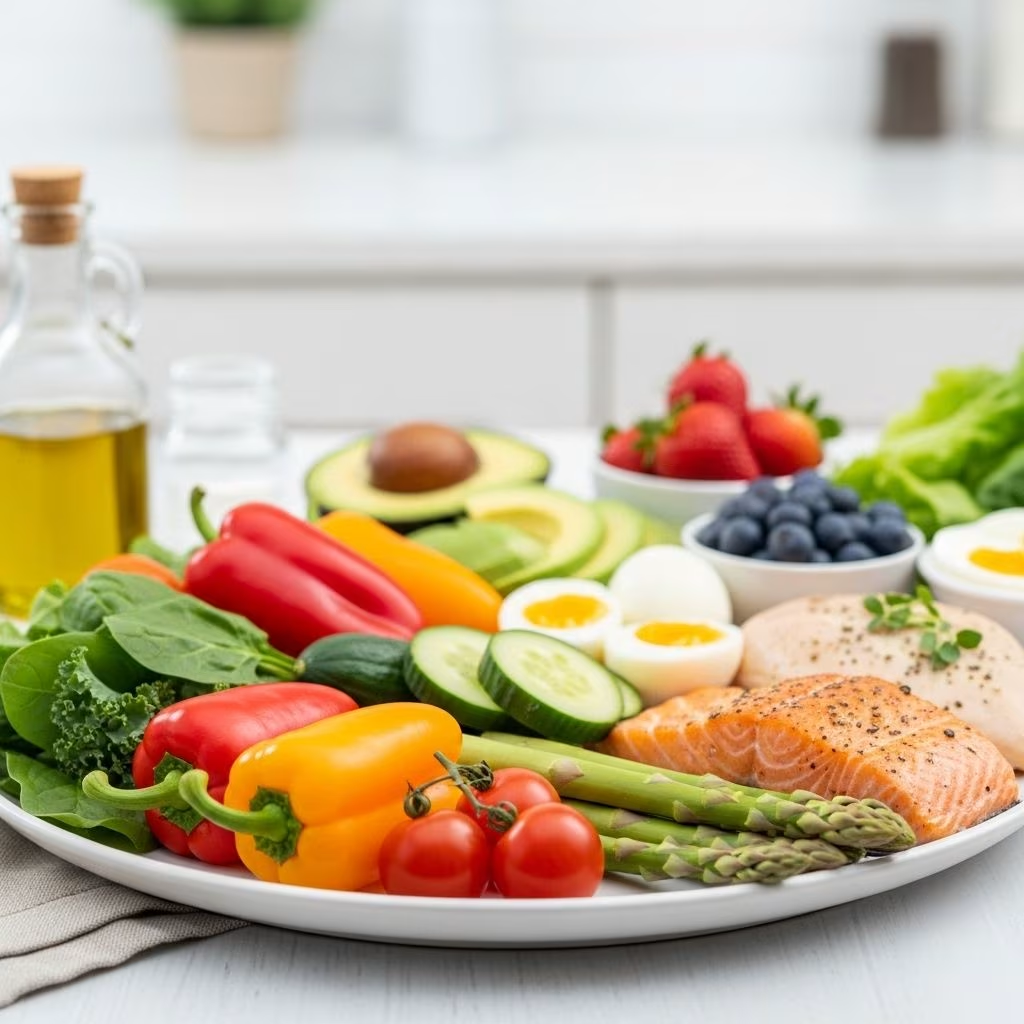
The Ultimate Guide to the South Beach Diet
The South Beach Diet is a popular nutrition plan designed to help individuals lose weight, enhance heart health, and develop lasting healthy eating habits. Developed in the 1990s by cardiologist Dr. Arthur Agatston and dietitian Marie Almon, this diet has evolved through decades of research and practice. It gained mainstream popularity with the release of “The South Beach Diet” book in 2003 and has since helped millions achieve their weight loss and health goals.
What Is the South Beach Diet?
The South Beach Diet is a lower-carbohydrate, higher-protein diet that emphasizes choosing the right fats and carbohydrates rather than eliminating entire food groups. Unlike strictly low-carb diets, it encourages the consumption of good carbohydrates—those with a low glycemic index (GI)—as well as lean protein and healthy fats, aiming to minimize blood sugar spikes and boost fullness and satisfaction between meals.
- Created for heart health as well as weight loss
- Segmented into three distinct phases
- Emphasizes quality over quantity of carbohydrates and fats
Origins and Philosophy
The South Beach Diet was first established to help reduce the risk of heart disease and to address the shortcomings of traditional low-fat, high-carbohydrate diets that often led to hunger and short-lived weight loss results. Dr. Agatston’s approach centered on teaching people to distinguish between good and bad carbs and healthy and unhealthy fats, making it a more holistic and sustainable choice for long-term health.
How the South Beach Diet Works: The Three Phases
The diet is structured in three progressive phases, each with a specific purpose:
Phase 1: Kick-Start Your Weight Loss
Duration: 2 weeks (the strictest phase)
Main Goal: Rapid weight loss and stabilization of blood sugar levels
- Eliminates higher-carb foods like grains, most fruits, and sugary foods
- Focuses on lean proteins, non-starchy vegetables, healthy fats, and some legumes
- Meals: 3 balanced meals + 2 mandatory snacks daily, combining lean protein and vegetables
- Expected weight loss: 8–13 pounds (3.5–6 kg)
Allowed in Phase 1
- Lean proteins: skinless chicken, turkey, seafood, lean cuts of beef
- Non-starchy vegetables: spinach, broccoli, cauliflower, kale, peppers
- Healthy fats: extra virgin olive oil, avocado, nuts (like almonds and walnuts)
- Eggs, low-fat dairy, select limited legumes
Phase 2: Steady, Sustainable Weight Loss
Duration: Until you reach your target weight
Main Goal: Reach your goal weight at a safe, steady pace by gradually reintroducing certain foods
- Reintroduces controlled portions of good carbs (whole grains, brown rice, quinoa) and low-GI fruits
- All Phase 1 foods are still included
- Allows for moderate consumption of wine and treats in strict moderation
- Expected weight loss: 1–2 pounds (0.5–1 kg) per week
Added in Phase 2
- Whole grains: brown rice, barley, whole-wheat pasta and bread
- Low-GI fruits: berries, cherries, peaches, melons
- More vegetables, some starchy varieties
Phase 3: Maintenance for Life
Duration: Lifelong
Main Goal: Transition to a sustainable long-term way of eating that maintains your weight and health
- Encourages intuitive eating based on lessons from Phases 1 and 2
- No foods are strictly off-limits, but healthy choices are prioritized
- If weight is regained, a brief return to Phase 1 may be recommended
Foods to Eat and Avoid
| Foods to Embrace | Foods to Limit or Avoid |
|---|---|
| Lean meats, poultry, fish Eggs Non-starchy veggies (broccoli, spinach) Nuts, seeds, olive oil Low-fat dairy Whole grains (phases 2 and 3) Berries, citrus, cherries (phases 2 and 3) | White bread, white rice, pasta Full-fat dairy Sugary snacks, candy High-GI fruits (bananas, pineapples) Sweetened beverages Processed foods Trans fats |
South Beach Diet Benefits: Why It Works
This diet isn’t just about shedding pounds—it also delivers several evidence-supported health advantages:
- Effective weight loss without constant hunger—thanks to high protein and healthy fats that increase fullness and curb cravings
- Improved insulin and blood sugar control, especially important for those with metabolic syndrome or at risk for type 2 diabetes
- Supports heart health with anti-inflammatory choices such as fatty fish, nuts, seeds, and olive oil
- Reduces inflammation risk through the inclusion of omega-3-rich foods and leafy, cruciferous vegetables
- Simplifies meal planning with sample menus, recipes, and scalable options for at-home or delivered meal plans
- Protects against chronic diseases like hypertension and type 2 diabetes
Potential Risks and Drawbacks
While widely regarded as safe and nutritionally balanced, some potential disadvantages include:
- Initial strictness: The first phase can be challenging due to carbohydrate restrictions, leading to fatigue or cravings for some people
- Risk of ketosis: As carb intake drops, some may enter a mild form of ketosis, prompting side effects like bad breath or headaches
- Not a blanket low-carb solution: Not suitable for everyone, especially those requiring high-carb diets for medical reasons
- Limited scientific evidence for some proprietary claims, though many of the benefits are well supported for similar dietary approaches
Is the South Beach Diet Sustainable?
The South Beach Diet is generally regarded as sustainable for long-term lifestyle changes, not just quick fixes. While the first two weeks are more restrictive, Phases 2 and 3 teach balanced eating by encouraging whole, nutrient-dense foods and healthy meals—whether at home or from prepared, delivered programs. Its core focus is on education and building healthy, lasting habits.
South Beach Diet vs. Other Diets
| Diet | Main Features | Restriction Level | Sustainability |
|---|---|---|---|
| South Beach | Low-moderate carbs, lean protein, healthy fats | Moderate | High |
| Keto | Very low carb, high fat, moderate protein | Strict | Variable |
| Atkins | Low carb, gradual reintroduction | Strict (early), less later | Moderate |
| Mediterranean | Whole grains, lean protein, olive oil, fresh produce | Low | Very High |
Sample South Beach Diet Meal Ideas
To help you get started, here are sample meals aligning with diet principles across the phases:
- Breakfast: Scrambled eggs with spinach and tomatoes, plus a side of smoked salmon
- Lunch: Grilled chicken salad with mixed greens, cherry tomatoes, olives, feta cheese, and olive oil vinaigrette
- Dinner: Baked salmon with steamed broccoli and cauliflower rice
- Snack: Hummus with celery and bell pepper sticks; Greek yogurt with slivered almonds (Phase 2+)
Expert Tips for Success
- Read labels for hidden sugars and refined grains—choose whole, minimally processed foods
- Plan meals a week ahead to avoid unhealthy choices when hungry
- Incorporate regular physical activity, especially resistance training, to support metabolism and muscle maintenance
- Listen to your body’s hunger and fullness cues in later phases
- Celebrate non-scale victories—energy levels, mood improvements, and medical marker changes
Frequently Asked Questions (FAQs)
Q: Who should try the South Beach Diet?
A: This diet is ideal for adults seeking flexible yet structured weight loss, improved heart health, or prevention of chronic diseases. Those with specific medical needs should consult a healthcare provider first.
Q: Is alcohol allowed on the South Beach Diet?
A: Alcohol is not allowed during Phase 1 but small to moderate amounts of low-sugar wines may be reintroduced in Phase 2.
Q: Will I feel hungry on this diet?
A: Most people report increased satiety from the high-protein, high-fiber meals and permitted healthy fats, especially compared to traditional low-fat diets.
Q: What if I regain weight?
A: Briefly return to Phase 1 for 1–2 weeks and then resume Phase 3 habits for long-term maintenance and balanced health.
Q: Can vegetarians follow the South Beach Diet?
A: Yes. Protein sources can include tofu, tempeh, eggs, Greek yogurt, legumes (in moderation), and plant-based dairy alternatives. Choose healthy plant oils for your fat intake.
Final Thoughts
The South Beach Diet stands out for its focus on healthy food choices rather than deprivation, empowering people to build better habits for long-term health and vitality. Whether you want to lose weight quickly, improve your cardiovascular profile, or simply feel better day-to-day, this evidence-based approach offers an adaptable, delicious path forward.
References
- https://www.healthline.com/nutrition/south-beach-diet
- https://resources.healthgrades.com/right-care/food-nutrition-and-diet/south-beach-diet
- https://www.bostonspecialists.org/south-beach-diet
- https://www.medicalnewstoday.com/articles/7501
- https://www.mayoclinic.org/healthy-lifestyle/weight-loss/in-depth/south-beach-diet/art-20048491
- https://www.webmd.com/diet/south-beach-diet-what-it-is
- https://www.mymlc.com/health-information/articles/s/south-beach-diet/?section=Diet+details
- https://regene.ai/articles/south-beach-diet-a-holistic-approach


