


Understanding Calories in Drinks—and Why They Matter
When it comes to weight loss and managing your health, the focus is often on what you eat—but what you drink can be just as important. Many common beverages are packed with hidden sugars, extra calories, or chemicals that can disrupt your progress without you even noticing. Research shows that approximately 20% of total daily calories in the typical American diet come from added sugars, primarily from soft drinks and other sweetened beverages. But unlike food calories, those from drinks typically do not help you feel full, leading to easy overconsumption and slower—or halted—weight loss.
Why Liquid Calories Are Different
Liquid calories have a unique impact on hunger and metabolism:
- Drinks with calories do not provide satiety—people do not eat less later to compensate for the calories they drank.
- Sweetened drinks often raise blood sugar quickly, spiking insulin and creating further cravings.
- Because you don’t chew drinks, most of their sugar bypasses tastebuds, so you often don’t realize how sweet—or calorie-laden—they are.
This is why replacing sugary and calorie-rich drinks with lower-calorie alternatives is a powerful and easy way to jump-start your weight loss or improve your overall health.
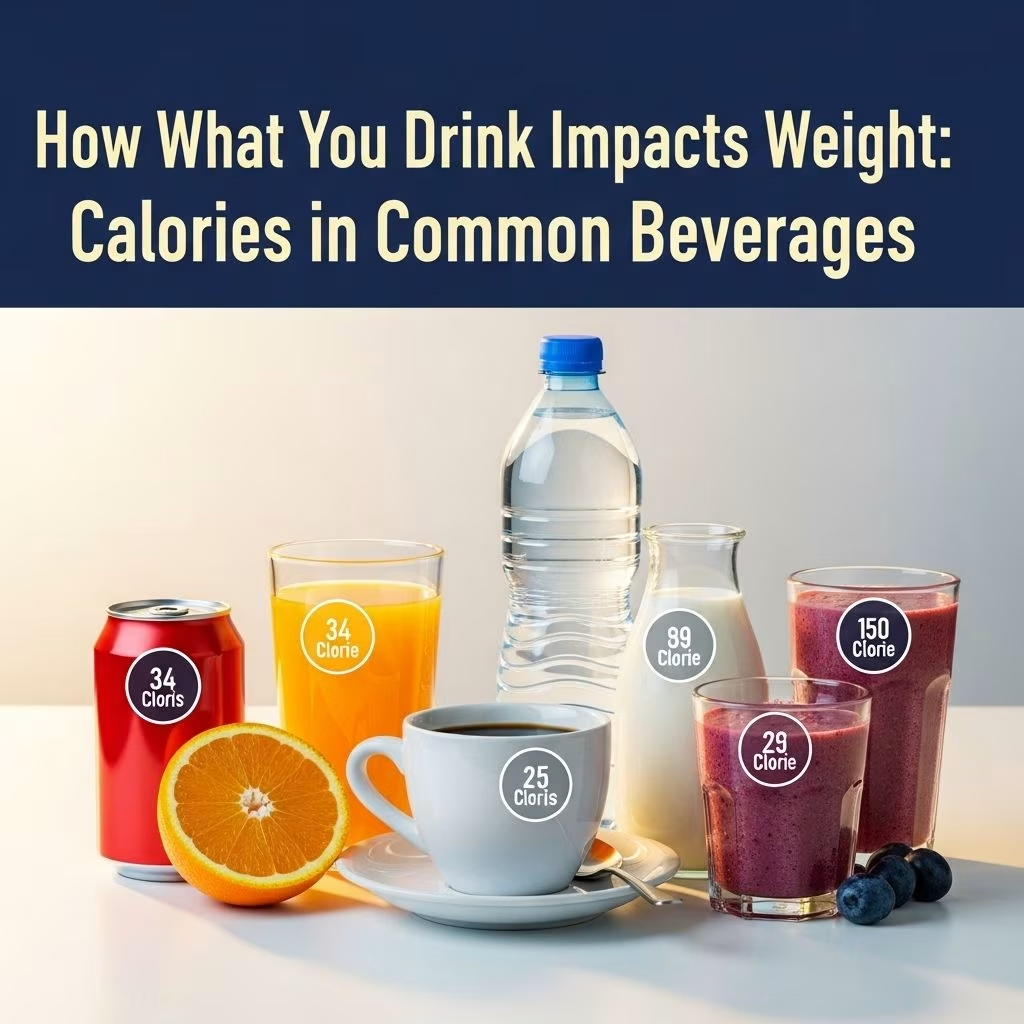
Calories in Popular Drinks: A Quick Comparison
| Beverage (typical serving) | Calories | Teaspoons of Sugar | Nutritional Value |
|---|---|---|---|
| Regular soda (12 oz) | 140–150 | 9–10 | None |
| Sweet tea (16 oz) | 180 | 11–12 | Minimal |
| Fruit juice (8 oz) | 110–120 | 6–7 | Vitamins, but still high in sugar |
| Sports drink (20 oz) | 130 | 8 | Electrolytes; best used for intense exercise only |
| Flavored coffee (16 oz) | 250–450+ | Varies | Minimal |
| Beer (12 oz, regular) | 150 | ~1 | None |
| Wine (5 oz) | 120 | Less than 1 | ~ |
| Water (8 oz) | 0 | 0 | Essential for health |
| Sparkling water (8 oz) | 0 | 0 | Hydrating, can be flavored naturally |
Soft Drinks: Small Sips, Big Problems
Soda is often the single largest source of added sugar in the American diet. A standard 12-ounce can of soda can contain up to 10 teaspoons of sugar. For larger servings, such as 20 ounces, calorie counts can top 240–250 calories, and some extra-large fountain sodas contain as much as 400 calories—equivalent to three or more slices of bread.
- Calories in soft drinks are “empty”—providing energy but no nutrition.
- High intake of sugar-sweetened beverages is associated with increased risk of obesity, type 2 diabetes, and heart disease.
- A Harvard study found adults who drank at least one sugar-sweetened beverage daily doubled their risk for diabetes within just four years.
Research also links regular soda consumption to poor dental health, fatty liver, and—in the case of very large servings—more than 100 grams of sugar per drink.
Fruit Juices: Not Always the Health Halo
While fruit juices may seem healthy, many are nearly as high in sugar and calories as sodas:
- 8 oz of orange juice: 110 calories and about 20-24 grams of sugar.
- Most bottled “juice drinks” or fruit punch products contain added sugars and less than 10% real juice.
- Juice provides some vitamins but generally lacks fiber, which helps regulate blood sugar and appetite.
If you choose juice, select those labeled “100% juice” and consume in moderation—ideally, no more than a small glass per day.
Sports and Energy Drinks: Fuel for Performance—or Weight Gain?
Sports drinks are designed to replenish fluids and electrolytes after heavy exercise. However, for the average person, their high sugar and calorie content aren’t necessary:
- One 20-oz sports drink: 130 calories, 8 teaspoons sugar.
- Best reserved for athletes or those engaging in prolonged, vigorous activity.
- For most, plain water is the better choice between, during, or after normal activity.
Energy drinks are even more problematic, often containing both high sugar and large doses of caffeine, which can affect heart rate, blood pressure, and sleep quality.
Coffee and Tea: Calorie-Free Until You Doctor Them
Plain coffee and tea are naturally calorie-free—and provide beneficial antioxidants. However, added ingredients can quickly transform them into calorie bombs:
- 1 tablespoon of sugar: about 50 calories
- Whole milk or cream: 15–50 calories per tablespoon
- Flavored syrups in lattes/mochas: 20–50 calories per pump
A medium café mocha with whole milk and whipped cream can easily reach 400+ calories! Stick to smaller sizes, use low-calorie sweeteners or spices (like cinnamon), and add milk in moderation to keep calories in check.
Alcohol: Sneaky Calories That Add Up
Alcoholic beverages can make a surprisingly large contribution to your daily calorie intake:
- Regular beer (12 oz): 150 calories
- Light beer (12 oz): 90–110 calories
- Wine (5 oz): 120 calories
- Margarita or other mixed cocktail: 200–400+ calories
Alcohol not only adds extra calories but can lower your inhibitions, potentially causing you to eat more food during or after drinking. Choose lower-calorie options and alternate with water to pace your intake.
Sweetened Waters, Vitamin Waters, and Seltzers
The demand for “healthier” drinks has given rise to vitamin waters, flavored waters, and seltzers. Not all are created equal:
- Some bottled flavored waters contain as much sugar and as many calories as a soda.
- Read labels carefully—even “natural” or “infused” can mean added sugars.
- Sparkling water (plain or naturally flavored and unsweetened) and seltzers are calorie-free, making them a healthy soda substitute.
How Beverage Choices Affect Your Waistline and Wallet
It’s not uncommon for one’s beverage habits to quietly add hundreds of calories and extra expense:
- Having one 20-oz soda daily: ~250 calories/day, $1.25/day, or $450/year.
- Coffee-shop blended drinks or store-bought smoothies: typically 250–500 calories per serving.
- It takes 60 minutes of brisk walking to burn off the calories from one large regular soda.
Coffeehouse and convenience drinks not only strain your calorie budget but your financial one as well!
Diet Drinks: A Healthy Swap?
Diet sodas and artificially sweetened beverages have long been marketed as a calorie-free solution. But recent research suggests this swap may not be as simple as once thought:
- One large study found that swapping water for diet soda increased weight loss by 14% over six months in overweight women.
- Some studies link frequent diet soda consumption to greater belly fat and higher risk of being overweight.
- Theories include: artificial sweetness increases cravings for sweets; psychological “permission” to eat more because of calorie savings; possible appetite stimulation.
The best approach: Drink diet drinks only occasionally, and primarily drink water as your main beverage.
Simple and Satisfying Drink Swaps
- Drink water—still, sparkling, or with a splash of fresh fruit or cucumber—for zero calories and optimal hydration.
- Switch to unsweetened tea or black coffee for flavor and antioxidants without the extra calories.
- If you miss the fizz, choose seltzer with lemon, lime, or a few berries for flavor.
- Swap regular juice for an infused water—try combos like mint-lime, orange-basil, or strawberry.
- Check nutrition labels—even a small serving of a sweetened beverage can load up calories quickly.
How Much Added Sugar Is Too Much?
The American Heart Association recommends a daily limit of:
- 25 grams (6 teaspoons) of added sugar for women
- 36 grams (9 teaspoons) of added sugar for men
One can of regular soda exceeds this limit. Choose your beverages wisely to keep added sugar in check.
Frequently Asked Questions (FAQ)
Q: How do liquid calories compare to food calories in terms of fullness?
A: Liquid calories provide energy but generally do not increase satiety. People tend not to eat less later to balance out the calories they drink, making it easy for these to contribute to weight gain.
Q: Are “zero sugar” or diet drinks a safe alternative?
A: Short-term, they may help reduce calorie intake, but long-term research shows possible associations with increased appetite, cravings, and even weight gain when used regularly.
Q: What is the healthiest thing to drink for weight loss?
A: Water is the best choice—natural, zero calories, and essential for metabolism. Unsweetened tea or black coffee are also low-calorie alternatives with beneficial compounds.
Q: How quickly does cutting out sugary drinks impact weight?
A: Clients have lost up to 20 pounds over several months by changing only their beverage choices, according to registered dietitians. Results depend on total calorie reduction and individual metabolism.
Q: Will drinking juice help me get enough vitamins?
A: Juice contains vitamins but is high in sugar and lacks fiber. Eat whole fruits for full nutritional benefit and satiety, and enjoy juice in small amounts only.
Key Takeaways
- Beverages are often a “hidden” source of excessive calories, sugar, and processed ingredients.
- Choosing water and low-calorie drinks can facilitate steady, sustainable weight loss.
- Start by being mindful: track your beverage intake for a week and see where you can make swaps.
For lasting success, build a healthy drinking habit—choose water first, reserve other drinks for special occasions, and always read those beverage nutrition labels!
References
- https://www.prevention.com/weight-loss/a20452814/weight-loss-program-drinks-calories/
- https://www.prevention.com/weight-loss/a20469099/drinks-and-calories-0/
- https://www.prevention.com/weight-loss/a20497161/drink-water-for-weight-loss/
- https://www.prevention.com/weight-loss/a20437793/drink-less-sugar-lose-more-weight/
- https://www.prevention.com/food-nutrition/healthy-eating/a64947143/benefits-of-not-drinking-soda/
- https://www.prevention.com/weight-loss/a20428292/drinks-and-calories/
- https://www.prevention.com/weight-loss/a20451522/weight-loss-drinks-and-calories/
- https://www.prevention.com/weight-loss/a20465664/calories-food-and-drinks/
- https://www.prevention.com/food-nutrition/healthy-eating/a19831490/is-coffee-good-for-you/
- https://www.prevention.com/health/health-conditions/a37055697/sugary-drinks-colorectal-cancer-risk/


