


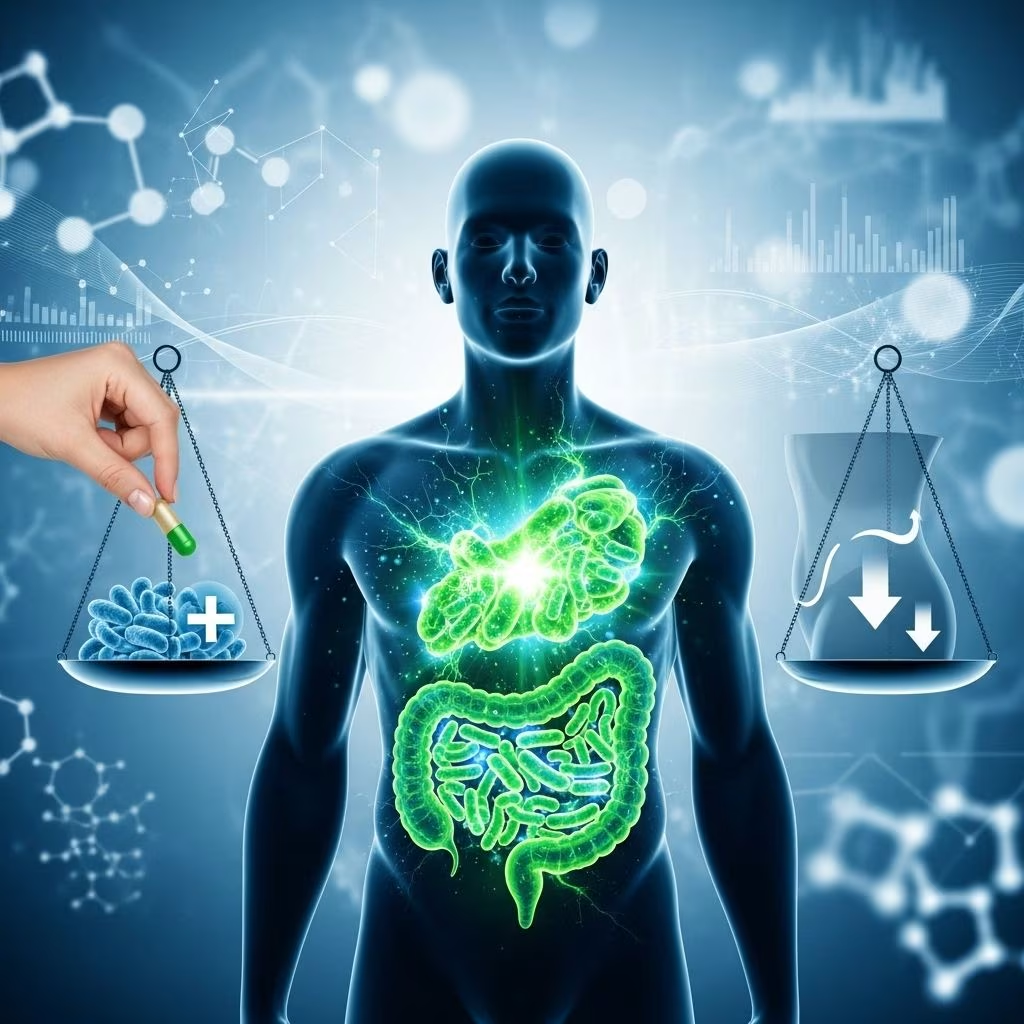
Can Probiotics Help With Weight Loss? Here’s What Science Says
Probiotics have become a hot topic in wellness circles, with many people wondering whether these “good” bacteria can do more than just improve digestion. But can they actually help you lose weight? The scientific conversation is nuanced, and separating marketing hype from reality is essential. In this comprehensive article, we will examine what the latest research shows about probiotics and weight loss, which strains are most promising, how they might influence body fat, and what you need to know before turning to probiotics as a weight loss solution.
What Are Probiotics?
Probiotics are live microorganisms—mainly bacteria and some yeasts—naturally found in the digestive tract. They are also present in fermented foods like yogurt, kefir, kimchi, and in supplement form. Probiotics are often called “good” or “friendly” bacteria because they help maintain the natural balance of organisms (microflora) in the intestines, supporting digestive health, immunity, and potentially influencing metabolism and weight.
How Probiotics Might Influence Body Weight
Researchers have found several mechanisms by which probiotics could impact body weight and fat storage. Here are the main ways:
- Modifying Gut Microbiota: Overweight individuals often have different gut bacteria compared to lean individuals. Probiotics may help rebalance gut flora, potentially affecting energy harvest from food.
- Reducing Absorption of Dietary Fat: Some probiotic strains appear to reduce fat absorbed from the diet, increasing the amount excreted with waste, thereby reducing calorie uptake.
- Increasing Satiety Hormones: Probiotics can boost hormones such as glucagon-like peptide-1 (GLP-1) and peptide YY (PYY), both of which reduce appetite and food intake.
- Decreasing Inflammation: Chronic, low-level inflammation is linked to obesity. Probiotics may lower systemic inflammation, indirectly influencing metabolism and fat storage.
What Does the Research Say About Probiotics and Weight Loss?
The relationship between probiotics and weight loss has been examined in animal models and, increasingly, in humans. Here’s a summary of some key clinical findings:
Evidence From Clinical Trials
- Lab4P Probiotic Study (2020): In a 6-month randomized trial on overweight and obese adults, those taking a daily supplement of Lab4P probiotics lost an average of 1.3 kg more than those on placebo. Waist circumference and BMI decreased significantly, especially among overweight participants and women. Results also showed a reduction in small dense LDL cholesterol and upper respiratory tract infections, with no adverse effects reported.
- Lactobacillus Studies: Research suggests that Lactobacillus gasseri is particularly effective in reducing body weight, BMI, visceral fat, and waist circumference—even without changes in diet or exercise. Multiple studies and meta-analyses confirm these effects, although the degree of change is modest.
- Bifidobacterium Effects: Certain strains, especially Bifidobacterium animalis subsp. lactis, have been associated with improved body weight control as well as reducing inflammation.
- Multi-Strain Supplements: In studies combining both Lactobacillus and Bifidobacterium strains, participants also showed more weight loss than those taking placebo, even without explicit caloric restrictions. Effects seem to increase with longer intervention periods (8 weeks or more).
How Significant Are the Effects?
Despite the promising findings, it’s important to clarify that typical weight loss from probiotics is modest. In well-controlled clinical trials, the difference between probiotic and placebo groups is usually in the range of 1-2 kg (about 2-4 lbs) over several months. Probiotics are not a substitute for healthy eating and exercise but can complement lifestyle changes.
Which Probiotic Strains Are Best for Weight Loss?
Not all probiotics function the same way, and the effects are often strain-specific. The most researched and promising strains include:
| Strain | Documented Effect |
|---|---|
| Lactobacillus gasseri SBT2055 | Reduces body weight, abdominal fat, and waist circumference |
| Lactobacillus rhamnosus CGMCC1.3724 | May promote weight loss in female participants |
| Bifidobacterium animalis subsp. lactis 420 | Reduces body fat mass, improves metabolic markers |
| Mixed Lactobacillus & Bifidobacterium blends | Enhances weight loss and reduces waist circumference |
Possible Limitations and What Science Hasn’t Proven
- Magnitude of Weight Loss Is Modest: Most people can expect only small reductions in fat mass through probiotics alone.
- Strain-Specific Benefits: Only certain strains have documented effects. Generic probiotic supplements may not help with weight loss unless they contain proven strains.
- Need for Lifestyle Support: The best results are seen when probiotics are paired with a healthy diet and regular exercise.
- Individual Variability: The gut microbiome varies widely between individuals; some people may benefit more than others.
- Insufficient Long-Term Data: Most studies last 8-24 weeks. The long-term impact of probiotic supplementation on weight is still unclear.
How to Choose a Probiotic for Weight Loss
To maximize the potential benefits:
- Look for supplements containing the specific strains used in clinical trials, such as Lactobacillus gasseri SBT2055 or Bifidobacterium animalis subsp. lactis 420.
- Choose products from reputable brands that state the exact strains, not just the genus and species.
- Ensure the product guarantees viability and live cultures at the date of expiry, not just at manufacturing.
- Consider starting with dietary sources, like plain yogurt and fermented foods, before moving to supplements.
Other Health Benefits of Probiotics
While the evidence for weight loss is mixed and modest, other proven benefits of probiotics include:
- Improved Digestive Health: Probiotics can relieve symptoms of bloating, constipation, and various digestive disorders.
- Boosted Immune System: Supplementation may decrease the frequency of respiratory infections.
- Lowered Cholesterol: Some strains aid in reducing total and LDL (“bad”) cholesterol in certain subgroups.
- Reduced Systemic Inflammation: Improving gut barrier function may lower chronic inflammation linked to metabolic disease.
Potential Side Effects and Safety
For most people, probiotics are considered safe and side effects are rare. The most common mild side effects include:
- Temporary digestive upset—gas, bloating, or loose stools as your system adjusts
- Rare risk of infection in immune-compromised individuals (seek medical advice if this applies to you)
Always consult your healthcare provider, especially if you have underlying health conditions or are pregnant or breastfeeding.
Frequently Asked Questions (FAQs)
Do you need probiotics to lose weight?
No. While certain strains can support weight management, a calorie deficit through diet and physical activity remains the foundation of fat loss. Probiotics can complement but should not replace these strategies.
Can you take probiotics every day for weight loss?
Yes, daily use is common in studies—usually for at least 8 weeks. Effects are most noticeable when taken regularly, but results are modest and not guaranteed for everyone.
Are probiotic foods as effective as supplements for weight loss?
Some fermented foods (like yogurt or kefir) contain probiotic strains linked to weight benefits, but the dose and specific strains may vary. If you’re seeking a clinical effect, choose foods or supplements that specify proven strains and adequate doses.
Which probiotic strain is best for belly fat?
Lactobacillus gasseri SBT2055 has the most robust evidence for reducing abdominal fat, but results may vary by individual and are enhanced when combined with healthy lifestyle choices.
Do probiotics help if you’re not overweight?
Some evidence suggests probiotics may support visceral fat reduction and metabolic health, even in people who are not overweight. However, benefits are more pronounced in those with excess weight or metabolic disturbances.
Key Takeaways
- Probiotics can support weight loss and fat reduction, especially certain strains, but the effects are small and not a substitute for diet and exercise.
- The strains Lactobacillus gasseri and Bifidobacterium animalis subsp. lactis have the strongest evidence for reducing weight and belly fat.
- Choose supplements or foods with well-studied strains, take them consistently, and pair with a healthy lifestyle for best results.
- Consult a healthcare provider before starting a supplement regimen, especially if you have underlying conditions.
References
- https://www.nature.com/articles/s41598-020-60991-7
- https://www.healthline.com/nutrition/probiotics-and-weight-loss
- https://pmc.ncbi.nlm.nih.gov/articles/PMC8540110/
- https://www.nature.com/articles/s41598-023-45395-7
- https://newsnetwork.mayoclinic.org/discussion/mayo-clinic-q-and-a-probiotics-gut-bacteria-and-weight-whats-the-connection/
- https://health.clevelandclinic.org/could-probiotics-help-with-weight-loss


