


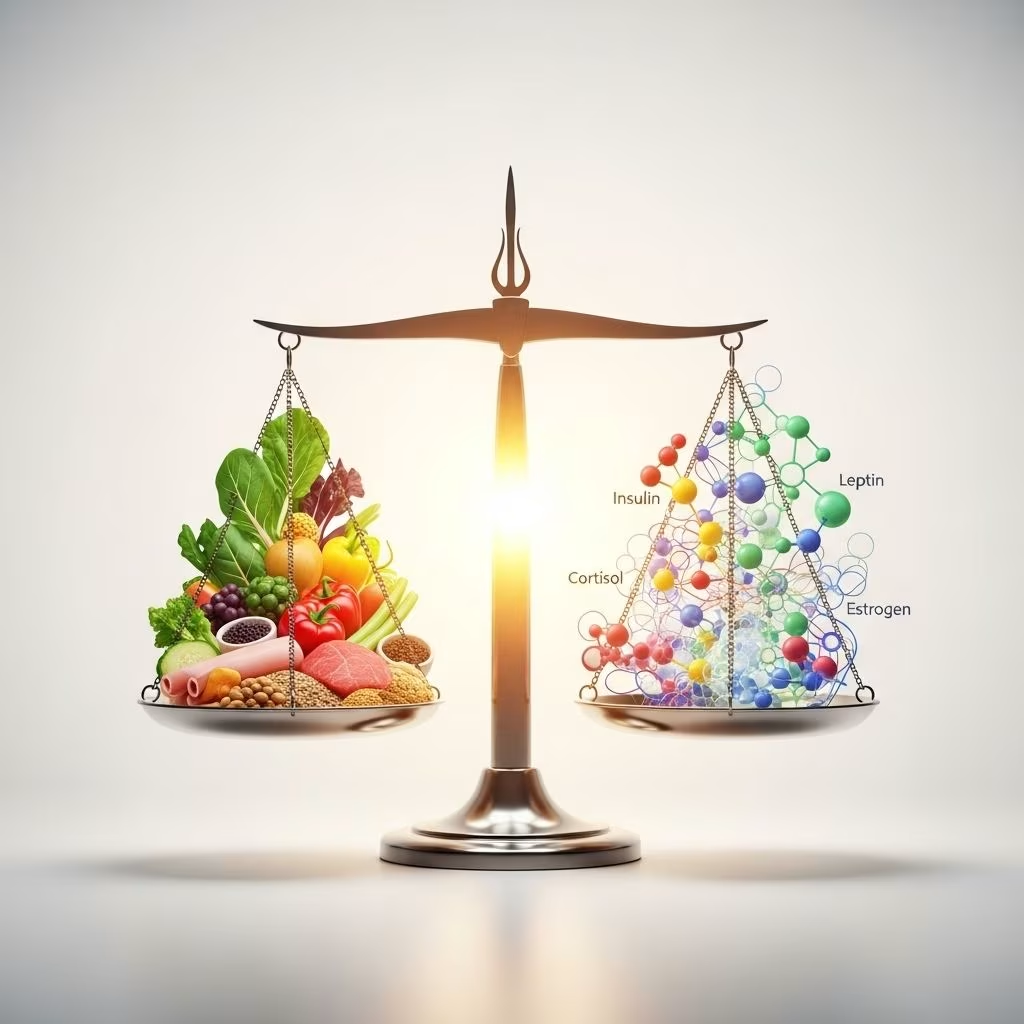
What Is the Hormone Reset Diet?
The hormone reset diet is a dietary approach designed to restore hormone balance and jumpstart weight loss for those who struggle with stubborn fat, mood fluctuations, or low energy. Unlike one-size-fits-all diets, this plan centers around regulating key hormones—such as insulin, estrogen, cortisol, and thyroid hormones—through specific food choices, timing, and lifestyle adjustments. The theory behind the diet is that hormonal imbalances can sabotage metabolism, making it harder to maintain or lose weight, regardless of effort.
Why Are Hormones Important for Weight Loss?
Hormones serve as internal messengers that control many bodily processes—including appetite, fat storage, muscle growth, and energy levels. When hormones like insulin, cortisol, estrogen, and thyroid hormones fall out of balance, the result can be sluggish metabolism, excess fat (especially in the abdominal region), cravings, sleep issues, and mood swings.
- Insulin: Regulates blood sugar; excessive insulin can drive fat storage.
- Cortisol: The ‘stress hormone’; chronic stress can lead to increased belly fat.
- Estrogen and Testosterone: Affect fat distribution, muscle mass, and mood.
- Thyroid Hormones: Directly impact metabolism, energy, and fat burning.
Core Principles of the Hormone Reset Diet
The hormone reset diet focuses on food groups, eating patterns, and lifestyle interventions proven to influence hormonal health. Some protocols claim to target individual hormones through week-by-week dietary adjustments and lifestyle modifications.
- Cycle-Based Eating: The diet may use an 8-week reset, where each week focuses on a different hormone, using strategic eliminations and additions of certain foods.
- Emphasis on Whole Foods: Prioritizes vegetables, lean proteins, healthy fats, and limited refined sugars/carbs.
- Eliminating Trigger Foods: Removes foods that may contribute to hormonal havoc or inflammation—such as processed foods, excess dairy, alcohol, and added sugars.
- Mindful Meal Timing: May encourage gentle intermittent fasting or aligning meals with circadian rhythms for optimal hormonal function.
- Lifestyle Adjustments: Includes stress reduction, improved sleep hygiene, and regular exercise targeted at boosting hormonal health.
How Does the Hormone Reset Diet Work?
The hormone reset diet works on a week-based schedule: each week is designed to ‘reset’ a specific hormone by guiding food choices, recommending supplements, and encouraging certain lifestyle practices. While the scientific community remains skeptical about whether specific diets can dramatically ‘reset’ hormones, there is consensus that healthy lifestyle habits can support hormonal health and weight management.
Sample 8-Week Hormone Reset Schedule
| Week | Focus Hormone | Key Actions |
|---|---|---|
| 1 | Estrogen | Remove processed foods, add cruciferous vegetables |
| 2 | Insulin | Reduce sugar and refined carbs, increase fiber |
| 3 | Leptin | Prioritize protein at meals |
| 4 | Cortisol | Incorporate stress management, limit caffeine |
| 5 | Thyroid | Eat selenium- and iodine-rich foods |
| 6 | Testosterone | Add healthy fats, maintain regular strength training |
| 7 | Growth Hormone | Sleep optimization, moderate fasting |
| 8 | Gut Hormones | Increase probiotics, prebiotic fibers |
What Does a Hormone Reset Diet Meal Plan Look Like?
Most recommended meals are built around whole foods, aiming to stabilize blood sugar and reduce inflammation. Sample meals include:
- Breakfast: Spinach omelet with avocado
- Lunch: Grilled chicken salad with olive oil, walnuts, and blueberries
- Dinner: Salmon with steamed broccoli and quinoa
- Snacks: Almonds, chia pudding, or Greek yogurt (if dairy is well-tolerated during that week’s cycle)
Key Benefits of the Hormone Reset Diet
Advocates claim that, by restoring hormonal balance, the diet can make weight loss easier and provide additional wellness benefits:
- Improved Energy Levels: Reducing inflammatory foods and stabilizing blood sugar can minimize energy slumps.
- Sustainable Weight Management: Alignment with metabolic hormones may help decrease unwanted fat, particularly belly fat.
- Better Sleep: Improved sleep quality supports hormonal regulation, leading to enhanced overall wellness.
- Reduced Stress and Anxiety: By lowering cortisol, participants may feel calmer and more resilient.
- Improved Digestion and Gut Health: Adjusting the diet to support gut hormones can reduce bloating and improve nutrient absorption.
- Long-term Health: A reset program fosters lifelong healthy habits, paving the way for lasting vitality.
Scientific Perspective: What Do Experts Say?
Despite the popularity of hormone reset diets, the scientific community remains cautious. Many endocrinologists and dietitians argue that while food does affect hormones, claims about the diet’s effectiveness are overstated and often lack rigorous evidence.
- Dr. Messer, endocrinologist, points out that diet mainly influences insulin and some sex hormones, but is unlikely to profoundly reset hormones like cortisol or thyroid as claimed by diet advocates.
- Lena Bakovic, RD, advises that balanced diets with variety and moderation are safest. Overly restrictive hormone diets can lead to nutrient deficiencies and may require unnecessary purchases of organic or specialty foods.
- Most experts say the best way to support hormonal regulation is through whole foods, stress reduction, adequate sleep, and regular exercise—not a restrictive or ‘trendy’ reset regimen.
What Are the Criticisms and Risks?
- Lack of Scientific Evidence: No large-scale, long-term studies have proven the efficacy of hormone reset diets for sustained hormone regulation or weight loss.
- Potential Nutritional Deficits: Some versions remove entire food groups, raising the risk of vitamin or mineral deficiencies.
- Cost and Accessibility: Plans that require organic, specialty, or free-range food can be expensive and unnecessary for most people.
- Psycho-Social Concerns: Social media popularization can breed unhealthy diet culture, body image distress, and misinformation.
Integrating Lifestyle for Hormonal Health
While diet is powerful, lasting hormonal health hinges on a multi-pronged approach:
- Sleep: 7-8 hours nightly supports hormonal balance—especially for cortisol and growth hormones.
- Physical Activity: HIIT training, moderate cardio, and strength exercises boost metabolism and hormonal resilience.
- Mindful Stress Management: Yoga, meditation, and deep-breathing exercises can reduce cortisol and support well-being.
- Gut Health: Probiotic-rich foods and fiber enhance digestion and influence hormones related to appetite and immunity.
Who May Benefit Most from a Hormone Reset Diet?
The hormone reset diet is most attractive to those who experience typical symptoms of hormonal imbalance:
- Difficulty losing weight (particularly belly fat)
- Persistent fatigue despite adequate rest
- Frequent mood swings or anxiety
- Sleep disturbances
- Digestive complaints: bloating, constipation, indigestion
However, anyone considering a hormone-focused diet should first consult with a registered dietitian or endocrinologist to avoid unnecessary risks and ensure a safe, personalized approach.
Tips for a Healthy Hormonal Reset (No Fads Required)
- Consume more fiber-rich foods: such as leafy greens, cruciferous vegetables, and legumes.
- Choose lean proteins: fish, poultry, eggs, tofu, and beans.
- Incorporate healthy fats: avocados, olive oil, nuts, and seeds for optimal hormone production.
- Limit refined sugars and processed foods that spike insulin and trigger cravings.
- Stay hydrated: water and herbal teas are preferable to sugary drinks.
- Practice stress management: daily mindfulness, yoga, or gentle walks.
- Prioritize sleep with a calming nightly routine to reset stress hormones.
Frequently Asked Questions (FAQs)
Q: Is the hormone reset diet backed by science?
A: There is no definitive scientific evidence that the hormone reset diet resets all hormones as claimed. However, healthy eating, sleep, and stress reduction do support hormonal health in practical ways.
Q: Can the diet help with belly fat?
A: Many followers report reduced belly fat, likely due to lowered insulin and decreased consumption of processed foods—but results vary, and lasting change requires sustainable lifestyle habits.
Q: Are there risks to doing the hormone reset diet?
A: Risks may include nutrient deficiencies, social isolation, and expense if the plan is too restrictive or relies on specialty foods. Long-term extreme restriction is discouraged.
Q: What foods should I avoid?
A: Common recommendations are to avoid excess processed foods, added sugars, refined carbs, alcohol, and inflammatory oils.
Q: Who should avoid the hormone reset diet?
A: Individuals with medical conditions, pregnant or breastfeeding women, and those with a history of disordered eating should consult a healthcare professional before attempting any diet.
Conclusion: The Real Key to Hormonal Health
While the hormone reset diet offers a structured, compelling approach to balancing hormones and jumpstarting healthy weight loss, experts urge caution due to the lack of conclusive scientific support for sweeping claims. Nonetheless, its core principles—whole foods, adequate sleep, stress management, and exercise—remain foundational practices for overall health and wellness.
If you adopt aspects of the hormone reset diet, focus on sustainable choices. Avoid fad-driven restriction, and instead prioritize nourishing habits that truly balance body and mind for the long haul.
References
- https://bodyblissbrisbane.com.au/8-week-hormone-reset-a-game-changer-for-women/
- https://www.prevention.com/weight-loss/g20438900/hormones-causing-your-belly-fat/
- https://www.thecardiologyadvisor.com/features/hormone-reset-diet/
- https://www.prevention.com/weight-loss/a20459677/hormone-reset-diet/
- https://www.saragottfriedmd.com/what-if-breast-cancer-dr-saras-prevention-top-10-list/
- https://www.youtube.com/watch?v=cEVAjm_ETtY


