


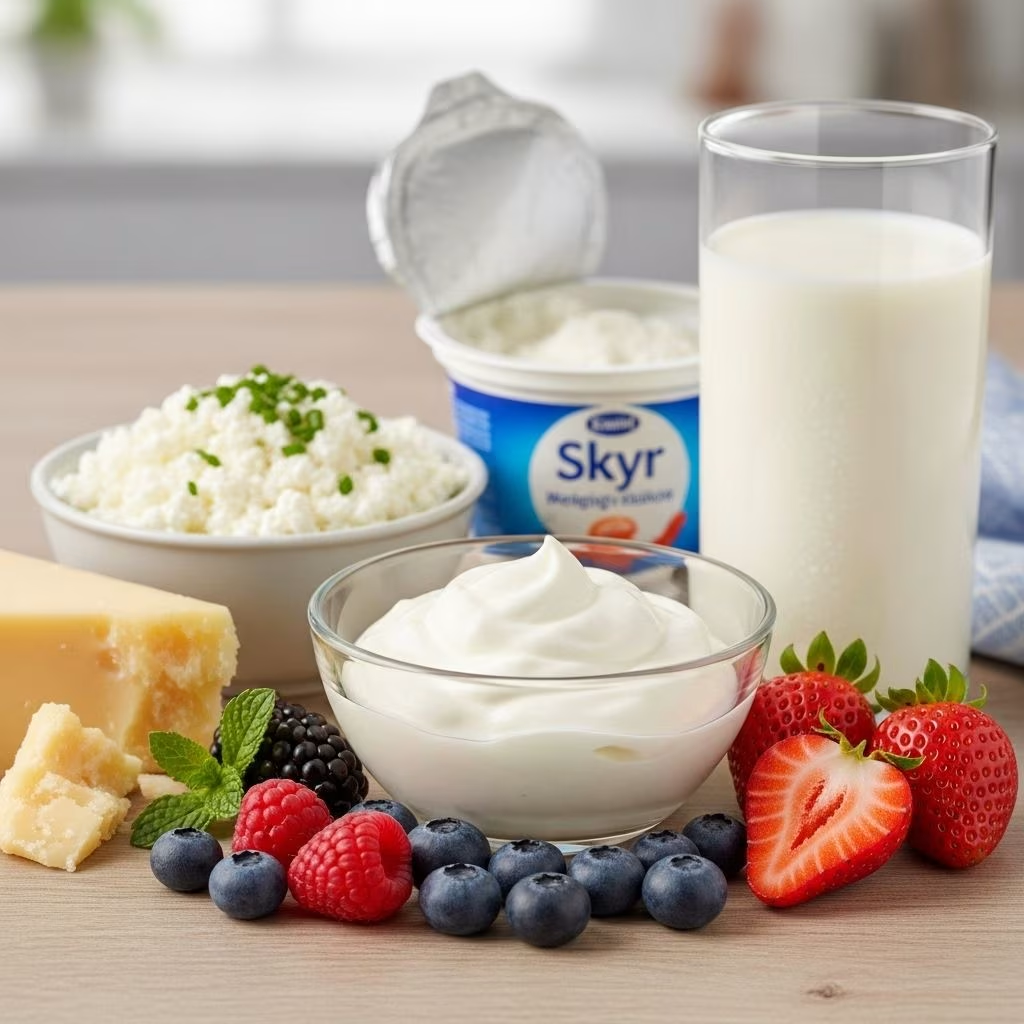
Dairy Foods and Weight Loss: What the Science Says
Weight loss is a multifaceted journey that encompasses diet, exercise, and overall lifestyle. Among the many foods debated in nutritional science, dairy products have received particular attention for their potential role in fat loss and muscle development. Scientific evidence increasingly supports the idea that dairy, when strategically incorporated into calorie-restricted diets, may offer unique benefits for those aiming to lose weight and improve body composition.
The Link Between Dairy Intake and Fat Loss
Recent research underscores that higher dairy intake during calorie restriction leads to more efficient reduction in body fat and better preservation or even gain in lean muscle mass. A meta-analysis of 14 randomized controlled trials found a distinct advantage for individuals consuming more dairy as part of a reduced-calorie diet:
- Greater Fat Loss: Participants consuming the most dairy lost an average of 1.6 pounds more fat than those with lower dairy intake .
- Muscle Gain: High-dairy consumers also gained an average of 1.3 pounds of muscle, highlighting the support of body composition .
- No Effect Without Dieting: Increasing dairy alone, without calorie cuts, does not yield significant weight loss .
These findings reinforce that dairy’s weight-management benefits are activated primarily in the context of controlled calorie intake.
The Science Behind Dairy’s Weight-Loss Benefits
The unique nutrients in dairy—notably calcium, vitamin D, and high-quality protein—work together to favor how your body burns fat and builds muscle:
- Calcium: The calcium in dairy lowers the body’s level of 1,25-dihydroxyvitamin D3, a compound that stimulates fat cell growth. As a result, fat cell development slows and fat breakdown is enhanced when calorie intake is reduced .
- Vitamin D: Supports calcium’s effects and may help actively direct calories toward muscle synthesis rather than fat accumulation .
- Protein: Dairy proteins (casein and whey) help preserve muscle mass during weight loss, ensuring that weight reduction comes predominantly from fat stores .
Dr. David L. Katz, a nutrition expert at Yale University, summarizes: “Calcium, vitamin D, and protein found in dairy products help you lose fat by supporting the preferential deposition of calories into muscle rather than fat” .
Will Dairy Help If You’re Not Dieting?
It’s important to recognize that increased dairy consumption, without an accompanying calorie deficit, does not lead to notable fat loss. The synergy of dairy nutrients appears robust only when paired with caloric moderation .
Which Dairy Foods Are Most Effective?
All dairy products contribute protein and calcium, but certain choices may better align with weight-loss goals. Experts recommend high-protein, low-fat dairy options for maximum impact:
- Skim milk: Offers protein and calcium with minimal calories.
- Greek yogurt: Packs more protein per serving, helping with satiety and muscle growth.
- Cottage cheese: An excellent low-fat, high-protein choice.
- Low-fat cheeses: Select varieties lower in total fat but rich in muscle-preserving protein.
For breakfast, try swapping orange juice for skim milk: A study found that people who started their day with milk consumed up to 8.5% fewer calories overall and reported increased fullness compared to those who chose fruit-based drinks .
How Dairy May Reduce Belly Fat
A noteworthy feature of dairy’s effect is its apparent ability to influence fat distribution. Some research suggests that higher dairy intake may reduce cortisol levels, a hormone that steers fat to the abdominal region:
- Lowered belly fat: Strategic dairy consumption can promote the loss of abdominal fat, which is linked to improved metabolic and cardiovascular health .
- Any type of dairy: The cortisol-lowering effect is triggered by both regular and low-fat dairy foods .
This is especially beneficial as belly fat is considered a risk factor for various diseases.
Understanding How Dairy Satisfies Hunger
Dairy’s nutrient profile doesn’t just shape body composition—it also helps regulate appetite:
- Protein promotes fullness: The substantial protein content slows digestion, which helps you feel satisfied longer and reduces overall calorie intake .
- Milk at breakfast curbs cravings: Research indicates consuming dairy at the start of the day may decrease hunger-driven calorie consumption in subsequent meals .
Comparison Table: Dairy’s Nutritional Profile
| Dairy Food | Calories (per 100g) | Protein (g) | Calcium (mg) | Fat (g) |
|---|---|---|---|---|
| Skim Milk | 35 | 3.4 | 120 | 0.1 |
| Greek Yogurt (nonfat) | 59 | 10 | 100 | 0.4 |
| Cottage Cheese (low-fat) | 86 | 11 | 72 | 1.2 |
How to Add Dairy to Your Weight-Loss Diet
- Choose low-fat or fat-free options to maximize nutrition and minimize calorie intake.
- Use milk in place of juice for breakfast.
- Eat Greek yogurt or cottage cheese as high-protein snacks.
- Add shredded low-fat cheese to salads for extra flavor and calcium.
Consistency and moderation are key to seeing results from dairy-inclusive plans. Remember that overconsuming calories, even from healthy sources, will counteract weight-loss efforts.
Dairy’s Role in a Balanced, Fat-Burning Diet
While dairy offers powerful advantages for weight-management, combining it with other nutrient-dense, fat-burning foods can further enhance results:
- Lean proteins: Chicken, turkey, fish, and eggs complement dairy’s role in muscle maintenance and appetite control .
- Whole grains: Quinoa and brown rice add fiber and protein, helping with satiety .
- Anti-inflammatory spices: Ginger and turmeric can support metabolism and improve fat oxidation .
Special Considerations: Dairy Intolerance and Alternatives
For some individuals, consuming dairy can cause digestive discomfort due to lactose intolerance or dairy allergies. Symptoms include:
- Stomach pain and bloating
- Gas and discomfort
- Diarrhea or constipation
If you suspect intolerance, consult an allergist or dietitian. An elimination diet can clarify whether removing dairy improves symptoms. If you require dairy alternatives, look for:
- Calcium-rich vegetables: Kale, broccoli, and collard greens
- Fortified plant-based milks: Soy, almond, or pea-based options
- Magnesium sources: Nuts, seeds, and legumes
- Probiotics: Fermented foods like sauerkraut and kimchi
Experts caution against excluding dairy unless medically necessary, as this can leave nutritional gaps in calcium, protein, and beneficial probiotics .
Frequently Asked Questions (FAQ)
Q: Can I eat full-fat dairy while trying to lose weight?
A: Opting for low-fat or fat-free dairy helps control calorie intake while still providing protein and calcium. However, full-fat options in moderation might offer better satiety for some individuals. Consult your dietitian for personalized advice.
Q: Will drinking milk help me lose belly fat?
A: Some research suggests regular dairy consumption can lower cortisol, a hormone associated with belly fat accumulation, potentially aiding in abdominal fat loss when paired with calorie restriction .
Q: Is yogurt better than milk for weight loss?
A: Greek yogurt offers more protein per serving compared to milk, which may help curb appetite and promote muscle retention during weight loss.
Q: Can dairy help prevent muscle loss while dieting?
A: Yes, the proteins in dairy are especially effective in preserving lean muscle during calorie-restricted weight-loss plans .
Q: What if I am lactose intolerant?
A: Choose lactose-free dairy products or plant-based alternatives. Ensure you still get adequate calcium, vitamin D, and protein from other dietary sources .
Takeaway: Dairy’s Place in Your Weight-Loss Strategy
Incorporating dairy into a calorie-restricted diet can result in greater fat loss, increased muscle retention, and improved feelings of satiety, all supported by clinical trials and expert consensus. The combination of calcium, vitamin D, and protein in dairy appears uniquely able to direct calories towards positive outcomes—helping you lose fat while protecting lean muscle.
However, the benefits rely on choosing appropriate dairy types, maintaining portion control, and aligning intake with overall caloric needs. If dairy is well-tolerated, make it a strategic part of your nutrition plan for weight management and healthier body composition.
References
- https://www.prevention.com/weight-loss/a20438801/dairy-can-assist-weight-loss-burn-fat/
- https://www.prevention.com/food-nutrition/healthy-eating/a29088480/no-dairy-diet/
- https://www.prevention.com/weight-loss/a20451762/diet-fruit-and-dairy/
- https://www.prevention.com/weight-loss/g24805401/fat-burning-foods/
- https://www.prevention.com/food-nutrition/healthy-eating/a65664887/ultra-processed-foods-weight-loss-gut-health-study/
- https://www.prevention.com/weight-loss/a30188568/lose-weight-without-exercise-0/
- https://www.prevention.com/weight-loss/g20482528/this-is-your-perfect-day-for-weight-loss/
- https://www.prevention.com/food-nutrition/g29504714/weight-loss-foods/
- https://www.prevention.com/weight-loss/g19576831/healthy-snack-ideas-weight-loss/


