


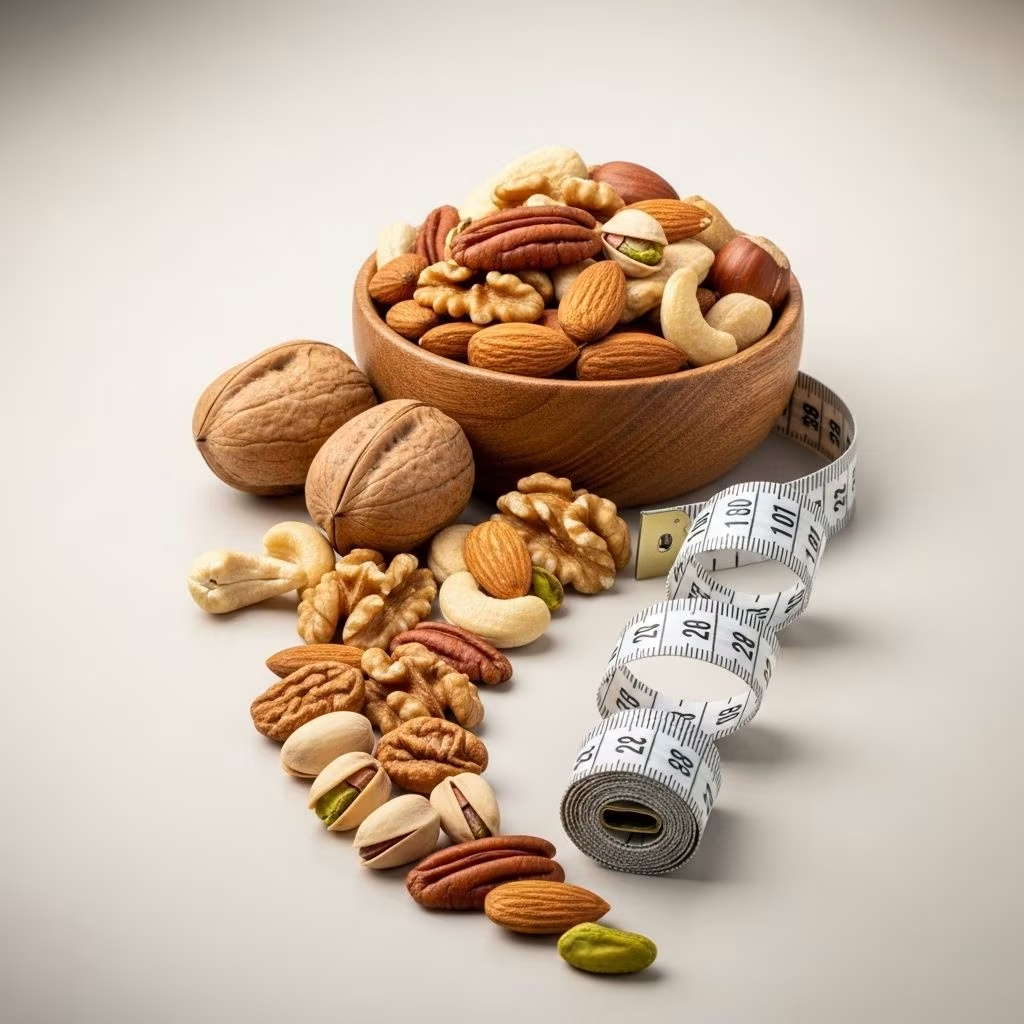
The Surprising Weight Loss Benefits of Nuts
Nuts have long had a reputation as a calorie-dense food, often shunned by those seeking to lose weight. Yet, recent research increasingly highlights their unique ability to curb hunger, boost metabolism, and provide lasting health benefits. Discover how making nuts a regular part of your diet can actually aid weight control and promote overall wellness.
Why Nuts Belong in a Healthy Weight Loss Diet
It may seem counterintuitive to reach for high-fat, high-calorie nuts while trying to lose weight. Yet, mounting evidence from major studies underscores that eating nuts can help:
- Control hunger thanks to their fiber and protein content
- Promote satiety so you eat less at other times
- Increase metabolism and thermogenesis
- Reduce unhealthy snacking by replacing less nutritious foods
Let’s explore the science behind these effects and see how nuts support sustainable weight management.
What the Latest Research Shows
Large-scale studies and clinical trials continue to demonstrate that nut consumption is not only safe but beneficial for weight control.
- One Harvard study found that those who increased their daily nut intake were 16% less likely to become obese over a four-year period compared to people who avoided nuts.
- Researchers also note that substituting nuts for processed snack foods—like red meat, chips, fries, or desserts—correlates with lower weight gain.
- A Purdue University study went even further: participants added 500 calories of nuts to their diet daily for 8 weeks and did not gain weight. Scientists believe that nuts’ filling nature led people to unconsciously reduce calories elsewhere.
How Nuts Help with Weight Control
What makes nuts unique? The answer lies in their nutritional profile and the way our bodies process them:
- High in protein and fiber: These nutrients slow digestion and help you feel fuller longer, reducing the urge to overeat.
- Rich in unsaturated fats: These healthy fats may boost fat oxidation, leading to less body fat accumulation.
- Portion matters: Although nuts are calorie-dense, studies suggest that up to 20% of their calories are actually excreted by the body due to incomplete mastication and absorption.
- Metabolism boost: Some nuts, such as peanuts, have been shown to raise metabolic rate temporarily following consumption.
The combination of these factors means that nuts may help reduce daily calorie intake by suppressing hunger and cravings for less healthy foods.
Understanding the Right Portion Size
As with all foods, moderation is key. The recommended serving of nuts for health and weight control is approximately 1 ounce (about 28 grams, or a small handful) daily. This provides the full benefits of nuts without becoming excessive.
- Overdoing it can add up quickly: doubling your serving of almonds from 1 to 2 ounces means you go from about 160 to 320 calories.
- Stick with a handful as your serving guide, roughly equal to a quarter cup.
- Include nuts as part of your total daily calorie budget.
- If concerned about excess nut consumption or its impact on your individual needs, consult a dietitian to tailor your diet.
Types of Nuts: Which Is Best?
| Nuts | Unique Benefits | Calories per oz (approx.) |
|---|---|---|
| Walnuts | High in omega-3 and omega-6 polyunsaturated fats; supports heart and brain health, strong link to reduced diabetes risk. | 185 |
| Almonds | Excellent source of vitamin E; supports healthy skin; high in protein and fiber; crunch helps with satiety. | 160 |
| Pecans | Rich in antioxidants and healthy fats; supports cholesterol management. | 200 |
| Peanuts | Technically legumes but commonly grouped with nuts; affordable, boosts metabolism and provides protein. | 170 |
| Pistachios | Lower calorie per serving than most; shells slow down eating, supporting mindful consumption. | 160 |
While all nuts provide nutritional benefits, walnuts have the highest levels of polyunsaturated fats associated with diabetes and obesity prevention. Try to include a variety to maximize available nutrients.
Replacing Junk Food with Nuts: A Smarter Snack Strategy
One of the most impactful changes you can make is replacing processed snacks with nuts:
- Swapping chips, cookies, and fries for a handful of nuts provides protein, fiber, and healthy fats instead of empty calories.
- Nuts are less likely to spike blood sugar or trigger further cravings.
- This diet quality upgrade supports long-term weight management and promotes better overall health.
Making simple substitutions throughout the day—nuts for salty, sweet, or processed snacks—has been shown to have a lasting positive impact on weight control.
How Nuts Fit into a Sustainable Diet Plan
Nuts are not only filling and nutritious but also convenient. They pair well with:
- Yogurt parfaits
- Oatmeal or whole grain cereals
- Salads for added crunch
- Homemade trail mix
- As a standalone snack, especially at midday
You don’t need to overhaul your diet—just swap in nuts as a regular snack or addition to meals. Consider using unsalted and dry-roasted varieties to reduce excess sodium and calories from added fats.
Safeguards and Possible Pitfalls
While nuts are packed with healthy fats and nutrients, they are also calorie-dense. Here are some tips and concerns:
- Stick to recommended daily amounts (26-30 grams). More is not always better.
- Mindless munching can add up, especially with tasty varieties like honey-roasted or chocolate-covered.
- Overconsumption can sabotage weight loss goals, so be aware of cumulative daily calories when planning snacks.
- If you’re watching sodium, choose raw or lightly salted nuts.
- Allergies: Nut allergies can be severe. If you have or suspect an allergy, consult your healthcare provider.
If you’re concerned about your nut intake, a registered dietitian or your physician can provide personalized guidance for optimal results.
The Big Picture: Diet Quality Matters
Current recommendations emphasize that overall diet quality is as important as calorie counting. Nuts exemplify this shift towards prioritizing foods that not only satisfy but also nourish:
- Eating nuts provides essential vitamins, minerals, antioxidants, and plant sterols beneficial for chronic disease prevention.
- Nut eaters tend to consume fewer processed foods and more plant-based nutrients overall, which supports weight control and metabolic health.
- It’s better to “eat better” rather than simply “eat less.” Nuts are key players in improving diet quality.
Frequently Asked Questions (FAQs)
Q: Will eating nuts every day cause weight gain?
A: Consuming nuts in moderate amounts—about a handful a day—does not cause weight gain and may help with weight control, as several studies and experts show. Excessive nut intake, however, can add up to substantial calories.
Q: Can nuts help me feel fuller and eat fewer calories?
A: Yes. Because nuts are packed with protein and fiber, they promote satiety and slow digestion, leading to a reduced overall calorie intake.
Q: What is the healthiest way to eat nuts?
A: Raw or dry-roasted, unsalted nuts are the healthiest choices. Limit added sugars, chocolate coatings, and heavy seasoning for best results. Enjoy them as snacks, salad toppers, or in homemade mixes.
Q: Are all nuts equally good for weight management?
A: Most nuts are beneficial, but walnuts in particular are linked to reduced obesity and diabetes risk, owing to their high polyunsaturated fat content. Including a variety in your diet provides the broadest spectrum of nutrients.
Q: What about nut butters?
A: Natural nut butters (peanut, almond, cashew) offer similar nutritional benefits. Watch out for added sugars or oils. Portion control is key, as calories can accumulate quickly.
Takeaway: Small Changes, Big Impact
Including a serving of nuts daily is a simple, science-backed change that can support long-term weight management and improve your overall health. Shifting your snack habits away from processed foods and towards nutrient-dense options like nuts can yield lasting benefits—without leaving you hungry.
- Choose a handful of mixed nuts as your go-to snack.
- Replace calorie-heavy snacks and desserts with nuts for better satiety and nutrition.
- Emphasize diet quality and moderation for sustainable success.
Nuts are more than just a snack—they are a smart ingredient for a healthier, fuller life.
References
- https://www.health.harvard.edu/staying-healthy/eating-nuts-a-strategy-for-weight-control
- https://pmc.ncbi.nlm.nih.gov/articles/PMC4144111/
- https://www.prevention.com/weight-loss/a20465610/nuts/
- https://www.prevention.com/food-nutrition/a65597506/side-effects-of-eating-too-many-nuts/
- https://www.prevention.com/weight-loss/g24805401/fat-burning-foods/
- https://www.prevention.com/food-nutrition/a66025896/tree-nuts-vs-peanuts/
- https://www.prevention.com/weight-loss/g20496527/15-weight-loss-foods/
- https://www.prevention.com/food-nutrition/healthy-eating/a65664887/ultra-processed-foods-weight-loss-gut-health-study/
- https://www.prevention.com/weight-loss/
- https://www.prevention.com/weight-loss/g19576831/healthy-snack-ideas-weight-loss/


