


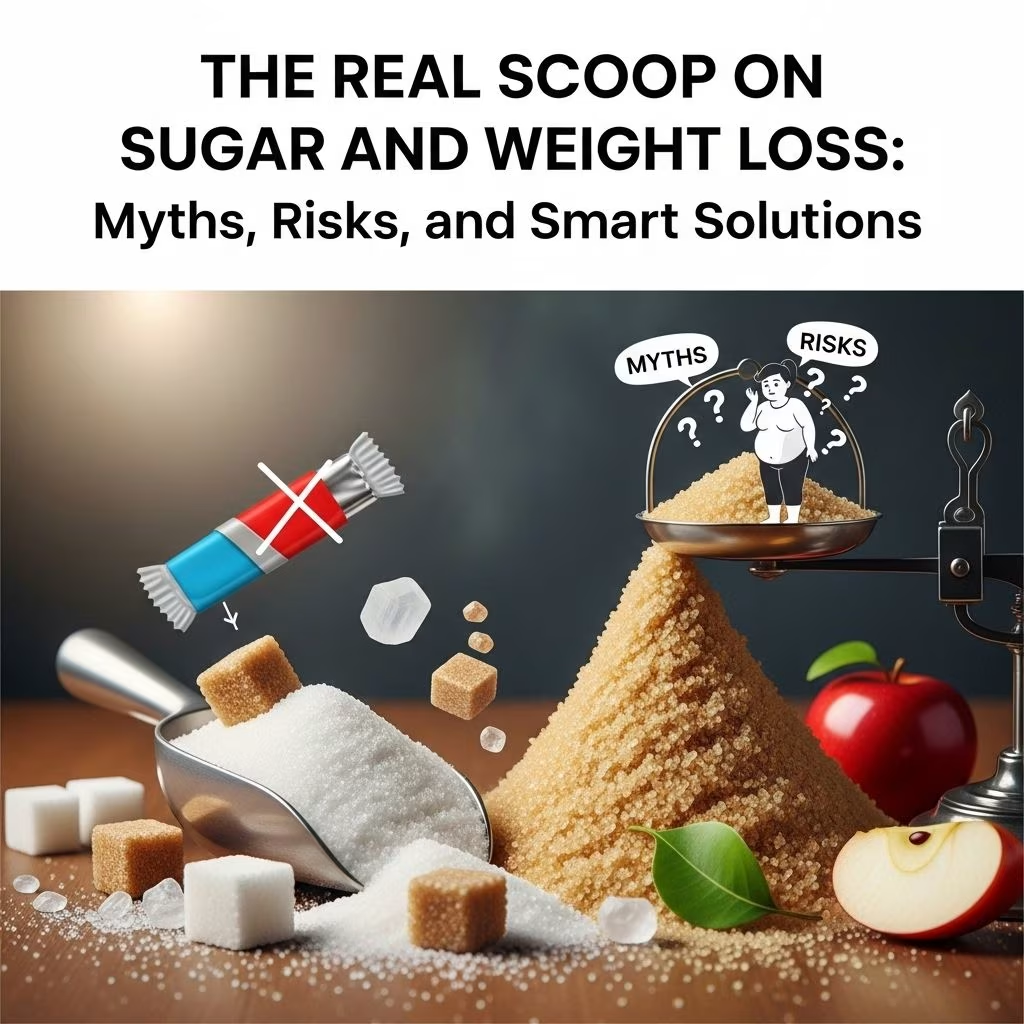
Public perception links sugar directly to weight gain and obesity, but not all sugar is created equal. Despite the diet industry’s fixation on ‘quitting sugar’ or switching to substitutes, the truth is more nuanced. This comprehensive guide explores what science says about sugar’s impact on your body, the effectiveness of sugar substitutes, and how to strike a balance for lasting weight loss and health.
Is Sugar the Main Villain in Weight Gain?
Sugar is often blamed for the growing obesity epidemic, and it’s true that added sugars contribute significantly to excess calorie intake. However, demonizing sugar alone overlooks broader dietary patterns and lifestyle choices that drive weight gain.
Calories from added sugars—present in sodas, sweets, and processed foods—add up quickly, but the issue is more complex than sugar alone. Excess calories from all sources, especially ultra-processed foods rich in fats and refined carbs, are key contributors to weight gain and related health conditions such as prediabetes, type 2 diabetes, and cardiovascular disease.
- Added sugars (not naturally occurring sugars in fruit or dairy) are most problematic for weight and health.
- Consuming too many calories—from any source—results in weight gain if not offset by physical activity.
- Reducing sugar without broader dietary change offers only modest benefits.
Understanding Sugar: Natural vs. Added
Natural sugars exist in whole foods like fruit and dairy. These come along with vitamins, minerals, water, and fiber, which slow digestion and provide a sense of fullness. Added sugars are introduced to processed foods and drinks to enhance flavor, texture, and shelf life.
| Type of Sugar | Sources | Health Impact |
|---|---|---|
| Natural sugars | Fruit, vegetables, milk, some grains | Generally healthy due to nutrient and fiber content |
| Added sugars | Soda, candy, baked goods, sweetened dairy, energy drinks | Linked to weight gain, diabetes, heart disease |
The American Heart Association recommends limiting added sugar intake to no more than 6 teaspoons (about 25 grams) per day for women and 9 teaspoons (about 36 grams) for men. The typical American diet, however, far exceeds these limits.
The Science: Does Sugar Alone Make You Gain Weight?
A growing body of evidence suggests that calories consumed versus calories burned remains the most important factor in weight management. This means that sugar, per se, is not uniquely fattening compared to other sources of calories.
- Excess sugar is often ‘hidden’ in processed and restaurant foods, contributing calories with little nutritional value.
- Studies show that diets high in ultra-processed foods promote overeating, body fat accumulation, and metabolic issues—regardless of whether those calories come primarily from sugar or fat.
- Minimally processed diets, even with similar nutrient profiles, lead to greater fat loss and improved wellbeing compared to heavily processed diets.
The Real Risks: What Added Sugar Does to Your Body
While sugar itself is not inherently toxic, chronic overconsumption—especially of added sugars—has serious health implications:
- Obesity: Added sugar is energy-dense, causing calorie surplus and weight gain over time.
- Insulin Resistance / Type 2 Diabetes: Regularly consuming high-sugar foods and beverages strains the body’s ability to regulate blood sugar, increasing diabetes risk.
- Heart Disease: Excess sugar intake is associated with higher triglycerides, inflammation, and high blood pressure.
- Fatty Liver Disease: Sugary drinks are linked to increased liver fat, a precursor to nonalcoholic fatty liver disease.
On the other hand, sugar naturally present in fruit and whole foods has not been shown to pose the same risks when consumed as part of a balanced diet.
Do Sugar Substitutes Really Help You Lose Weight?
Many seek out sugar substitutes (like sucralose, stevia, and aspartame) or ‘natural’ sweeteners (such as agave or honey) to reduce sugar intake, but is this an effective long-term weight loss solution?
- Evidence shows sugar substitutes can lower calorie intake when consciously used to replace foods and drinks high in added sugars.
- However, relying on nonnutritive sweeteners alone does not guarantee weight loss—broader dietary changes and physical activity are equally or more important.
- The World Health Organization (WHO) recently reported that there is little evidence that sugar substitutes, by themselves, produce substantial weight loss over time.
Why Sugar Substitutes Are Not a Magic Bullet
Many people believe that simply swapping sugar for a zero-calorie sweetener will melt off pounds, but research paints a more complicated picture:
- Sugar substitutes may help reduce overall sugar and calorie intake, but habits and portion sizes matter more.
- There is no shortcut: Sustainable weight loss requires a comprehensive approach, including managing calorie intake, choosing whole foods, moving more, and getting adequate sleep.
- Some studies suggest that ultra-processed foods (even if sugar-free) may lead to cravings, overeating, and weight gain.
Low- and No-Calorie Sweeteners: Are They Safe?
The use of low- and no-calorie sweeteners (LNCS) has been extensively reviewed for safety by regulatory agencies worldwide. For most people, consuming LNCS in moderation is considered safe and can be a helpful strategy to reduce intake of added sugars.
- Dietitians and the American Diabetes Association recognize that LNCS can aid in glycemic and weight management if they replace high-sugar foods and drinks.
- Concerns about negative health effects exist, but current evidence does not show adverse impacts on blood sugar or insulin regulation when used appropriately.
- Taste preferences and psychological satisfaction may play as large a role as the sweetener itself in the success of dietary changes.
Practical Strategies for Reducing Added Sugar Intake
Successfully limiting added sugars starts with practical, realistic choices tailored to your tastes, habits, and circumstances.
- Read ingredient labels and recognize hidden sources of sugar (look for terms like cane juice, high fructose corn syrup, maltose, dextrose, etc.).
- Choose unsweetened versions of yogurt, cereals, drinks, and snacks and sweeten them yourself—if necessary—with a small amount of honey, maple syrup, or fruit.
- Prioritize whole, minimally processed foods over packaged products.
- Replace refined grains and sweets with fruits, vegetable-rich dishes, and whole grains.
- If using sugar substitutes, experiment to find products that match your taste preferences and do not trigger cravings or overeating.
- Monitor portion sizes for foods high in naturally-occurring sugars and carbohydrates, such as dates, fruit juice, and smoothies.
- Drink water, unsweetened tea, or sparkling water instead of sugary beverages.
Smart Swaps: Satisfying a Sweet Tooth without Sabotaging Your Health
Cravings for sweetness are normal, but there are smarter ways to satisfy them without compromising your goals:
- Use mashed banana, applesauce, or pureed fruit in recipes instead of sugar.
- When baking, cut sugar by half and add vanilla, cinnamon, or nutmeg for flavor depth.
- Top whole grain toast or plain yogurt with sliced berries or a drizzle of nut butter instead of honey or jam.
- Enjoy frozen fruit as a snack or dessert instead of ice cream or candy.
What If You Have a Sweet Tooth? Balancing Enjoyment and Moderation
Going sugar-free is not necessary for good health or sustainable weight loss. Instead, focus on moderation, balance, and overall dietary quality.
- Allow for occasional treats within the context of a healthy eating pattern.
- Consider portion-controlled versions of your favorites rather than forbidden foods, which can backfire and cause bingeing.
- Look for real enjoyment in sweets, eating mindfully and savoring the taste rather than eating out of habit or boredom.
- Remember, healthy eating is a lifelong approach, not an all-or-nothing plan.
Real-Life Success Stories: The Impact of Cutting Sugar
Many people find renewed energy, improved sleep, and better health markers when reducing added sugar.
For instance, busy mothers, professionals, and individuals with prediabetes report that cutting back on added sugars—without obsessing over every gram—helps them lose inches and gain vitality.
Frequently Asked Questions (FAQs)
Does eating fruit make you gain weight because of natural sugar?
No. Fruits provide fiber, vitamins, and antioxidants that slow sugar absorption and promote satiety. Eaten as part of a healthy diet, fruit does not contribute to obesity.
Are some sugars better than others?
While honey, agave, and maple syrup contain trace minerals and different flavors, they are still sources of added sugar. Use them in moderation, but do not assume they are ‘health foods.’
Is going sugar-free healthier?
Cutting all sugar is unnecessary for most people. Focus on limiting added sugars and ultra-processed foods, while enjoying natural sugars from whole foods in reasonable amounts.
Do sugar substitutes raise blood sugar?
Most approved sugar substitutes have minimal impact on blood glucose and are safe for moderation. However, individual responses may vary, so monitor how your body reacts.
Can you lose weight just by switching to sugar-free drinks and snacks?
No. Although cutting out sugary beverages is helpful, meaningful, and lasting weight loss depends on overall calorie balance, eating habits, and activity level. Sugar-free does not always mean healthy or low-calorie.
What are practical first steps to cut back on added sugar?
- Swap sugar-sweetened drinks for water or unsweetened coffee or tea.
- Cook more at home, using whole ingredients and less processed foods.
- Limit desserts to a few times per week, savoring them mindfully instead of out of habit.
- Read nutrition labels to identify hidden sugars in packaged foods.
Bottom Line: Making Peace with Sugar for Lasting Health
Sugar, especially in its added and highly processed forms, has a powerful impact on modern diets and health. Yet, it is not entirely to blame for the challenges of weight gain and chronic disease. By arming yourself with up-to-date science, emphasizing moderation, prioritizing whole foods, and resisting fad diets and miracle substitutes, you can enjoy a healthier relationship with sugar while achieving your weight management goals.
This article is for informational purposes only and should not be construed as medical advice. Consult a qualified healthcare provider or registered dietitian for personalized dietary guidance.
References
- https://pmc.ncbi.nlm.nih.gov/articles/PMC7839604/
- https://www.prevention.com/food-nutrition/healthy-eating/a65664887/ultra-processed-foods-weight-loss-gut-health-study/
- https://www.prevention.com/health/a43945064/who-report-don-not-use-sugar-substitutes-for-weight-loss/
- https://www.prevention.com/weight-loss/diets/a20454012/sugar-smart-diet-success-story-lisa-dickinson/
- https://www.prevention.com/weight-loss/diets/a64309221/no-sugar-diet/
- https://www.prevention.com/health/a65191313/what-happens-to-your-body-when-you-stop-eating-sugar/
- https://www.prevention.com/food-nutrition/healthy-eating/a20500668/low-sugar-diet/
- https://www.prevention.com/weight-loss/a20439714/how-to-stop-sugar-cravings/
- https://www.cdc.gov/nutrition/php/data-research/added-sugars.html


