


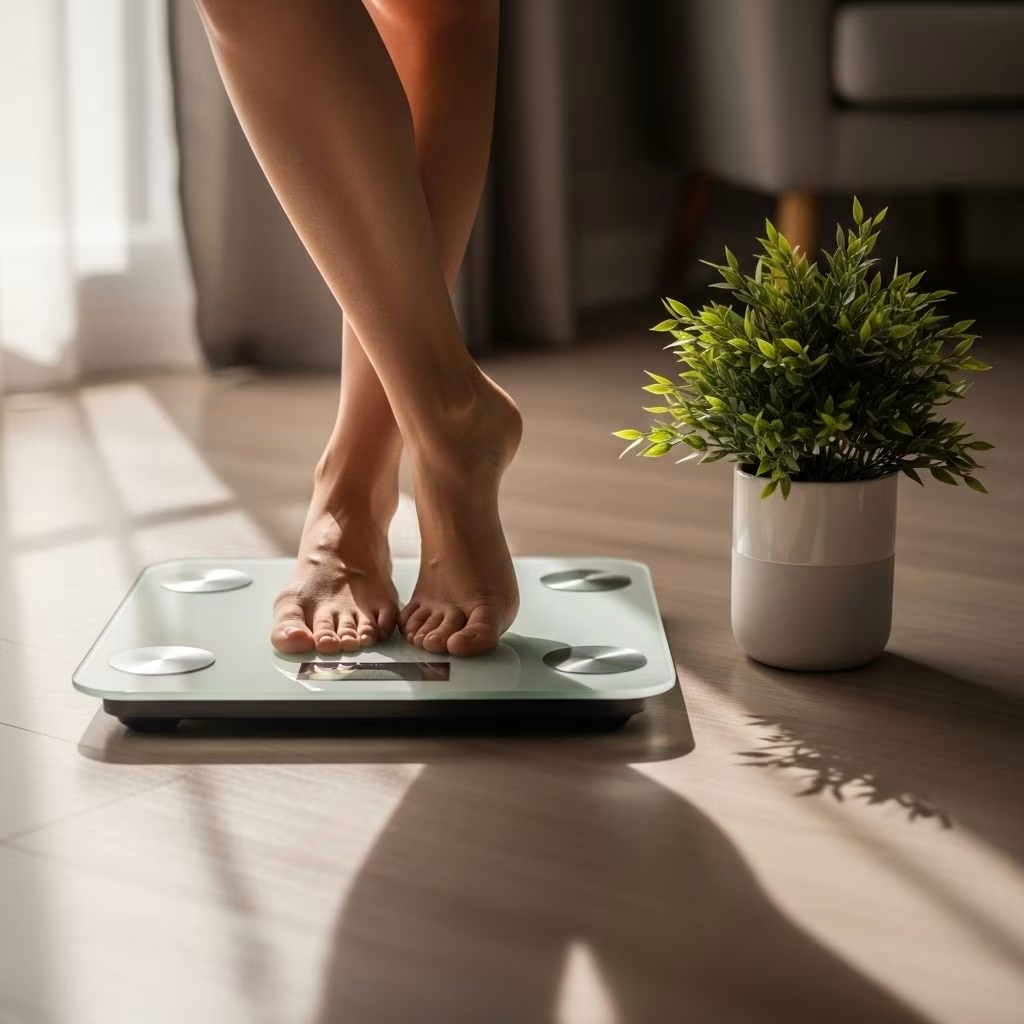
How to Make Peace With Your Scale and Use It for Lasting Weight Loss
For many people, the bathroom scale can feel like a double-edged sword—capable of delivering both triumph and despair. But mounting scientific evidence now shows that this simple device, long maligned for its emotional impact, can actually be one of the most powerful allies for achieving and maintaining a healthy weight. Rather than avoiding the scale or letting it rule your mood, learning how to use it as a positive, practical tool can make a dramatic difference in your long-term success.
Rethinking the Scale: Myth vs. Science
For years, experts advised steering clear of the bathroom scale, warning that frequent weighing could lead to obsession or emotional ups and downs. But a comprehensive review of over a dozen studies—including more than 16,000 dieters—now provides indisputable evidence that the scale is, in fact, among the most effective tools for both losing weight and preventing regain. Statistics show that 75% of people who lose at least 30 pounds and keep it off—according to the National Weight Control Registry—weigh themselves at least once a week.
- Regular self-weighing can lead to greater awareness and behavioral changes.
- Daily tracking improves accountability and helps reinforce sustained healthy habits.
- Contrary to old beliefs, frequent weigh-ins can enhance your sense of control and overall mood.
Five Surprising Truths About Using Your Scale Wisely
If you’ve ever felt like your relationship with the scale is a source of stress, it’s time to reframe your thinking. Consider these five science-backed facts about weighing in, and how to use the scale to your advantage:
1. Weigh Yourself Frequently—for Best Results
Many people think “out of sight, out of mind” when it comes to the scale, but studies show this strategy backfires. One major finding: people who step on the scale daily lost twice as much weight over a period of months as those who only weighed in weekly (12 pounds vs. 6). Those who avoided the scale altogether gained about 4 pounds on average.
- Regularly seeing your weight keeps you conscious of daily choices.
- Daily weighers make healthier decisions throughout their routines—not just when dieting hard.
- Contrary to the belief that tracking weight leads to negative body image, research suggests it often results in a greater sense of empowerment and better mood, thanks to gaining control over small day-to-day changes.
Expert Tip: Weigh yourself once a day, ideally at the same time (preferably morning), to smooth out natural body fluctuations. Weighing more often is unnecessary and can increase fixation on tiny, meaningless changes.
2. Choose a Simple, Reliable Scale—Skip the High-Tech Gadgets
With so many technologically advanced scales flooding the market, it’s easy to think that more data means more control. However, studies, as well as exercise physiologist Dr. Kara Mohr, suggest that basic digital scales are often the best option for most people.
- Scales that estimate body fat use indirect (often inaccurate) algorithms, and readings fluctuate wildly depending on hydration.
- Fancy features like app integration or body composition can create distraction and unnecessary anxiety, rather than helping you focus on actual trends.
- Digital models that show weight to the nearest 0.2 or 0.5 pounds help minimize overreaction to minuscule changes.
Expert Tip: Invest in a basic, durable scale, and place it on a flat, hard surface in your bathroom for the most consistent results.
3. Don’t Stress Over Short-Term Fluctuations
Most people are shocked to see their weight jump up or down a pound (or two) nearly overnight. But the reality is that day-to-day changes almost always reflect water, not fat.
- After drinking a liter of soda, your weight may increase by 2+ pounds—but that’s just the weight of the fluid, not gained fat.
- Going to the bathroom can decrease your weight by up to 1.5 pounds at once.
- Normal processes like breathing and sweating can lead to water weight shifts of about 2 pounds daily.
- High-sodium meals, your menstrual cycle, or dehydration will show up as “gains,” even when your true fat mass hasn’t changed.
The most important thing: Focus on the bigger picture. What matters most is your long-term weight trend, not one-off changes from food, water, or hormones. Remember, one extra meal won’t cause permanent gain unless it becomes a pattern.
Weight Gain Math: Consuming 100 extra calories at every meal can add up to over 30 pounds a year—but so can burning 100 more calories.
4. The Scale Tells One Story—But Not the Whole Story
Weight alone does not equate to health, happiness, or progress. Many things can affect your weight that have nothing to do with fat loss or gain:
- Muscle gain from exercise may cause the number to rise, even as your body becomes leaner.
- Hormonal cycles, travel, changes in stress or sleep can all impact water retention.
- It’s possible to lose inches and gain strength while the scale barely moves.
| Cause | Scale Impact | Significance |
|---|---|---|
| Drinking more fluids | Short-term increase | Temporary, not true fat gain |
| High-sodium meal | Possible uptick | Water retention only |
| Gaining muscle from workouts | May increase | Positive change (lean body mass) |
| Dehydration (sweating, sauna) | Decrease | Temporary loss—mostly water |
Bottom line: Use measurements, how your clothes fit, energy levels, and photos as additional tools for tracking progress.
5. Make Weighing In Part of a Broader Self-Care Routine
The point of monitoring your weight regularly isn’t to punish yourself, but to catch small changes early—and make course corrections before little gains become big ones. Think of the scale not as a judge, but as a feedback tool to help you recognize patterns and celebrate successes.
- Use your daily number to spot long-term trends.
- If you see your weight creeping up, review your recent habits—did you dine out more? Skip workouts?
- Focus on consistency, self-compassion, and learning from both “good” and “bad” days.
Action Step: Log your weight in a journal or app to help visualize trends. Pair weighing with affirmations, a healthy breakfast, or a short walk to reinforce positive behaviors.
One Woman’s Scale Diary: Real-Life Insights
Want a relatable glimpse into how daily weighing works in practice? Consider ‘Margaret,’ who tracked her weight daily for a month and gained surprising perspective:
- She noticed that one salty meal could shift her weight by 2-3 pounds the next day, but it always normalized within a day or two.
- Her lowest weigh-in rarely coincided with her best-feeling day—instead, she learned to trust her jeans and compliments from friends along with the number.
- By noting the broader pattern (a slow, steady drop), she stayed motivated even when the line wasn’t perfectly straight down.
Her advice: “Let the scale be a piece of the puzzle, not the whole picture. Use the number as information, not judgment.”
Frequently Asked Questions (FAQs)
Q: Can weighing yourself too often be harmful for your mental health?
A: If you find that checking the scale triggers anxiety or negative self-image, it may help to focus on weekly weigh-ins or to combine the process with positive self-talk. For most people, daily weighing paired with a healthy perspective actually improves confidence and motivation, but your mileage may vary. Seek balance and pay attention to your emotional signals.
Q: What’s the best way to handle weight plateaus or small gains?
A: Plateaus are normal and often reflect your body’s adjustment to new routines. Check for changes in sleep, stress, and physical activity, and don’t panic over minor gains—look for trends over several weeks before making big adjustments.
Q: How do I know if my scale is accurate?
A: Test your scale by weighing the same object (a dumbbell or bag of flour) multiple times. If the weight is consistent, your scale is likely accurate. Place the scale on a firm, flat surface for your weigh-ins, and avoid moving it between uses.
Q: Should I track my weight if I’m weight training or building muscle?
A: Yes, but pair it with other indicators like body measurements, photos, or fitness milestones. Muscle is denser than fat, so you may not see dramatic scale changes even as you improve your physique.
Q: What time of day is best to weigh myself?
A: The most reliable time is first thing in the morning, after using the bathroom and before eating or drinking. This reduces the influence of water and meals on daily numbers and gives a more consistent picture over time.
Practical Tips for Building a Positive Scale Routine
- Pick a consistent time and day for weigh-ins, such as every morning.
- Wear similar clothing (or none at all) for the most consistent readings.
- Keep a log—on paper, an app, or a spreadsheet. Visual trends are more meaningful than single data points.
- Pair your weigh-in with a positive habit, such as drinking a glass of water or reading a motivational quote.
- Don’t let small ups or downs dictate your mood. Instead, see your weight as neutral feedback, not a verdict on your value or progress.
- Celebrate wins that the scale can’t measure: improvements in energy, sleep, clothing fit, or strength are equally important.
Key Takeaways: Making Friends With Your Scale
- The bathroom scale, when used correctly, is a valuable tool for weight loss and maintenance.
- Daily or weekly weighing helps you recognize patterns and make long-term changes.
- Expect normal, temporary fluctuations—and use other metrics to measure success.
- Choose a simple, reliable scale; focus on trends, not individual readings.
- Let the number be just one part of your health journey—never the whole story.
References
- https://www.prevention.com/weight-loss/diets/a20437788/make-friends-with-your-scale/
- https://www.usatoday.com/story/life/2016/01/03/weight-loss-scales-daily/77584478/
- https://pmc.ncbi.nlm.nih.gov/articles/PMC3681721/
- https://www.prevention.com/weight-loss/a20504464/track-your-weight-loss-without-a-scale/
- https://www.prevention.com/weight-loss/a20430746/weight-loss-success-stories/
- https://www.prevention.com/weight-loss/g25832230/non-scale-victories-weight-loss/
- https://www.prevention.com/health/a65401665/expert-walking-tips-weight-loss/
- https://www.prevention.com/weight-loss/a20462232/lose-weight-without-even-trying-with-mindfulness/
- https://www.prevention.com/weight-loss/g20438484/i-photographed-everything-i-ate-for-a-month/
- https://www.carolinemiller.com/i-stopped-making-new-years-resolutions-about-weight-loss-and-it-set-me-free-prevention-com/


