


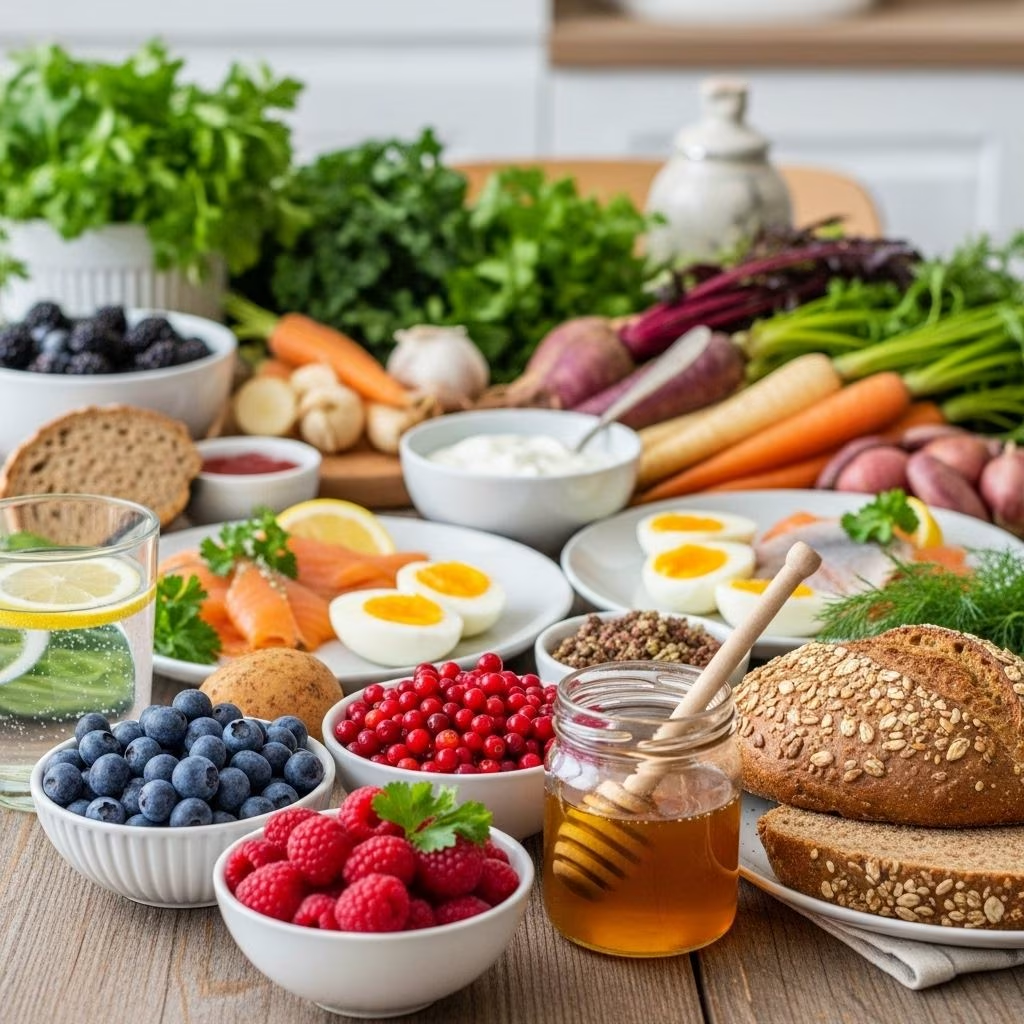
The New Nordic Diet: A Transformative Approach to Health
The New Nordic Diet has emerged as a leading eating pattern, celebrated for its scientifically backed benefits that include weight loss, heart health, and broad improvements to overall well-being. Developed with a focus on seasonal, locally sourced foods, this approach goes beyond nutrition—it fosters a sustainable relationship with the environment and encourages a return to minimally processed meals.
What Is the New Nordic Diet?
The New Nordic Diet was carefully crafted by nutrition scientists, chefs, and environmental advocates in the Nordic countries (Denmark, Finland, Iceland, Norway, and Sweden) in response to growing concern over Western eating habits and their associated chronic diseases. The goal: to encourage the consumption of traditional and local foods while promoting sustainability and robust health.
- Core foods: Whole grains (like rye, barley, and oats), root vegetables, cabbages, berries, apples, pears, fresh and wild-caught fish, legumes, potatoes, nuts, seeds, and small amounts of high-quality dairy and meat.
- Minimally processed: The diet discourages processed foods, excessive added sugars, and industrial oils.
- Seasonal and local: The focus is on foods that are in season and locally available, reducing environmental impact.
- Eco-friendly: Emphasis is placed on growing and harvesting food sustainably and reducing food waste.
Nordic vs. Mediterranean Diets
| Nordic Diet | Mediterranean Diet |
|---|---|
| Root vegetables, berries, local apples & pears | Tomatoes, eggplant, citrus fruits, olives |
| Whole grains like rye, barley, oats | Whole wheat, bulgur, farro, brown rice |
| Wild-caught fish, modest lean meats | Fish, poultry, occasional lean red meats |
| Rapeseed (canola) oil | Olive oil |
| Foraged herbs & mushrooms | Garlic, basil, oregano, parsley |
Both diets focus on healthful, minimally processed foods, but the Nordic Diet is tailored to northern climates and places greater emphasis on foraged foods and root crops.
Key Principles of the New Nordic Diet
- Eat more fruits and vegetables—especially root vegetables, brassicas (like cabbage), and wild berries.
- Choose whole grains such as rye, oats, and barley.
- Enjoy fish and seafood multiple times per week—ideally wild-caught and local.
- Use canola (rapeseed) oil as a primary fat source, valued for its healthy fatty acid profile.
- Include high-fiber legumes (beans, lentils, peas) regularly.
- Select modest amounts of dairy and lean meats, sourcing from sustainable producers when possible.
- Avoid excess sugar, processed snacks, and industrially refined foods.
- Choose local, seasonally available produce whenever possible.
The Science-Backed Benefits of the New Nordic Diet
Numerous clinical studies indicate that following the New Nordic Diet leads to a striking array of health benefits:
1. Fosters Better Mood and Cognitive Health
Research links adherence to the New Nordic Diet to reduced stress and anxiety, improved mental well-being, and a lower risk of age-related cognitive decline. For example, a study of Scandinavian individuals showed that a nutrient-rich Nordic Diet may increase brain-healthy antioxidant levels and support healthy cell membranes—a potential buffer against cognitive diseases.
2. Enhances Physical Fitness and Mobility
The diet may promote better physical performance, especially as one ages. A decade-long study in Finland demonstrated that older women who closely followed the Nordic Diet outperformed their peers in walking, strength, and mobility tests—even into their seventies.
3. Reduces Risk of Type 2 Diabetes
Evidence indicates a reduction in the risk of type 2 diabetes by 25% in women and up to 38% in men among those following the Nordic Diet. High fiber, whole grains, and nutrient-dense vegetables play a key role in regulating blood sugar and insulin levels.
4. Promotes Weight Loss and Healthy Body Composition
Clinical trials and population studies reveal that the New Nordic Diet can support moderate, sustained weight loss. Participants commonly lose a few more pounds compared to those on standard Western or Danish diets, coupled with improvements in body fat percentage and BMI. Importantly, these benefits often extend over several years when the diet is maintained.
5. Helps Reduce Inflammation
Low-grade inflammation is behind many chronic illnesses. Adherents of the Nordic Diet show reductions in markers like C-reactive protein, as well as beneficial changes in the expression of genes that trigger inflammation. This effect is notable even in people at higher risk for metabolic disorders.
6. Supports Heart Health
Multiple studies highlight the cardiovascular benefits of the New Nordic Diet:
- Significant drops in LDL cholesterol (the “bad” kind), with reductions as high as 21%.
- Lowered systolic and diastolic blood pressure—average reductions of 5.1 mmHg and 3.2 mmHg, respectively.
- Less artery-clogging plaque (atherosclerosis) and a reduced likelihood of heart attacks for both men and women.
- Lower risk of stroke, particularly for males across long-term follow-up.
Typical Foods: What to Eat & What to Avoid
Recommended Nordic Diet Foods
- Fresh and wild-caught fish (salmon, herring, mackerel, cod)
- Berries (blueberries, lingonberries, blackcurrants, strawberries)
- Foraged and seasonal plants (nettle, dandelion greens, wild garlic)
- Whole grains (rye, oats, barley)
- Pulses and legumes (peas, beans, lentils)
- Root vegetables (potatoes, carrots, parsnips, turnips, beets)
- Cabbage family vegetables (cabbage, kale, Brussels sprouts, cauliflower)
- Mushrooms and seaweed
- Modest portions of high-quality dairy products (yogurt, aged cheeses)
- Lean meats (game, poultry) in smaller quantities
- Nuts and seeds (hazelnuts, sunflower seeds, flaxseed)
- Rapeseed (canola) oil as the primary fat
Foods to Limit or Avoid
- Highly processed foods (packaged snacks, refined baked goods)
- Industrial oils (corn, soybean, palm oil)
- Excess sugar (especially soft drinks, sweets, added sugars in foods)
- Red and processed meats in large quantities
- Alcoholic beverages (other than modest consumption)
Sample Day on the New Nordic Diet
Breakfast: Rye porridge topped with fresh berries and a spoonful of skyr (Icelandic yogurt).
Lunch: Smoked salmon salad with baby greens, shaved carrots, apple slices, and a rapeseed oil vinaigrette; whole grain bread on the side.
Snack: Sliced turnip with hummus and a handful of lingonberries.
Dinner: Baked cod with roasted root vegetables (potatoes, beets, carrots) and sautéed kale with wild mushrooms.
Dessert: Stewed apples and blackcurrants with flaxseed sprinkle.
Environmental Impact: Eating with the Earth in Mind
A core tenet of the New Nordic Diet is sustainability. By emphasizing local, nutrient-rich foods and reducing reliance on resource-intensive imports and processed snacks, this diet offers a reduced carbon footprint. It also encourages less waste by promoting seasonality and nose-to-tail or root-to-stem cooking.
Benefits Beyond Nutrition
- Simplicity and Culinary Enjoyment: Emphasizes simple preparations that bring out natural flavors.
- No calorie counting: Focuses on quality, not strict calorie restriction.
- Cultural connection: Encourages engagement with local food heritage and seasonal eating.
- Flexible and adaptable: Suitable for many dietary needs, with vegetarian and vegan options easily incorporated.
Potential Drawbacks and Considerations
- Availability: Some Nordic foods may be less accessible outside of Northern Europe, but the principles are widely adaptable using local, whole foods.
- Cost: Fresh, organic, and wild-caught items may be more expensive, though seasonal produce can offset costs.
- Not a quick fix: While weight loss can occur, results are most pronounced with long-term adherence.
How to Get Started with the Nordic Diet
- Focus on adding more local and seasonal vegetables to every meal.
- Switch your primary fat to canola (rapeseed) oil.
- Choose fish or legumes as your main protein several times each week.
- Experiment with Nordic grains like rye and barley instead of wheat.
- Replace sugary snacks with fruit (particularly berries) and nuts.
- Minimize highly processed foods and excess added sugar.
- Try new recipes inspired by traditional Scandinavian meals for variety.
Frequently Asked Questions (FAQs)
Q: Is the New Nordic Diet very restrictive?
A: No. Unlike many popular diets, the Nordic Diet does not eliminate whole food groups. Instead, it emphasizes healthier, minimally processed options and variety from local sources.
Q: Can vegetarians and vegans follow the New Nordic Diet?
A: Absolutely. Although fish and modest dairy are featured, the focus on legumes, whole grains, berries, and vegetables makes this diet compatible with both vegetarian and vegan preferences.
Q: Will I lose weight on the Nordic Diet?
A: Many clinical studies suggest moderate, sustained weight loss compared to standard Western diets. However, results depend on individuals and on overall calorie consumption and activity levels.
Q: How does the Nordic Diet compare to the Mediterranean Diet?
A: Both promote plant-rich, minimally processed foods and healthy fats. The main difference lies in regional ingredients—Nordic uses canola oil, root veggies, and wild berries, while Mediterranean features olive oil, tomatoes, and citrus. Health outcomes are similarly positive for both diets.
Q: Are there any risks or drawbacks?
A: The diet is generally safe and well-tolerated. Cost and food accessibility may be issues for some; those with specific allergies or health conditions should adapt the diet as needed and consult a healthcare provider for personalized advice.
References
- https://fullscript.com/blog/nordic-diet
- https://www.orlandohealth.com/content-hub/move-over-mediterranean-dietthe-new-nordic-diet-is-here/
- https://www.healthline.com/nutrition/the-nordic-diet-review
- https://health.clevelandclinic.org/nordic-diet
- https://www.health.harvard.edu/blog/the-nordic-diet-healthy-fare-with-an-eco-friendly-bent-201511198673
- https://pmc.ncbi.nlm.nih.gov/articles/PMC10461010/
- https://www.webmd.com/diet/ss/slideshow-nordic-diet


