


Healthy Eating Tips and Balanced Sample Meal Plans for Sustainable Weight Loss
Are you searching for effective ways to lose weight, boost your energy, and enjoy every bite along the way? The latest nutrition science shows that overly restrictive diets aren’t the answer—instead, incorporating balanced meals with satisfying ingredients and smart strategies can lead to success, no deprivation required. This comprehensive guide provides proven healthy eating tips and creative sample meal plans designed to help you shed pounds while feeling satisfied and nourishing your body for the long term.
Why Healthy Eating Beats Dieting
Traditional weight-loss approaches often focus on cutting out entire food groups or slashing calories to unsustainable levels. Instead, modern nutrition experts recommend a more realistic, enjoyable plan based on balance, variety, and mindful portions. Here’s why this works:
- No food is off limits: Satisfying your cravings with smarter choices prevents feelings of deprivation that can sabotage long-term progress.
- Focus on nutrient density: Emphasizing vegetables, whole grains, lean proteins, and healthy fats keeps you fuller for longer—and gives your body the vitamins it needs to thrive.
- Sustainable habits win: A routine of regular, enjoyable meals is easier to stick with than constantly battling hunger or boredom with bland foods.
Top Healthy Eating Tips for Lasting Results
- Build each meal with all food groups: The most satisfying and nutritious meals combine lean proteins, whole grains, fruits, vegetables, and healthy fats. This approach stabilizes blood sugar, prevents cravings, and fuels your day.
- Eat breakfast every morning: A balanced breakfast jumpstarts your metabolism and helps prevent overeating later.
- Plan ahead: Meal planning and prep mean you’ll always have healthy options available, even on busy days.
- Practice portion control: Even healthy foods can lead to weight gain when eaten in excess—measure portions, especially when dining out or enjoying calorie-dense foods.
- Embrace snacks (if needed): Smart snacks rich in protein or fiber—like yogurt, nuts, or veggie sticks—can curb hunger and prevent energy crashes between meals.
- Hydrate wisely: Drink water throughout the day and minimize calorie-laden beverages like sugar-sweetened drinks or specialty coffees.
- Treat yourself mindfully: Enjoy treats in moderation—savoring your favorite indulgences occasionally (rather than banning them) can help you stay motivated.
What Does a Balanced Meal Look Like?
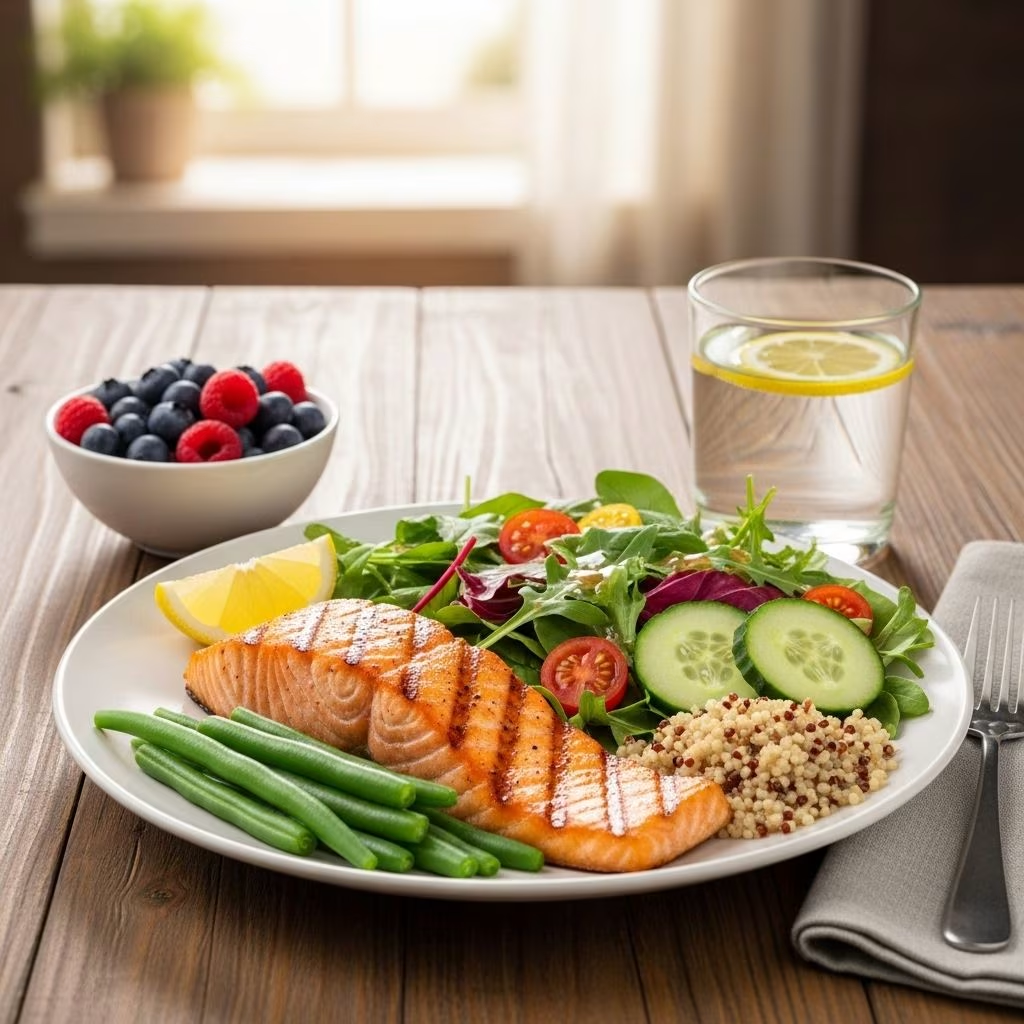
Building well-rounded meals is key to keeping you full and satisfied. The following formula is simple but effective for weight loss and overall health:
- Half your plate: Non-starchy vegetables (leafy greens, carrots, broccoli, peppers, tomatoes, etc.)
- A quarter: Lean protein (chicken, fish, beans, tofu, low-fat dairy, etc.)
- A quarter: Whole grains or starchy veggies (brown rice, quinoa, sweet potato, whole grain pasta, etc.)
- Add healthy fats: Nuts, seeds, avocado, or a drizzle of extra-virgin olive oil
Visual Portion Guide
| Component | Example Serving Size |
|---|---|
| Non-Starchy Vegetables | 2 cups leafy greens or 1 cup cooked veggies |
| Lean Protein | 3-4 ounces (about the size of a deck of cards) |
| Whole Grains/Starchy Veggies | 1/2 cup cooked grains or 1 small baked potato |
| Healthy Fat | 1-2 teaspoons oil, 1/8 avocado, or 1 tbsp. nuts/seeds |
Flexible 7-Day Sample Meal Plan for Healthy Weight Loss
This sample meal plan delivers about 1,600–1,700 calories per day and covers a full week of balanced, flavorful eating to jumpstart your weight-loss journey. Adjust portions or snacks to fit your unique calorie needs. Remember, you can swap items and meals based on preference and availability while keeping core principles in mind.
Day 1
- Breakfast: Scrambled egg whites (3) with spinach and tomatoes on half a toasted whole grain English muffin, topped with 1 oz Canadian bacon and 1 slice low-fat cheddar. Serve with orange slices.
- Lunch: Grilled chicken breast with mixed green salad (lettuce, cucumber, cherry tomatoes, shredded carrots), 2 tbsp olive oil vinaigrette, and a side of whole grain crackers.
- Snack: Low-fat plain Greek yogurt with fresh berries and 1 tablespoon chia seeds.
- Dinner: Pan-seared salmon (4 oz), 1 cup steamed broccoli, 3/4 cup brown rice pilaf.
- Dessert/Evening Snack: 2 small squares of dark chocolate and a cup of herbal tea.
Day 2
- Breakfast: Overnight oats made with rolled oats, skim milk, diced apple, cinnamon, and walnuts.
- Lunch: Turkey and avocado wrap (whole wheat tortilla, lean turkey, sliced avocado, lettuce, and tomato) served with baby carrots.
- Snack: 1 medium apple and 1 tablespoon almond butter.
- Dinner: Stir-fried tofu with mixed veggies (bell peppers, snap peas, mushrooms) over quinoa.
- Dessert/Evening Snack: 1/2 cup fresh pineapple chunks.
Day 3
- Breakfast: Low-fat cottage cheese with sliced peaches and sprinkle of flaxseed.
- Lunch: Hearty vegetable soup with cannellini beans; served with 1 slice whole grain toast.
- Snack: Sliced bell peppers with 2 tablespoons hummus.
- Dinner: Baked chicken (4 oz) topped with salsa, 1/2 cup cooked farro, and roasted Brussels sprouts.
- Dessert/Evening Snack: 5–6 dried apricot halves.
Day 4
- Breakfast: Berry pomegranate smoothie (plain Greek yogurt, frozen strawberries and blueberries, baby spinach, chia seeds).
- Lunch: Mixed greens topped with shredded rotisserie chicken, cherry tomatoes, olives, feta, cucumbers, and balsamic vinaigrette; served with whole grain pita.
- Snack: 3 cups air-popped popcorn drizzled with 1 tsp olive oil and pinch of sea salt.
- Dinner: Spaghetti squash tossed with sautéed mushrooms, spinach, cherry tomatoes, white beans, and fresh basil.
- Dessert/Evening Snack: Roasted apple slices with cinnamon.
Day 5
- Breakfast: Egg and veggie breakfast sandwich (scrambled eggs, sautéed bell peppers and onions, 1 slice sharp cheddar, whole wheat English muffin).
- Lunch: Quinoa tabbouleh salad with chickpeas, tomatoes, cucumber, parsley, lemon juice, and olive oil.
- Snack: Cottage cheese with pineapple or mango chunks.
- Dinner: Shrimp stir-fry (shrimp, snap peas, carrots, broccoli) over cauliflower rice.
- Dessert/Evening Snack: Berries with a dollop of whipped coconut cream.
Day 6
- Breakfast: Protein-packed smoothie (low-fat milk, protein powder, frozen mixed berries, handful baby kale, 1 tbsp peanut butter).
- Lunch: Lentil and spinach soup served with whole grain toast.
- Snack: Sliced cucumber and cherry tomatoes with 2 tbsp hummus.
- Dinner: Grilled lean steak (3–4 oz) with roasted sweet potatoes and steamed green beans.
- Dessert/Evening Snack: Fresh peach, sliced.
Day 7
- Breakfast: Almond-berry French toast bake (whole grain bread, eggs, unsweetened almond milk, fresh berries, slivered almonds).
- Lunch: Grilled veggie and turkey wrap (whole wheat tortilla, roasted zucchini, peppers, turkey breast, light spread of pesto).
- Snack: 2 tablespoons mixed nuts and a small plum.
- Dinner: Oven-roasted cod, herbed brown rice, and sautéed asparagus spears.
- Dessert/Evening Snack: Greek yogurt with a drizzle of honey.
How to Personalize Your Meal Plan
- Adjust portion sizes for your calorie needs—more if you are very active, less if you have a smaller frame or lower calorie requirements.
- Swap proteins, grains, and veggies: The plan is flexible: feel free to substitute any protein, whole grain, or vegetable, keeping portions similar.
- Explore global flavors: Incorporate herbs, spices, and new ingredients to keep meals interesting and broaden nutritional variety.
Easy, Satisfying Snack Ideas
- Greek yogurt with berries and chia seeds
- Baby carrots and hummus
- Apple slices with nut butter
- 1 small banana with 2 tablespoons sunflower seeds
- 2 whole grain crackers with low-fat cheese
Proven Strategies for Sticking With Healthy Eating
- Stock your kitchen: Keep healthy staples (whole grains, canned beans, frozen veggies, plain Greek yogurt) on hand.
- Practice mindful eating: Focus on your food, eat slowly, and stop when you’re satisfied.
- Don’t skip meals: Skipping meals can lead to overeating later and makes it harder to manage hunger signals.
- Set realistic goals: Aim for a steady 1-2 pounds per week; rapid diets can backfire and aren’t sustainable.
- Reward milestones: Celebrate non-scale victories like improved energy, better sleep, and a more adventurous palate.
Frequently Asked Questions (FAQs)
Q: Is it okay to eat carbs and still lose weight?
A: Yes. Whole grains and starchy vegetables provide fiber, vitamins, and lasting energy. The key is mindful portions and choosing minimally processed varieties.
Q: How often should I eat to lose weight?
A: Most experts recommend three balanced meals with 1-2 nutritious snacks per day. Listen to your body’s hunger cues and avoid skipping meals.
Q: Do I have to count calories?
A: While calorie awareness is useful, focusing on balanced, portion-controlled meals rich in nutrients is typically more sustainable. Consistency matters most.
Q: Can I have dessert?
A: Absolutely. Enjoying occasional treats in sensible portions can help you maintain your plan long-term and prevent feelings of restriction.
Q: What if I slip up or have a high-calorie day?
A: One day won’t derail your progress. Return to your healthy routine at the next meal—consistency over weeks matters more than occasional indulgences.
Bonus: Supportive Habits for Lifelong Success
- Move your body: Exercise supports weight management, boosts mood, and improves overall health.
- Prioritize sleep: Inadequate sleep increases hunger hormones and cravings—aim for 7-9 hours nightly.
- Build a support network: Share your intentions with friends or join a community for accountability and encouragement.
Remember: Real change is built on flexible, nourishing habits—not quick fixes or fads. Use these healthy eating principles and sample meal plans as a foundation to create lasting results that fuel your best life.
References
- https://www.prevention.com/weight-loss/diets/a20461673/weight-loss-diet-plan-0/
- https://www.prevention.com/food-nutrition/healthy-eating/a39108416/prevention-400-calorie-meal-guide/
- https://www.prevention.com/food-nutrition/g29474793/weight-loss-meal-plan/
- https://www.prevention.com/weight-loss/a20428059/healthy-eating-tips-and-sample-meal-plans/
- https://www.prevention.com/weight-loss/g46532620/meal-prep-for-weight-loss/
- https://www.prevention.com/weight-loss/a20429847/28-day-challenge-fast-easy-meal-plan/
- https://www.prevention.com/food-nutrition/healthy-eating/a64297964/healthy-aging-diet-study/
- https://www.prevention.com/weight-loss/diets/a20477494/flat-belly-diet-recipes-73/
- https://www.prevention.com/weight-loss/diets/
- https://www.prevention.com/food-nutrition/a20472042/6-protein-packed-meal-prep-recipes/


