


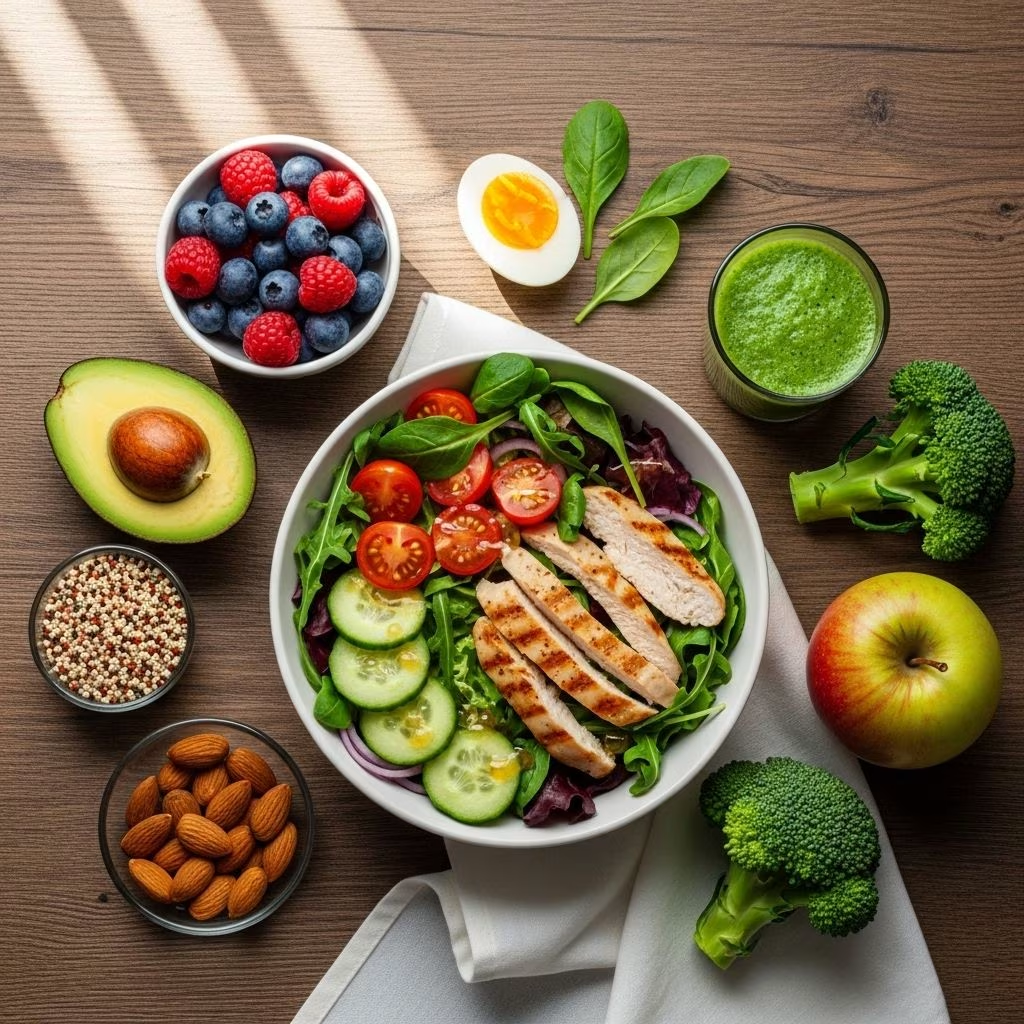
Healthy Foods That Promote Weight Loss
Achieving sustainable weight loss isn’t about deprivation; it’s about enjoyable choices and smart nutrition that help you feel full, energized, and satisfied. Dietitians and doctors agree: a variety of nutrient-rich foods can boost metabolism, curb cravings, and provide lasting fullness so you reach and maintain your goals in a healthy way. Below, discover the most effective foods and evidence-backed strategies for weight loss success.
Why Certain Foods Support Your Weight Loss Efforts
- High Fiber: Fiber keeps you full, prevents overeating, and helps regulate blood sugar.
- Lean Protein: Protein builds muscle, raises thermogenesis (calorie burning during digestion), and reduces cravings.
- Healthy Fats: Fats increase satiety and slow digestion so you stay fuller longer.
- Low Water and Calorie Content: Foods rich in water but low in calories (like cucumbers) help with fullness and hydration.
- Antioxidants & Phytochemicals: These nutrients combat inflammation, which is tied to obesity and metabolic syndrome.
Whole Grains: The Powerful Base
Whole grains like quinoa and brown rice are high in both fiber and protein, which means they keep you satisfied longer and support muscle maintenance. Quinoa specifically may help improve obesity induced by a high-fat diet, according to recent research. Whole grains also provide essential minerals and can prevent cravings caused by blood sugar spikes.
- The fiber content supports deeper satiety and digestive health.
- Use whole grains as a base for salads, bowls, or as a side to lean proteins.
- They’re a slow-burning energy source, reducing the urge to snack between meals.
Lean Proteins: Curbing Cravings and Building Muscle
Increasing your intake of lean proteins — like chicken, turkey, salmon, lean beef, and even cottage cheese — boosts muscle maintenance and helps you feel full due to their high thermic effect. Digesting protein uses more energy than carbs or fats, saving calories over time and promoting weight loss. Plus, it stabilizes blood sugar and reduces cravings for sweets.
- Protein-rich foods promote the growth and repair of muscles, which burn more calories at rest.
- Cottage cheese is uniquely satiating, supplying 25g protein per cup and helpful fatty acids.
- Biltong and roasted chickpeas offer portable, protein-packed snack options.
Fiber-Rich Vegetables: Volume Without Calories
Vegetables are the backbone of any weight loss diet. Low in calories, high in nutrients, and rich in both fiber and water, they help fill you up and nourish your body. Key picks include:
| Vegetable | Main Benefit | Extra Nutrition |
|---|---|---|
| Kale | Manganese supports energy production; antioxidants counteract aging | Protein, vitamins K & A |
| Spinach | Folate (B vitamin), high fiber, low calorie | Versatile in smoothies, salads, and sautés |
| Broccoli & Brussels Sprouts | Cruciferous, fiber-rich, antioxidants | Support gut health, metabolism |
| Cucumber | High water and low calorie for fullness | Quercetin fights inflammation; magnesium for hydration |
| Artichoke & Asparagus | Prebiotics fuel good gut bacteria | Support digestion |
Root Vegetables: Satiating and Nutrient Dense
Sweet potatoes and yams are high in fiber and vitamin C, with powerful antioxidants like beta-carotene. They increase satiety and can help you feel content for hours, according to research. As a bonus, they’re easy to prepare and versatile enough for snacks, sides, or the main event.
- Use roasted, mashed, or baked for a filling alternative to processed snacks.
- Pair with healthy fats or lean protein for balanced meals.
Healthy Fats for Satiety and Satisfaction
Not all fat is bad — certain fats are essential for fullness and metabolic health. Foods rich in unsaturated fats and omega-3s keep you satisfied and may reduce cravings:
- Avocados: Healthy fat content, creamy texture, promote satiety.
- Olive Oil: Use for roasting chickpeas, dressing salads — monounsaturated fats support heart health.
- Fatty Fish (e.g., Salmon): Supplies omega-3s for inflammation control and metabolism boosting.
Berries and Apples: Sweet Cravings, Managed
Satisfy your sweet tooth while adding fiber and antioxidants with berries and apples. With slow-digesting carbohydrates, they help regulate appetite, blood sugar, and cravings.
- Berries: Blueberries, strawberries, raspberries — all high in fiber, antioxidants, and vitamins.
- Apples: Offer both sweetness and fiber (5g per large apple), plus immune-supporting vitamin C.
Other convenient fruits like citrus, pears, and melons also make great, low-calorie snacks with added hydration.
Eggs: Nature’s Perfect Protein
Whole eggs (not just the whites) contain fat, protein, and fat-soluble vitamins for lasting satiety and slow digestion. Including the yolk offers additional nutrients, and research shows eating eggs for breakfast can increase fullness and reduce food intake throughout the day.
- Try hard-boiled eggs as portable snacks.
- Add eggs to salads or vegetable-rich scrambles for balanced meals.
Superfoods That Boost Metabolism and Support Fat Loss
- Ginger: May lower inflammation and cholesterol, improve digestion, and support fat loss.
- Turmeric: Its anti-inflammatory compound curcumin may regulate metabolism and insulin resistance.
- Chocolate: Dark and sometimes milk chocolate, eaten mindfully, can help satisfy cravings and prevent bingeing. Chocolate contains antioxidants and provides satiating fats so you feel satisfied rather than deprived.
Healthy Snack Ideas for Weight Loss
- Kale chips: Oven-baked, crunchy, and full of fiber and antioxidants for a low-calorie snack.
- Cottage cheese: High-protein, satisfying, and supports fat loss — pair with berries for extra fiber.
- Roasted chickpeas: Crunchy, protein-rich, high in fiber and healthy fats when cooked in olive oil; season liberally for extra flavor.
- Biltong: Dried meat strips — portable, high-protein snack that curbs appetite.
Expert Tips to Maximize Your Weight Loss
- Focus on variety: Include a colorful array of fruits, vegetables, whole grains, lean proteins, and healthy fats in each meal.
- Don’t skip healthy fats: Fats are necessary for vitamin absorption and fullness — choose nuts, seeds, olive oil, and avocados.
- Balance every meal: Combine protein, fiber, and healthy fat for lasting satiety and energy.
- Watch sodium and added sugar: Opt for whole food snacks instead of processed chips, sweets, and sodas.
- Stay hydrated: Many low-calorie, water-rich foods (like cucumbers and melons) help you hydrate and feel full.
Sample Balanced Day of Weight-Loss-Friendly Eating
- Breakfast: Spinach and tomato omelet with whole-grain toast; side of berries.
- Lunch: Grilled chicken over kale and quinoa salad with avocado and cucumber; lemon-turmeric vinaigrette.
- Snack: Cottage cheese with raspberries, or roasted chickpeas with paprika.
- Dinner: Salmon fillet, roasted sweet potatoes, steamed broccoli and artichoke salad.
- Treat: Two squares of dark chocolate as an after-dinner treat.
Frequently Asked Questions (FAQs)
Q: Can you lose weight by eating more?
A: By eating more filling, nutrient-dense foods rich in fiber and protein, you can feel satisfied and eat fewer overall calories, making weight loss easier to sustain.
Q: Are carbs bad for weight loss?
A: Carbohydrates from whole grains, fruits, and vegetables are important sources of nutrients and satiety. Eating refined carbs may promote hunger, but whole food sources should remain a staple.
Q: Which is better for weight loss — fat or protein?
A: Both healthy fats and lean proteins are essential. Protein helps with muscle maintenance and fullness; fats slow digestion and provide satisfaction. Balance is key.
Q: How do dark chocolate and other treats fit into a healthy diet?
A: Incorporating small amounts of chocolate or favorite foods can prevent cravings and binge episodes, making a healthy eating strategy more sustainable for the long term.
Key Takeaways
- Weight loss is most sustainable when you focus on nourishment, not restriction.
- Include an abundance of high-fiber vegetables, lean proteins, healthy fats, and water-rich foods.
- Smart snacking (like cottage cheese, kale chips, and chickpeas) can curb cravings and help you maintain healthy habits.
- Enjoy a treat in moderation — satisfaction helps you to stick with healthy changes for the long run.
By making informed choices and selecting foods that work with your metabolism and digestive system, lasting weight loss and optimal health become achievable — and delicious!
References
- https://www.prevention.com/weight-loss/g24805401/fat-burning-foods/
- https://www.prevention.com/weight-loss/g19576831/healthy-snack-ideas-weight-loss/
- https://www.prevention.com/food-nutrition/g29504714/weight-loss-foods/
- https://www.prevention.com/weight-loss/
- https://www.prevention.com/food-nutrition/healthy-eating/a65664887/ultra-processed-foods-weight-loss-gut-health-study/
- https://www.prevention.com/weight-loss/diets/
- https://www.prevention.com/weight-loss/diets/a63174975/best-diets-for-weight-loss-2025/
- https://www.prevention.com/weight-loss/diets/a20459443/healthy-foods-and-weight-loss/
- https://www.prevention.com
- https://www.prevention.com/weight-loss/diets/a60578947/how-to-lose-weight-fast-safely/


