


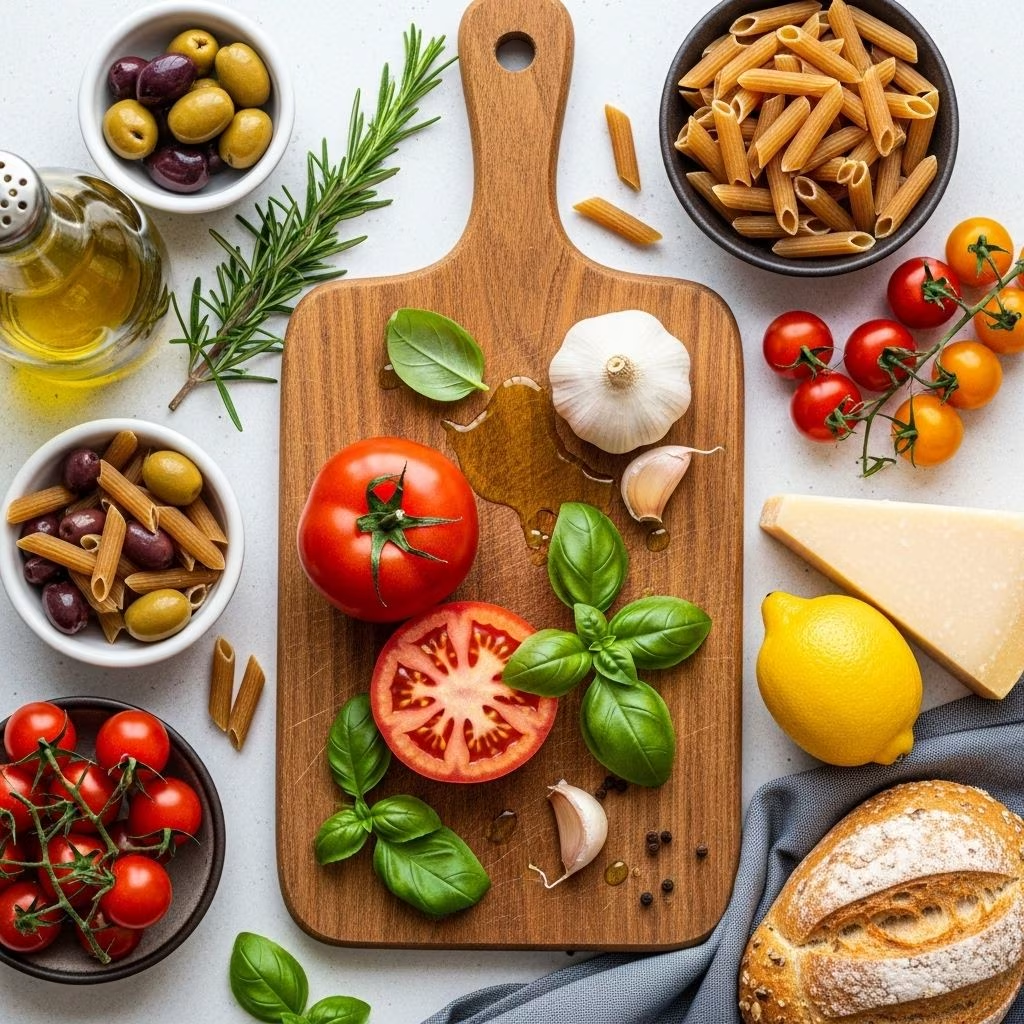
Healthy Lessons from the Italian Diet: Secrets to Satisfying, Balanced Eating
For decades, Italy has offered the world not just its celebrated cuisine but also a model for vibrant health, communal joy, and enduring wellness. While the allure of pasta, pizza, and gelato is universal, the true magic of the Italian diet lies in its traditions—mindful meals, fresh ingredients, and balanced nutrition. This in-depth article reveals the secrets behind Italy’s famously healthy eating habits, guiding you on how to adopt them for a more satisfying, healthful way of life.
Timeless Principles of the Italian Diet
At the heart of the Italian approach to wellness are a handful of core principles that transform every meal into a nourishing experience. Italians believe in:
- Simplicity: Simple combinations of high-quality ingredients bring out natural flavors and nutrients.
- Slow eating: Meals are enjoyed unrushed, fostering digestion, satisfaction, and social connection.
- Whole foods: Refined sugars and processed items are minimized in favor of unprocessed, natural ingredients.
- Mindful enjoyment: Eating is regarded as an act of pleasure, not just necessity—a chance to connect, savor, and celebrate.
The Balance on Your Plate
Italians have a knack for creating meals that are both satisfying and healthful. The balance comes from a thoughtful, deliberate approach to what fills the plate:
- Whole grains: Choose whole wheat pasta, farro, or brown rice for added fiber and vitamins.
- Lean proteins: Regularly incorporate legumes, fish, poultry, and eggs which deliver satiety and essential amino acids.
- Generous vegetables: Dishes are packed with seasonal vegetables—tomatoes, leafy greens, peppers, zucchini—that provide phytonutrients and bulk.
- Healthy fats: Olive oil is the staple, used for dressing, drizzling, or sautéing, contributing heart-healthy monounsaturated fats.
Consider this sample Nutritional Table for a classic Italian meal:
| Food Component | Typical Ingredients | Key Health Benefit |
|---|---|---|
| Carbohydrate | Whole wheat pasta, polenta | Fiber, sustained energy |
| Protein | Grilled fish, chicken, beans | Satiety, muscle repair |
| Vegetable | Tomatoes, spinach, fennel | Vitamins, antioxidants |
| Fat | Extra virgin olive oil, nuts | Heart health |
Seasonal and Local Ingredients
One reason Italian dishes taste so vibrant is the use of seasonal, locally sourced foods. Italians take pride in knowing what’s in season; frequenting farmer’s markets and local vendors ensures every bite is fresh and packed with nutrition.
- Emphasize fruits and vegetables at their peak. Strawberries in summer, citrus in winter, and tomatoes in late summer—these are more flavorful and nutrient-rich.
- Support local producers whenever possible, enriching community and reducing environmental impact.
- Home gardening or window herbs offer a direct connection to freshness.
The Power of Portions and Preparation
Contrary to popular belief, Italian meals are not about excess. Instead, they’re marked by:
- Modest, satisfying portions: Smaller servings leave room for multi-course enjoyment without heaviness.
- Preparation over indulgence: Baking, grilling, and sautéing are preferred over deep-frying.
- A focus on light sauces: Tomato-based is favored over creamy, cheese-laden variants.
- Strategic choices: Mindful use of cheese, cured meats, and decadent ingredients for flavor, not bulk.
Even celebrated Italian foods, like pizza and risotto, are typically enjoyed in smaller sizes, emphasizing satisfaction rather than calorie overload.
Deliberate Eating and Social Connections
Meals in Italy are ceremonies of togetherness, fostering wellbeing through social bonds. Italians often:
- Dedicate time for meals: Eating without distraction, sometimes over several hours.
- Share food: Dishes are portioned to encourage sharing and conversation.
- Practice mindful eating: Focused enjoyment slows consumption, heightening satisfaction and supporting digestion.
- Eat pasta al dente: This firmer texture is lower on the glycemic index, leading to steadier energy and reduced blood sugar spikes.
- Pair with greens and protein: Starting with a bitter salad and following with lean protein helps pace carb digestion and boost nutritional value.
- Choose whole grains: Whenever possible, swap refined products for whole, fiber-rich options.
- Enjoy a post-meal passeggiata (stroll): Italians take relaxed walks after dining, aiding digestion and glucose control.
- Extra virgin olive oil as a primary fat source, replacing butter and margarine.
- Seafood and legumes for protein, limiting red meat and processed options.
- Nuts and seeds for healthy fats and micronutrients.
- Moderation in wine and dairy—all enjoyed in the context of well-balanced meals.
- Reduced processed foods: Sweets and sugary snacks are rarer, replaced by fruits or homemade treats.
- Shop seasonally: Focus on fresh, in-season produce to maximize flavor and nutrition.
- Cook simply: Let natural flavors shine through uncomplicated preparations.
- Eat mindfully: Enjoy meals without screens or stress, savoring every bite.
- Use olive oil: Swap out less healthy fats and use extra virgin olive oil for cooking and salads.
- Start with greens: Begin lunch and dinner with a leafy or bitter salad to aid digestion and balance overall intake.
- Pair carbs wisely: Halve the serving of refined grains and double up on fiber-rich vegetables or pair with lean protein.
- Passeggiata: Incorporate a short, pleasant walk after meals for digestion, relaxation, and social time.
- Choose quality over quantity: Savor what’s on your plate; eat less, enjoy more.
- Build meals around vegetables, lean proteins, and whole grains.
- Embrace seasonality and support local producers for the freshest, most nutritious options.
- Practice mindful and social eating for greater satisfaction and wellbeing.
- Adopt active traditions like the passeggiata to support digestion and blood sugar.
- Favor olive oil and natural ingredients for a wholesome, long-lasting approach to diet and health.
- https://giadzy.com/blogs/tips/4-healthy-italian-habits-to-incorporate-into-your-daily-meal-routine
- https://littlesicilybeckley.com/is-italian-food-a-healthy-choice/
- https://www.thelazyitalian.com/embracing-italian-healthy-habits-in-the-new-year/
- https://www.creativeedgetravel.com/post/how-italians-eat-so-many-carbs
- https://www.medicinenet.com/what_is_a_typical_italian_diet/article.htm
- https://pmc.ncbi.nlm.nih.gov/articles/PMC7911362/
- https://www.gargiulostf.com/blog/mediterranean-diet-magic-how-italians-stay-healthy-and-happy
- http://www.passionandcooking.com/healthy-italian-lifestyle/
This cultural tradition does more than nourish; it positively affects mental health, stress reduction, and even longevity.
Savoring Carbs the Italian Way
Pastas, breads, and grains are staples in Italy, yet Italians remain among the world’s healthiest populations. Their secret? Moderation and intelligent food pairing:
Mediterranean Diet Foundations
The Mediterranean Diet—celebrated for championing longevity and disease prevention—is rooted in Italian tradition. Its key pillars include:
Following these principles can significantly lower the risk of heart disease, obesity, and type II diabetes.
Healthy Italian Habits You Can Try
Ready to embrace the Italian approach? Here are seven practical habits for daily wellbeing:
Frequently Asked Questions (FAQs)
Q: What makes some Italian dishes seem unhealthy?
Dishes dominated by large amounts of cheese, cream-based sauces, or processed meats tend to be higher in saturated fat and calories. Eating these in moderation, and prioritizing vegetable- or tomato-based options, makes a substantial difference.
Q: Is pizza always unhealthy?
Not at all. Opt for thin crust, moderate cheese, loads of vegetables, and lean proteins like grilled chicken for a balanced, nutritious meal.
Q: Can I enjoy pasta on a healthy diet?
Absolutely. Whole grain pasta with tomato-based sauces, lots of vegetables, and mindful portion sizes is both healthy and satisfying.
Q: Is the Italian diet healthy or unhealthy overall?
When based on traditional foods and habits—whole foods, produce, olive oil, balanced portions—the Italian diet is among the healthiest in the world. The biggest challenge comes from adapting too many processed and oversized American-Italian variations.
Q: Can I still lose weight following the Italian approach?
The emphasis on whole foods, healthy fats, vegetables, and moderate portions supports weight management and metabolic health, especially when paired with regular physical activity and mindful eating.
Key Takeaways for Lasting Health
By weaving these inspiring lessons from Italian food culture into everyday life, you can enjoy lasting wellness and satisfaction at every meal.


