


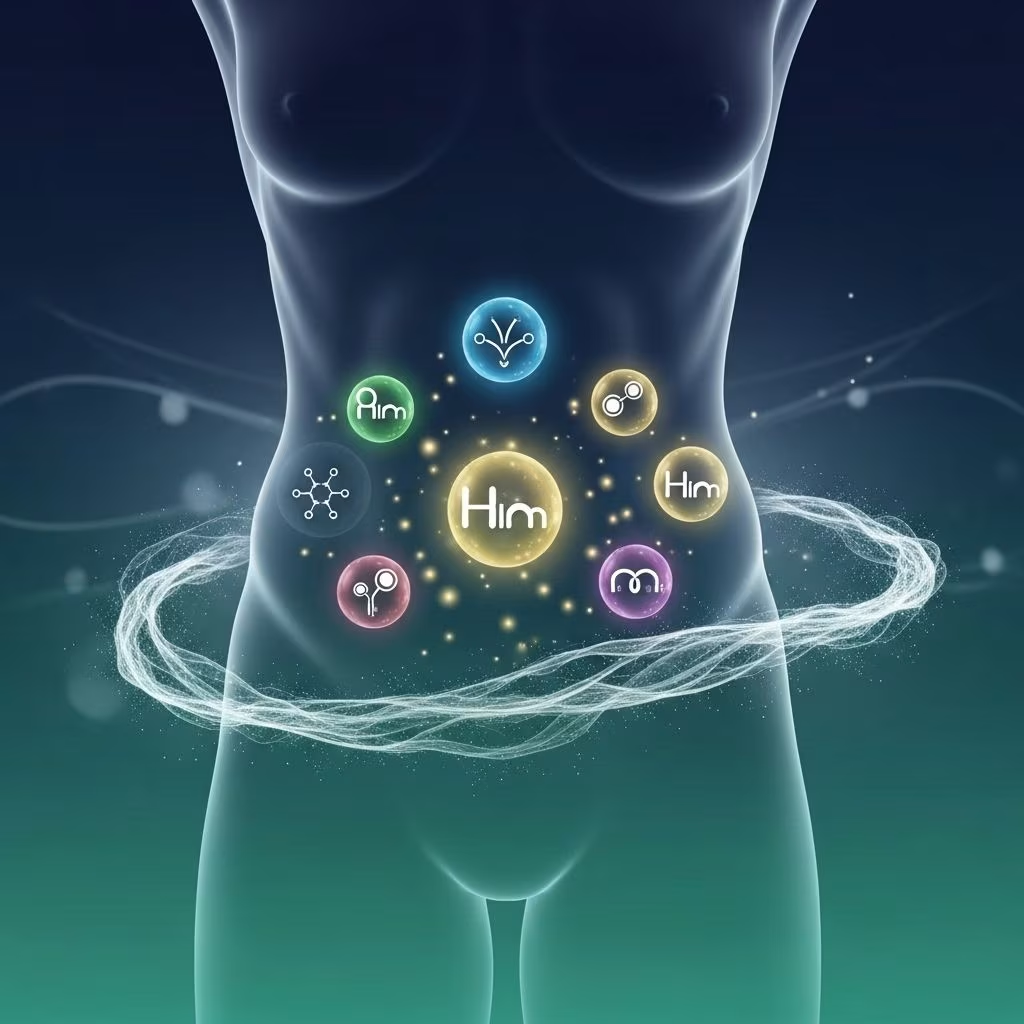
Belly fat can be stubborn, frustrating, and often feels resistant to even the best diet and exercise efforts. Emerging science and expert insights reveal a major factor: your hormones. Hormonal belly fat isn’t just about aesthetics; it’s linked to increased risks for heart disease, type 2 diabetes, and other chronic health concerns. Understanding which hormones play a central role—and how lifestyle changes can help—arms you with the knowledge to take control of your health.
What Is Hormonal Belly Fat?
Hormonal belly fat refers to abdominal fat that accumulates primarily due to hormonal imbalances or shifts, especially as we age. Unlike general weight gain, hormonal belly fat is deeply influenced by the endocrine system—your body’s network of hormone-secreting glands. Fluctuations in estrogen, cortisol, testosterone, leptin, and other hormones can change how and where your body stores fat, most noticeably in the midsection.
Why does this happen? As we age, and particularly during times like menopause or chronic stress, hormonal patterns shift. This disrupts your metabolic processes, appetite regulation, and fat storage, meaning that even small changes in hormone levels can have a big impact on your waistline.
7 Hormones That Can Cause Belly Fat
Several hormones play critical roles in determining where your body stores fat and how much fat you accumulate. Here are the seven most prominent:
- Estrogen
- Cortisol
- Insulin
- Leptin
- Testosterone
- Thyroid hormones
- Progesterone
1. Estrogen
Estrogen is the primary female sex hormone, but it exists in all bodies. Its levels fluctuate throughout life and drop dramatically at menopause. When estrogen declines, there’s a shift in where your body tends to store fat—from the hips and thighs to the abdominal area. This central fat distribution is especially marked during and after menopause, leading to the classic ‘menopausal belly.’
Expert insight: According to endocrinologists, low estrogen prompts the body to lose subcutaneous (under the skin) fat and gain more visceral (deep abdominal) fat, a riskier type associated with chronic disease.
Key symptoms:
- Increased abdominal fat despite stable weight
- Wider waistline
- Possible hot flashes or mood changes (if menopause-related)
2. Cortisol
Cortisol, often dubbed the “stress hormone,” is produced by the adrenal glands. While essential for survival, excess cortisol—due to chronic stress, poor sleep, or certain medications—promotes fat storage in the belly.
Expert insight: When the stress response is always “on,” your body deposits more fat around the organs. If you frequently feel stressed, anxious, or have trouble sleeping, your cortisol may be running high.
Key symptoms:
- Cravings for salty or sugary foods
- Persistent fatigue
- Difficulty sleeping
3. Insulin
Insulin is the hormone that helps move sugar from your blood into your cells for energy. When you eat more sugar or simple carbs than your body needs, cells can become resistant to insulin. This leads to higher circulating blood sugar, which encourages fat storage, especially around the belly.
Expert insight: Diets high in sugar and refined grains spike insulin production, gradually reducing insulin’s effectiveness and driving visceral fat accumulation.
Key symptoms:
- Frequent hunger
- Energy crashes after meals
- Increase in waist circumference
4. Leptin
Leptin is the hormone that signals your brain when you’re full and should stop eating. When you accumulate more belly fat, leptin signals can become less effective—a problem called leptin resistance. This means your brain rarely gets the “fullness” message, leading to overeating and more abdominal weight gain.
Expert insight: Leptin resistance creates a vicious cycle: more belly fat reduces leptin’s signal, making hunger and cravings worse.
Key symptoms:
- Constant feeling of hunger
- Difficulty controlling appetite
5. Testosterone
Testosterone is present in all genders. In men, low testosterone (due to age or health conditions) can promote muscle loss, making it easier for fat to accumulate in place of muscle mass. In women, too much free testosterone (as in polycystic ovary syndrome) can also lead to more belly fat.
Expert insight: Loss of muscle reduces your metabolism, making abdominal weight gain more likely.
Key symptoms:
- Reduced muscle mass or strength
- Increased waist or hip measurements
6. Thyroid Hormones
The thyroid gland produces hormones that regulate your metabolism. When thyroid hormones are low (as in hypothyroidism), metabolism slows, leading to weight gain—including around the belly.
Expert insight: Symptoms often include fatigue, puffiness, constipation, and weight gain even with a healthy diet.
Key symptoms:
- Unexplained weight gain
- Low energy and sluggishness
7. Progesterone
Progesterone balances out estrogen and plays a key role during menstruation and pregnancy. As women approach menopause, levels of progesterone drop much faster than estrogen, contributing to a hormonal imbalance that can promote belly fat.
Expert insight: Low progesterone can also increase water retention and bloating, making the belly appear larger.
Why Do Hormonal Changes Cause Belly Fat?
The reasons behind hormonal belly fat are complex and sometimes mysterious, but experts agree that sex hormones (especially estrogen and testosterone) help determine which fat cells develop and where they go. As estrogen drops during menopause, the body’s patterns of fat storage shift toward the abdomen. This change in fat type and placement raises the risk of metabolic conditions, including cardiovascular disease and diabetes.
Additional factors that worsen hormonal belly include:
- Age-related loss of muscle mass
- Poor sleep or high chronic stress
- Excess sugar and alcohol intake
- Genetics and environmental exposures
How to Get Rid of Hormonal Belly Fat
Trying to “spot reduce” body fat in the belly with targeted exercises is not effective. Instead, experts recommend holistic approaches that address nutrition, exercise, sleep, and stress—factors that influence hormonal balance.
Nutrition Strategies
- Increase fiber intake: Choose beans, lentils, and whole grains over “white” starches to promote fullness and healthy digestion.
- Focus on lean proteins: Fish, poultry, eggs, and plant-based proteins help stabilize blood sugar and maintain muscle mass.
- Eat more vegetables: Non-starchy vegetables are rich in fiber, antioxidants, and nutrients that support overall health and satiety.
- Embrace healthy fats: Avocado, olive oil, nuts, and seeds provide satisfying fats that can help regulate hormone production.
Foods to Avoid
- Red and processed meats
- Added sugars (especially from soft drinks and desserts)
- Excess alcohol
- Highly processed snack foods
Exercise Tips
- Mix cardio and strength training: Both are necessary to burn calories and preserve (or build) muscle mass that keeps metabolism high.
- High-Intensity Interval Training (HIIT): Short bursts of intense activity, followed by recovery, help boost fat burning while encouraging hormonal health.
- Consistency matters: Balance exercise routines and include recovery days to prevent excessive cortisol accumulation from overtraining.
Sustainable Lifestyle Changes
- Get enough sleep: Aim for at least 7–8 hours a night to support metabolic health and keep cortisol in check.
- Manage stress: Practice mindfulness, meditation, or gentle movement such as yoga to counteract cortisol spikes.
- Consult your doctor: If you suspect a hormonal imbalance, especially if symptoms are severe, seek medical advice for potential testing and personalized treatment.
Frequently Asked Questions (FAQs)
Q: Can I target just my belly fat?
A: No, spot-reducing fat from the belly isn’t possible. Effective fat loss requires a full-body approach through balanced nutrition, varied physical activity, and healthy hormone regulation.
Q: Why does belly fat increase around menopause?
A: After menopause, estrogen levels drop sharply, which shifts fat storage from hips and thighs to the abdomen. This change is influenced by genetic and environmental factors as well.
Q: Are some foods especially good or bad for hormonal belly fat?
A: Foods high in fiber (beans, whole grains, vegetables) and lean protein help. Try to avoid excess sugar, processed foods, red meat, and alcohol.
Q: Does stress really affect belly fat?
A: Yes, chronic stress boosts cortisol, which promotes abdominal fat storage and increases cravings for unhealthy foods.
Q: When should I see a doctor?
A: If fat gain is rapid, you have trouble losing weight, or you’re experiencing symptoms like fatigue, menstrual changes, or muscle loss, consult a healthcare provider for hormone evaluation.
Quick Comparison: Hormonal Belly Fat vs General Weight Gain
| Type | Cause | Main Risk Factors | Symptoms |
|---|---|---|---|
| Hormonal Belly Fat | Hormone fluctuations (estrogen, cortisol, insulin, thyroid, etc.) | Menopause, chronic stress, sleep deprivation, poor nutrition | Fat concentrated in the belly, often with mood or energy changes |
| General Weight Gain | Caloric excess, sedentary lifestyle | High calorie diet, low activity, genetics | Weight gain more evenly distributed |
Summary: Your Action Plan for Hormonal Belly Fat
- Understand your unique risk factors, including age, gender, stress level, and family history.
- Prioritize nutrition that features fiber, lean protein, and whole foods while limiting sugar, processed foods, and alcohol.
- Combine regular strength and cardiovascular exercise, with HIIT as a strategic option.
- Manage stress thoughtfully and maximize your sleep hygiene for best hormone balance.
- Seek professional support if you experience rapid or unexplained changes in weight, shape, or appetite.
Belly fat is not just a cosmetic issue—it may be a sign your hormones need attention. By addressing lifestyle patterns and staying aware of underlying health signals, you can reclaim your vitality and support a healthier body, inside and out.
References
- https://www.prevention.com/weight-loss/g20438900/hormones-causing-your-belly-fat/
- https://www.menopausesolutions.org/post/the-role-of-hormones-in-belly-fat-cravings-and-metabolism
- https://www.pritikin.com/your-health/health-benefits/healthy-weight-loss/3-simple-ways-to-effectively-lose-hormonal-belly-fat-backed-by-science.html
- https://www.evernow.com/symptoms/weight-gain
- https://www.mayoclinic.org/healthy-lifestyle/womens-health/in-depth/belly-fat/art-20045809
- https://www.medicalnewstoday.com/articles/hormonal-belly
- https://www.uchicagomedicine.org/forefront/womens-health-articles/2023/april/menopause-weight-gain-hormone-therapy
- https://www.urmc.rochester.edu/ob-gyn/gynecology/menopause-blog/may-2015/what-does-estrogen-have-to-do-with-belly-fat
- https://pmc.ncbi.nlm.nih.gov/articles/PMC3147122/


