


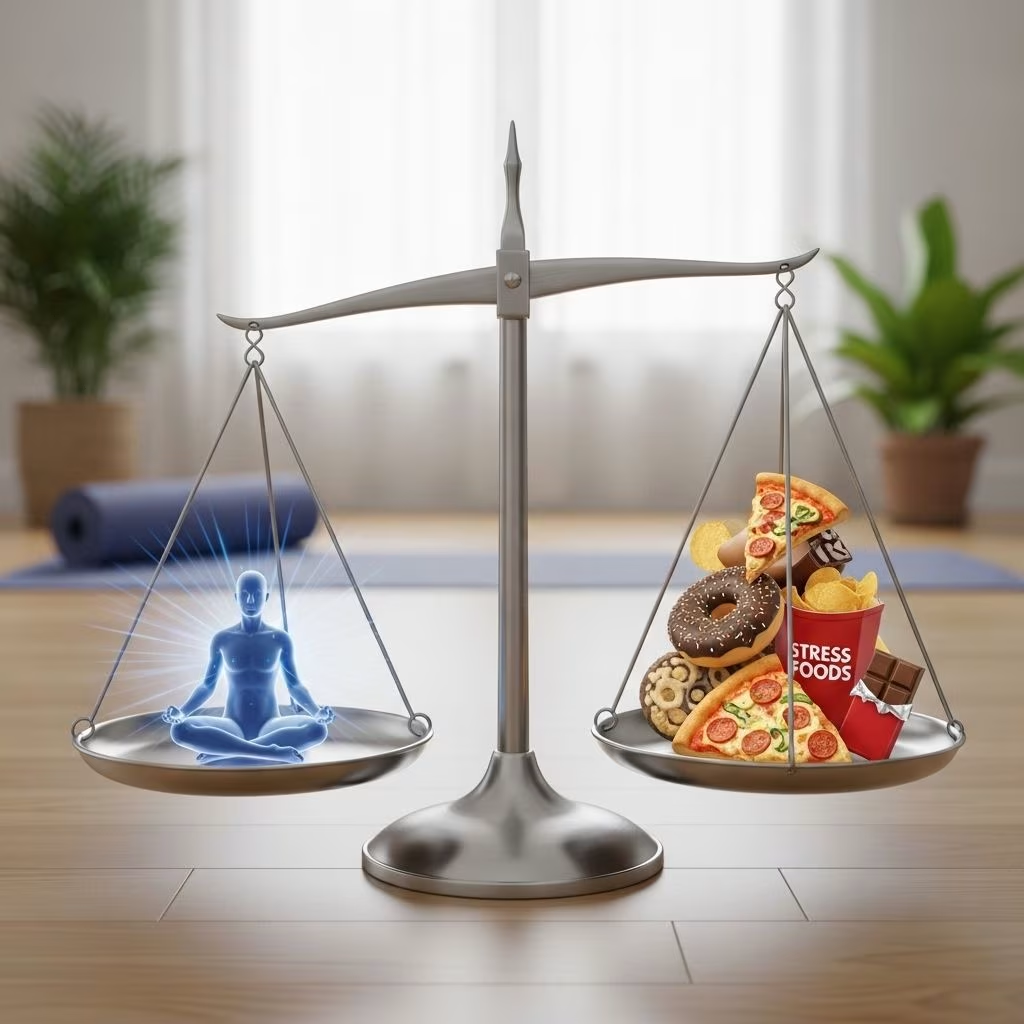
How Stress and Anxiety Can Lead to Weight Gain
Stress and anxiety affect nearly every aspect of our lives. While emotional responses are natural, prolonged stress can disrupt normal eating patterns, increase cravings for calorically dense foods, and alter metabolism. Chronic stress triggers the production of cortisol, a hormone that plays a significant role in fat storage, particularly around the abdomen. The result is often frustrating: despite efforts to maintain healthy habits, unwanted weight gain accumulates due to these powerful hormonal and behavioral shifts.
Understanding the Cortisol Connection
Cortisol, known as the “stress hormone,” is released during periods of emotional or physical stress. It evolved as a survival mechanism, helping our ancestors respond to threats. In modern life, chronic stress—be it work, relationships, financial worries, or global events—keeps cortisol levels persistently elevated. Elevated cortisol:
- Increases appetite, especially for sugary and fatty foods
- Slows metabolism and promotes fat storage (notably abdominal fat)
- Disrupts sleep patterns, further impeding weight control
The link between chronic stress, elevated cortisol, and weight gain is clear: effectively managing stress helps normalize hormonal balance and reduce the risk of weight accumulation .
Recognizing Emotional Eating and Its Triggers
Many people reach for food as a coping mechanism during stressful situations. Emotional eating often involves consuming foods that are quickly satisfying but nutritionally poor—think chips, ice cream, or baked goods. Key triggers for emotional eating include:
- Work-related stress deadlines, conflicts, or uncertainty
- Relationship issues with family, friends, or partners
- Sleep deprivation, which lowers impulse control and increases cravings
- Trauma or unresolved emotional issues
Recognizing these triggers empowers you to make conscious choices, replacing automatic eating with healthier coping strategies .
Healthy Eating Habits to Combat Stress Weight
Mindful Eating
- Eat slowly, savoring each bite without distractions (such as screens or work).
- Choose balanced meals with lean proteins, fiber-rich vegetables, and healthy fats.
- Don’t skip meals, particularly breakfast, which regulates appetite and cortisol.
- Include probiotic-rich foods (yogurt, kimchi) to support gut health and cortisol regulation .
Smart Snack Preparation
- Keep pre-cut fruits and veggies visible and accessible in your fridge.
- Prepare single-portion bags of whole-grain snacks for convenience.
- Limit ultra-processed and sugary snacks; choose nuts, seeds, and whole grains instead.
Planning your meals and snacks ahead of time prevents impulsive emotional eating when stress strikes .
Exercise: Move Your Way to Lower Stress and a Healthier Weight
Physical activity serves two roles: burning calories and directly reducing stress-related hormones. Even brief periods of movement, such as a 10-minute walk, offer immediate stress relief and cardiovascular benefits. For greater impact:
- Attend group exercise classes, which have been shown to significantly reduce emotional and mental stress compared to solo workouts .
- Mix aerobic activities (fast walking, cycling) with strength training two to three times per week .
- Try yoga or stretching sessions to combine physical movement with psychological relaxation.
- Incorporate movement breaks into your workday, even if at your desk.
Regular exercise counteracts hormonal triggers for fat storage and strengthens your resolve to stick to healthy habits.
Sleep: The Underestimated Factor in Stress and Weight Gain
Sleep deprivation raises cortisol, impairs hunger-regulating hormones (ghrelin and leptin), and weakens impulse control. Strategies to improve sleep include:
- Establish a consistent sleep schedule
- Avoid caffeine and alcohol near bedtime
- Build a relaxing pre-bed routine (a bath, reading, meditation)
- Keep bedrooms dark, quiet, and cool
Quality sleep is as crucial as diet and exercise for breaking the cycle of stress-related weight gain .
Self-Care and Setting Healthy Limits
- Prioritize “you time” for activities that recharge: hobbies, reading, gardening, or creative pursuits.
- Set boundaries at home and work to protect time for self-care.
- Engage in regular self-care to lower perceived stress, making healthy eating and exercise easier to maintain .
- Reflect on what genuinely brings joy and relaxation—schedule these routinely.
These investments pay off in sustained wellness—not just in weight control, but also in improved mood, energy, and quality of life.
Mindfulness and Meditation: Break the Stress-Eating Cycle
Mindfulness practices train you to recognize stress cues and respond intentionally rather than automatically. This includes:
- Deep breathing exercises
- Guided meditation sessions (apps or recordings)
- Journaling about feelings and triggers
- Practicing gratitude
Research shows mindfulness interventions help people eat with greater awareness, reducing the urge to binge or stress-eat, while lowering anxiety and cortisol levels .
Trauma and Emotional Health: Addressing the Deeper Roots
Past trauma can amplify the chronic stress response, making weight control difficult. Professional support may be critical:
- Therapy: Working with a counselor or psychologist to address trauma, anxiety, or depression
- Group support: Attending peer groups for shared experiences
- Social connection: Maintaining healthy, supportive relationships
Treating underlying emotional issues often reduces binge eating and restores balanced hormone regulation for sustainable weight loss .
Limiting Caffeine and Alcohol Intake
- Restrict caffeine, especially late in the day, to prevent cortisol spikes and sleep disruption.
- Keep alcohol consumption moderate; excess can increase inflammation and disrupt sleep and hormone balance.
Simple adjustments to caffeine and alcohol habits can have significant effects on both stress and stubborn fat storage .
Frequently Asked Questions (FAQs)
Q: Can stress really cause weight gain, even if I’m eating healthy?
A: Chronic stress elevates cortisol, which can stimulate appetite and slow metabolism, leading to weight gain even if your diet is otherwise healthy.
Q: Is it normal to crave junk food when stressed?
A: Yes, stress can activate a desire for sugary, salty, and fatty foods due to the body’s need for quick energy and comfort, driven by hormonal imbalances.
Q: How much exercise do I need for stress management?
A: Even 10 minutes of brisk walking can help; for optimal stress and weight control, combine daily movement with regular strength training and group exercise when possible.
Q: Will limiting alcohol and caffeine really make a difference?
A: Yes, both substances can prolong cortisol elevation and disrupt sleep, making it harder for your body to recover and regulate appetite.
Q: What if emotional eating feels uncontrollable?
A: Consider seeking professional help to address underlying trauma or emotional issues. Mindfulness techniques and self-care can also help break automatic stress-eating patterns.
Practical Tips for Everyday Stress Management
- Plan meals and snacks ahead of time to avoid impulsive eating.
- Keep healthy foods visible and accessible in your home or workplace.
- Make self-care and movement a daily priority, even in small doses.
- Track triggers and responses in a journal for greater self-awareness.
- Reach out to biological or mental health professionals if weight gain feels uncontrollable.
Table: Key Strategies to Prevent Stress-Related Weight Gain
| Strategy | Why It Works | Action Step |
|---|---|---|
| Mindful Eating | Helps regulate food intake and reduce binge eating | Eat slowly; avoid distractions; choose nutritious meals |
| Regular Exercise | Lowers stress and burns calories | Combine aerobic and strength activities; group fitness boosts results |
| Self-Care | Lowers perceived stress, improves adherence to healthy habits | Schedule hobbies and relaxation as non-negotiables |
| Improved Sleep | Reduces cortisol, improves hormone balance | Follow a sleep routine; avoid late caffeine and alcohol |
| Addressing Trauma | Reduces chronic stress triggers at the root | Seek therapy or group support for emotional healing |
| Limiting Caffeine & Alcohol | Prevents excess cortisol and sleep disruption | Limit intake, especially near bedtime |
Summary: Take Control of Stress and Weight with Proactive Choices
Combating stress-related weight gain is about more than willpower or calorie tracking—it requires a holistic approach addressing emotional triggers, hormonal responses, and daily routines. By practicing mindful eating, regular movement, healthy sleep habits, self-care, and emotional wellness, you can break the cycle of stress and weight gain. If you’re struggling, remember that support is available—from friends, professionals, and community programs. Lasting change begins with small, intentional steps.
References
- https://pmc.ncbi.nlm.nih.gov/articles/PMC9362746/
- https://www.brownhealth.org/be-well/does-stress-cause-weight-gain
- https://blog.nasm.org/preventing-stress-related-weight-gain
- https://www.bswhealth.com/blog/cortisol-belly-how-stress-can-impact-your-weight-and-what-you-can-do-about-it
- https://www.health.harvard.edu/blog/managing-weight-gain-from-psychiatric-medications-202207182781
- https://www.orlandohealth.com/content-hub/how-too-much-stress-can-cause-weight-gain-and-what-to-do-about-it/
- https://www.mayoclinic.org/healthy-lifestyle/weight-loss/in-depth/weight-loss/art-20047342
- https://bethesdahealth.org/blog/7-ways-to-avoid-stress-related-weight-gain/


