


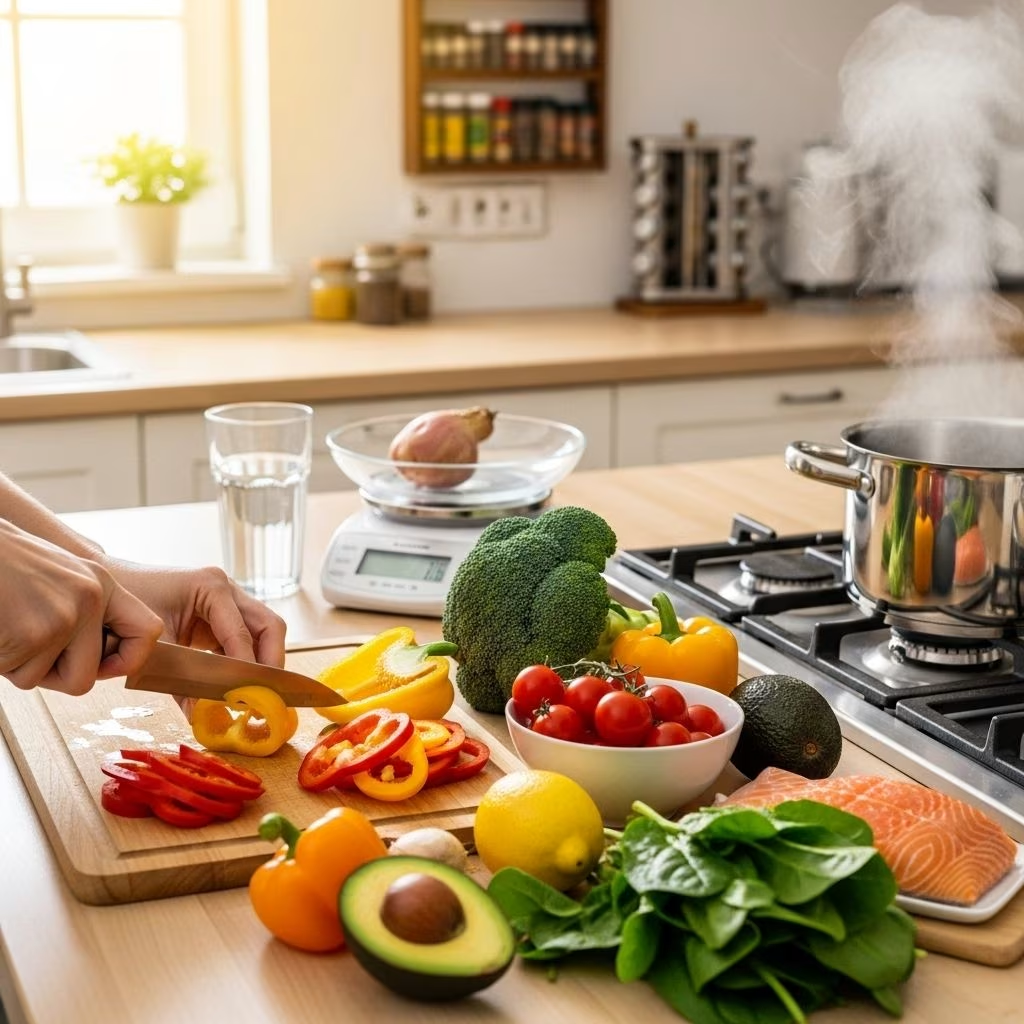
How Cooking at Home Supports Weight Loss and Metabolism
Preparing meals at home has emerged as a fundamental strategy for maintaining a healthy weight and boosting metabolism. Beyond the simple pleasures of home cooking, scientific evidence shows that those who routinely prepare their own meals consume fewer calories, make healthier food choices, and experience a range of physical and mental benefits. This article dives into why cooking at home is a game-changer for weight management and how you can translate these lessons into practical habits—even when you order takeout.
Why Home Cooking Is Key for Weight Loss
Many of today’s most popular diets, from the Mediterranean to the Flexitarian, promise weight loss and better health. However, research suggests that the ultimate secret may not be a specific diet plan, but rather the simple act of cooking more meals at home. According to large-scale studies, people who cook at home six or more times a week tend to eat around 140 fewer calories per day than those who rarely cook. Over time, this leads to fewer pounds gained each year, offering powerful protection against gradual weight accumulation and related health risks such as heart disease and diabetes.
- Better portion control: Home cooks are less likely to serve overly large portions, and home-cooked meals typically contain fewer calories and unhealthy fats than restaurant dishes.
- Higher diet quality: People who prepare their own meals score higher on the Healthy Eating Index, consuming more vegetables, whole grains, and nutrient-dense foods.
- Lower intake of sugar and fat: Over a year, regular home cooks consume nearly 13 pounds less sugar and 4 pounds less fat.
The Hidden Calorie Problem of Restaurant and Takeout Meals
One of the primary reasons restaurant food can undermine weight management is the combination of larger portions and calorie-dense ingredients. Studies consistently show that meals eaten outside the home average 200 more calories, 3 grams of additional saturated fat, and 350 milligrams more sodium than equivalent home-cooked dishes. Over time, these small differences add up, contributing to weight gain and increased risk of chronic disease.
Further, restaurant portions are often two to three times larger than needed, making it harder for diners to stop when they’re full. These meals also frequently contain hidden sources of fat (such as butter or cream sauces) and added sugars, making accurate calorie tracking challenging.
- Dining out increases consumption of processed foods and refined grains.
- Lack of knowledge about ingredients makes it difficult to account for calories and nutrients.
- Takeout and restaurant foods are often designed to be hyper-palatable, encouraging overeating.
Control, Customization, and Healthier Swaps at Home
One of the most powerful advantages of home cooking is complete control over what goes into your meals. Unlike in restaurants, you can adapt recipes to suit your specific dietary needs and preferences:
- Use less salt, sugar, and saturated fat.
- Increase portion size of vegetables while cutting back on refined carbs.
- Substitute healthier ingredients (such as Greek yogurt for sour cream, or whole grains instead of white rice).
- Adjust protein sources and limit heavy oils or frying methods.
Customization also means you can accommodate food allergies and sensitivities, experiment with flavors you enjoy, and build positive relationships with food, making healthy eating more sustainable long-term.
Psychological and Behavioral Benefits of Cooking at Home
The benefits of home cooking extend far beyond nutrition. Engaging in the cooking process has been shown to positively impact mental health and foster healthier behaviors:
- Mindfulness: Shopping for, preparing, and cooking your own meals increases awareness and makes you more attuned to what you’re eating, leading to better food choices and lower calorie intake.
- Family and social connections: Cooking at home encourages shared meals, which are linked to better emotional well-being and improved eating habits in children.
- Skill development: Those who regularly cook improve their culinary skills over time, making it easier and more efficient to prepare healthy meals.
- Confidence around food: Home chefs are empowered to experiment with recipes, try new ingredients, and discover nutritious flavors they love.
How Cooking at Home Can Boost Your Metabolism
Metabolism is influenced by many factors, including calorie balance, food quality, and meal timing. Cooking at home helps in multiple ways:
- Supports nutrient-dense eating: Home-cooked meals generally feature higher-quality proteins, more dietary fiber, and fewer additives, all of which support efficient metabolism.
- Improves satiety: Meals rich in whole grains, lean proteins, and vegetables keep you feeling full longer and help regulate blood sugar, reducing cravings between meals.
- Reduces hidden metabolic disruptors: Processed foods, often found in restaurant dishes, can contain artificial ingredients and preservatives that negatively impact gut health and metabolic rate.
- Promotes regular eating habits: Preparing meals at home allows for consistent meal timing, which is beneficial for maintaining steady energy expenditure throughout the day.
Time, Cost, and Convenience: Busting the Myths
One common barrier to home cooking is the perception that it’s more time-consuming and expensive than takeout. In reality, with planning and organization, home-cooked meals can be both quick and affordable.
- Time savings: Ordering and waiting for takeout or restaurant meals often takes as long as preparing a simple meal at home. Batch cooking and meal prepping can save time throughout the week.
- Cost control: Cooking in bulk, using seasonal ingredients, and storing leftovers helps save money compared to frequently dining out.
- Make-ahead strategies: Doubling recipes and freezing portions for later reduces daily prep time and supports healthy eating even on busy days.
Start with manageable goals—such as cooking at home three nights per week—and build up as your skills and confidence grow.
Quick Tips for Getting Started
- Plan meals in advance and create a shopping list to avoid last-minute takeout decisions.
- Choose simple recipes that use minimal ingredients and rely on techniques you’re comfortable with.
- Utilize kitchen tools like slow cookers and sheet pans for low-maintenance, hands-off cooking.
- Prep ingredients in bulk (wash and chop vegetables, cook grains ahead) to speed up meal assembly.
- Keep healthy, versatile staples on hand—such as canned beans, frozen vegetables, eggs, and whole grains—for quick, nutritious meals.
- Make extra portions at dinner to enjoy as lunch the next day, reducing the temptation for unhealthy options at work or on the go.
Choosing Healthier Takeout: Metabolism-Friendly Options
Even the most dedicated home cook sometimes relies on takeout. When you do, make choices that support your health and metabolism:
- Prioritize vegetables: Seek dishes where vegetables take center stage, such as salads, stir-fries, or roasted veggie bowls.
- Opt for lean proteins: Choose grilled chicken, fish, tofu, or legumes instead of fried or breaded proteins.
- Swap refined carbs: Request brown rice, quinoa, or whole grain options instead of white rice, fries, or white bread.
- Request lighter preparations: Ask for sauces and dressings on the side, and avoid creamy or sugary options.
- Portion control: Consider splitting entrees or saving half for later to avoid overeating large restaurant portions.
- Beverage awareness: Stick with water or unsweetened tea instead of sugary drinks or calorie-laden coffees.
Some cuisines tend to offer more metabolism-friendly choices:
- Japanese: Grilled fish, miso soup, sashimi, edamame, steamed vegetables.
- Mediterranean: Lentil soup, Greek salad, grilled chicken or fish, tabbouleh, hummus with veggies.
- Vietnamese: Pho with lean meat and extra veggies, rice paper rolls, bun salads.
- Mexican: Grilled chicken or beans in tacos (corn tortillas), fajitas, salads; avoid fried chips or creamy toppings.
- Indian: Tandoori chicken, lentil dal, vegetable curries (request minimal oil, avoid creamy sauces).
Healthy Ingredient Swaps for Home and On the Go
| Instead of… | Try This | Benefit |
|---|---|---|
| White rice or pasta | Brown rice, quinoa, spiralized zucchini | More fiber, stable energy |
| Creamy dressings | Vinegar & olive oil, lemon juice | Less saturated fat, more nutrients |
| Fried proteins | Grilled, baked, steamed proteins | Lower calorie, less unhealthy fat |
| Full-fat cheese | Part-skim cheese or nutritional yeast | Reduced calories and saturated fat |
| Canned soups | Homemade vegetable or bean soups | Lower sodium, customizable flavors |
Frequently Asked Questions (FAQ)
Why does home-cooked food help with weight loss?
Home-cooked food supports weight loss because you directly control ingredients, portion sizes, and preparation methods. Studies show home cooks consume fewer calories, added sugars, and unhealthy fats than those eating out regularly.
Can cooking at home really boost my metabolism?
While no food alone “boosts” metabolism dramatically, a pattern of nutrient-dense, home-cooked meals supports optimal metabolic function by providing the right balance of protein, fiber, and healthy fats, while avoiding processed additives that can hinder metabolism.
How many nights per week should I aim to cook at home?
Research suggests significant benefits begin at three to six home-cooked meals per week, but any increase from your current routine helps. Start small and build up gradually.
What if I’m busy and don’t have time to cook?
Batch cooking, using simple recipes, and prepping ingredients ahead make home cooking more manageable. Even one or two extra home-cooked meals each week can improve diet quality.
What are some metabolism-friendly takeout options?
Look for takeout dishes prioritizing vegetables, lean proteins, and whole grains, such as grilled fish in Japanese cuisine, lentil soups from Mediterranean menus, or veggie-packed stir-fries from Asian restaurants.
Final Takeaway: Making Home Cooking Work for You
Cooking at home is a proven strategy for achieving and maintaining a healthy weight, optimizing your metabolism, and improving your long-term well-being. With a few simple shifts—planning ahead, choosing easy recipes, and making smart swaps—you can make healthy eating both practical and enjoyable. Embracing home cooking doesn’t mean never eating out, but it does empower you with the knowledge, skills, and confidence to make every meal count.
References
- https://www.otamotfoods.com/blogs/health-tips/best-diet-to-follow-cook-at-home
- https://www.aetna.com/health-guide/health-benefits-of-home-cooking.html
- https://www.piedmont.org/living-real-change/embrace-your-inner-chef-to-slim-down
- https://www.health.harvard.edu/blog/home-cooking-good-for-your-health-2018081514449
- https://pmc.ncbi.nlm.nih.gov/articles/PMC8728746/
- https://www.heart.org/en/healthy-living/healthy-eating/losing-weight/cooking-for-weight-loss


