


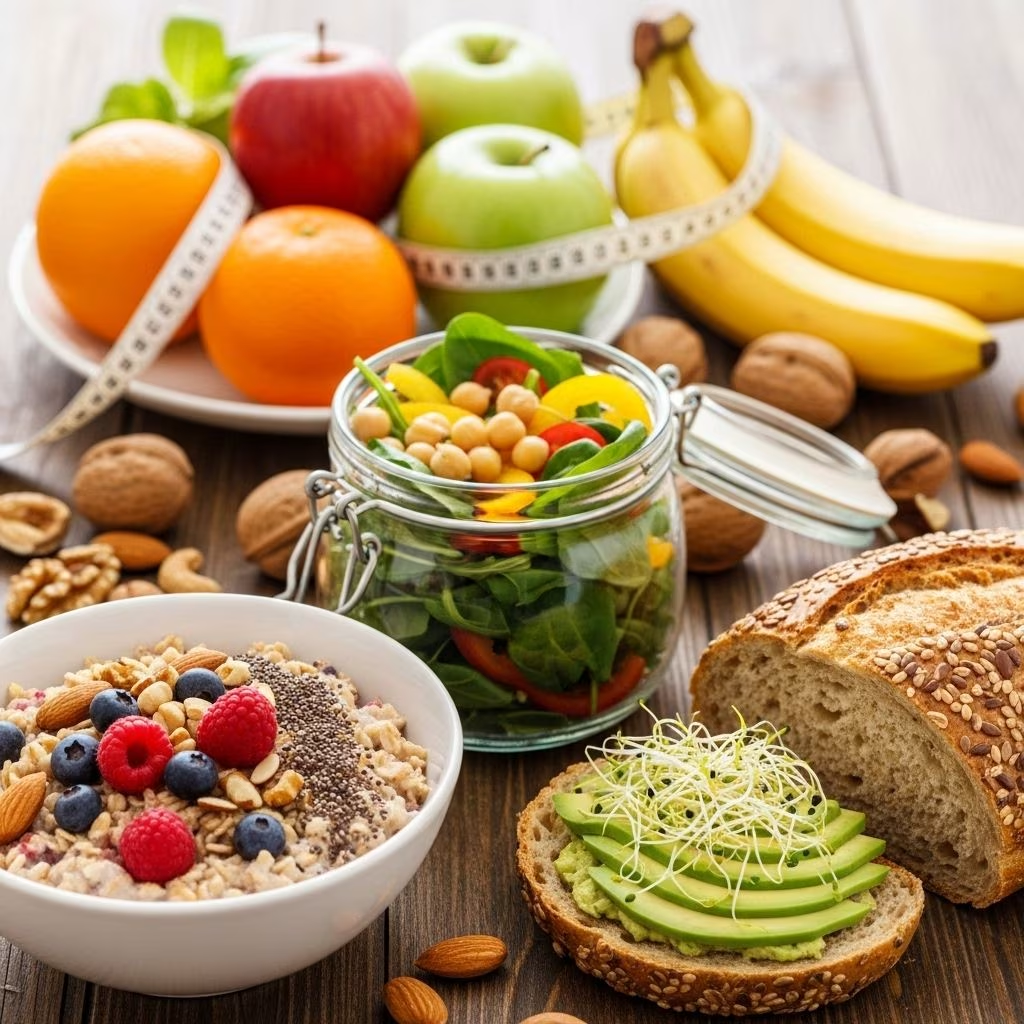
How Dietary Fiber Supports Weight Loss
When it comes to effective, science-backed approaches to weight loss, dietary fiber has emerged as a crucial but sometimes overlooked component. Research shows that people who consume higher amounts of fiber from plant-based foods are much more likely to achieve and maintain a healthy weight compared to those who consume less fiber. But how exactly does fiber support weight loss, and what strategies can help you benefit from it every day? This article provides comprehensive, expert-backed guidance on the role of fiber in satiety, digestion, and long-term weight management.
What Is Dietary Fiber?
Dietary fiber refers to plant-based carbohydrates that the body cannot fully digest or absorb. Unlike proteins or fats, fiber passes through the digestive tract mostly intact. There are two primary types of fiber:
- Soluble Fiber: This type dissolves in water and forms a gel-like substance in the gut. It helps slow digestion and absorption, improving blood sugar control.
- Insoluble Fiber: This type does not dissolve in water, and it adds bulk to stool, speeding up the passage of food through the gut and supporting regular bowel movements.
Why Is Fiber Important for Weight Loss?
Numerous clinical studies and nutrition experts identify several mechanisms by which fiber can promote weight loss or prevent weight gain:
- Promotes Satiety: Fiber adds bulk without a lot of calories, stretching the stomach and making you feel fuller longer. This can prevent overeating and curb compulsive snacking.
- Slows Digestion: High-fiber foods slow the rate at which food leaves your stomach, meaning you feel satisfied for an extended period compared to low-fiber foods.
- Helps Regulate Blood Sugar: By slowing carbohydrate absorption, fiber helps prevent rapid spikes and drops in blood sugar, which can reduce cravings and energy crashes.
- Supports Gut Health: Fiber feeds beneficial gut bacteria, contributing to a healthy gut microbiome which may influence weight regulation, metabolism, and appetite.
- Lowers Caloric Density of Meals: Fiber-rich foods are less calorie-dense, so you can eat satisfying portions while taking in fewer total calories.
What Does the Science Say?
Multiple studies have linked higher fiber intake to improved weight management. One large-scale study observed that women who consumed more dietary fiber were significantly less likely to be overweight or obese than those who ate little fiber. Notably, increasing fiber was shown to be a more successful long-term weight control strategy than simply reducing dietary fat.
For optimal benefits, research suggests aiming for 22–28 grams of fiber daily. However, only a small minority of Americans currently reach this goal. Even modest increases toward this target can have noticeable effects on satiety and appetite control.
| Group | Daily Fiber (grams) |
|---|---|
| Women (19–50) | 25 |
| Men (19–50) | 38 |
| Women (51+) | 21 |
| Men (51+) | 30 |
Pros and Cons of Using Fiber for Weight Loss
Advantages
- Greater Satiety and Reduced Hunger: Fiber helps you eat fewer calories by curbing hunger.
- Improved Blood Sugar Control: It helps minimize blood sugar spikes and crashes that can lead to cravings.
- Better Digestive Health: Regular fiber intake prevents constipation and supports gut flora.
Potential Downsides
- Digestive Discomfort: Rapidly increasing your fiber intake can lead to bloating, gas, or abdominal pain. It is important to make changes gradually.
- Water Requirement: Fiber absorbs water; without adequate fluid intake, fiber can worsen constipation.
Experts recommend gradually adding fiber to your diet and increasing your water consumption to minimize side effects and maximize benefits.
How Does Fiber Work in the Body?
Fiber impacts body weight through several direct and indirect physiological processes:
- Volume Effect: Fiber-rich foods are bulky and trigger stretch receptors in the stomach, signaling fullness long before the same number of calories from lower-fiber foods would.
- Hormone Regulation: The digestion of fiber stimulates hormones related to satiety, such as peptide YY and GLP-1, while lowering levels of the hunger hormone ghrelin.
- Caloric Absorption Reduction: Because the body cannot digest fiber, fewer calories are absorbed from high-fiber foods compared to low-fiber options.
- Supports Microbiome: Fiber serves as food for beneficial intestinal bacteria, which in turn may help regulate weight and metabolism.
The Best Fiber-Rich Foods for Weight Loss
To take advantage of fiber’s benefits, focus on a variety of whole, minimally processed plant foods. Below are some top choices and their approximate fiber content per serving:
| Food | Serving Size | Fiber (grams) |
|---|---|---|
| Black beans | 1/2 cup cooked | 7.5 |
| Lentils | 1/2 cup cooked | 8 |
| Oats (old-fashioned) | 1/2 cup dry | 4 |
| Barley | 1/2 cup cooked | 3 |
| Broccoli | 1 cup cooked | 5 |
| Apple (with skin) | 1 medium | 4 |
| Pear (with skin) | 1 medium | 5.5 |
| Avocado | 1/2 fruit | 5 |
| Almonds | 1 ounce (about 23) | 3.5 |
| Berries (raspberries, blackberries) | 1 cup | 8 |
| Whole grain bread | 1 slice | 2-3 |
Tips for Increasing Fiber Intake Safely and Effectively
Successfully boosting your fiber intake takes planning. Here are some expert-backed tips:
- Start Slowly: Gradually add fiber-rich foods to allow your digestive system to adjust.
- Stay Hydrated: Drink plenty of water to help fiber move through your digestive tract smoothly.
- Eat a Variety of Plants: Combine fruits, vegetables, whole grains, nuts, and legumes daily for a broad spectrum of fiber types.
- Read Labels: When buying packaged foods, compare fiber content and opt for at least 3 grams of fiber per serving where possible.
- Don’t Peel Edible Skins: Whenever safe to do so, keep skins on fruits and vegetables for added fiber.
The Link Between Fiber, Gut Health, and Weight
Emerging science highlights the role of the gut microbiome in weight regulation. Fiber acts as a prebiotic, nourishing beneficial bacteria. Well-nourished gut bacteria are associated with improved metabolism, reduced inflammation, and lower risk of obesity. Optimizing your fiber intake could help shift your gut microbiota toward a population that supports healthy weight maintenance.
Common Mistakes to Avoid When Adding Fiber
- Sudden Increase: Eating too much fiber too quickly may lead to gas, bloating, or cramps. Add new high-fiber foods gradually over several days or weeks.
- Neglecting Fluids: Not increasing water intake can worsen constipation instead of relieving it.
- Relying on Supplements: Fiber supplements can help, but getting fiber from whole foods provides additional nutrients.
- Ignoring Other Nutrients: Balance is still key—combine fiber with adequate protein, healthy fats, and a variety of micronutrients.
Frequently Asked Questions (FAQ) About Fiber and Weight Loss
How quickly will I notice fiber’s effects on my appetite?
Some people notice reduced hunger and increased fullness almost immediately after meals high in fiber. However, more lasting changes, such as better digestion and reduced cravings, typically emerge after several days to weeks of consistently higher fiber intake.
Can I eat too much fiber?
Yes, excessive fiber (above 50 grams per day for most adults) can cause discomfort, interfere with nutrient absorption, and lead to digestive issues. It’s best to increase fiber gradually and monitor your body’s response.
What’s the difference between soluble and insoluble fiber for weight loss?
Soluble fiber slows digestion and controls blood sugar, while insoluble fiber adds bulk to stool. Both contribute to satiety and help support weight loss. For the best results, include a mix of fiber types from various food sources.
Should I focus on fiber or reduce fat for better weight loss?
While reducing excessive saturated fat is important, studies show that increasing dietary fiber is a more effective and sustainable strategy for long-term weight control. Combining modest fat reduction with more fiber offers the best results.
Are processed high-fiber foods as good as whole foods?
Whole foods provide a broader range of nutrients, antioxidants, and beneficial compounds in addition to fiber. Highly processed products with added fiber (such as isolated fibers in snack bars) may have fewer overall health benefits. Prioritize whole grains, legumes, fruits, and vegetables.
Conclusion: Making Fiber Central to Your Weight Loss Strategy
Increasing your fiber intake is a simple, evidence-based step with impressive benefits for appetite, metabolism, digestion, and overall weight management. By making small, sustainable changes—choosing more whole grains, legumes, fruits, and vegetables—you’ll not only feel fuller and more satisfied, but you’ll also support broader aspects of health. Approach fiber as a lifelong tool, not just a temporary fix, and you’re more likely to achieve lasting, healthy weight loss.
References
- https://pmc.ncbi.nlm.nih.gov/articles/PMC10150096/
- https://www.prevention.com/weight-loss/a20450432/weight-loss-and-dietary-fiber/
- https://www.prevention.com/weight-loss/a20428279/weight-loss-fat-and-fiber/
- https://www.prevention.com/weight-loss/a33382312/fiber-for-weight-loss/
- https://obesitymedicine.org/blog/benefits-of-fiber-rich-foods-for-weight-loss/
- https://www.prevention.com/weight-loss/diets/a60578947/how-to-lose-weight-fast-safely/
- https://www.prevention.com/weight-loss/g24805401/fat-burning-foods/
- https://www.prevention.com/weight-loss/
- https://www.prevention.com/weight-loss/diets/a63174975/best-diets-for-weight-loss-2025/


