


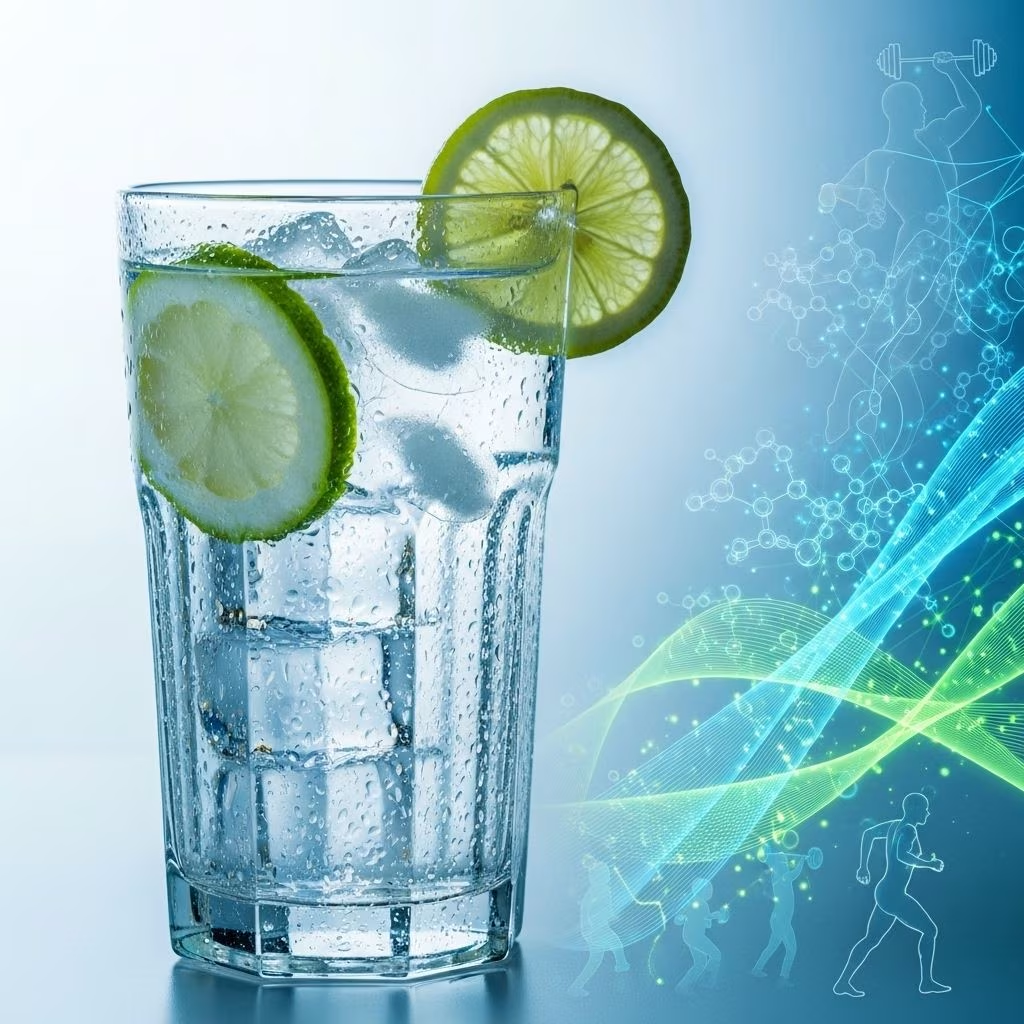
Water is often overshadowed by trendy supplements and exotic diet plans, but it may be the most underrated ally in healthy, sustainable weight loss. While balancing “calories in versus calories out” remains the foundation of any slimming plan, numerous studies show that when, how, and how much you hydrate can have a meaningful impact on your progress.
Whether you want to burn more calories, crush your workouts, or avoid unnecessary snacking, understanding the role of water can set you up for success. Here’s how proper hydration might be the missing piece in your wellness puzzle.
Why Water Matters for Weight Loss
While many focus on food or exercise, hydration is a crucial but frequently overlooked variable in managing weight. Leah Kaufman, RD, a registered dietitian at NYU Langone Medical Center’s Weight Management Program, emphasizes: “Drinking enough water is so easy to forget, but it’s critical to weight loss success.” That’s why she encourages using reminder apps such as Waterlogged or Water Drink Reminder to keep hydration top of mind.
Below, we explore five evidence-supported mechanisms through which water can help you drop pounds and keep them off.
1. Water Powers Your Workouts
Exercise is a pillar of weight loss, but even the world’s best workout won’t deliver results if you’re running on empty. Water is essential not just for quenching thirst but for fueling performance and fat loss.
Research published in the American Journal of Clinical Nutrition reveals that dehydration as slight as 2% of your body weight can cause a noticeable drop in exercise capacity and may impair fat metabolism.
Hydration strategies for exercise:
- Drink at least 16 ounces (about 475 ml) of water before you start exercising.
- During your workout, aim for another 8 ounces (about 240 ml) every 30 minutes of activity.
- For active women, the American Council on Exercise recommends a daily goal of 2.7 liters (91 ounces)—significantly more than the familiar “eight glasses a day.”
- To check if you’re hydrating enough, weigh yourself before and after a session (after peeing). If your weight drops by more than 2%, you need to drink more water before, during, and after the next workout.
Staying hydrated ensures you’re able to push harder and recover better—which directly translates to greater calorie burns and steady progress.
2. Water Increases Your Metabolism
Every time you eat or drink, your body expends energy processing it—a phenomenon called diet-induced thermogenesis. Surprisingly, this applies to water as well. A pivotal study in the Journal of Clinical Endocrinology & Metabolism found that drinking roughly 16 ounces (500 ml) of water temporarily bumped up metabolism by 30%. Researchers estimated that increasing water intake by 1.5 liters (about six 8-ounce glasses) daily could result in 200 extra calories burned per day.
Key points:
- Bumping up your water intake can lead to modest increases in calorie expenditure—even outside of exercise.
- Cold water may provide a small additional boost, as your body burns energy bringing it up to body temperature.
- This effect is acute (lasting up to an hour), so regular hydration throughout the day maximizes benefits.
3. Water Helps You Heed Hunger Cues
It’s easy to confuse thirst for hunger. The sensations of low energy, stomach growling, or even lightheadedness—commonly thought of as signs of hunger—often accompany mild dehydration. According to Jaime Mass, RD, many people inadvertently consume extra calories when they really need fluids.
Research from the University of Oxford (2015) supports this link: obese adults who drank 16 ounces of water 30 minutes before meals consumed fewer calories and lost about 2.6 pounds more than those who simply imagined their stomachs were full before dining. Kaufman, RD, recommends the same strategy for reconnecting with your true hunger.
Actionable tips:
- If you feel hunger coming on between meals, drink a glass of water first. Wait 10-15 minutes, then reassess whether you’re actually hungry or simply thirsty.
- Make it a habit to sip 16 ounces of water before each meal to help reduce overeating and calorie intake.
4. Water Boosts Energy and Mental Focus
Fatigue, poor concentration, and sluggishness are classic symptoms of even mild dehydration. When you’re well-hydrated, your cells function optimally, supporting consistent mental and physical energy levels. This keeps you motivated to stick to your goals, work out harder, and avoid mindless snacking fueled by low energy.
How dehydration impacts energy levels:
- Dehydration by just 1-2% of body weight can lead to noticeable decreases in alertness, memory, and speed of reaction.
- Study participants report increased tiredness and irritability when under-hydrated—both of which can sabotage weight-loss motivation.
Making water your first line of defense against midday slumps can help you avoid the “snack trap” and keep your metabolism running smoothly.
5. Water Helps You Avoid Sugary Beverages
One of the simplest ways to slim down is to “drink smarter.” Sugar-sweetened soft drinks, fruit juices, and even sweetened coffee beverages are stealth sources of hundreds of empty calories each day. Water, in contrast, is completely calorie-free.
A major dietary survey of over 120,000 people showed that simply swapping one sugary drink for a glass of water daily slowed weight gain by a full pound every four years. Each additional cup of water was linked with a 0.3-pound reduction in weight gain over the same period.
Other beverage choices and their impacts:
- Milk, fruit juice, and soda were all tied to above-average weight gain.
- Coffee, tea, and diet sodas (when consumed in moderation) corresponded with below-average weight gain, though research on diet drinks is mixed due to potential compensatory eating behaviors.
Choosing water more often makes it easier to maintain a calorie deficit and gradually shed pounds.
Expert Tips to Drink More Water
- Use a water tracker or reminder app to keep your hydration top of mind throughout the day.
- Infuse your water with fruit, cucumber, or herbs for variety without the calories of juice or soda.
- Keep a reusable bottle on hand at all times—visibility is a strong cue for behavior change.
- Pair water with established habits—for example, drink a glass before every meal or after every bathroom visit.
- If plain water bores you, try sparkling water (without added sugar), but be wary of relying on carbonated beverages as a “magic bullet”—research does not support major weight loss from carbonation alone. Still water remains the more neutral choice and doesn’t interfere with hunger hormones.
Summary Table: How Water Supports Weight Loss
| Mechanism | How It Helps | Supporting Research |
|---|---|---|
| Powers Workouts | Improves performance, enables longer and more effective exercise. | American Journal of Clinical Nutrition |
| Boosts Metabolism | Temporarily increases calorie burn after drinking water. | Journal of Clinical Endocrinology & Metabolism |
| Heeds Hunger Cues | Avoids confusing thirst with hunger, prevents unnecessary snacking. | University of Oxford, 2015 |
| Boosts Energy | Reduces tiredness and mental fog, helps you stick to diet and exercise routines. | Multiple hydration studies |
| Replaces Sugary Drinks | Lowers total calorie intake, slows weight gain over time. | International Journal of Obesity |
Frequently Asked Questions (FAQs)
Q: How much water should I drink every day to lose weight?
A: Recommendations vary by activity level, but a commonly cited target is 2.7 liters (91 ounces) a day for women. Listen to your thirst cues and use urine color as a guide (pale yellow indicates good hydration).
Q: Can drinking too much water be harmful?
A: Yes, excessive water intake can lead to hyponatremia (dangerously low sodium levels). Most healthy adults need not worry unless consuming very large quantities in a short period. Stick to drinking when thirsty, balancing intake with activity and weather.
Q: Does sparkling water help with weight loss?
A: The latest research shows carbonated water offers little extra benefit for weight loss compared to regular water. It might mildly increase feelings of fullness, but it’s not a magic solution. Still water is preferable if hunger hormones are a concern.
Q: What if I dislike the taste of plain water?
A: Infuse your water with slices of lemon, lime, mint, cucumber, or berries. These add flavor without significant calories or sugar, making it easier to increase your daily intake.
Q: Is it possible to lose weight solely by drinking more water?
A: While water can support weight management—especially when it helps you eat less or replace high-calorie beverages—it’s not a substitute for other essential habits like a healthy diet and regular exercise.
Flavorful Ideas: How to Make Water More Appealing
- Add citrus slices (lemon, lime, orange) for a zesty boost.
- Toss in fresh herbs like mint, basil, or rosemary for an aromatic twist.
- Mix in berries, watermelon cubes, or cucumber slices for natural sweetness.
- Chill it extra cold or freeze fruit in ice cubes for refreshing sips.
Takeaway: Include Water in Your Weight Loss Toolbox
While there’s no replacement for a nutritious diet and regular physical activity, evidence consistently shows that adequate hydration can maximize your weight loss efforts. It’s not just about filling your stomach—water helps optimize calorie burn, keeps you energized, and curbs unhealthy beverage habits. By making water a central part of your daily routine, you equip yourself with a safe and sustainable strategy for reaching your health goals.
References
- https://www.prevention.com/weight-loss/a20461957/how-drinking-water-can-help-you-lose-weight/
- https://www.prevention.com/weight-loss/g20515243/drinking-water-helps-weight-loss/
- https://www.prevention.com/weight-loss/a63511315/sparkling-water-weight-loss/
- https://www.prevention.com/weight-loss/a20430763/drinking-water-to-lose-weight/
- https://www.prevention.com/weight-loss/a65193106/rice-water-for-weight-loss/
- https://www.prevention.com/weight-loss/a30188568/lose-weight-without-exercise-0/
- https://www.prevention.com/weight-loss/diets/a20465878/flat-belly-diet-and-sassy-water/
- https://www.prevention.com/food-nutrition/a65631260/lemon-water-every-day/
- https://www.prevention.com/weight-loss/a61675817/denise-austin-weight-loss-tips-women-over-50/


