


How Whole30 Transformed My Health and Perspective
If you’ve explored diet trends online, you’ve likely encountered the Whole30 diet. This widely popular 30-day elimination program promises to reset your body and mind—not just your weight. In this in-depth recounting, I share my full experience with Whole30: how it unexpectedly led to a 25-pound weight loss, but more importantly, how it reshaped my habits, my cravings, and my self-image. Here’s what I learned on my Whole30 journey, supported by nutrition experts, science, practical tips, and honest self-reflection.
What Is Whole30?
The Whole30 program is a 30-day nutritional reset focused on consuming only whole, unprocessed foods. It is not marketed strictly as a weight loss diet. Instead, it centers on eliminating foods commonly associated with inflammation, cravings, and digestive problems to help people identify how what they eat affects their health.
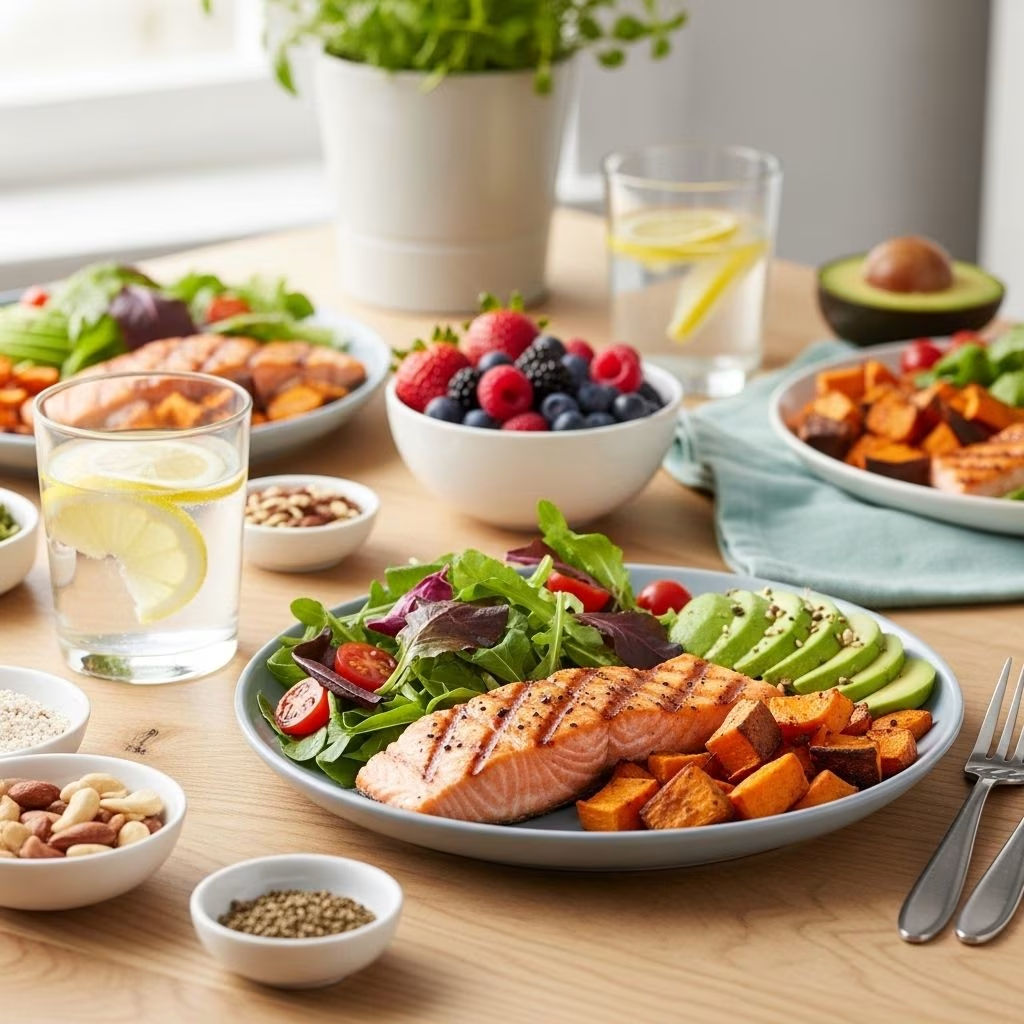
- Allowed foods: Lean meats, eggs, seafood, vegetables, fruits, nuts (except peanuts), and healthy fats.
- Foods to eliminate: Sugar (real or artificial), alcohol, grains, dairy, legumes (including peanuts), soy, MSG, carrageenan, sulfites, and all processed foods.
- No cheating: Consuming any eliminated food resets the 30-day timer.
- No calorie counting or weighing in during the 30 days.
The founders, Melissa Urban and Dallas Hartwig, emphasize reigniting a healthy relationship with food and breaking the cycle of unhealthy eating habits. The approach is grounded in whole, nutrient-dense foods that optimize metabolism and gut health .
Why I Decided to Try Whole30
Like many, my diet had become a series of quick-fix meals and sugar cravings worsened by stress and busy mornings. I was feeling lethargic and bloated, and my energy dipped frequently. After reading about Whole30’s potential to curb cravings, improve sleep, and boost energy—plus seeing convincing before-and-after stories—I decided to take the plunge. My main motivation was to reset my eating habits, but I secretly hoped to shed some weight along the way.
How Whole30 Works
The philosophy behind Whole30 is simple: strip your diet down to the essentials to give your digestive system and metabolism a chance to recover. The program relies on the principle of whole-food, single-ingredient meals, cooked at home under strict guidelines. There’s also a psychological reset, as the program discourages replicating desserts or treats with approved ingredients, even if technically compliant.
| Allowed | Eliminated |
|---|---|
| Meat, poultry, fish, eggs | Grains: wheat, rice, oats, corn, etc. |
| Vegetables and fruits | Dairy: milk, cheese, yogurt |
| Healthy fats (olive oil, avocado, ghee) | Legumes: beans, lentils, peanuts, soy |
| Herbs and spices | Added sugars, real or artificial |
| Tree nuts and seeds | Processed foods and alcohol |
Foods eliminated during the 30 days are slowly reintroduced afterward, so you can monitor your body and mind for reactions—helping you identify real food sensitivities .
The First Week: Withdrawal and Wake-Up Calls
My first seven days were the hardest. Sugar withdrawal, headaches, mood swings, and a gnawing urge to snack on bread or cheese were constant companions. Mornings started with eggs and spinach, and snacks disappeared; you’re encouraged to eat filling meals rather than snack frequently.
- By Day 3, I noticed improved sleep—deeper, less restless, and waking up before my alarm.
- By Day 5, my bloating began to subside, and my energy was leveling.
- Cravings for processed foods were intense but gradually lessened as the week concluded.
This early phase was about breaking automatic habits. Breakfasts involved meal prep, leftovers, or a veggie scramble. I found that hunger cues felt more manageable without the rollercoaster of sugar spikes and dips.
Navigating the Next Three Weeks
Meal Planning and Social Situations
As the novelty faded, I leaned into planning. Sunday meal prep became my saving grace; I stocked up on proteins, roast vegetables, and quick salad fixings. Social gatherings required extra diligence—most restaurant menus offered very few safe options.
- Batch cooking (roasted chicken, sheet pan veggies) saved me when temptation struck.
- Emergency snacks: hard-boiled eggs, carrot sticks, compliant jerky for outings.
- Support system: friends and online groups kept me motivated.
I discovered new recipes—coconut curry, bunless burgers with avocado, and sweet potato hash—reducing the feeling of restriction. My palate evolved to savor clean flavors and subtle natural sweetness in roasted vegetables.
The Ups and Downs
- There were moments of frustration: watching coworkers eat pizza, skipping the wine at book club, and missing my favorite desserts.
- But by week three, aches and digestive complaints I’d almost accepted as normal were gone.
- Mood and focus noticeably improved. The highs and lows from sugar and caffeine were gone.
My Results: Beyond the Scale
Whole30’s official rules ask you not to weigh yourself until the program’s end. On Day 31, I stepped on the scale and was stunned: 25 pounds lighter. My clothes were looser, my face slimmer, and, surprisingly, the number seemed less important than how I felt.
- Bloating vanished, and my digestion was the best it’s been in years.
- I had consistent, higher energy from morning till night.
- Cravings for sugar and processed foods were dramatically reduced.
- Skin texture improved and minor breakouts disappeared.
- Confidence in the kitchen soared—real food felt simple and satisfying.
- Strong sense of what nourishes me, both physically and emotionally.
Beyond numbers, I developed a more mindful approach to eating—and the pride of seeing a challenging commitment through. Whole30 gave me the disconnect I needed from emotional, mindless eating habits .
Biggest Challenges & Life Lessons
Common Hurdles
- Social situations are harder—eating at restaurants or parties means advance planning and sometimes skipping out on shared dishes.
- Time investment in meal planning, cooking, and ingredient-label reading is significant.
- Perfectionism: Any slip (intentional or not) means starting over, which can be intimidating or discouraging.
- Cravings: Intense at the start, but fade as you adjust to the new routine.
The Biggest Takeaways
- Food does not have to control you—habits can be broken.
- Real, simple food can be satisfying and delicious.
- Mindful eating is a powerful tool: I became more attuned to fullness and hunger cues.
- Health is about more than weight. Energy, mood, sleep, and clarity matter immensely.
Whole30 Tips for Success
- Prepare your kitchen: Remove tempting forbidden foods and stock up on staples like eggs, vegetables, and proteins.
- Batch cook & prep: Cook proteins and veggies in advance for quick meals.
- Read every label: Sugar and banned additives can sneak into many store-bought items.
- Find a support system: Friend, spouse, or online community for accountability and recipe sharing.
- Plan ahead for travel and social events.
- Forgive yourself and keep going if you falter—progress, not perfection, is key.
Is Whole30 Right for You?
Whole30 isn’t for everyone. While many find its structure empowering, experts like Heather Davis, MS, RDN, point out that its elimination philosophy can be very restrictive for some people, potentially causing nutrient deficiencies or even triggering unhealthy attitudes towards food if not managed mindfully . It also lacks a fitness component, and is not a replacement for balanced, long-term nutrition . Consider your goals, your current relationship with food, and, if possible, consult a registered dietitian before starting.
Frequently Asked Questions (FAQs)
Q: Does Whole30 guarantee weight loss?
A: No, Whole30 is designed as a nutritional reset, not a weight loss program. However, most participants do report losing some weight largely due to cutting processed foods, sugars, and calorically dense “junk” items .
Q: Can you really not snack on Whole30?
A: While snacking is discouraged in favor of satisfying, balanced meals, it’s not outright forbidden if you are hungry. The focus should be on listening to genuine hunger cues rather than emotional or bored eating.
Q: What happens if you slip up?
A: Consuming a non-compliant food requires you to start the 30 days over. The founders believe that total elimination is required to reset your body and identify potential sensitivities.
Q: Why is weighing yourself (or counting calories) not allowed?
A: Whole30 encourages you to focus on non-scale victories—improvements in sleep, mood, energy, and cravings—rather than just numbers. The program aims to break the obsession with the scale.
Q: Is Whole30 safe for everyone?
A: Whole30 may not be recommended for everyone, particularly those with a history of disordered eating, certain health conditions, or specific nutrient requirements. Consultation with your healthcare provider or dietitian is strongly recommended .
Sample Whole30 Meal Plan Ideas
- Breakfast: Veggie scramble with eggs, spinach, tomatoes, and avocado.
- Lunch: Grilled chicken salad loaded with greens, cucumbers, carrots, and a drizzle of olive oil and lemon.
- Dinner: Pan-seared salmon with roasted sweet potatoes and asparagus.
- Snacks: A handful of raw almonds, carrot sticks, or a boiled egg (only if legitimately hungry).
Key Benefits Noted by Whole30 Participants
- Reduced bloating and more comfortable digestion
- Higher, longer-lasting energy throughout the day
- Decrease in joint pain and inflammation
- Improved sleep and focus
- Fewer mood swings and more emotional stability
- Better understanding and control of cravings
Final Thoughts
Whole30 changed my relationship with food in ways that went beyond a smaller waistline. While I celebrated a dramatic loss on the scale, the true victory was in regaining control over my choices, understanding my body’s signals, and feeling empowered in daily life. This program isn’t a cure-all, nor is it necessary for everyone—but as a structured “reset,” it offers a chance to learn, to break free of habits, and to discover new energy and self-respect. If you’re curious, and ready to commit for 30 days, Whole30 might also be a catalyst for your own transformation.
References
- https://www.womenshealthmag.com/weight-loss/g28251935/whole-30-before-and-after-photos/
- https://www.nutrisense.io/blog/does-the-whole30-diet-work
- https://www.prevention.com/weight-loss/a20462694/lose-weight-on-the-whole30-diet/
- https://www.texashealth.org/areyouawellbeing/Eating-Right/Understanding-the-Whole30-Diet
- https://whole30.com/article/whole30-weight-loss-hacks/
- https://whole30.com/article/dear-melissa-will-i-lose-weight-on-the-whole30/
- https://www.wholekitchensink.com/first-whole30/


