


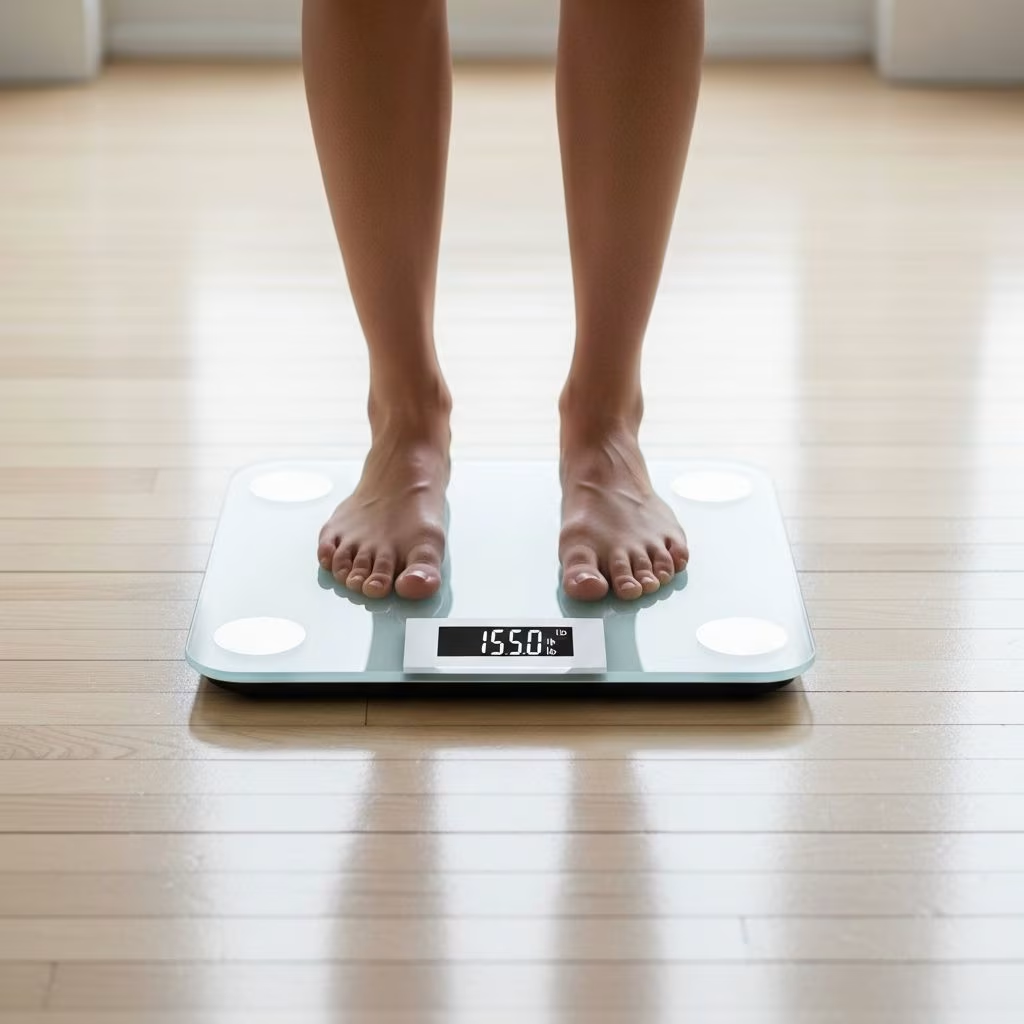
Weighing yourself regularly is a long-debated strategy in the journey to weight loss and weight management. While some people swear by daily check-ins, others avoid the scale for weeks, fearing frustration or discouragement. What does scientific evidence say about the ideal frequency, and how can you use weigh-ins as a tool for lasting success — not stress?
Why Do Weigh-Ins Matter for Weight Loss and Maintenance?
Stepping onto the bathroom scale provides immediate feedback about your progress. Self-monitoring is a cornerstone of behavior change; it reveals trends, holds you accountable, and prompts action before small slips become bigger setbacks. But the frequency and psychological impact of weigh-ins are key factors in whether or not regular check-ins actually help you reach your goals.
- Accountability: Watching the numbers regularly can motivate you to stick with new habits or correct minor slips before they grow.
- Feedback: Tracking weight provides objective data to inform adjustments to your eating and exercise plans.
- Self-awareness: Routine weighing helps you understand how food choices, sleep, and activity impact your body.
What Does the Research Say About How Often You Should Weigh Yourself?
Several recent studies underscore the power of consistency when it comes to self-weighing. Here’s a look at the science:
Major Findings From Recent Scientific Studies
- Frequent (Daily) Weighing: Studies tracking hundreds to thousands of adults found that people who weighed themselves six or seven times a week lost significantly more weight and kept it off compared to those who weighed in once a week or less. For example, one large study reported that daily self-weighers averaged a 1.7% weight loss over one year, while those with less frequent check-ins saw little or no change.
Source: American Heart Association / Annals of Behavioral Medicine - Weekly Weighing: For some, weighing in once or twice a week is a reasonable compromise, especially if daily weighing causes anxiety or frustration.
Source: Cleveland Clinic - Long Gaps are Counterproductive: Research shows that “the longer the women waited between weigh-ins, the more weight they gained.” Regular check-ins — at least a few times per week — are key for accountability.
Source: International Journal of Obesity - Consistency Beats Sporadic Attempts: Success is not just about how often you weigh in, but about regularity. Fluctuations are normal; what matters most is sticking to a consistent routine over time.
Source: Cleveland Clinic
Summary Table: Weighing Frequency vs. Weight Management Success
| Weighing Frequency | Research-Backed Benefit | Potential Drawback | Best For |
|---|---|---|---|
| Daily | Maximum weight loss and maintenance, better habit tracking | Possible stress/anxiety from fluctuations | Those who can focus on trends and not obsess over numbers |
| Weekly (1-2x) | Good monitoring without daily pressure | Higher risk for slipping habits between weigh-ins | People prone to stress or with history of disordered eating |
| Less than Weekly | Lower risk of scale obsession | Greater likelihood of unnoticed gains | Those maintaining weight long-term and with high self-awareness |
How to Weigh Yourself: Timing, Consistency, and Context
The value of the scale is maximized when you use it with intention and structured routine. Here’s how to get the most accurate results and avoid common pitfalls:
- Choose a consistent time of day: Morning, just after using the bathroom, before eating or drinking, provides the most consistent results.
- Wear the same clothing (or nothing) each time: Clothing can add noticeable variation to your measurements.
- Use the same scale: Scales can vary widely; stick to the same device for all weigh-ins.
- Record your weight with a tracking system: Digital tools or apps make it easy to see trends over time and avoid overreacting to short-term changes.
- Weigh yourself on similar days of the week: Avoid comparing a Monday (post-weekend behaviors) to Friday after a routine week.
Normal Weight Fluctuations: What Causes Daily Ups and Downs?
The scale can move up or down by several pounds even if your habits are steady. Understanding what’s normal can reduce frustration and increase the usefulness of your weigh-ins.
- Water retention: Salt, carbohydrates, and hormonal shifts (especially premenstrual) can all impact water weight.
- Food in your system: The volume of food and drink before the weigh-in affects your number.
- Bowel movements: Variability in digestion means the scale might reflect what’s still inside, not what’s stored as fat.
- Exercise: Intense workouts, especially weight training, can cause muscle to retain water as it repairs.
Be patient: The overarching trend, not day-to-day shifts, is what truly matters for progress tracking.
Weighing Yourself: Psychological Benefits and Risks
For most people, regular self-weighing is a positive and motivating component of weight control and maintenance. However, it is not suitable for everyone, especially those with a history of disordered eating or scale-related anxiety.
Psychological Benefits
- Immediate feedback encourages ongoing healthy behaviors.
- Helps prevent large weight regain by catching small increases early.
- Increases mindful eating and activity.
Psychological Risks
- For some, scale obsession can trigger anxiety or unhealthy behaviors.
- Daily ups and downs might be discouraging if misunderstood.
- Having a history of eating disorders or body image challenges means frequent weigh-ins are not recommended. Focus on other metrics of health and progress.
Alternatives to the Scale: Other Ways to Measure Progress
If you find the scale causes negative feelings, consider these alternative measurements:
- Body measurements: Track waist, hip, and thigh circumference.
- Clothing fit: Note how your clothes feel over time.
- Progress photos: Take monthly photos for visual reference.
- Fitness and energy levels: Record improvements in endurance, strength, or daily activity.
- Habits: Log healthy choices, like vegetable intake or exercise sessions, rather than only relying on weight numbers.
Expert Recommendations: How to Choose Your Weigh-In Frequency
No single weigh-in schedule works for everyone. Instead, select a frequency and tracking method that fits your goals, lifestyle, and mental well-being.
- If you’re trying to lose weight:
- Daily or near-daily weigh-ins often yield the best results for most people, as supported by multiple studies.
- Focus on trends and treat the number as data, not as an evaluation of self-worth.
- If you’re maintaining weight:
- Once or twice a week is often effective to notice small increases and address them promptly.
- If you find the scale triggering:
- Use non-scale metrics for progress and consult with a healthcare provider or counselor if needed.
Practical Tips: Getting the Most Out of Your Weigh-Ins
- Weigh yourself at the same time every day, preferably in the morning.
- Keep a simple log—pen and paper, spreadsheet, or app—to track trends.
- Don’t rely solely on the scale: Combine regular weigh-ins with monitoring food, activity, and body measurements.
- Respond thoughtfully to increases: Don’t panic if your weight jumps; look at your habits, reflect, and make gradual adjustments.
Common Misconceptions About Weighing Yourself
- Myth: Daily weighing causes unhealthy fixation.
Fact: For most people, frequent self-weighing increases awareness and accountability without harm. Those with a history of eating disorders should seek alternatives. - Myth: You have to weigh yourself at the gym or doctor’s office for accuracy.
Fact: Home scales can be reliable if you maintain consistency in your process. - Myth: Fluctuations mean something’s wrong.
Fact: Small swings in weight (up to 2-3 pounds in a day) are normal.
Frequently Asked Questions (FAQs)
Is it better to weigh myself in the morning or evening?
Morning provides the most consistent results, as you haven’t yet eaten, drank, or dressed. Try to weigh yourself after using the bathroom and before breakfast, wearing as little clothing as possible.
How should I react if my weight goes up a couple of pounds?
Consider normal causes such as water retention, menstrual cycles, or a salty meal. Look at the trend over a week or month before making adjustments to your routine.
Can weighing myself daily lead to obsessive or disordered thoughts?
Most people benefit from daily weigh-ins, but if you’re prone to anxiety or have a history of eating disorders, consult with a medical professional before starting frequent self-weighing.
Should I rely solely on the scale to track my progress?
No. Combine scale data with body measurements, fitness achievements, clothing fit, and other health improvements for a complete picture.
How do I stop letting the scale dictate my mood?
Shift your focus from the number itself to long-term trends and celebrate healthy habits, not just results. Use your weigh-in data as information to adjust behaviors, not as a measure of your worth.
Key Takeaways
- Regular self-weighing is a powerful tool for weight loss and maintenance when used consistently and with a positive mindset.
- Daily or near-daily weigh-ins are ideal for most people, but weekly check-ins or non-scale tracking may be better for some.
- Choose a routine that keeps you motivated and informed—never discouraged.
- Remember: The scale is just one data point. True health is about evolving habits, not chasing numbers alone.
References
- https://www.heart.org/en/news/2019/01/02/the-pros-and-cons-of-weighing-yourself-every-day
- https://www.prevention.com/weight-loss/a20430880/how-often-you-should-weigh-yourself-for-weight-loss/
- https://www.prevention.com/weight-loss/a20460839/should-you-weigh-yourself-every-day/
- https://health.clevelandclinic.org/when-is-the-best-time-to-weigh-yourself
- https://pmc.ncbi.nlm.nih.gov/articles/PMC4380831/
- https://www.prevention.com/weight-loss/a20492165/what-happens-when-you-stop-weighing-yourself/
- https://www.prevention.com/health/a20434759/weighed-myself-every-day/
- https://www.prevention.com/weight-loss/a20433244/daily-weighing-and-weight-loss/
- https://www.sbm.org/healthy-living/to-weigh-or-not-to-weigh


