


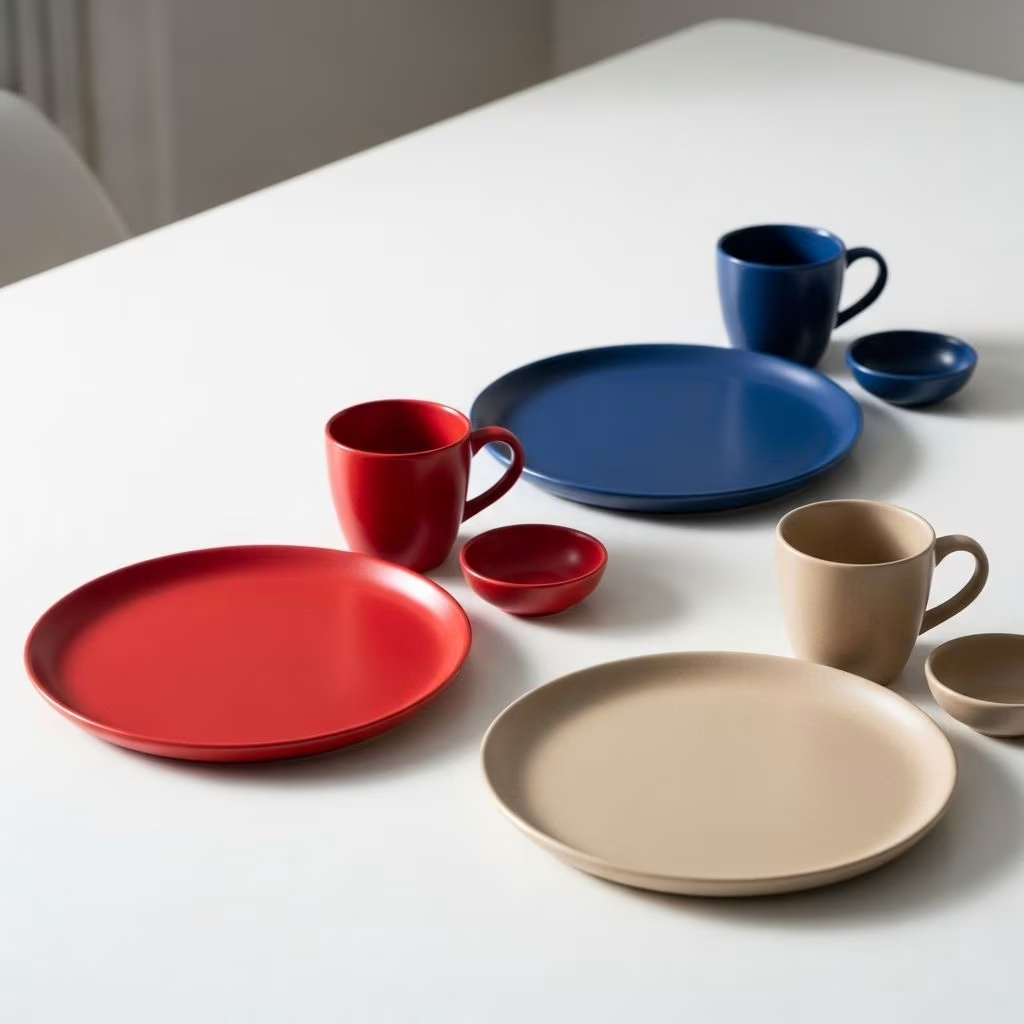
The Science Behind Plate Color and Taste: Eating with Your Eyes
Imagine sitting down to eat a slice of chocolate cake. Before you even take the first bite, your perception of the dessert has already been shaped by more than its smell or appearance—the color of the plate it is served on may be influencing how sweet, rich, or appealing you find it. Decades of research in sensory psychology reveal a surprising truth: the colors of plates, bowls, and cups can subtly alter how food and drinks taste, affect how much you eat, and even shape your satisfaction with a meal.
Why Do Colors Affect How Food Tastes?
We often say, “We eat with our eyes first,” and psychological studies confirm that this maxim holds weight. Much like scent, color is an essential cue in how our brains process flavor. Even before the first bite, color primes us with expectations about sweetness, saltiness, or bitterness. These associations are partly learned throughout life, as researchers like Professor Charles Spence from the University of Oxford have shown—the links between color and taste are formed by the patterns we observe in our food environments, often starting in infancy.
- Red or pink foods are typically linked with sweetness.
- Yellow or green with sourness or acidity.
- White suggests saltiness or purity.
- Brown or black signal bitterness or richness.
Unexpectedly, these color-taste pairings are so strong that they can override the actual flavor of the food. In famous experiments, wine experts mistook white wine colored with red dye for red wine, describing notes typical of red varietals.
The Role of Plate and Bowl Color in Taste Perception
While much research has focused on the color of the food itself, newer studies are digging into how the color of the serving ware—plates, bowls, and cups—modifies the overall eating experience. It turns out, the background against which food is seen can influence perceived flavor just as powerfully as the actual ingredients.
- White or light plates can enhance sweet flavors and make colorful foods pop visually, increasing their perceived vibrancy and appeal.
- Dark or angular plates may bring out more savory notes and make a dish seem more intense and complex.
- In coffee research, red or pink cups have been shown to increase perceived sweetness, while green cups amplify acidity.
Research Insights: Plate and Bowl Color Experiments
Recent studies have taken these concepts from the lab to the dining table, with surprisingly specific results. In a 2023 experiment published in Food Quality and Preference, researchers from the University of Portsmouth found that the color of a bowl changed the experience of eating snack foods—but mostly for picky eaters.
- Picky eaters rated chips as much saltier when served from blue or red bowls compared to white ones.
- Food desirability was also higher when the same chips were served in blue bowls, as opposed to red or white, for these individuals. However, non-picky eaters did not show any such effects.
- The red bowls, associated with fruity or sweet flavors, appeared to decrease the appeal of salty chips, possibly due to mismatched flavor-color expectations.
These findings align with other research showing that saltiness and flavor intensity can be subtly enhanced by blue plates and cutlery, potentially because these colors are associated with popular salty foods (like blue salt-and-vinegar crisp packaging in the UK).
Color Associations Are Cultural, Too
Our reactions to certain plate or bowl colors can depend on our cultural background. In an experiment led by Professor Spence, a clear blue drink was tasted. UK participants expected it to be raspberry-flavored, whereas participants from Taiwan expected mint—reflecting the packaging colors of drinks common in their home countries. Thus, color-taste associations are not hardwired but shaped by market and cultural context.
Can the Right Plate Color Help Manage Appetite?
If color alters how we taste and enjoy food, could it be used as a subtle tool for healthier eating? Some color choices can indeed boost or dampen appetite and satisfaction, helping you be more mindful about how much you consume.
- Warm colors such as red, orange, or yellow stimulate appetite and make food appear more abundant and vibrant.
- Cool colors like blue or green tend to suppress appetite, making a meal less visually stimulating and potentially helping with portion control.
- Serving food on plates that contrast with the food color heightens visual appeal and can influence portion size perception, leading to more mindful eating.
Interestingly, blue is one of the least common colors in natural foods and has been shown to suppress appetite—perhaps because it unconsciously signals caution or rarity, making blue plates a potential ally for those looking to reduce intake.
Beyond Plates: How Cup and Glass Color Shape Drink Perception
The effects of color aren’t limited to solid food. Multiple studies show that the color of cups and glasses can change how we perceive drinks:
- Hot chocolate tastes sweeter and more aromatic in orange or cream cups versus red or white ones.
- Coffee consumed from red or pink cups is perceived as sweeter; from green cups, more acidic.
- Drinks in blue glasses are considered more “thirst-quenching” and refreshing, while heavier cups or mugs can lead to judgments of higher quality and flavor intensity.
One memorable experiment tested how container weight combined with color affects perception: yogurt sampled from heavier bowls was seen as more filling, luscious, and even more expensive, regardless of taste.
Plate Psychology: The Impact of Shape and Contrast
It’s not just color, but also the shape of serving ware and its contrast with food that matter. Round, white plates are known to enhance perceived sweetness, which can be used to influence the enjoyment of desserts or fruits. Dark, angular plates, in contrast, may make dishes seem more savory, intense, or extravagant. High-contrast plating—such as vivid salads on white plates—makes meals look larger and more inviting, potentially increasing satiety with smaller portions.
A Real-Life Experiment: Brownies on Different Plates
One of the most telling studies involved serving identical brownies to over 170 cafeteria participants, but each brownie was presented differently:
- Some received theirs on elegant white china plates.
- Others were given paper napkins.
- Some had their brownie served on a disposable paper plate.
Those who ate from the formal, attractive plates rated the exact same brownie as more delicious and satisfying than those eating from the napkin or disposable plate. The context—created by plate color and elegance—amplified perceived pleasure and value in ways that went far beyond the food itself.
Tips for Using Plate Color to Your Advantage
Want to put plate psychology to work at your own table? Here are some simple and science-backed techniques:
- Serve desserts or sweet snacks on white or light-colored plates to accentuate sweetness.
- Use red or orange plates for foods you want to feel more indulgent or enjoyable (but beware of increased appetite).
- Try blue plates for portion control—especially with snacks that you tend to overeat.
- Opt for high contrast: Serve pale foods on dark plates (and vice versa) to highlight quality and encourage satisfaction with smaller servings.
- When drinking coffee or cocoa, experiment with cup color to enhance heat, sweetness, or richness—the effect can be surprising.
Emerging Applications and Limitations of Color-Taste Research
While the evidence that plate and cup color influences flavor is mounting, there are important nuances and open questions. Not everyone is equally affected: picky eaters and those sensitive to sensory cues are more likely to notice changes in taste or enjoyment based on serving ware color. Color effects can also vary by context, culinary tradition, and individual expectation.
Researchers caution that these findings are most useful when paired with other mindful eating strategies and should not be seen as a quick fix for picky eating, portion control, or dietary challenges. Still, experimenting with color at the table is a promising, low-risk, and even fun way to make meals feel fresher and more engaging.
Frequently Asked Questions (FAQs)
Q: Does the color of a plate really change the taste of food?
A: Yes, multiple studies have found that plate and cup color can change not only the perceived intensity of flavors—like sweetness or saltiness—but also the overall enjoyment and desirability of a meal, especially for those sensitive to sensory cues.
Q: Can choosing certain plate colors help me eat less?
A: Cool colors like blue or green have been shown to reduce appetite and slow eating, making them helpful allies for portion control. High-contrast plating also helps you notice portions more clearly, potentially curbing overeating.
Q: Are these color effects the same for everyone?
A: No, the influence of plate and cup colors varies by individual. Picky eaters and those attuned to sensory experiences are more affected, while some people notice little to no change. Cultural background and personal associations also play a role in how colors affect taste and enjoyment.
Q: Which colors are best for making food taste sweeter?
A: White, red, and pink serving ware tend to amplify perceived sweetness, while black and green can mute it. This effect is especially noticeable with desserts, fruits, and drinks like hot chocolate or coffee.
Q: Should I throw out all my colored plates?
A: Not at all—use plate colors strategically! If you want to enjoy smaller portions or control cravings, try blue plates for snacks. To indulge your senses with dessert, go for white or red. Experimenting can make meals more mindful and enjoyable.
References
- https://www.bps.org.uk/research-digest/colour-bowls-and-plates-can-influence-how-food-tastes-picky-eaters
- https://happyherbivore.com/podcast/how-to-eat-less-feel-satisfied-plate-color-food/
- https://www.foodunfolded.com/article/how-does-colour-affect-the-way-we-eat
- https://sca.coffee/sca-news/read/multisensory-perception-of-flavors-impact-of-weight-and-color-on-coffee-evaluation
- https://www.lagavi.com/blogs/journal/food-for-eyes-plate-colour-psychology-in-dining
- https://pmc.ncbi.nlm.nih.gov/articles/PMC5911375/
- https://stonessa.com/blogs/stories/how-does-your-tableware-impacts-the-way-your-food-tastes


