


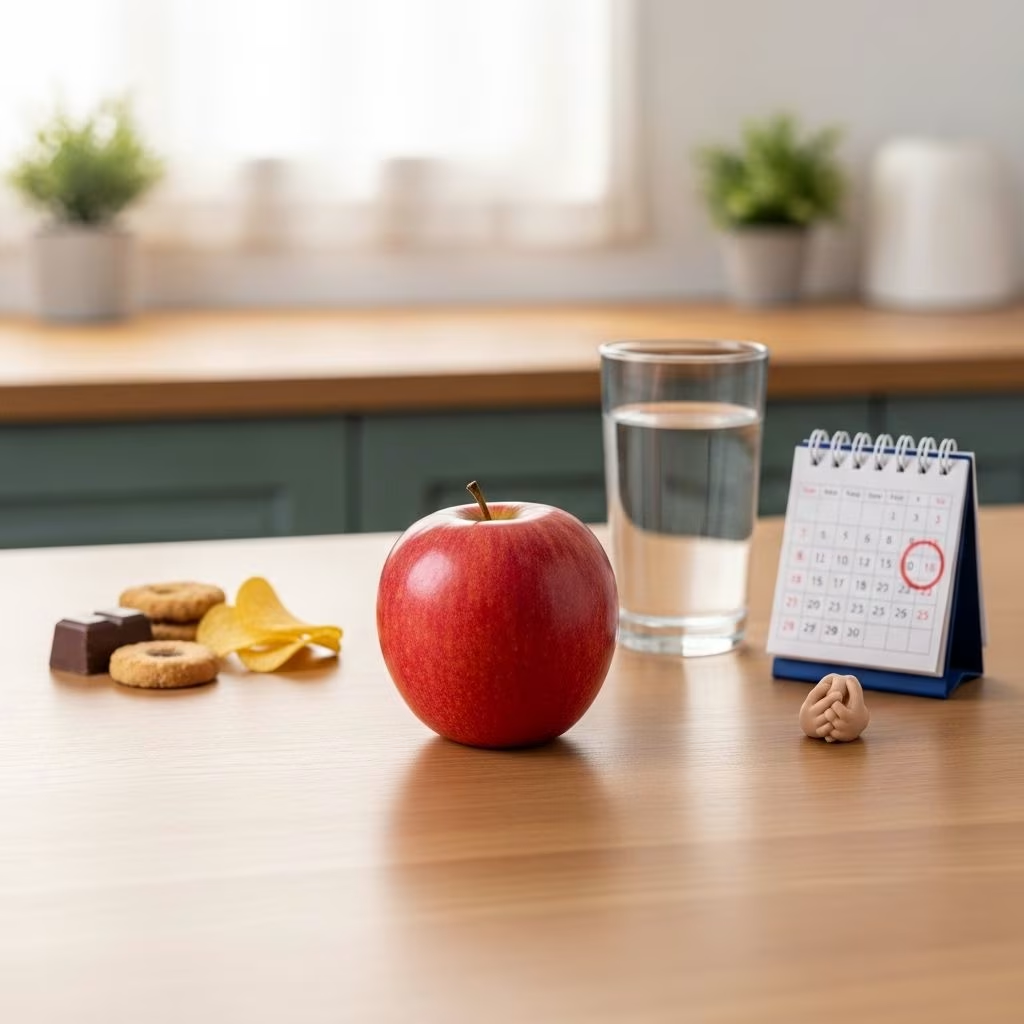
Food cravings are a common hurdle on the road to healthier eating and weight loss. Whether it’s an irresistible urge for chocolate at 3 PM or a midnight call for chips, understanding and managing cravings is crucial for sustaining a balanced diet and reaching your health goals. This comprehensive guide explores seven expert-backed strategies to help you master your cravings, backed by the latest research and practical tips.
Understanding Food Cravings: Why Do We Crave?
Food cravings are intense desires for specific foods, typically high in sugar, fat, or salt. Cravings are influenced by both biological and psychological factors:
- Brain Chemistry: Cravings are linked to dopamine and serotonin releases, neurotransmitters associated with pleasure and reward.
- Emotional Triggers: Stress, boredom, or sadness can prompt cravings as a form of comfort or distraction.
- Environmental Cues: Seeing, smelling, or even thinking about certain foods can set off cravings, a leftover adaptation from our evolutionary past.
1. Drink Water First: Hydration Before Hunger
Dehydration can mimic hunger, causing unnecessary snacking when your body may simply need water. The next time a craving hits, reach for a tall glass of water and wait 15-20 minutes. Often, you’ll find the urge fades significantly.
- Keep a reusable water bottle nearby as a constant reminder.
- Try infused water with citrus or herbs to make hydration more appealing.
- If the craving persists after hydration, your body may genuinely need fuel—opt for a nutritious snack.
2. Disrupt the Craving with Healthy Distractions
Cravings are usually intense but short-lived. Distraction can help you ride out the urge until it subsides. Engage your mind and body with an activity that diverts your attention:
- Play a quick game: Just 3 minutes of Tetris or another mobile game has been shown to reduce cravings by up to 70%.
- Call or text a friend: Social interaction changes your mental focus and provides positive support.
- Watch a funny video: Laughter boosts serotonin and can decrease your appetite through mood elevation.
- Get moving: Go for a brisk 10-15 minute walk to release endorphins and break the craving cycle.
3. Address Emotional Eating Directly
Emotional triggers are powerful. Many people turn to comfort foods to cope with feelings of stress, loneliness, or boredom. To counter emotional eating:
- Practice mindfulness: Before giving in, ask yourself: “Am I physically hungry or is this an emotional response?”
- Try forgiveness and kindness exercises: Writing a letter to smooth over a relationship or doing a kind act can release happy hormones and reduce the frequency of emotionally-driven eating.
- Keep a food and mood journal: Tracking what you eat and how you feel can help you notice patterns and find alternative coping mechanisms.
4. Change Your Food Environment
Out of sight, out of mind: your environment plays a huge role in what and how often you crave. Reduce temptation by making simple changes:
- Remove trigger foods: Don’t keep highly tempting, less-nutritious foods at home where they’re easily accessible.
- Stock healthy alternatives: Keep pre-cut veggies, fruit, or nuts visible and ready for snacking.
- Modify routines: If you usually grab candy at a certain time, try a walk or stretching routine instead.
5. Wait It Out: The 20-Minute Rule
Most cravings only last about 20 minutes. Building a pause between the urge and acting on it is a powerful self-regulation tool:
- When a craving strikes, tell yourself you’ll wait 20 minutes before eating.
- During the wait, distract yourself—read, tidy up, or get fresh air. Often, the craving diminishes or disappears altogether.
- This practice builds self-control and helps you distinguish between true hunger and fleeting desire.
6. Practice Acupressure and Other Physical Techniques
Surprisingly, some physical strategies can reduce the sensation of cravings:
- Touch your ear: Gently pressing the Shen Men or “Hunger Point” on your ear for one minute is thought to suppress appetite.
- Clench your fists: Brief physical engagement may redirect your attention and energy away from food.
- Take deep breaths or stretch: These actions promote relaxation and can reset stress-related spikes in appetite.
7. Plan Regular, Balanced Meals and Snacks
Structured eating patterns help regulate blood sugar and prevent the rebound hunger that triggers cravings:
- Aim for three main meals and one or two healthy snacks every day. Skipping meals tends to increase hunger, making you more likely to seek out high-calorie snacks later.
- Eat a variety of foods: Incorporate protein, fiber, healthy fats, and complex carbohydrates to feel fully satisfied.
- Plan an evening snack: Pre-plan a wholesome snack for after dinner to counter late-night urges.
Table: 7 Strategies to Conquer Food Cravings Quickly
| Strategy | Key Action | Added Benefit |
|---|---|---|
| Hydration | Drink 8-16oz water, especially before snacking | Supports digestion; may prevent unnecessary calorie intake |
| Distraction | Play a game, laugh, call a friend, take a walk | Short-circuits the craving and lifts mood |
| Emotional Awareness | Pause to assess emotional triggers | Reduces reliance on food for comfort |
| Environmental Control | Remove tempting foods from home/work | Less willpower needed; healthier choices become easier |
| 20-Minute Rule | Wait out the craving while distracting yourself | Often leads to craving fading naturally |
| Acupressure/Physical Techniques | Touch ear’s Hunger Point, clench fist, stretch | May interrupt cravings and reset mindset |
| Meal Planning | Eat regular, balanced meals and snacks | Keeps blood sugar stable, prevents binge triggers |
Frequently Asked Questions (FAQs)
Q: What causes food cravings?
A: Food cravings are driven by both psychological (emotional and environmental triggers) and biological (hormonal, blood sugar fluctuations) factors. Highly processed foods often intensify cravings due to their sugar and fat content, which stimulate dopamine release in the brain.
Q: Can drinking water really stop a craving?
A: Yes! Dehydration can trigger feelings similar to hunger. Drinking water often satisfies the body and diminishes the craving signal, especially for salty or sweet snacks.
Q: How quickly do cravings usually pass?
A: Most cravings peak and pass within about 20 minutes if you distract yourself or wait them out. Rarely are cravings sustained if not acted upon quickly.
Q: What’s a healthy response if the craving persists?
A: If you’re still craving a specific food after hydrating, distracting, and waiting, try a small portion of a healthy alternative. Example: swap chocolate for fruit, or chips for crunchy veggies.
Q: Is it normal to have cravings even when I’m not hungry?
A: Yes. Many cravings are triggered by emotions, environment, or habit rather than genuine physical hunger. Recognizing triggers is the first step in managing them.
Bonus Tips for Long-Term Craving Control
- Prioritize sleep: Inadequate rest increases appetite-regulating hormones and reduces willpower, making cravings harder to resist.
- Manage stress: Regular relaxation, meditation, and physical activity help keep cravings at bay.
- Forgive slip-ups: One moment of giving in won’t ruin your progress; focus on returning to your healthy plan at the next meal.
Conclusion: Make Craving Control a Sustainable Habit
While cravings can be a formidable barrier to healthy living, they don’t have to derail your progress. By understanding your triggers and using these practical, science-supported strategies, you can tame your appetite, build stronger eating habits, and support your long-term health goals.
References
- https://www.prevention.com/weight-loss/g20512093/12-surprisingly-effective-ways-to-halt-your-hunger/
- https://www.heart.org/en/news/2024/07/26/where-do-food-cravings-come-from-and-can-we-stop-them
- https://blog.ultrahuman.com/blog/how-to-control-food-cravings-in-7-ways/
- https://www.prevention.com/weight-loss/g20453669/distractions-that-can-help-you-ride-out-a-craving/
- https://www.scripps.org/news_items/6147-7-tips-to-control-your-food-cravings
- https://www.virtua.org/articles/7-easy-ways-to-curb-your-nighttime-snack-cravings
- https://www.prevention.com/weight-loss/a20439714/how-to-stop-sugar-cravings/
- https://pmc.ncbi.nlm.nih.gov/articles/PMC7321886/
- https://www.prevention.com/weight-loss/a20474557/how-to-reduce-food-cravings-with-your-finger/


