


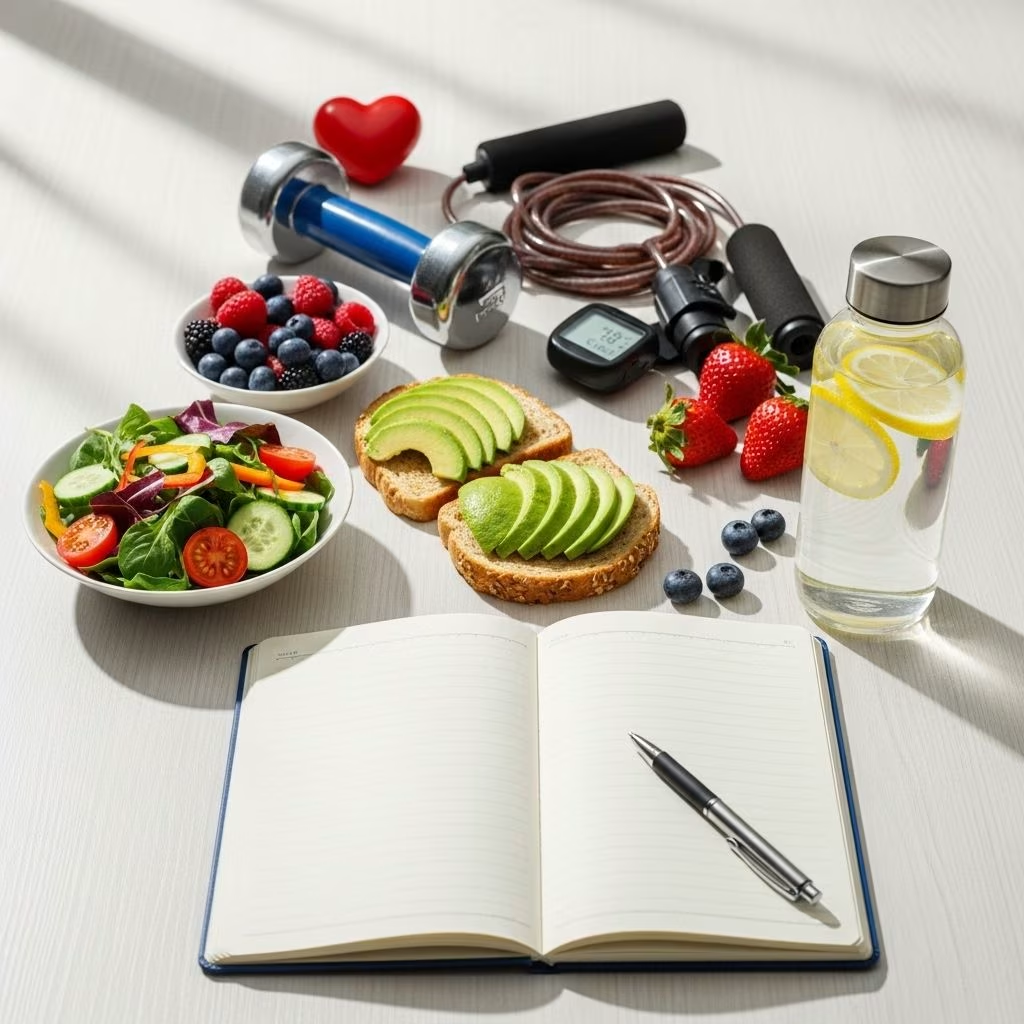
Fast Weight Loss Advice That Actually Works
Losing weight quickly and effectively is a common goal for millions, but finding trustworthy and sustainable strategies can be challenging. The key lies in science-backed methods that blend smart eating, daily movement, and lifestyle shifts without resorting to dangerous crash diets or unrealistic routines. This guide synthesizes expert advice, practical tips, and scientific evidence so you can shed pounds quickly—while protecting your health for the long term.
Understanding Fast Weight Loss
Effective fast weight loss isn’t about extreme restriction or punishing workouts. Instead, it merges three essential components:
- Adjusting your calorie intake to fit your personal needs
- Boosting daily physical activity, both inside and outside formal exercise
- Making smarter, more satisfying food choices
These pillars ensure weight loss is rapid but also sustainable and healthy for any lifestyle.
Step 1: Calculate Your Calories
Before you make changes, knowing your baseline daily calorie burn is crucial.
- Use an activity monitor for a week to track calories burned and establish your daily total.
- Identify opportunities for ‘mini boosts’ throughout your day—like walking during calls or standing while working.
This foundation helps you set realistic goals and tweak your routine for effective calorie reduction.
| Activity | Estimated Calories Burned (per hour) |
|---|---|
| Sitting | 60-80 |
| Standing Desk | 100-120 |
| Walking (leisurely) | 200-250 |
| Household Chores | 150-220 |
Step 2: Move More Every Day
Increasing your calorie burn doesn’t mean hours at the gym. Incidental activity—known as NEAT (Non-Exercise Activity Thermogenesis)—can make a dramatic difference.
- Up your daily movement by at least 500 calories per day.
- Choose activities that fit your life (parking farther away, taking stairs, brisk walking during breaks).
Sample ideas for NEAT:
- Walk short errands instead of driving
- Stand or pace while on phone calls
- Do light exercises or stretches during TV time
- Clean or organize your living space
- Deliver messages in person at work rather than emailing
A Prevention test panel lost up to 3 pounds per week using this approach, proving small changes add up quickly.
Step 3: Fight Fat With Food
Calorie control is only part of effective fast weight loss. Choosing the right foods is just as vital.
- Adopt a 1,600-calorie per day meal plan focused on whole foods—fruits, vegetables, lean protein, whole grains, and healthy fats.
- Avoid skipping meals or dropping below 1,200 calories daily, which can slow metabolism and deprive your body of essential nutrients.
- Eat smaller, more frequent meals to reduce hunger and cravings.
Try 5-minute, 400-calorie meals such as:
- Grilled chicken + roasted vegetables
- Greek yogurt + fruit + nuts
- Salmon + quinoa + broccoli
Intermittent Fasting Methods Explained
For some, intermittent fasting offers another path for rapid weight loss. Research shows it’s no more effective than standard calorie restriction, but it can suit certain schedules and preferences.
| Method | Fasting Window | Description |
|---|---|---|
| 5:2 Program | 2 days per week | Eat 500–600 calories two days, normal eating the rest |
| Leangains / 16:8 | 14-16 hours per day | Eat only during an 8-10 hour window daily |
| Eat Stop Eat | 1–2 full days per week | Fast for 24 hours, normal eating on other days |
| Warrior Diet | 20 hours fast | One large meal in the evening |
Most plans recommend focusing on nutrient-dense foods during eating windows—like vegetables, lean meats, whole grains, and healthy fats.
Avoid Common Fast Weight Loss Pitfalls
Many quick-fix weight loss plans promise dramatic results but compromise sustainability and health. Avoid these errors:
- Dropping calories below 1,200 per day
- Excessive exercise—aim for 3-5 days per week, not daily marathons
- Cutting out entire food groups
- Relying purely on diet supplements
- Ignoring the need for long-term habit change
The most effective approach relies on manageable changes you can sustain for months and years—not just days.
The Surprising Role of Sitting
Emerging research warns sitting too much can undermine even well-designed weight loss plans. Eight hours of standing during light office work burns nearly 500 more calories compared to sitting for the same amount of time. Consider these strategies:
- Set up a standing desk
- Take calls while standing or pacing
- Visit colleagues in person rather than messaging
- Stand and stretch every 30 minutes
These minor shifts maintain higher calorie burn throughout the day and contribute to faster progress.
Practical Lifestyle Tweaks for Lasting Change
Food diaries and mindful eating are proven methods for greater weight loss success. Documenting what you eat raises awareness, helps prevent overeating, and makes emotional triggers easier to spot.
- Track food intake on paper or via an app
- Set eating windows (e.g., 8 AM – 8 PM) to avoid late-night snacking
- Batch-cook healthy meals for ready-to-eat options through the week
- Schedule exercise sessions into your calendar like appointments
- Find social support—join a group or enlist family/friends
According to expert panels, accountability is a key predictor of success. Sharing goals and progress with others boosts motivation and resilience over time.
Frequently Asked Questions (FAQs)
Q: How fast can I expect to lose weight with these strategies?
Results vary, but many people lose 1–3 pounds per week when consistently applying these techniques. The rate depends on adherence, body composition, metabolism, and overall health.
Q: Is it safe to drop calories below 1,200 per day?
No. Experts warn against eating fewer than 1,200 calories daily due to risk of slowing metabolism and nutritional deficiencies. Always consult a registered dietitian before making drastic changes.
Q: Do I need to exercise every day?
No; aim for 3–5 days of exercise a week or 150 minutes total weekly. Build from there if ready, but daily intense workouts can lead to burnout and injury.
Q: Is intermittent fasting better than regular calorie restriction?
Current research shows that intermittent fasting offers similar results to daily calorie restriction. Choose the method that fits your lifestyle and feels most sustainable.
Q: Can I lose weight without dieting or exercising?
Yes—by increasing daily movement (standing more, walking short errands), managing meal timing, and keeping a food diary. The combination of habits does more than strict plans alone.
Key Takeaways
- Track your starting calorie burn and set realistic daily goals
- Increase movement throughout the day with NEAT strategies
- Eat balanced, frequent meals—never drop below 1,200 calories
- Choose intermittent fasting only if it suits your schedule
- Stand, stretch, and move regularly to offset weight gain risks of sitting
- Track food intake and habits for improved awareness and accountability
By making small, strategic adjustments each day, you can accelerate your weight loss, boost energy, and set yourself up for long-term health and confidence.
References
- https://www.prevention.com/weight-loss/a20437039/100-easy-tricks-to-move-more-and-lose-weight/
- https://www.prevention.com/weight-loss/g20487308/how-to-stop-losing-and-gaining-the-same-10-pounds/
- https://www.prevention.com/weight-loss/a20500235/intermittent-fasting/
- https://www.prevention.com/weight-loss/a20439221/lose-weight-without-diet-or-exercise/
- https://www.prevention.com
- https://www.prevention.com/health/a65401665/expert-walking-tips-weight-loss/
- https://www.prevention.com/weight-loss/g20490240/10-rules-to-live-by-for-long-lasting-weight-loss/
- https://www.prevention.com/weight-loss/g20494908/how-to-start-losing-weight/
- https://www.prevention.com/weight-loss/a36065492/rethinking-body-weight/


