


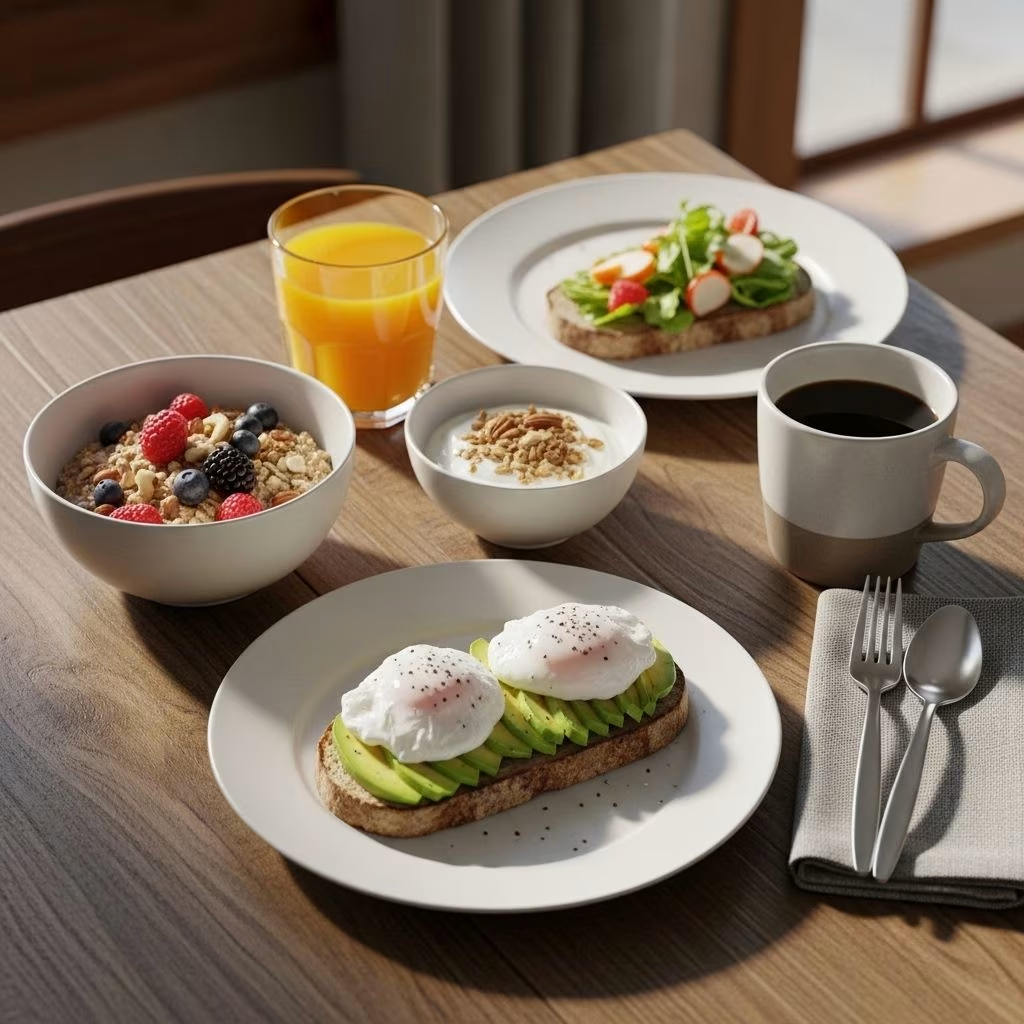
Is breakfast truly the most important meal of the day, especially when it comes to weight loss? Over the years, this question has fueled debate among nutritionists, dieters, and the broader public. Conventional wisdom and countless diet fads have long encouraged breakfast as a non-negotiable for weight control, suggesting that eating early in the day jump-starts metabolism and curbs hunger later on. But what does science really say? This comprehensive exploration reviews recent research, examines common myths, and offers practical guidance to help you make the best breakfast decision for your unique lifestyle and goals.
Why Has Breakfast Been Linked to Weight Loss?
For decades, breakfast was promoted as a cornerstone of a healthy weight-loss plan. The rationale: eat early, boost your metabolism, and naturally reduce your caloric intake for the rest of the day. Observational studies from the late 20th and early 21st centuries consistently reported that people who ate breakfast were, on average, leaner than those who skipped it.
- Energy balance: Eating in the morning was thought to prevent overeating later in the day.
- Metabolic boost: Some experts argued that breakfast ‘kick-starts’ metabolism.
- Hunger control: Breakfast might help control hunger hormones, resulting in less snacking and better food choices throughout the day.
But more recent studies and randomized trials question whether these benefits are as straightforward as they first appeared.
The New Science: Does Skipping Breakfast Actually Make You Gain Weight?
Emerging research challenges the notion that breakfast is essential for weight loss. Several studies have found little to no difference in weight change among people who skip breakfast versus those who eat it every day, provided total calorie intake remains the same by day’s end.
- No universal metabolic advantage: According to controlled trials, eating breakfast does not necessarily confer a metabolic ‘boost’ or significant benefit for weight loss compared to skipping it.
- Individual variation: People’s responses to breakfast can vary widely, influenced by genetics, activity level, work schedules, and personal preferences.
- Satiety and meal timing: While some feel hungrier and overeat after skipping breakfast, others do not experience increased hunger or cravings at all.
An influential randomized controlled trial published in 2014 assigned adults either to eat or skip breakfast for 16 weeks. The study found no significant differences in weight loss between the two groups, suggesting that breakfast, on its own, does not guarantee slimmer waistlines.
Debunking Common Breakfast and Weight Loss Myths
Many weight loss ‘truths’ about breakfast are rooted in myth or correlation, rather than proven causation. Here are some of the most persistent:
- “Breakfast is necessary for weight loss” – Scientific evidence does not universally support this claim. People can lose weight regardless of whether they eat breakfast, as long as they maintain a calorie deficit.
- “Skipping breakfast slows your metabolism” – Studies show resting metabolic rate is not significantly affected by skipping a single meal.
- “Skipping breakfast makes you hungrier and prone to overeating later” – While some may compensate by eating more later, others naturally regulate their intake, and total daily calories may stay the same.
It’s important to acknowledge that skipping breakfast works for some but not all. Individual lifestyles, biology, eating habits, and even psychological cues factor into these responses.
Observational Studies vs. Randomized Trials: Understanding the Difference
Much of the pro-breakfast messaging comes from observational studies, which identify correlations but cannot prove causation. People who eat breakfast may also be more likely to engage in other health-promoting behaviors, such as:
- Regular physical activity
- Not smoking
- Consuming more fruits and vegetables
- Getting regular sleep
Consequently, it’s possible that breakfast eaters are slimmer not because of their morning meal, but because of a constellation of healthy habits.
In contrast, randomized controlled trials (RCTs) offer stronger evidence. When people are randomly assigned to eat or skip breakfast, the resulting weight loss differences are negligible, indicating no strong cause-and-effect relationship for the meal itself.
Potential Benefits of Eating Breakfast
Despite the lack of evidence for its unique weight loss effects, eating breakfast may have other benefits for certain individuals:
- Better nutrient intake: Breakfast often provides essential nutrients, such as fiber, calcium, B vitamins, and minerals, especially if the meal includes whole grains, fruit, and dairy.
- Stable energy and focus: Eating in the morning can help maintain stable blood sugar, aiding energy levels and mental concentration.
- Support for active lifestyles: Those who exercise in the morning may benefit from fueling muscles before and after activity.
Breakfast may support children and adolescents’ learning and behavior at school, a fact still supported by education and public health agencies. For adults, however, skipping breakfast is not inherently harmful if nutritional needs and energy are met across the rest of the day.
Potential Drawbacks of Skipping Breakfast
While ditching your morning meal might save time and calories, there are some downsides worth considering, especially if not done intentionally or mindfully:
- Hunger, fatigue, or irritability: Many people feel sluggish or distracted without morning fuel.
- Increased cravings: For some, skipping breakfast leads to more cravings for fatty, salty, or sugary foods later in the day.
- Nutrient gaps: Skipping breakfast can make it harder to meet your daily recommendations for nutrients found in foods commonly eaten at breakfast, like fiber and calcium.
- Not ideal for certain populations: Children, adolescents, pregnant women, and people with special dietary or metabolic needs may be more affected by skipping breakfast.
Who Should Consider Eating Breakfast?
The ideal morning meal plan is highly personal. However, breakfast is particularly beneficial for:
| Group | Reason Breakfast May Help |
|---|---|
| Children & Teens | Supports growth, cognitive function, learning, and energy. |
| Pregnant Women | Helps meet higher nutrient demands in pregnancy. |
| Morning Exercisers | Provides fuel for workouts, aids recovery. |
| People with very active jobs | Improves stamina and sustains energy throughout early hours. |
| Individuals who feel better with routine | Can prevent dips in mood or concentration associated with fasting. |
Tips for a Healthy Weight Loss Breakfast
If you opt in for breakfast, the composition of your meal is just as important as the timing. Here are guiding principles for building a balanced, weight-friendly breakfast:
- Focus on protein: Eggs, Greek yogurt, low-fat cottage cheese, nuts, or lean meats help increase satiety and reduce cravings.
- Add fiber-rich carbs: Oatmeal, whole grain toast, berries, or vegetables provide lasting energy and improve digestion.
- Include healthy fats: Nut butters, avocado, seeds, and olive oil promote fullness and nutrient absorption.
- Skip refined carbs and sugar: Donuts, sugary cereals, pancakes with syrup, and white bread can spike blood sugar and increase hunger soon after.
- Balance and portion control: A balanced breakfast should both fuel and satisfy without overloading on calories.
References
- https://www.prevention.com/weight-loss/g32626209/best-breakfasts-for-weight-loss/
- https://www.prevention.com/weight-loss/diets/g20481642/diabetes-friendly-healthy-breakfasts-for-energy/
- https://www.prevention.com/weight-loss/a20449815/weight-loss-breakfast-1/
- https://www.prevention.com/food-nutrition/healthy-eating/g29932964/low-calorie-breakfast-ideas/
- https://www.prevention.com/weight-loss/g20482528/this-is-your-perfect-day-for-weight-loss/
- https://www.prevention.com/food-nutrition/healthy-eating/g23709836/high-protein-breakfasts/
- https://www.prevention.com/weight-loss/g24805401/fat-burning-foods/
- https://www.prevention.com/weight-loss/
- https://www.prevention.com/food-nutrition/healthy-eating/g20460973/8-heart-healthy-breakfasts/


