


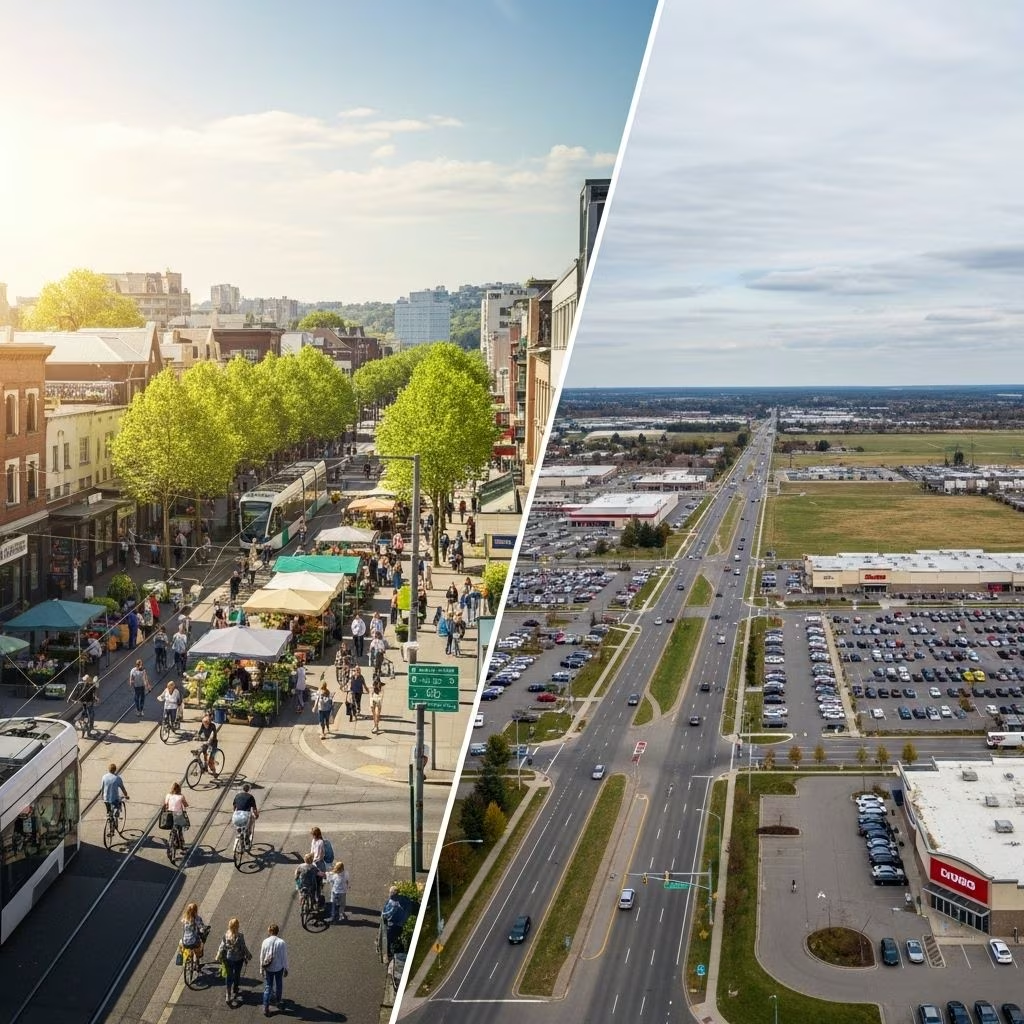
Is Your Town Making You Fat? How Where You Live Shapes Your Weight
American waistlines have expanded dramatically over the past decades, and while personal choices like diet and exercise play a key role, where you live can also strongly influence your risk of weight gain. From the availability of parks and grocery stores to the walkability of your neighborhood, the built environment and community design have a tangible impact on how easy—or difficult—it is to maintain a healthy weight. This article explores how cities can either promote or undermine healthy habits, discusses the risk factors embedded in local environments, and provides actionable insights and community strategies to help individuals, neighborhoods, and towns foster healthier outcomes.
How Your Environment Influences Your Weight
Obesity isn’t just about personal willpower. Modern research shows that obesity is an epidemic driven by social, cultural, and environmental factors. Communities designed around car travel, neighborhoods without sidewalks or parks, and areas lacking healthy food options contribute to weight gain and obesity. Even subtle cues—like advertisements or the layout of streets—have a measurable effect on daily habits and calorie intake.
- Lack of Walkable Spaces: Suburbs and towns without sidewalks, crosswalks, or accessible trails discourage walking and biking, increasing sedentary time.
- Food Deserts: Many areas lack stores selling fresh produce but have an abundance of fast-food outlets and convenience stores, making unhealthy choices the easiest option.
- Limited Recreation: If parks, pools, or sports fields aren’t close by or are poorly maintained, kids and adults get less physical activity.
- Social Norms: Local culture, including community events centered on food or norms around body image, can influence what is considered reasonable or healthy.
The Built Environment: How City Design Affects Physical Activity
The built environment refers to all the physical parts of where we live and work: homes, buildings, streets, open spaces, and infrastructure. The design of cities and towns directly affects how active residents are on a daily basis. Researchers have found a strong link between neighborhood walkability, access to bike paths, and rates of exercise among residents.
- Walkability Index: Neighborhoods with connected streets, short blocks, and accessible shops encourage people to walk, which helps maintain a healthy weight.
- Biking Infrastructure: Safe cycling routes, secure bike parking, and city-wide bike shares increase active transportation.
- Public Transportation: Cities with good bus, train, or subway service see higher walking rates because people walk to and from stops.
- Green Spaces: Proximity to parks, nature trails, and recreation centers offers more opportunities for physical activity and stress reduction.
Researchers have found that people who live in walkable communities, with parks or recreation areas nearby, are more likely to achieve recommended levels of weekly physical activity than those in towns built around car travel. When exercise is woven into daily life—walking to work, running errands by foot, or making use of local parks—it becomes easier and more sustainable than relying on willpower alone.
The Food Environment: Access, Affordability, and Temptation
Local food environments profoundly shape eating habits, and weight. In some towns, residents can walk to a farmers’ market or grocer; in others, the closest option may be a convenience store or drive-thru.
| Healthy Food Access | Unhealthy Food Access |
|---|---|
| Supermarkets with fresh produce | Abundant fast-food outlets |
| Farmers’ markets | Vending machines in public spaces |
| Community gardens | Convenience stores with processed snacks |
Communities with easier access to healthy foods have lower rates of obesity, while areas known as food deserts—where it’s difficult to find fresh fruits and vegetables—have higher rates. Pricing also plays a role: if junk food is cheaper than healthy alternatives, families struggling to make ends meet may end up eating more processed, calorie-dense foods. The prevalence of advertising and portion sizes in restaurants further push residents toward consuming more calories than they realize.
- Economic Barriers: Lower-income neighborhoods often lack supermarkets and may rely heavily on convenience stores.
- Food Marketing: Aggressive advertising for sugary drinks and processed food disproportionately targets young people and vulnerable communities.
- Social Gathering Spots: If the local hangout is a fast-food restaurant, it influences food choices by default.
Social and Community Factors
Humans are social creatures, and our behaviors are shaped by those around us. Family, friends, coworkers, and neighbors all set informal expectations about eating and exercise. In towns where nearly everyone drives everywhere and eats out frequently, those habits become the norm. Conversely, communities that prioritize group sports, outdoor activities, and home-cooked meals encourage healthier choices.
- Peer Influence: People are more likely to gain weight if their social network includes others who are overweight or inactive.
- Community Events: Town festivals, fundraising dinners, or school activities often revolve around high-calorie foods.
- Local Policies: Zoning for community gardens, farmers’ markets, or healthy school lunches can set the tone for public wellness.
Examples: Cities Making Strides Toward Health
Some U.S. towns and cities are leading the way with innovative solutions to help prevent obesity:
- New York City: Launched campaigns to add bike lanes, reduce trans fats in restaurants, and post calorie counts on menus.
- Minneapolis: Permits fruit and vegetable gardens in front yards and has invested in recreation centers accessible by transit.
- Boulder, Colorado: Created extensive networks of pedestrian and bike paths and subsidized farmer markets.
- Portland, Oregon: Made it easier to open healthy food outlets in underserved communities and invested heavily in public transit infrastructure.
These efforts show that when towns invest in the health of their residents—by making healthy choices cheaper, easier, and more accessible—their populations respond positively.
Barriers to Change: Why Some Towns Stay Stuck
Not all communities can switch overnight to healthy living. Barriers to change include:
- Funding Limitations: Building parks, sidewalks, and new infrastructure requires large investments.
- Political Resistance: Some local governments favor business interests over health initiatives, especially when fast-food outlets provide jobs or tax revenue.
- Socioeconomic Disparities: Lower-income communities may lack the resources or social capital to advocate for change.
- Cultural Attitudes: Resistance to new ideas, such as changing food traditions or investing in public transit, can slow progress.
There is no one-size-fits-all solution. Sustainable change requires local leaders, engaged citizens, and tailored policies that reflect each town’s unique needs and assets.
Practical Steps for Healthier Communities
Regardless of your town’s current state, there are concrete steps that can gradually create a healthier environment. These changes need not rely solely on government action; individuals and community groups can play powerful roles.
- Advocate for Parks and Sidewalks: Petition your local government for the basic infrastructure to encourage walking and recreation.
- Support Farmers’ Markets: Shop at local markets and encourage friends to do the same; farmers’ markets can often be started with community input.
- Join or Form a Walking/Biking Group: Social exercise increases fun and accountability.
- Encourage Healthy Options in Schools: Work with school boards to improve lunch programs and expand nutrition education.
- Bring Fresh Foods to Convenience Stores: Partner with local shop owners to stock fruits, vegetables, and healthy snacks.
- Start Community Gardens: Collaborate with neighbors to grow fresh produce and raise awareness about healthy eating.
- Promote Safe Routes to School: Advocate for infrastructure that allows kids to walk or bike.
Even small changes, when multiplied across a community, can shift the local culture toward better health. Grassroots movements are particularly powerful in areas underserved by public investment.
Individual Choices: What You Can Do When Your Town Isn’t Healthy
Not everyone can easily move to a health-focused city or instantly transform their local environment. However, you can still take steps to counteract unhealthy influences:
- Plan Active Transport: Park farther away or schedule daily walks—even if local sidewalks are sparse.
- Stock Up on Healthy Foods: Seek out stores or markets—even if it means driving farther—to buy fruits, vegetables, and whole grains in bulk.
- Join Virtual Fitness Groups: If local gyms aren’t accessible, online communities provide motivation and accountability.
- Cultivate Mindfulness Around Eating: Track meals and snacks and avoid automatic eating prompted by stress or boredom.
- Make Use of School or Workplace Initiatives: Bring up the need for wellness programs; group efforts can influence policy and practice.
The Latest Research: Prevention Strategies and Community Health
Multiple studies have examined interventions aimed at preventing weight gain on a community level. The findings suggest that standard lifestyle interventions have only limited impact unless supported by sustained environmental and policy changes.
- Weight gain prevention programs in primary care settings often do not yield durable improvements unless paired with broader community support.
- Program adherence tends to be low unless interventions are culturally relevant and easy to integrate into daily life.
- Most successful communities combine health policies (e.g., nutrition guidelines, built environment upgrades) with individual support, public education, and active engagement.
Frequently Asked Questions (FAQs)
Q: Does living in a walkable town really help me lose weight?
A: Yes, research confirms that residents of walkable neighborhoods walk and bike more and have lower BMI than those living in car-dependent areas.
Q: What is a food desert, and how does it affect my weight?
A: A food desert is an area with no easy access to fresh, healthy foods; research links these environments to higher obesity rates.
Q: Can community events contribute to weight gain?
A: Yes. Festivals, fundraisers, and public gatherings often feature high-calorie foods, which can promote overeating.
Q: What can I do if my town isn’t healthy?
A: Advocate for change, seek out healthy options where possible, and build small daily habits that counteract your environment.
Q: Are policies or programs more effective for obesity prevention?
A: The best results come from combining policies (healthier food access, walkable infrastructure) with individual and community initiatives to sustain long-term change.
References
- https://pmc.ncbi.nlm.nih.gov/articles/PMC11009856/
- https://pmc.ncbi.nlm.nih.gov/articles/PMC2531237/
- https://www.prevention.com/weight-loss/a36065492/rethinking-body-weight/
- https://www.prevention.com/weight-loss/
- https://diabetesjournals.org/care/article/46/Supplement_1/S128/148043/8-Obesity-and-Weight-Management-for-the-Prevention


