


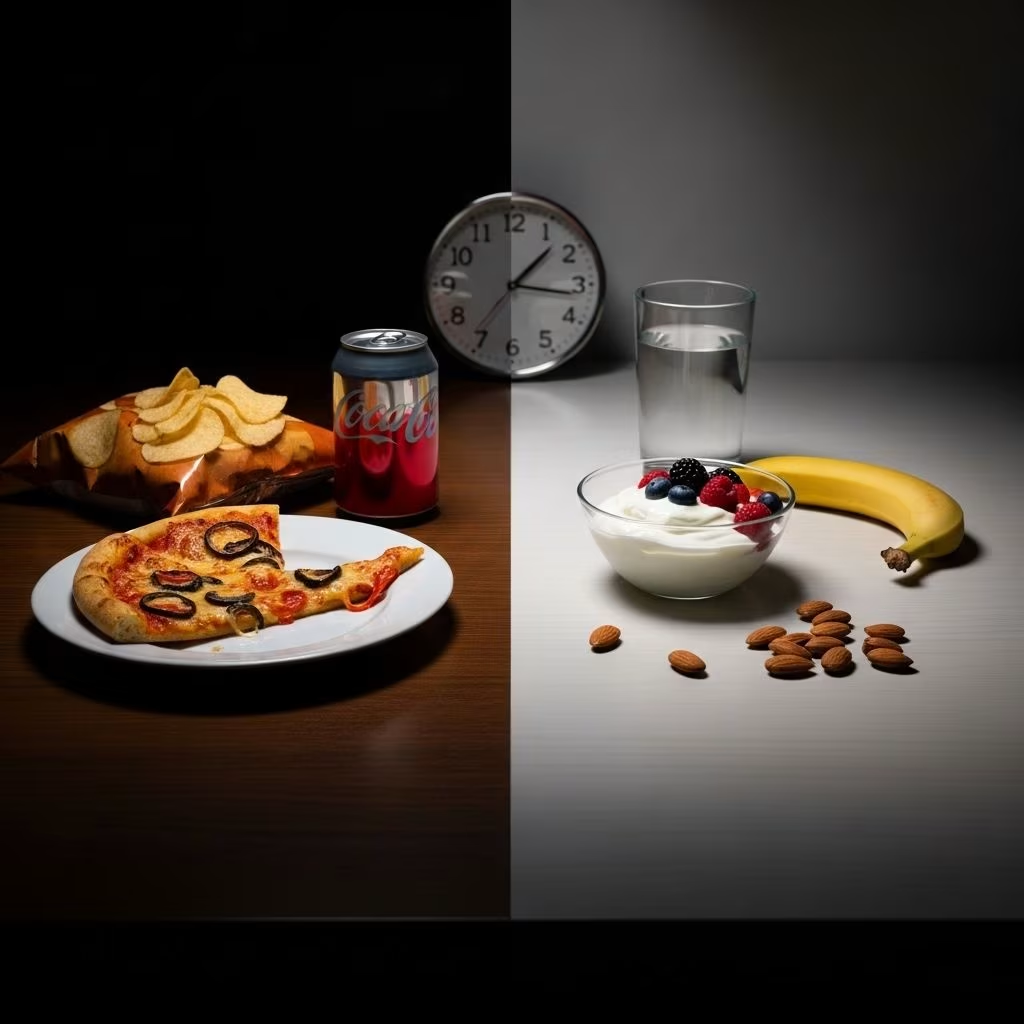
Late-Night Eating: Separating Fact from Fiction and Building Healthy Habits
Late-night eating is a topic that often sparks debate among health experts and people trying to lose weight. With our busy schedules and modern lifestyles, the lines between traditional meal times have blurred, making nocturnal snacking part of daily routines for many. But what does science actually say about eating after dark, and how can you maintain healthy habits if you tend to reach for snacks in the evening?
Why Do We Eat Late?
Late-night eating isn’t always about hunger. For many, it’s rooted in habit, social activities, stress, or the temptation of food simply being present. Here are some key reasons people find themselves munching after dinner:
- Busy schedules can push meal times later.
- Emotional triggers such as stress or boredom lead to mindless snacking.
- Accessibility to processed, calorie-dense foods at home or work encourages grazing.
- Unplanned eating due to irregular meal times, which can result in intense nighttime hunger.
Understanding your motivation for late-night eating is the first step towards making healthier choices.
What Does Research Say About Late-Night Eating?
There’s a prevailing myth that eating after a certain hour—such as 7 or 8 PM—automatically leads to weight gain. However, research indicates that the timing is less important than the quality and quantity of what you eat. While some studies suggest potential metabolic downsides to eating large, calorie-dense meals late at night, others find no significant difference as long as the total daily intake remains consistent.
Key findings from recent studies:
- Night eating is associated with an increased risk of all-cause, cancer, and diabetes mortality when it involves frequent, high-calorie, low-quality foods.
- Late-night eating may impact certain health populations—such as those with acid reflux or diabetes—more significantly than others.
- For generally healthy individuals, occasional late-night snacking is not automatically harmful if done mindfully.
- Weight gain tends to occur if nighttime eating significantly contributes to overall excess calories consumed.
The consensus: What and how much you eat matters more than exactly when.
Common Myths About Late-Night Eating
- Myth: “Every calorie eaten after 7 PM becomes body fat.”
Fact: The body digests calories similarly throughout the day. Weight gain results from consistent calorie surplus, not the hour of eating. - Myth: “Skipping dinner guarantees weight loss.”
Fact: Skipping meals can lead to intense hunger and binging later, making weight management harder. - Myth: “Night eating ruins sleep for everyone.”
Fact: Eating large, spicy, or very fatty meals late may impact sleep, but small, balanced snacks do not disturb sleep for most healthy individuals.
Potential Health Risks of Late-Night Eating
While not harmful for everyone, late-night eating can pose risks for certain groups:


