


Low-Carb Eating: A Science-Backed Strategy for Weight Loss
Low-carbohydrate diets have remained a popular approach to weight loss, with research and anecdotal evidence supporting their effectiveness. By limiting carbohydrates and focusing on protein, healthy fats, and non-starchy vegetables, these plans may not only help shed pounds, but also improve metabolic health and reduce disease risk. This comprehensive guide will help you understand the core principles, types of low-carb diets, recommended foods, practical meal ideas, and expert tips for sustainable results.
What Is a Low-Carb Diet?
A low-carb diet restricts foods high in carbohydrates—such as grains, starchy vegetables, and sugars—in favor of protein-rich foods, healthy fats, and low-carb vegetables. The amount of daily carbohydrate varies among plans, ranging from the extremely low (keto: 20-50g net carbs per day) to more moderate approaches that may allow up to 100g net carbs per day.
The reasoning behind these diets is straightforward: by cutting carbs, you minimize blood sugar spikes and reduce cravings, prompting your body to use stored fat for fuel. Studies show that low-carb diets can trigger rapid initial weight loss, reduce insulin levels, and help with portion control as you cut out many high-calorie foods.
Why Low-Carb Diets Work for Weight Loss
- Portion Control: Removing carb-rich foods makes it easier to control calories, since refined carbohydrates are often overeaten.
- Reduced Cravings: Protein and fats are more satiating, helping to curb hunger and keep energy stable.
- Metabolic Benefits: Lowering carbs improves insulin sensitivity and reduces inflammation—important for diabetes prevention and overall health.
In studies, people who follow part-time low-carb plans (such as eating very few carbs two days per week) experienced greater weight loss and reductions in insulin and inflammatory compounds than those on conventional calorie-restricted diets.
Popular Low-Carb Diet Approaches
| Diet Name | Carb Limit | Main Features |
|---|---|---|
| Keto Diet | 5% of daily calories (20-50g net carbs) | Very low carb, high fat, moderate protein; prioritizes ketosis for fat burning |
| Atkins Diet | Varies by phase (20-100g net carbs) | High protein/fat; starts with very low carb, gradually increases intake |
| Paleo Diet | Varies; mostly non-starchy carbs | Focuses on lean proteins, fruits, vegetables, nuts, seeds; excludes dairy, grains, legumes, processed foods |
| Whole30 | Avoids grains, legumes, sugar for 30 days | Clean-eating reset; no counting macros; excludes most processed foods |
| Part-Time Low-Carb (2-Day Diet) | <50g carbs for 2 days/week | Intermittent low-carb; rest of week regular eating, but still focuses on healthy carb choices |
Healthy Low-Carb Food Choices
Not all carbs are created equal. Experts recommend choosing high-fiber carbohydrates from whole grains, fruits, vegetables, and legumes—these are digested slowly, support digestion, and keep you feeling full. On low-carb days, focus on minimizing high-starch and sugary foods and instead load your plate with nutrient-rich options.
Best Low-Carb Foods
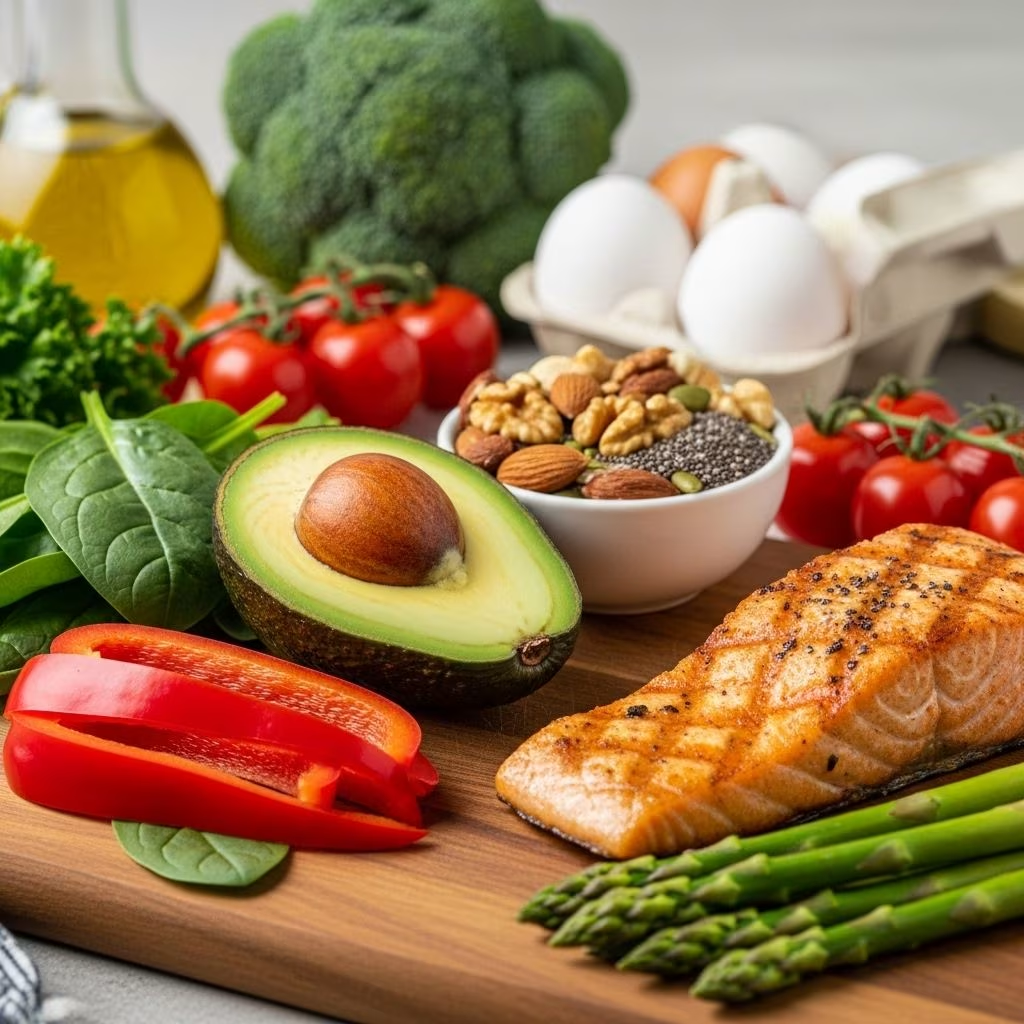
- Leafy Greens: Spinach, kale, arugula, Swiss chard—very low in carbs, high in fiber and micronutrients.
- Cruciferous Vegetables: Broccoli, cauliflower, Brussels sprouts, cabbage—filling and versatile.
- Non-Starchy Vegetables: Bell peppers, zucchini, eggplant, tomatoes, asparagus, green beans.
- Nuts & Seeds: Almonds, walnuts, chia seeds, flaxseeds—provide healthy fat and some fiber.
- Dairy Products: Plain Greek yogurt, cottage cheese, hard cheeses—check labels for lower sugar content.
- Lean Proteins: Eggs, chicken, turkey, fish, shellfish—to keep you full and preserve muscle.
- Healthy Oils: Olive oil, coconut oil, avocado oil—for cooking and salads.
- Berries: Raspberries, blackberries, strawberries—all lower in sugar than most fruits.
Foods to Limit or Avoid
- Bread, pasta, rice, cereal (refined and white varieties)
- Pastries, cakes, cookies, chips, crackers
- Packed snack foods (granola bars, pretzels)
- Sugary drinks, juice
- High-sugar fruits (bananas, grapes, mangos)
Tips for Building Low-Carb Meals
- Center your plate on protein (eggs, fish, poultry) and fill in with fiber-rich vegetables.
- Add healthy fats for flavor and satiety—avocado, nuts, seeds, olive oil.
- Use spices and herbs liberally for taste.
- For snacks, choose string cheese, plain Greek yogurt, nuts, or sliced veggies with dip.
- Keep carb portions small: a small apple, a handful of berries, or a few cherry tomatoes.
Sample Low-Carb Day Menu
- Breakfast: Veggie omelet with spinach, tomato, and feta
- Lunch: Grilled chicken salad with leafy greens, cucumber, bell pepper, olive oil dressing
- Snack: String cheese and 6 almonds
- Dinner: Baked salmon with roasted broccoli and green beans
How Many Carbs To Eat?
On strict low-carb days (like for the 2-Day Diet), aim for 50 grams of carbohydrates total. Distribute carbs across the day: about 15g per meal and 5g for snacks. The remainder of the week, focus on moderate-carb healthy choices without overindulging.
This menu can easily be adjusted for vegetarian or dairy-free options by swapping in tofu, lentils (for moderate-carb days), or plant-based cheeses.
What About High-Fiber, Low-Carb Foods?
Fiber is crucial for gut health, appetite regulation, and blood sugar control. Below are some foods that are both low in carbs and high in fiber:
- Cauliflower: 5g carbs per cup, 2g fiber
- Broccoli: 6g carbs per cup, 2.4g fiber
- Radishes: 4g carbs per cup, 2g fiber
- Eggplant: 6g carbs per cup, 3g fiber
- Macadamia Nuts: 4g carbs per ounce, 2g fiber
- Apples: 25g carbs per medium apple (use smaller portions for low-carb days)
Portion Control: The Key to Success
Even “healthy” carb sources can be overeaten. A large bagel can equal eight slices of bread; two cups of pasta may contribute as many carbs as five slices of bread. Experts recommend plating your meals with 25% protein, 25% high-fiber carbs, and 50% vegetables to maintain balance and fullness.
Pros & Cons of Low-Carb Diets
| Pros | Cons |
|---|---|
|
|
Common Pitfalls and How to Avoid Them
- Deprivation Burnout: Avoid making low-carb eating overly strict—too much restriction can backfire. Focus on quality, not just quantity.
- Lack of Variety: Rotate proteins, veggies, fats, and incorporate different herbs/spices to keep meals interesting.
- Ignoring Fiber: Prioritize high-fiber veggies and nuts to maintain gut health and regularity.
- Lack of Planning: Prep snacks and meals ahead to stay on track; keep healthy options on hand.
Expert Tips for Sustainable Low-Carb Success
- Choose two days a week to go strictly low-carb, and spread carbs from vegetables, fruit, and dairy across meals.
- On regular days, prioritize whole grains, fruits, legumes, and non-starchy vegetables rather than processed foods.
- Avoid “all-or-nothing” thinking. Both extreme restriction and overindulgence can sabotage success.
- Use smaller plates or bowls for portion control and mindful eating.
- Stay hydrated: sometimes cravings for carbs are thirst in disguise.
Frequently Asked Questions (FAQs)
Q: Do I have to count carbs for a low-carb diet to work?
A: No, not all low-carb diets require carb-counting. Plans like Paleo or Whole30 focus more on food types than numbers, but stricter approaches (like Keto and Atkins) often do. What matters most is avoiding refined carbohydrates, controlling portions, and emphasizing nutrient-rich foods.
Q: Can I eat fruits and whole grains on a low-carb diet?
A: Yes—especially on moderate or regular-carb days. Choose high-fiber options like berries, apples (in small portions), oats, and quinoa. Strict plans may restrict these, so adjust based on carb targets and consult a dietitian if unsure.
Q: How quickly can I expect to lose weight on a low-carb diet?
A: Many people experience rapid initial weight loss (2–5 pounds in the first week) mostly due to water loss. Long-term success depends on maintaining sustainable eating habits and activity level. Some research suggests low-carb approaches can outperform conventional calorie restriction in the short term.
Q: Are low-carb diets safe for everyone?
A: Most healthy adults can safely try a low-carb diet, but it may not be suitable for individuals with certain medical conditions (like kidney issues, active athletes, or those at risk of nutrient deficiencies). Always consult a healthcare provider before starting any restrictive eating plan.
Q: What are the best snacks for a low-carb diet?
A: Try string cheese, hard-boiled eggs, Greek yogurt, mixed nuts, sliced veggies with guacamole, smoked salmon, or olives. These snacks are low in sugars and support satiety.
Takeaways: Building Your Low-Carb Routine
- Focus on high-quality, fiber-rich foods and prioritize portion control.
- Pursue sustainability: choose a plan that fits your schedule and preferences, whether that’s part-time or regular low-carb eating.
- Emphasize vegetables, lean protein, healthy fats, and avoid deprivation by keeping meals interesting.
- Track progress and adjust as needed—consistency is more important than perfection.
References
- https://www.prevention.com/weight-loss/a20450656/weight-loss-plan-from-the-2-day-diet/
- https://www.prevention.com/weight-loss/a20512194/everything-you-need-to-know-before-you-go-on-a-low-carb-diet/
- https://www.prevention.com/weight-loss/diets/a65255830/low-carb-diets-weight-loss/
- https://www.prevention.com/food-nutrition/healthy-eating/g25922606/high-fiber-low-carb-foods/
- https://www.prevention.com/food-nutrition/healthy-eating/g30705839/high-protein-low-carb-meal-ideas/
- https://www.prevention.com/food-nutrition/a64904808/quality-carbohydrates-healthy-aging-longevity-study/
- https://www.prevention.com/food-nutrition/a20483336/keto-diet-facts/
- https://www.prevention.com/weight-loss/diets/g21764082/keto-diet-side-effects/
- https://www.prevention.com/weight-loss/diets/a20429944/low-carb-food/
- https://www.prevention.com/food-nutrition/


