


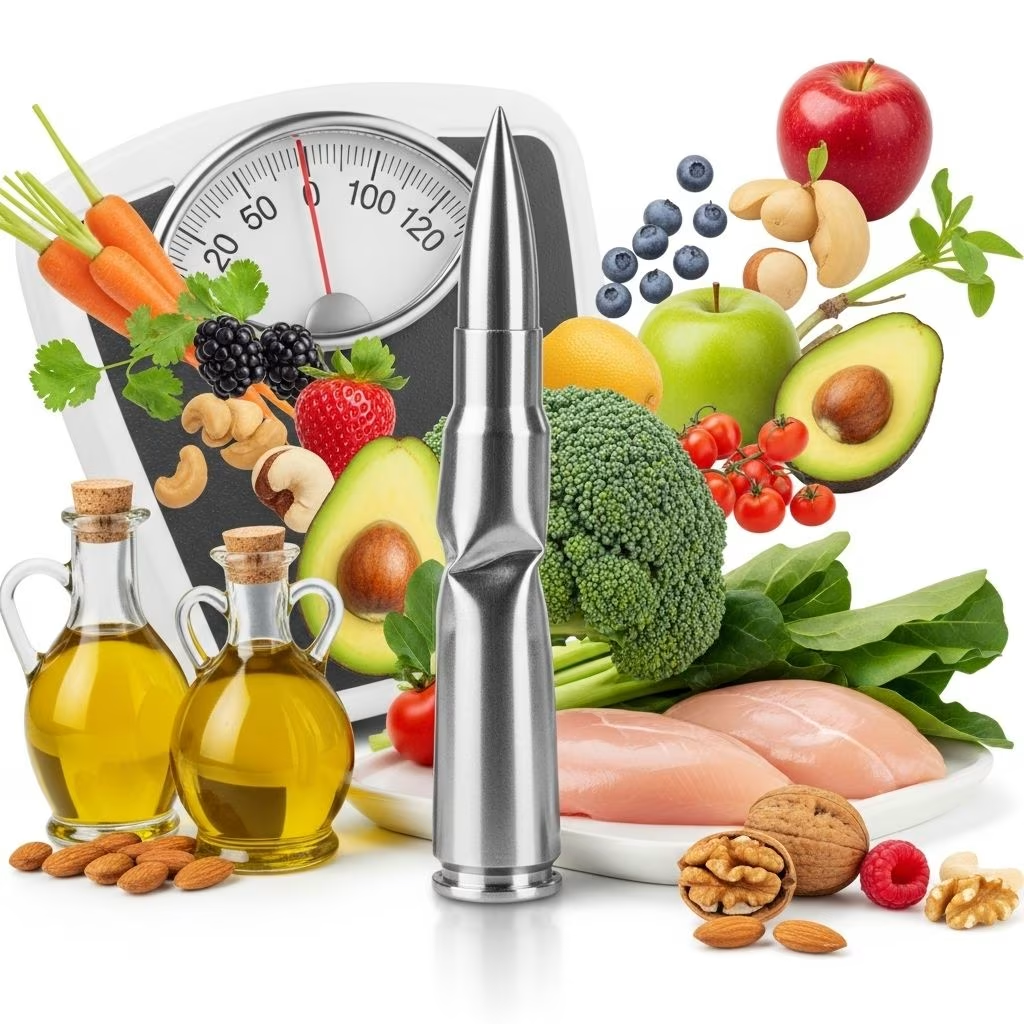
Low-Fat Diets: Debunking the Weight Loss Myth
For decades, low-fat diets have been recommended as a primary strategy for weight loss and heart health. Yet, recent research suggests that cutting fat alone isn’t a guaranteed pathway to successful, sustained weight loss. This article critically reviews the evidence, explores alternative diet approaches, and clarifies the misconceptions built around low-fat dietary advice.
Understanding the Low-Fat Diet Trend
Beginning in the late 20th century, nutrition guidelines worldwide emphasized reducing fat intake as a method to combat obesity and cardiovascular disease. The rationale was simple: fat contains more than twice the calories per gram compared to carbohydrates and proteins. It seemed logical that reducing fat would naturally lead to weight loss. However, findings from several large-scale studies and meta-analyses tell a more nuanced story about the effectiveness of low-fat diets for weight management.
What Does Research Say About Low-Fat Diets?
- Multiple studies comparing low-fat diets to other dietary regimens (including low-carb, Mediterranean, and high-protein diets) found no significant long-term advantage in weight loss from reducing fat alone.
- Mega-analyses show that low-carb diets typically outperform low-fat diets in terms of pounds lost and improvements in metabolic health indicators.
- Adopting a low-fat diet often leads to minimal weight changes and may not measure up to expectations for sustained results—particularly when not paired with overall calorie restriction or healthier food choices.
The Evidence: Meta-Analyses and Clinical Trials
| Study/Meta-Analysis | Diet Type | Weight Loss (kg) | Duration | Other Outcomes |
|---|---|---|---|---|
| Healthline review | Low-carb vs. Low-fat | Low-carb: 5.8–8.5, Low-fat: 1.9–3.9 | 6–12 months | Greater improvement in triglycerides and insulin resistance for low-carb |
| Large meta-analysis | Low-carb vs. Low-fat | Low-carb: 1.33kg more than low-fat | 6–23 months | Low-carb improved HDL; low-fat better for lowering LDL & total cholesterol |
| Women’s Health Trial | Low-fat | ~3.0 over 2 years | 2 years | Reduction in dietary fat didn’t yield large sustained weight loss |
Why Low-Fat Diets May Not Deliver Expected Results
- Calorie Compensation: Cutting fat often leads people to compensate by eating more refined carbohydrates or sugary foods, negating the calorie savings.
- Satiety Issues: Fats contribute to feelings of fullness. Reduced fat can lead to increased hunger and overeating of other foods.
- Food Quality: Low-fat processed foods often contain more sugar and additives, which might harm metabolic health and cause weight gain.
- Behavioral Patterns: Simply focusing on one macronutrient can distract from overall healthy eating habits, such as consuming more whole grains, fiber, and lean protein.
Comparing Diet Strategies: What Works Better?
A review of randomized controlled trials supports several key takeaways when comparing popular diet approaches:
- Low-Carbohydrate Diets consistently produce greater short-term and sometimes sustained weight loss versus low-fat diets.
- Mediterranean Diets and balanced whole-food approaches often demonstrate similar or greater weight loss and better cardiovascular outcomes.
- Success is more likely when diets are tailored to individual preferences and a sustainable calorie deficit is maintained.
Supposed Benefits of Low-Fat Diets
- Lower fat intake reduces energy density in foods.
- Can lower blood cholesterol (especially LDL) in certain populations.
- Associated with reduced risk of some chronic diseases when focused on healthy food sources.
Limitations and Risks of the Low-Fat Approach
- Potential increase in refined carbohydrate intake, increasing risks for type 2 diabetes and metabolic syndrome.
- Possible decrease in HDL (the ‘good’ cholesterol), which is protective for heart health.
- Restrictive diets often lead to poor adherence over time, reversing initial weight loss gains.
Key Lessons from Recent Nutritional Science
In summary, the notion that simply reducing dietary fat will guarantee weight loss lacks robust scientific support. Instead, focusing on whole, minimally processed foods—is more important than cutting fat alone. Best results occur with moderate dietary approaches that consider an individual’s metabolism, preferences, and medical history.
Focus Areas for Successful Long-Term Weight Loss
- Balanced Nutrition: Focus on fresh fruits, vegetables, lean proteins, whole grains, and healthy fats.
- Portion Control: Eating appropriate serving sizes and avoiding highly processed foods.
- Consistent Physical Activity: Regular exercise supports fat loss and cardio-metabolic health.
- Personalization: Tailor the diet to lifestyle, preferences, and medical needs for higher adherence.
What About Calories?
Ultimately, creating a sustainable calorie deficit—by consuming fewer calories than expended—is fundamental for weight loss. Fat restriction alone doesn’t guarantee this deficit, especially if replaced by calorie-dense carbohydrates or sugars.
Myth Busting: Common Misconceptions About Fat and Weight Loss
- Myth: “Fat makes you fat.”
Fact: Excess calories from any source—including carbs and fats—lead to weight gain. Eating healthy unsaturated fats can be vital for satiety and metabolic function. - Myth: “Low-fat diets are automatically healthy.”
Fact: Many low-fat products are high in sugar and additives, potentially leading to metabolic issues. - Myth: “All fats are bad for heart health.”
Fact: Unsaturated fats, like those from nuts, seeds, avocado, and olive oil, are beneficial for the heart.
Balanced Dietary Approaches: What Science Recommends Now
- Mediterranean Diet: Emphasizes olive oil, vegetables, whole grains, legumes, fish, and moderate wine consumption for heart health and weight management.
- Plant-Based Diet: Focuses on vegetables, fruits, nuts, and legumes, reducing intake of processed foods and added sugars.
- Low-Carb Diets: Limit carbohydrate intake to improve weight loss and metabolic risk factors in the short and long term.
- Flexitarian Approaches: Combine best practices from several eating patterns for variety and long-term sustainability.
The Importance of Scientific Consensus
Recent dietary guidance is moving away from macronutrient exclusion and emphasizes eating patterns, food quality, and sustainability. No single diet fits everyone, and the best eating strategy is one that an individual can follow long-term and supports overall health.
Frequently Asked Questions (FAQs)
Q: Are low-fat diets effective for weight loss?
A: Not necessarily. Most recent studies show low-fat diets aren’t more effective than other approaches such as low-carb or Mediterranean diets for long-term weight loss.
Q: Is fat bad for you?
A: Not all fats are harmful. Unsaturated fats (e.g., olive oil, nuts, avocados) support heart and metabolic health, while trans and excessive saturated fats should be limited.
Q: What makes a diet successful for weight loss?
A: Consistency, sustainable calorie deficit, food quality, and finding a dietary pattern that works for your lifestyle.
Q: Does eating low-fat foods help control cholesterol?
A: Low-fat diets may help lower LDL cholesterol, but whole food diets rich in healthy fats can also improve overall lipid profiles and metabolic markers.
Q: How should I choose the right diet?
A: Consider your health status, food preferences, medical conditions, and select a plan that emphasizes balanced nutrition and sustainable habits.
Key Takeaways
- Low-fat diets are not a magic solution for weight loss and often don’t outperform other dietary strategies.
- Balanced, whole-food diets show greater long-term health and weight loss benefits.
- Personalization is critical—one size doesn’t fit all in nutrition.
- Quality matters: Focus on minimally processed foods, healthy fats, and manageable portion sizes.
How to Put This Into Practice
- Prioritize high-fiber vegetables, lean proteins, and healthy fats in every meal.
- Limit added sugars and processed carbohydrates.
- Stay mindful of portion sizes and avoid calorie-dense but nutritionally poor foods.
- Incorporate regular physical activity for optimal results.
For lasting results, shift the focus from cutting out macronutrients to creating a healthy, sustainable pattern of eating. The body thrives on variety, balance, and quality—beyond the numbers on a nutrition label.
References
- https://www.healthline.com/nutrition/23-studies-on-low-carb-and-low-fat-diets
- https://pmc.ncbi.nlm.nih.gov/articles/PMC9397119/
- https://www.cardiosmart.org/news/2015/11/low-fat-diets-not-the-best-weight-loss-solution
- https://www.ahajournals.org/doi/10.1161/01.CIR.98.9.935
- https://pubmed.ncbi.nlm.nih.gov/33317019/
- https://hsph.harvard.edu/news/low-fat-diets-failed-experiment/
- https://www.fredhutch.org/en/news/releases/2019/09/new-study-confirms-the-long-term-benefits-of-a-low-fat-diet.html
- https://jamanetwork.com/journals/jama/fullarticle/2673150


