


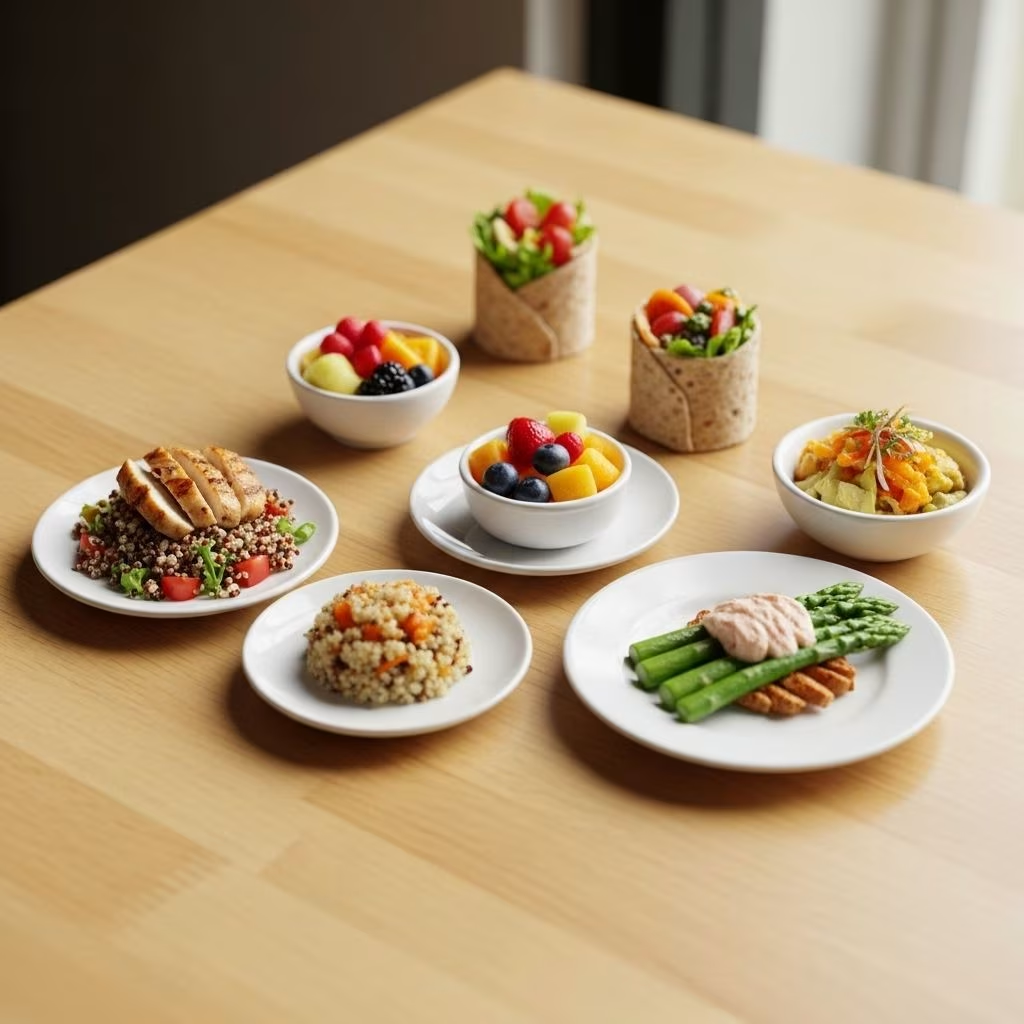
Mini Low-Cal Meals: Smart Strategies for Lasting Weight Loss
When it comes to weight loss, the phrase “less is more” takes on new meaning with mini low-calorie meals. Rather than three heavy meals, eating several small, balanced meals and snacks throughout the day can help boost metabolism, maintain energy, quell cravings, and prevent overeating. This approach isn’t just a fad—it’s science-backed and recommended by nutrition experts for those seeking effective, sustainable weight management.
Why Mini Low-Calorie Meals Work
- Metabolism Boost: Eating small portions regularly can keep your body’s metabolic engine humming, making it easier to burn calories efficiently.
- Craving Control: Frequent mini meals help prevent the dips in blood sugar that lead to sudden hunger and unhealthy snacking.
- Sustainable Habits: Smaller, more frequent meals can translate to sustained weight loss, reducing the risk of yo-yo dieting.
- Improved Digestion: Smaller meals are gentler on your digestive system, promoting steadier glucose levels and less bloating.
Transitioning to a mini-meal schedule requires thoughtful planning: it’s not just about eating less, but eating better. Here’s how to make it work for you.
How to Structure Your Day: Mini Meal Timing Tips
The core principle of mini-meal eating is spacing your meals evenly, about every 2 to 3 hours, to maintain energy and keep hunger in check. This could look like three small meals with two snacks, or five to six mini meals throughout your day.
- Eat Breakfast: Start your day with protein-rich, fiber-packed foods to stabilize blood sugar.
- Plan Snacks: Prepare healthy snacks in advance—think veggie sticks, lean protein, or low-fat dairy.
- Mind Portions: Use smaller plates or bowls to keep portions modest and visual cues on track.
- Stay Hydrated: Drink water, herbal tea, or low-calorie beverages in between meals to aid satiety.
Best Mini Low-Cal Foods for Weight Loss
Choosing the right foods is key: prioritize options that offer lots of nutrition for few calories, so you feel satisfied without overloading on energy.
| Food | Calories (per serving) | Key Benefits |
|---|---|---|
| Spinach (1 cup) | <7 | High fiber, vitamin K, antioxidants |
| Celery (1 stalk) | 6 | Hydration, fiber, slow digestion |
| Oatmeal (1/2 cup cooked) | 83 | Complex carbs, filling fiber, protein |
| Lettuce (1 cup) | 8 | Low-cal wrap, vitamin A & C |
| Radishes (1 serving) | 10 | Crunchy, vitamin C, antioxidants |
| Black Beans (1/2 cup) | 109 | Protein, fiber, heart health |
| Chicken Breast (grilled, boneless, skinless) | 128 | Lean protein, selenium |
These foods are easy to mix and match into salads, wraps, bowls, or snacks. They provide high satiety, lots of nutrients, and essential protein or fiber so you stay satisfied between meals.
Smart Mini-Meal Ideas
To put your mini-meal strategy into action, here are quick and delicious ideas for breakfast, lunch, dinner, and snacks—all under 300 calories:
Mini Breakfasts
- Egg Whites & Veggies: Scramble 3 egg whites with spinach and bell peppers, seasoned with herbs (approx. 100 calories).
- Oatmeal Bowl: Half-cup cooked oats topped with fresh berries (approx. 120 calories).
- Greek Yogurt Parfait: Plain, nonfat Greek yogurt mixed with strawberries (approx. 90 calories).
Mini Lunches
- Lettuce Wrap: Lean turkey breast or grilled chicken, cucumber, and tomato rolled in romaine lettuce (approx. 140 calories).
- Black Bean Salad: 1/2 cup black beans, chopped red pepper, cilantro, and lime (approx. 120 calories).
- Spinach Salad: Fresh spinach, sliced radishes, cherry tomatoes, balsamic vinegar (approx. 65 calories).
Mini Dinners
- Fiery Black Bean Soup: Protein-packed, spicy and low-calorie (approx. 180 calories per serving).
- Roasted Cauliflower “Steak” Salad: Whole cauliflower roasted with herbs, served atop a light green salad (approx. 175 calories).
- White Wine & Tomato Mussels: Seafood in flavorful broth (approx. 280 calories).
Mini Snack Ideas
- Almonds & Apple: One apple plus 2 tbsp almonds (approx. 258 calories).
- Greek Yogurt & Berries: Protein-rich snack, low sugar (approx. 160 calories).
- Cottage Cheese & Cherry Tomatoes: Savory and filling (approx. 130 calories).
- Goat Cheese & Pear: Sweet and salty, with fiber (approx. 200 calories).
- Hardboiled Egg & Fruit: Balanced protein and natural sweetness (approx. 200 calories).
- Dry-Roasted Chickpeas: Crunchy, fiber-rich, customizable with spices (approx. 120 calories).
- Celery Sticks & Peanut Butter: Hydration plus healthy fats (approx. 200 calories).
- Apple Slices & Nut Butter: Energizing, simple, pre-workout snack (approx. 190 calories).
Tips for Building Your Mini Meal Plan
- Portion Control: Use measuring cups, spoons, and food scales to maintain accurate serving sizes and avoid accidental overeating.
- Protein First: Each mini meal should provide at least 7–10 grams of protein to help keep you full.
- Add Fiber: Choose foods with at least 3 grams of fiber to slow digestion and prolong satiety.
- Limit Added Sugar: Avoid sugary yogurts, protein bars, and processed snacks; opt for whole fruits, plain dairy, and unsweetened options.
- Balance Nutrients: Include a mix of complex carbs, healthy fats, and lean proteins in every meal.
- Prep & Plan: Batch-cook components (grilled chicken, roasted veggies, beans) for easy mixing and matching.
Common Obstacles & Solutions
- Time Constraints: Prep snacks and mains in advance; keep portable options like nuts, cottage cheese, or fruit handy.
- Portion Creep: Stick to mini meal serving sizes and avoid eating straight from large packages.
- Boredom: Rotate recipes, try new low-calorie foods, and season meals with herbs rather than heavy sauces.
- Social Eating: Eat a mini meal or snack before events so you’re less likely to overindulge.
Expert Insights on Mini Meals
Registered dietitians agree that spacing out smaller meals and healthy snacks helps create a sustainable calorie deficit while preserving energy and satisfaction. Eating protein and fiber-rich foods at every mini meal keeps cravings at bay and supports muscle maintenance while losing fat.
- Erin Palinski-Wade, R.D., recommends eating whole fiber-rich foods like celery and spinach, noting that fiber slows digestion and enhances fullness.
- Shana Spence, M.S., R.D.N., suggests adding Greek yogurt to oatmeal for an extra protein and amino acid boost.
- Lindsey Anderson, R.D., advocates mixing nuts and fruit for satisfaction and sugar control.
Sample One-Day Mini Meal Plan
| Meal | Time | Menu Example | Calories |
|---|---|---|---|
| Breakfast | 7:30 AM | Egg white & spinach scramble | 100 |
| Morning Snack | 10:00 AM | Greek yogurt with berries | 160 |
| Lunch | 12:30 PM | Lettuce wrap with turkey, tomato, cucumber | 140 |
| Afternoon Snack | 3:00 PM | Dry-roasted chickpeas, carrot sticks | 120 |
| Dinner | 6:30 PM | Fiery black bean soup, side salad | 210 |
Total calories for the day: 730 (adjust quantities as needed for your personal nutrition needs).
Frequently Asked Questions (FAQs)
Q: Are mini low-calorie meals suitable for everyone?
A: Mini meals are generally safe for healthy adults, but those with diabetes or specific medical conditions should consult their healthcare provider before making major dietary changes.
Q: Will eating small, frequent meals speed up weight loss?
A: Studies show regular, smaller meals may reduce hunger, improve metabolic rate, and make diet adherence easier, though total daily calorie intake remains the primary determinant of weight loss.
Q: What are the healthiest mini meal options?
A: Focus on lean proteins (chicken, fish, eggs, beans), fresh vegetables, whole fruits, and whole grains like oatmeal. Avoid processed foods with hidden sugars or fats.
Q: How can I prevent boredom with mini meals?
A: Rotate your menu weekly, try new recipes, experiment with international flavors, and use plenty of herbs and spices for variety without adding extra calories.
Q: Can mini meals help with energy and mental sharpness?
A: Yes, eating smaller portions more often can help stabilize blood sugar and prevent afternoon energy crashes, keeping you alert throughout the day.
Expert Tips for Sustainable Success
- Track Progress: Use a food diary or app to log foods, watch your calorie intake, and stay accountable.
- Celebrate Non-Scale Victories: Notice improvements in energy, concentration, or sleep—not just weight.
- Forgive Slip-Ups: If you overeat, focus on your next meal, not past mistakes. Consistency wins over perfection.
- Share Your Journey: Connect with friends or online groups for support, ideas, and community motivation.
Conclusion: Eating Mini Low-Cal Meals for Lasting Weight Loss
Mini, low-calorie meals offer an effective strategy for weight management and overall health. By planning smart snacks and small plates loaded with protein and fiber, you can crush cravings, fuel your body, and stick to your weight loss goals sustainably. Remember, lasting results require consistency, creativity, and a willingness to tailor your mini-meal plan to your own tastes and health needs. Start small, tweak your schedule, and see how these tiny changes deliver big results.
References
- https://www.prevention.com/food-nutrition/g20428211/25-ridiculously-low-calorie-foods/
- https://www.prevention.com/weight-loss/g27323543/low-calorie-snacks/
- https://www.prevention.com/weight-loss/g32380344/best-dinners-for-weight-loss/
- https://www.prevention.com/food-nutrition/g41055022/low-calorie-meals/
- https://www.prevention.com/weight-loss/a20429782/try-mini-low-cal-meals/
- https://www.prevention.com/weight-loss/a20430250/healthy-eating-mini-meals-that-help-curb-your-appetite/
- https://www.prevention.com/weight-loss/g20484531/6-mini-weight-loss-moves-that-lead-to-major-results/
- https://www.prevention.com/food-nutrition/healthy-eating/a65664887/ultra-processed-foods-weight-loss-gut-health-study/
- https://www.prevention.com/weight-loss/a20465804/small-frequent-meals-aid-weight-loss/
- https://www.prevention.com/weight-loss/g19576831/healthy-snack-ideas-weight-loss/


