


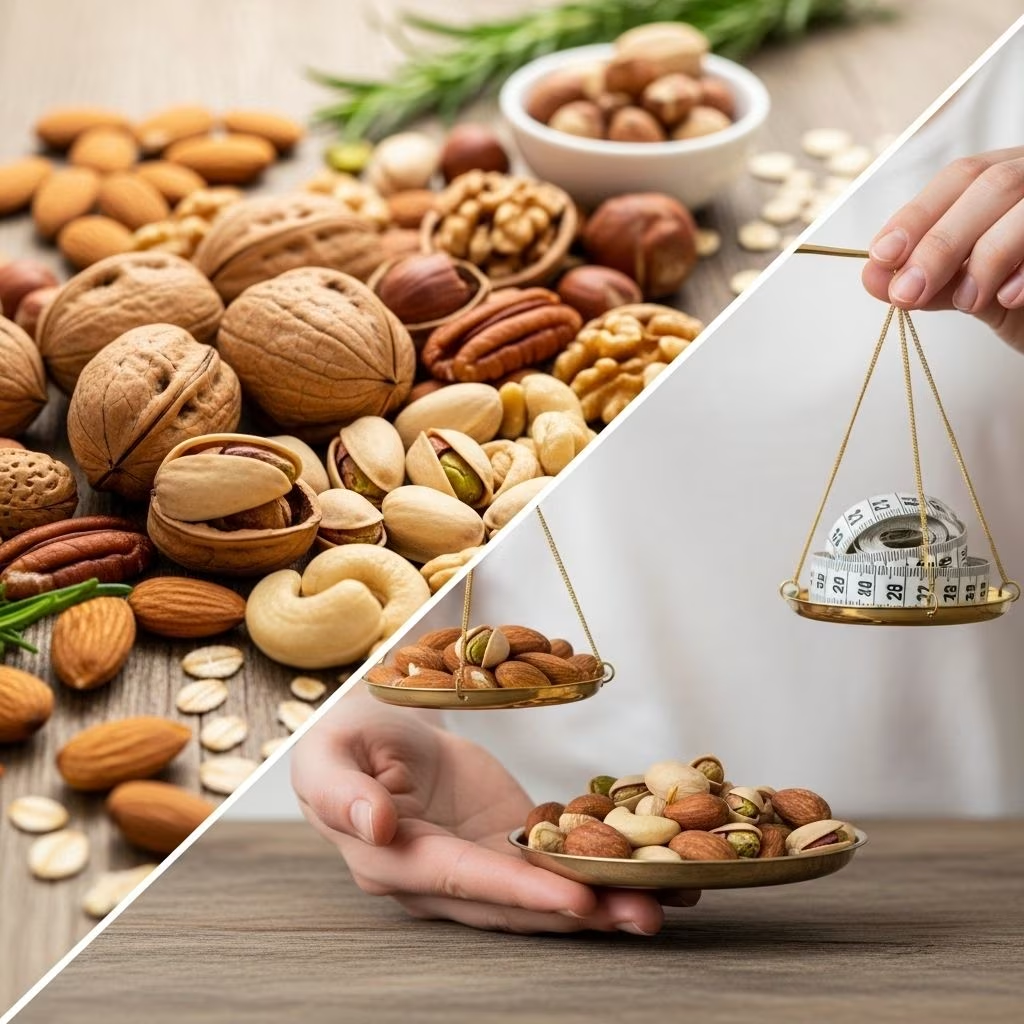
Nuts & Weight Control: Why Healthy Fats Can Help You Lose Weight
For years, high-fat foods like nuts were often villainized in popular diets due to their calorie content. But groundbreaking research now shows that moderate nut consumption may actually help in achieving and maintaining a healthy weight. Regularly eating nuts can support satiety, curb unhealthy cravings, and offer a host of nutritional benefits. This article explores the science behind nuts and healthy weight management, practical tips for including nuts in your diet, and the best varieties for your goals.
What Makes Nuts a Powerful Ally for Weight Control?
Nuts are packed with nutrients that play a vital role in health and weight control:
- Healthy fats (mostly unsaturated)
- Plant protein for fullness
- Fiber slows digestion and increases satiety
- Vitamins & minerals (E, B6, magnesium, copper, zinc, selenium etc.)
- Phytoesterols & antioxidants for chronic disease support
Not only do these nutrients keep hunger at bay, but they may also increase calorie expenditure by boosting thermogenesis and raising resting energy levels. Their high fiber content helps delay gastric emptying and suppresses appetite, making it easier to maintain or lose weight.
What the Science Says: Research Highlights
Recent large-scale studies have challenged the notion that nuts always lead to weight gain:
- Harvard study: Those who increased nut intake to at least half a serving daily were 16% less likely to become obese over four years, compared to people who rarely ate nuts. Swapping nuts for foods like red meat, fries, or desserts was also linked to less weight gain.
- Spanish Mediterranean cohort: Eating nuts at least twice a week significantly reduced the risk of gaining 5 kg or more.
- Diabetes risk: Nut consumption, particularly walnuts, is associated with lower type 2 diabetes risk in women, partially due to better weight management.
| Study | Population | Nut Intake | Weight Outcome |
|---|---|---|---|
| Harvard BMJ Nutrition, 2019 | 145,000 adults | ≥½ serving/day | 16% less likely to become obese |
| Spanish Cohort | 8,865 adults | ≥2 times/week | 31% lower risk of ≥5 kg weight gain |
| Nurses’ Health Study | Women (long-term follow-up) | Walnuts; tree nuts | Lower risk of weight gain & diabetes |
How Do Nuts Support Healthy Weight?
Key Mechanisms
- Satiety: High protein and fiber content helps you feel full longer, leading to less frequent snacking and smaller portions.
- Craving control: Nuts offset desires for junk food and processed snacks due to their rich mouthfeel and satisfying taste.
- Calorie absorption: Up to 20% of calories from whole nuts are not absorbed; they are excreted due to their tough structure and incomplete mastication.
- Thermogenesis: Unsaturated fats may boost fat burning and resting energy expenditure, which may slightly increase calories burned daily.
- Nutrient replacement: People who eat nuts tend to eat less sugary, processed, or fatty foods like red meat and refined carbs, which are more strongly linked to weight gain.
But Aren’t Nuts High in Calories?
Yes, nuts are calorie-dense—with about 160 calories per ounce (roughly a handful)—but studies show that, in moderation, they are unlikely to cause weight gain and may even help prevent it. The reasons include:
- High satiety prevents overeating elsewhere
- Portion control: Stick to a handful (about one ounce/28g) daily
- Only 70-80% of nut calories are absorbed by the body
However, eating several handfuls a day can quickly add hundreds of calories and may stall or reverse weight loss, so moderation is essential.
The Best Nuts for Weight Management: Variety Comparison
| Nut Type | Calories/oz | Fiber (g) | Protein (g) | Most Noted Benefit |
|---|---|---|---|---|
| Almonds | 163 | 3.5 | 6 | High vitamin E, magnesium |
| Walnuts | 185 | 2 | 4 | Omega-3 fatty acids |
| Pistachios | 160 | 3 | 6 | Lower calorie, high B6 |
| Cashews | 155 | 1 | 5 | Iron, zinc |
| Pecans | 196 | 3 | 3 | High antioxidants |
| Brazil nuts | 187 | 2 | 4 | Selenium |
| Hazelnuts | 178 | 3 | 4 | Folate, vitamin E |
Tip: For optimal benefit and variety, choose an assortment of unsalted, raw, or dry-roasted nuts. Avoid highly processed, sugar-coated, or oil-fried varieties.
Smart Ways to Add Nuts to Your Diet
- Stick to a serving size: about 1 ounce (a small handful, or roughly 24 almonds).
- Mix into meals: Sprinkle chopped nuts on salads, yogurt, oatmeal, or stir-fries.
- Substitute for snacks: Use nuts to replace less healthy snacks (chips, cookies).
- Go easy on nut butter: Nut butters can be calorie-rich—limit to 1–2 tablespoons per day and opt for varieties with no added sugar or oils.
- Pair with fruit or veggies: Combine nuts with produce for balanced snacks.
- Travel-friendly: Carry pre-portioned bags of nuts for a quick, filling snack on the go.
Potential Pitfalls: Can You Eat Too Many Nuts?
While the nutritional upsides are significant, overconsumption does have drawbacks:
- Calorie overload: Eating more than a handful a day can quickly lead to excess calorie intake, stalling weight loss or causing gain.
- Digestive issues: Too many nuts may lead to bloating or stomach upset due to high fiber and fat content.
- Allergies: Some individuals may be allergic to specific types of tree nuts.
- Sodium concerns: Salted nuts can add unnecessary sodium; choose unsalted whenever possible.
If you are unsure about an appropriate daily amount, consult a registered dietitian or health professional.
Nuts vs. Other Snacks: Why Swapping Matters
- Unlike processed snacks, nuts are nutrient-dense, providing lasting energy and satiety.
- Regular nut eaters tend to consume fewer refined carbohydrates and red meat, foods strongly associated with weight gain.
- Swapping just half a serving/day of red meat, fries, or desserts for nuts can help reduce weight gain and support metabolic health.
Frequently Asked Questions (FAQs)
Q: Do nuts really help with weight loss?
A: Yes! Research shows that people who eat nuts regularly are less likely to gain weight or become obese, especially when nuts replace processed snacks and meats in the diet.
Q: How much nuts should I eat per day?
A: Aim for about 1 ounce—a small handful or approximately 24 almonds—which is enough to reap health benefits without overdoing calories.
Q: What type of nuts are best for weight control?
A: All nuts have beneficial nutrients, but walnuts (with omega-3s) and almonds (high in protein/fiber) are especially good for satiety and overall health.
Q: Can nuts cause weight gain if I eat too many?
A: Yes. Nuts are calorie-dense—exceeding the recommended handful per day may add excess calories and hinder weight loss.
Q: Are roasted or salted nuts healthy?
A: Choose unsalted and dry-roasted or raw nuts for the healthiest option; heavily salted, oil-roasted, or sugar-coated nuts add unwanted sodium, fat, and calories.
Bottom Line: Nuts Are Smart for Weight Management—When You Watch Your Portions
Including a handful of nuts in your daily diet can support a healthy weight, curb cravings, and offer protective nutrients for long-term health. The key is mindful portion control and choosing minimally processed options. Swapping nuts in place of processed and high-sugar snacks may further boost your diet’s weight-control power. Consult with your health provider or a registered dietitian to individualize intake based on your health goals and dietary needs.
References and Further Reading
- BMJ Nutrition, Prevention, and Health, Harvard Health Publishing
- PMC 4144111: Long-term associations of nut consumption with body weight
- Academy of Nutrition and Dietetics
References
- https://www.health.harvard.edu/staying-healthy/eating-nuts-a-strategy-for-weight-control
- https://pmc.ncbi.nlm.nih.gov/articles/PMC4144111/
- https://www.prevention.com/food-nutrition/a65597506/side-effects-of-eating-too-many-nuts/
- https://www.prevention.com/food-nutrition/g45960642/healthiest-nuts/
- https://www.prevention.com/food-nutrition/healthy-eating/g63394892/high-protein-nuts/
- https://www.prevention.com/weight-loss/g20502811/6-habits-people-with-healthy-weights-have-in-common/
- https://www.prevention.com/health/a64299077/pecans-lower-cholesterol-study/
- https://www.prevention.com/food-nutrition/healthy-eating/a65664887/ultra-processed-foods-weight-loss-gut-health-study/


