


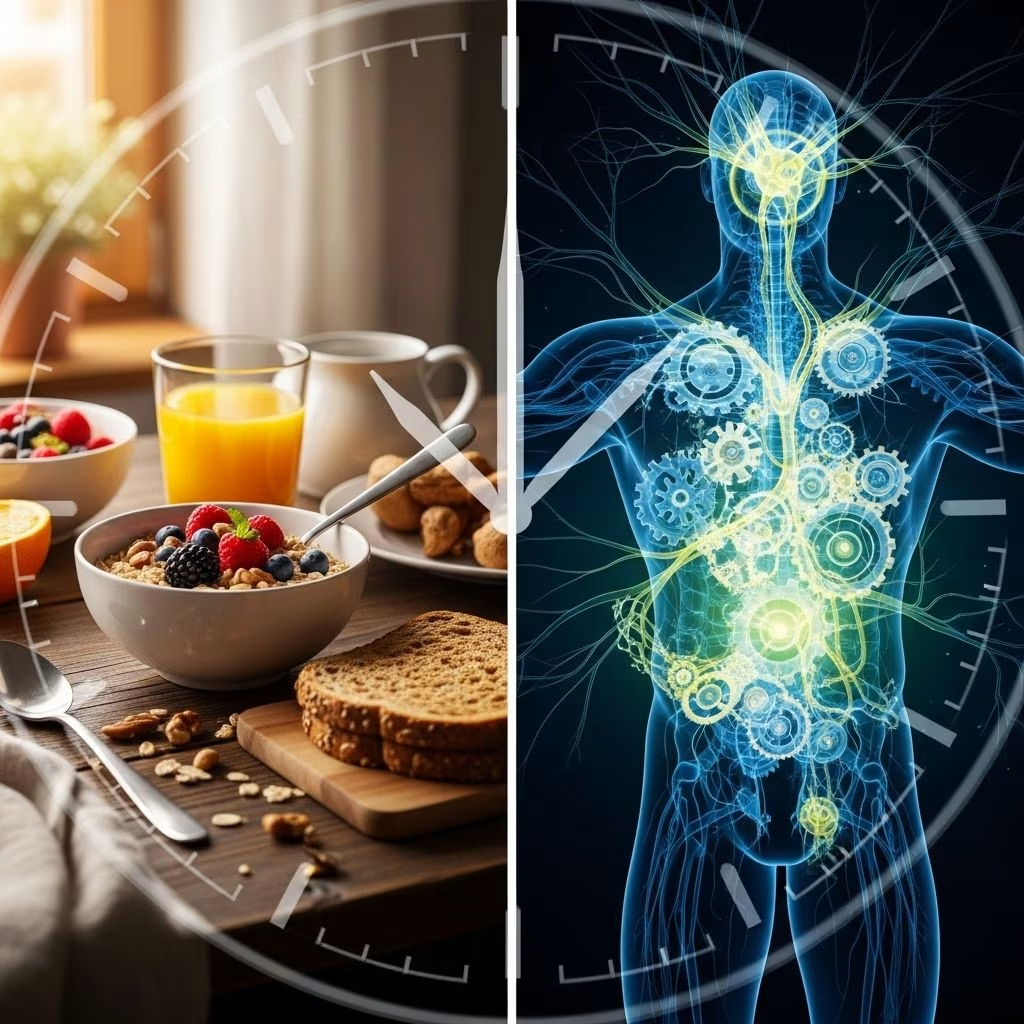
You Are When You Eat: The Science of Timing and Food Processing for Weight Loss
Most weight loss discussions focus on what or how much you eat, but mounting research reveals that when and how you eat may be just as crucial. The foods you choose and the timing of your meals can meaningfully affect your metabolism, appetite, weight loss success—and even long-term physical and mental health. This article explores the science-backed connection between meal timing, food processing, and holistic wellness, giving practical strategies for lasting results.
The Power of Timing: Why When You Eat Matters
Recent studies demonstrate that our bodies respond differently to calories depending on the timing. Circadian rhythms—the internal biological clock—regulate metabolism, hormone release, and energy expenditure throughout the day. Eating in harmony with these rhythms can influence weight loss and overall health.
- Earlier eating improves metabolism: Consuming more calories early in the day, especially breakfast, may support better blood sugar control, fat burning, and appetite regulation.
- Larger meals earlier, lighter in the evening: People who eat their biggest meal at breakfast or lunch tend to lose more weight and have steadier energy than those who focus on dinner.
- Nighttime eating may hinder results: Late-night snacking or large meals after sunset can increase cravings, disrupt sleep, and slow metabolism, raising the risk of weight gain.
Our bodies are naturally more insulin-sensitive and efficient at burning calories during the day, while nighttime eating is more likely to promote fat storage. This underpins the advice to “front-load” your calories: eat more earlier, taper toward evening.
Ultra-Processed Foods: Why They Sabotage Weight Loss and Health
Not all calories are created equal. Ultra-processed foods—industrial products high in sugar, unhealthy fats, and additives—fundamentally disrupt signals that regulate appetite, fullness, and metabolism. Multiple studies reveal:
- Eating ultra-processed foods: Leads to increased inflammation, unhealthy cravings, poor gut health, and greater weight gain—even if calories are similar to less processed diets.
- Whole/minimally processed foods: Foster sustainable fat loss, improved appetite control, and reduced risks for chronic diseases.
- Ultra-processed foods harm metabolic health beyond calorie content, by triggering reward pathways and digestive changes that lead to overeating.
Ultra-processed foods include packaged snacks, sugary cereals, fast food, and sodas. They’re designed for taste, often overriding natural hunger cues, and crowd out nutrient-dense options. People who eat more ultra-processed foods report more constipation, fatigue, poor sleep, infections, and digestive issues, and face a 32% lower chance of healthy aging in long-term studies.
| Food Type | Impact on Weight Loss | Health Effects |
|---|---|---|
| Ultra-Processed | Poor appetite control, increased cravings, slows fat loss | Inflammation, gut disruption, chronic disease risk |
| Minimally Processed/Whole | Greater fat loss, improved fullness, stable energy | Lower inflammation, better digestion, healthy aging |
Plant-Based Patterns: Supporting Long-Term Weight Loss and Aging
Research covering thousands of participants reveals the remarkable impact of plant-based diets—that is, eating a majority of foods coming from plants (not necessarily vegetarian or vegan)—for weight loss and healthy aging. Benefits include:
- Lower chronic disease risk (heart disease, diabetes, certain cancers)
- Higher fiber, antioxidants, and anti-inflammatory nutrients
- Support for a healthy gut, improved weight management
- Protection against oxidative stress and cellular damage
- Reduced inflammation and cognitive decline risk as you age
Importantly, removing ultra-processed foods and emphasizing whole grains, vegetables, legumes, nuts, and healthy fats leads to health improvements—even independent of activity level or body mass index.
Example of an Evidence-Based Plant-Focused Eating Pattern (AHEI Diet)
- Vegetables: 5 servings daily
- Fruit: 4 servings daily
- Whole grains: 5–6 servings daily
- Nuts/Legumes/Vegetable Protein: 1 serving daily
- Red/Processed meats, sugary drinks, sodium, refined grains: minimized
How Food Processing Impacts Metabolism, Appetite, and Results
A recent clinical study compared two controlled diets with similar nutrients but different processing levels over eight weeks:
- Minimally processed diet: Whole foods like fresh vegetables, grains, protein
- Ultra-processed diet: Packaged snacks, refined grains, sugars
Outcomes from the study:
- Minimally processed group lost twice as much weight (primarily body fat)
- Participants reported fewer cravings and better control over eating
- Greater reductions in blood sugar and triglycerides
- Ultra-processed group reported more digestive and energy problems
These results underscore the critical impact of food processing: it isn’t just calories or nutrients, but how foods are prepared and formulated that shape your health trajectory.
Practical Strategies: How to Optimize What—and When—You Eat
- Eat most of your calories earlier in the day: Make breakfast and lunch the main meals, with dinner lighter and focused on vegetables and lean protein.
- Limit ultra-processed foods: Learn to identify them by reading ingredient lists and opting for foods with fewer, recognizable ingredients.
- Shop the perimeter of the grocery store: Prioritize fresh produce, dairy, and protein sources.
- Batch-cook staple ingredients: Prepare rice, beans, greens, and lean proteins in advance to make healthy eating more convenient.
- Swap packaged snacks for whole-food alternatives: Fruit, nuts, seeds, hard-boiled eggs, or plain yogurt support fullness and better health.
- Focus on adding healthful choices: Frame changes as opportunities to enrich your diet rather than as strict restrictions.
- Monitor how foods affect you: Notice if certain packaged or restaurant foods trigger low energy, cravings, bloating, or other symptoms.
Consistency and small shifts can yield substantial benefits. Progress over perfection remains the key to sustainable change.
Understanding Ultra-Processed Foods: What Are They?
Ultra-processed foods are manufactured products containing minimal intact whole food. They’re created through industrial processes and usually feature additives like sweeteners, preservatives, flavor enhancers, and emulsifiers.
| Examples | Common Additives | What to Avoid |
|---|---|---|
| Sugary cereals, packaged snacks | Artificial colors, emulsifiers, preservatives | Ingredients you can’t easily recognize or pronounce |
| Fast food, soft drinks | High fructose corn syrup, trans fats | Foods with long ingredient lists (>5–8 items) |
Frequently Asked Questions (FAQs)
Q: Is meal timing really more important than calorie counting?
A: Both meal timing and calorie intake are important, but timing can amplify the effects of calorie management. Eating earlier supports better metabolic health and appetite regulation, making it easier to stick to weight loss goals.
Q: What if I work night shifts or have irregular hours?
A: While ideal timing is aligned with daylight, practical strategies include keeping meals lighter and more plant-based during off-hours, avoiding heavy meals near sleep, and maintaining regular eating intervals.
Q: Do I have to become vegetarian to succeed?
A: No. Studies show that simply shifting toward more plant-based foods—even while including modest amounts of lean animal proteins—supports weight loss and healthy aging.
Q: Is it best to eliminate all processed foods?
A: Not necessarily. Minimizing ultra-processed foods is most beneficial, but small amounts of less processed or convenience items can be workable within a largely whole-food diet.
Q: How quickly will I see results from these changes?
A: Many people notice improved energy, digestion, and appetite control within weeks. Sustainable weight loss and metabolic improvements typically develop over months of consistent changes.
Key Takeaways: Your Food Choices and Timing Shape Success
- Prioritize minimally processed, plant-forward foods for long-term weight loss and health benefits.
- Time your largest meals earlier in the day to take advantage of natural metabolic peaks.
- Reduce ultra-processed foods to improve gut health, energy, appetite, and motivation.
- Small, consistent changes in shopping, meal prep, and snack choices can profoundly shift outcomes.
- Respect your body’s hunger and fullness signals—avoid reliance on willpower or rigid restriction.
References
- Study on healthy aging and plant-based diets: Alternative Healthy Eating Index (AHEI) Diet
- Research comparing ultra-processed and minimally processed diets and their impact on weight loss, cravings, and cravings
References
- https://www.prevention.com/food-nutrition/healthy-eating/a64297964/healthy-aging-diet-study/
- https://www.prevention.com/food-nutrition/healthy-eating/a65664887/ultra-processed-foods-weight-loss-gut-health-study/
- https://www.prevention.com/food-nutrition/healthy-eating/
- https://fefac.eu/newsroom/news/netflixs-you-are-what-you-eat-experts-views-on-this-trend/
- https://news.stanford.edu/stories/2024/01/qa-christopher-gardner-featured-netflixs-eat
- https://www.prevention.com
- https://yatesnutrition.com/you-are-what-you-eat-review/
- https://pmc.ncbi.nlm.nih.gov/articles/PMC7230850/
- https://www.prevention.com/food-nutrition/healthy-eating/a65194426/what-happens-to-your-body-when-you-eat-yogurt-every-day/
- https://storymaps.arcgis.com/stories/1e78a0cfa853438ea81342795f8bf5e1


