


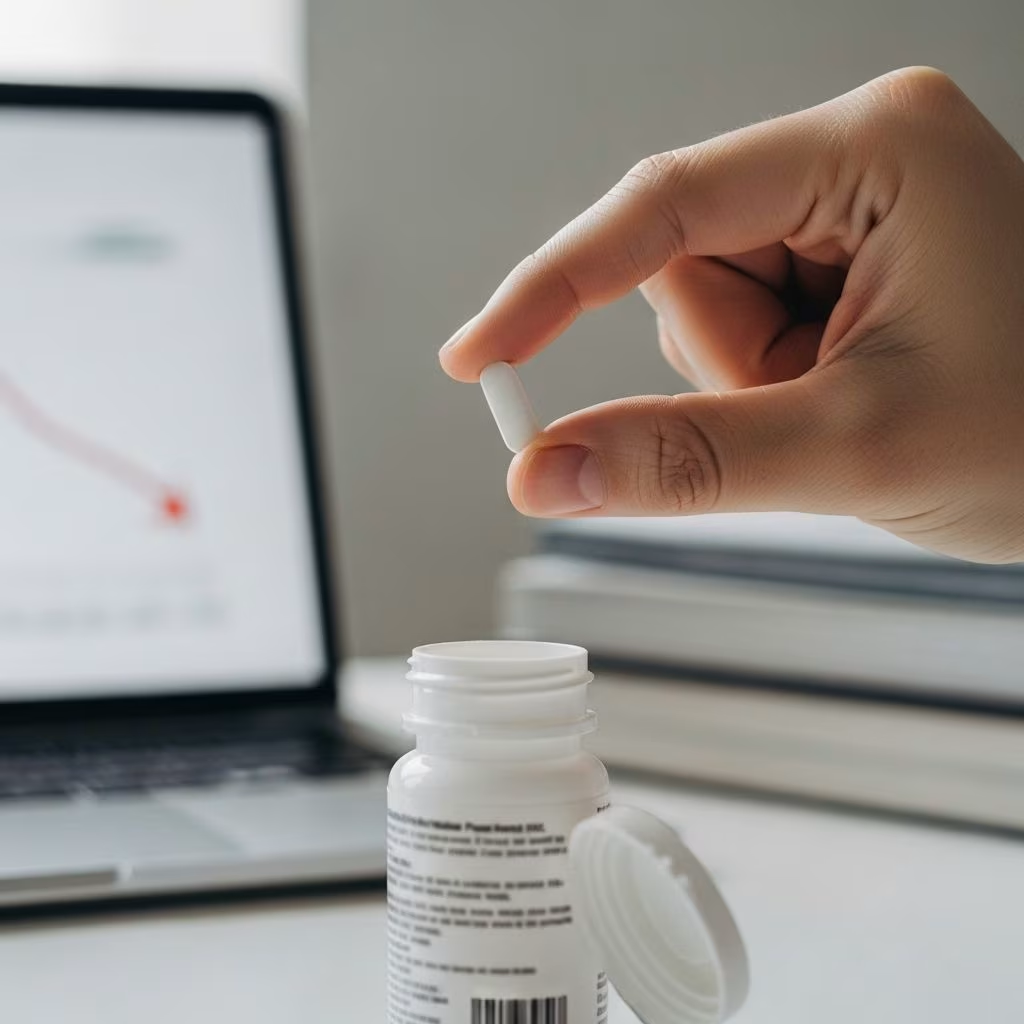
These Prescription Weight Loss Drugs Really Work—But Here’s What You Need To Know
Obesity and excess weight affect millions, prompting ongoing searches for effective and sustainable solutions. While traditional methods like diet and exercise remain the foundation, there is increasing interest in FDA-approved weight loss medications. These drugs promise considerable benefits for certain patients but also come with caveats, side effects, and realities you must understand before considering them.
What Are Weight Loss Medications?
Prescription weight loss medications—sometimes called anti-obesity medications—are FDA-approved therapies designed to help eligible adults lose weight when combined with supportive lifestyle modifications. They are most often indicated for people with a Body Mass Index (BMI) of 30 or higher (classified as obese), or 27 and higher if accompanied by serious weight-related health problems such as hypertension, diabetes, or high cholesterol.*
- Intended for chronic weight management: Not for cosmetic or short-term use.
- Most effective as part of a comprehensive plan: Best results are achieved when combined with diet, exercise, and behavioral changes.
- Available as pills or injections: Administration and regimen differ by drug.
How Do Weight Loss Drugs Work?
Different medications use various mechanisms to help promote weight loss. Mechanisms include:
- Suppressing appetite or reducing hunger signals
- Increasing satiety (feeling of fullness)
- Altering absorption of fat from food
- Acting on brain chemicals that regulate appetite
Most effective agents target the body’s physiological pathways for energy intake and expenditure, often using a combination of mechanisms for greater results.
Who Should (and Should Not) Consider Prescription Weight Loss Drugs?
Not everyone is a candidate for prescription weight loss medications. These drugs are designed for adults who:
- Have a BMI ≥ 30 (obesity), OR
- Have a BMI ≥ 27 and at least one obesity-related health condition (such as type 2 diabetes, high cholesterol, high blood pressure)
These medications are not recommended for those who are pregnant, breastfeeding, or planning pregnancy. People with certain psychiatric or cardiac histories may also be advised to avoid some medications due to potential risks.*
5 FDA-Approved Prescription Weight Loss Medications
The FDA currently approves several weight loss drugs for long-term use. Here are the most widely prescribed options and their distinctive characteristics:
| Name (Brand) | Mechanism | Average Weight Loss | How Taken | Key Side Effects |
|---|---|---|---|---|
| Semaglutide (Wegovy, Ozempic for diabetes) | GLP-1 receptor agonist; increases satiety and reduces hunger | ~13-15% of body weight | Weekly injection | Nausea, vomiting, diarrhea, constipation, abdominal pain |
| Liraglutide (Saxenda, Victoza for diabetes) | GLP-1 receptor agonist; increases satiety, modulates appetite | ~5-8% of body weight | Daily injection | Gastrointestinal symptoms (similar to semaglutide) |
| Phentermine/Topiramate ER (Qsymia) | Appetite suppressant (phentermine) + seizure/migraine drug (topiramate) combination | ~7-11% of body weight | Daily oral capsule | Tingling, insomnia, constipation, dry mouth, possible mood changes |
| Bupropion/Naltrexone (Contrave) | Antidepressant + opioid antagonist; targets reward center and suppresses appetite | ~5-9% of body weight | Daily oral tablets | Nausea, headache, constipation, insomnia, increased blood pressure |
| Orlistat (Alli, Xenical) | Inhibits fat absorption in the gut | ~2-3% of body weight over placebo | Oral capsule (three times daily with meals) | Oily stools, gas, abdominal cramps, vitamin deficiency risk |
New and Emerging Options
Recently, tirzepatide (Zepbound), a dual GIP and GLP-1 receptor agonist, received FDA approval for weight management. Early studies suggest this medication offers weight loss results surpassing even semaglutide, with patients achieving up to 22.5% average body weight reduction in clinical trials.*
The Effectiveness of Weight Loss Medications: What To Expect
On average, clinical trials show FDA-approved medications help patients lose significantly more weight than diet and exercise alone. However, medications are not magic bullets, and qualified medical supervision and lifestyle change remain essential. Here’s what you should know:
- Most patients achieve 5–15% weight loss in one year (more with certain injectable medications).
- Sustained use is necessary: Like most chronic disease medications, stopping the drugs often leads to regaining the lost weight.
- Maximum benefits when combined with lifestyle modifications: Drugs are adjuncts to healthy eating, regular movement, and behavioral approaches.
- Results vary: Genetics, individual health, other medications, and adherence all affect outcomes.
Potential Risks, Side Effects, & Concerns
As with any prescription medications, weight loss drugs have associated side effects and risks. These can range from mild and temporary to serious and persistent. Most common side effects include:
- Gastrointestinal symptoms (nausea, vomiting, diarrhea, constipation)
- Sleep disturbances, dry mouth, increased heart rate, or blood pressure (particularly stimulants like phentermine-containing drugs)
- Mood effects, anxiety, or agitation (with bupropion/naltrexone or phentermine/topiramate)
- Rare but severe risks (e.g., pancreatitis with GLP-1 agonists, kidney stones with topiramate, liver injury, suicidal thoughts, malabsorption issues)
Contraindications and interactions vary. Detailed medical evaluation and ongoing monitoring are crucial for safety. People with certain heart, kidney, or psychiatric histories may need to avoid specific agents.
6 Key Questions to Ask Before Considering Weight Loss Medications
- Am I eligible for these medications? Assess BMI and any comorbid conditions. Not appropriate for cosmetic weight loss or minor overweight cases.
- What are my other options? Lifestyle interventions and behavioral therapies should be tried—and ideally continued—even with medication.
- What results should I expect? Realistic expectations (usually 5–15% weight loss) help with satisfaction and adherence.
- How long will I need to take the medication? For most, continued therapy is required for sustained results.
- What are the potential side effects and risks based on my medical history? Review all medications, allergies, conditions, and risk factors with your provider.
- What will this cost, and is it covered by my insurance? Some new therapies can be expensive or may lack insurance coverage.
Do You Still Need Diet and Exercise If Using Weight Loss Drugs?
The short answer: Yes. Medications are most helpful as adjuncts, not replacements, for healthy eating patterns, regular physical activity, and behavioral supports. Without lifestyle modifications, weight loss will be less and weight regain more likely after stopping medication.
Who Should Avoid Prescription Weight Loss Medications?
- Women who are pregnant, breastfeeding, or planning pregnancy
- People with certain heart, kidney, or psychiatric conditions (depending on drug)
- Children or teenagers (except in rare, carefully monitored cases)
- People with a history of substance abuse or uncontrolled hypertension
FAQs: Prescription Weight Loss Medications
Q: How much weight can I expect to lose on these drugs?
A: Clinical trials suggest 5–15% total body weight loss in a year for most, with recent agents like tirzepatide achieving up to 22.5% reduction in select cases. Results depend on the drug, individual response, and adherence.
Q: Will I gain the weight back if I stop taking the medicine?
A: Most people will regain at least some lost weight after discontinuing medication, especially without ongoing healthy lifestyle practices. Weight loss drugs are generally considered long-term treatments for chronic weight management.
Q: Are these drugs safe?
A: All FDA-approved weight loss medications undergo rigorous testing for safety and efficacy. However, side effects and risks exist, and long-term effects—especially with newer agents—are still being studied. Ongoing monitoring with your prescribing provider is mandatory.
Q: Can I take weight loss medications with my other prescriptions?
A: Some weight loss drugs don’t mix safely with certain medications or medical conditions. Always provide your full health and medication history to your healthcare provider for review.
Q: What if a weight loss drug doesn’t work for me?
A: Not every medication is a fit for every individual. If you don’t lose at least 5% of your body weight after 3–4 months on a full dose, your provider may recommend discontinuation or changing therapies.
Key Takeaways
- FDA-approved weight loss medications provide an effective treatment option for certain individuals, often amplifying the impact of traditional diet and lifestyle changes.
- These drugs are typically reserved for people with obesity or significant weight-related health problems and need to be combined with sustained lifestyle changes for best results.
- Risks and side effects must be weighed, and ongoing medical supervision is essential. Medication is not suitable for everyone.
- New agents are demonstrating greater effectiveness, but long-term safety data for newer drugs is still developing.
- Medications do not replace the foundations of weight management: healthy eating, movement, sleep, and stress management.
Resources and Next Steps
- Consult a board-certified obesity medicine specialist or primary care provider to discuss if prescription weight loss drugs are an appropriate option for you.
- Commit to evidence-based lifestyle changes regardless of medication choice—these remain essential for sustainable health and weight control.
- Stay updated on newly approved medications and evolving best practices in obesity care.
References
- FDA prescribing information for all approved weight loss agents
- Recent reviews from professional associations such as the Obesity Medicine Association
- Clinical trial data for individual drug efficacy and safety
References
- https://obesitymedicine.org/blog/weight-loss-medications/
- https://pmc.ncbi.nlm.nih.gov/articles/PMC10387935/
- https://pubmed.ncbi.nlm.nih.gov/36277516/
- https://health.ucdavis.edu/blog/cultivating-health/can-weight-loss-medications-help-you-lose-weight/2024/08
- https://www.fda.gov/news-events/press-announcements/fda-approves-new-medication-chronic-weight-management
- https://www.mayoclinic.org/healthy-lifestyle/weight-loss/in-depth/weight-loss-drugs/art-20044832
- https://magazine.ucsf.edu/weight-loss-drugs-too-good-to-be-true
- https://pennstatehealthnews.org/2024/07/the-medical-minute-what-to-know-about-ozempic-and-weight-loss-drugs/
- https://www.uchicagomedicine.org/forefront/research-and-discoveries-articles/2024/may/research-on-glp-1-drugs
- https://medicine.tufts.edu/news-events/news/tufts-experts-weigh-new-generation-weight-loss-medications


