


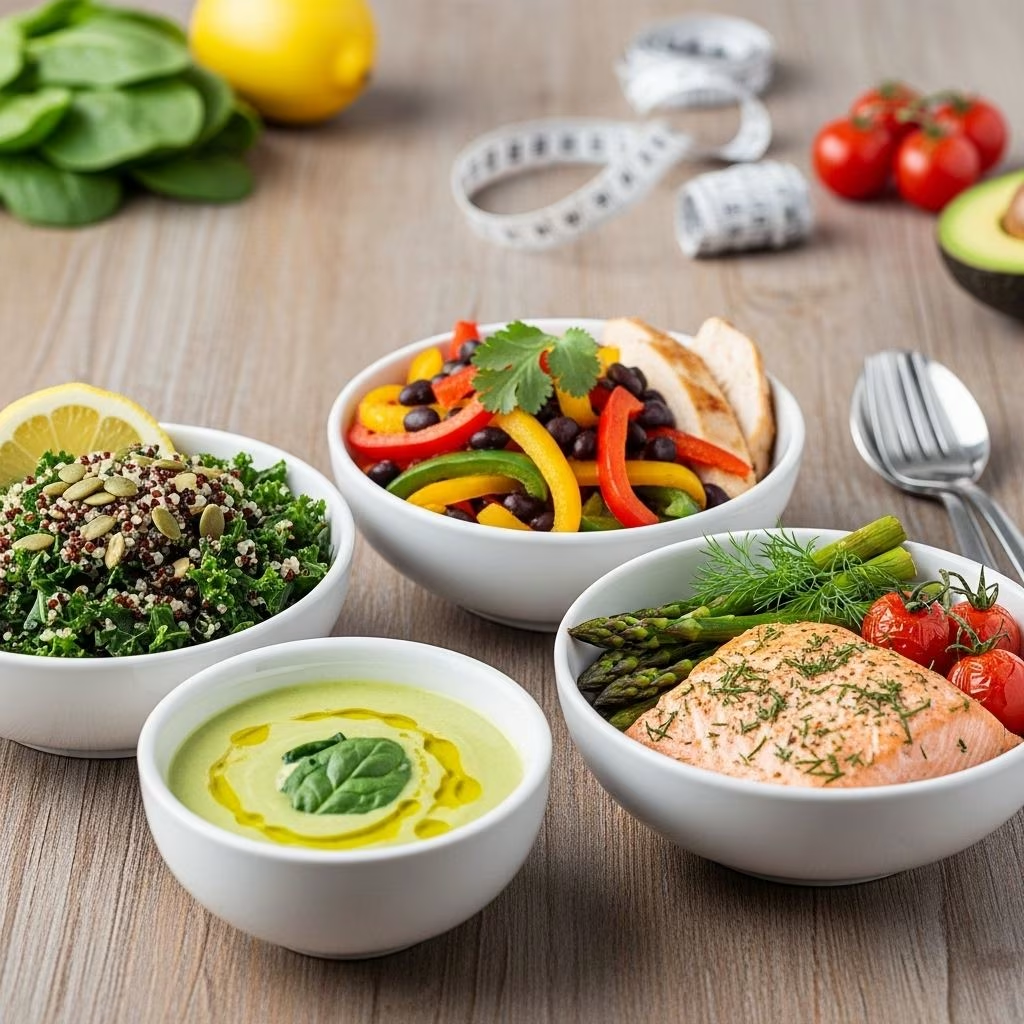
4 Flat Belly Diet Recipes: Delicious Ways to Lose Weight and Beat Bloat
The Flat Belly Diet is widely recognized for its focus on waistline-slimming meals rich in healthy fats and nutrients designed to banish bloating and help you lose weight efficiently. Developed by experts from Prevention magazine, this eating plan features simple recipes starring monounsaturated fatty acids (MUFAs)—proven to support heart health and foster fat loss—while eliminating common dietary triggers for abdominal discomfort.
What Is the Flat Belly Diet?
The Flat Belly Diet is a structured eating plan that emphasizes plant-based healthy fats, particularly MUFAs, in each meal to target stubborn belly fat.* The diet is organized in two phases:
- Jumpstart Phase: Four days designed to reduce water retention and calm bloating, restricting sodium and artificial sweeteners while encouraging water infused with natural ingredients.*
- Main Phase: Four weeks of 1,600-calorie meal plans for women (2,000 for men), featuring four 400-calorie mini-meals spaced every four hours and each centered on a MUFA-rich ingredient.
The creators—Liz Vaccariello and Cynthia Sass— recommend pairing the diet with regular physical activity and mindful eating for best, most sustainable results.
Why Flat Belly Diet Recipes Work
| Principle | How It Helps |
|---|---|
| MUFAs at Every Meal | Reduces hunger, boosts satiety, and supports healthy cholesterol levels |
| Low Sodium & Simple Sugars | Minimizes water retention and bloating |
| Plenty of Produce | Supplies antioxidants, minerals, and fiber for digestive comfort |
| Whole Grains & Lean Protein | Promotes lasting fullness and muscle maintenance |
Numerous clinical studies confirm that plant-based fats and fiber—cornerstones of this diet—not only trim waistlines, but also lower heart disease and diabetes risk factors.
Flat Belly Diet Recipes to Try This Week
Looking for easy, tasty ways to stay on plan? Enjoy these four chef-crafted recipes—each packed with flavor and designed to help your belly look and feel its best.
1. Avocado & Citrus Power Smoothie
- 1 cup unsweetened almond or skim milk
- ½ avocado
- 1 small orange, peeled and sectioned
- ½ frozen banana
- 1 tbsp flaxseed oil (for MUFAs)
- A handful of ice
Instructions: Combine the milk, avocado, orange, banana, and ice in a blender. Purée until smooth. Stir in flaxseed oil just before serving. Enjoy immediately to maximize nutrient content.
This creamy smoothie delivers healthy fats and antioxidants to jumpstart your morning or power up an afternoon.
Approximate calories: 350-370
2. Black Olive & Turkey Mediterranean Sandwich
- 2 slices sprouted whole grain bread
- 2 tbsp black olive tapenade
- 2 oz lean deli turkey, sliced
- 3 large romaine leaves
- ¼ cup thinly sliced plum tomato
- ¼ cup thinly sliced red onion
Instructions: Spread the tapenade evenly on bread slices. Layer with turkey, lettuce, tomato, and onion. Serve with a side of sliced banana or baby carrots for added fiber.
Olives add a punch of MUFAs, while lean turkey and veggies provide satisfying protein and crunch.
Approximate calories: 400
3. Ricotta-Basil Stuffed Pita with Warm Marinara
- 1 multigrain pita pocket
- ¼ cup low-fat ricotta cheese
- 2 sun-dried tomatoes, diced
- 1 tbsp extra virgin olive oil
- 1 tsp minced garlic
- 4 fresh basil leaves, sliced
- ½ cup low-sodium marinara sauce
Instructions: Mix ricotta, sun-dried tomatoes, olive oil, garlic, and basil. Stuff mixture into pita. Toast lightly under broiler until pita is golden and cheese is soft. Serve with marinara sauce for dipping.
An Italian-inspired dinner that doesn’t skimp on flavor—thanks to the olive oil and sun-dried tomatoes, both rich in beneficial fats.
Approximate calories: 430
4. Pepper & Hummus Snack Plate
- 1 cup red bell pepper slices
- ½ cup hummus
- 2 tbsp pine nuts
Instructions: Arrange red pepper slices on a plate. Serve with hummus for dipping and sprinkle pine nuts on top for a buttery crunch and MUFA bonus.
A perfect energy-boosting snack that satisfies cravings and supports waistline goals.
Approximate calories: 350
Key Flat Belly Diet Ingredients (and Why They Matter)
- Avocado: Includes healthy fats and potassium to beat bloat.
- Olive oil/pine nuts/tapenade: High-quality MUFAs to control hunger.
- Whole grains: Steady energy and more fiber for digestion.
- Dairy: Ricotta adds protein and calcium.
- Leafy greens and colorful veggies: Vitamins, minerals, and antioxidants for health and fullness.
Tips for Success on the Flat Belly Diet
- Eat every 4 hours: Four 400-calorie meals/snacks keeps metabolism steady and prevents extreme hunger.
- Choose one MUFA per meal: Rotate among nuts, seeds, olives, avocado, dark chocolate, or MUFA-rich oils for variety and balance.
- Limit saturated and trans fats: Keep saturated fat at 4 grams or less per meal for optimal results.
- Drink water: Aim for water or naturally flavored water to support digestion and reduce fluid retention.
- Include lots of fruits and vegetables: Help curb hunger and keep your digestive system working smoothly.
Foods That Fight Bloat: What to Eat and What to Skip
| Eat More | Avoid or Limit |
|---|---|
| Berries, bananas, leafy greens | Salty processed snacks, pickles |
| Yogurt with live cultures | Carbonated beverages, sugar alcohols (in gum/candy) |
| Whole grains, brown rice | Refined flour, white bread |
| Avocado, nuts, olive oil | Fried foods and butter |
| Small portions of beans, lentils | Large servings of beans (can cause gas if not acclimated) |
Pro-tips:
- Chew slowly to aid digestion.
- Keep sodium under 1,500 mg daily if possible to reduce puffiness.
- Avoid excess sweeteners and gum to cut down bloating from trapped air or sugar alcohols.
Expert-Backed Benefits of Following the Flat Belly Diet
- Weight loss, especially belly fat reduction
- Lower LDL (“bad”) cholesterol and improved heart health
- Stabilized blood sugar and reduced diabetes risk factors
- Improved blood pressure and overall energy levels
- Reduced cravings through steady intake of high-fiber, MUFA-rich foods
While quick weight loss is possible (up to 15 pounds in a month for some), lasting weight management comes from an ongoing commitment to healthy eating and, ideally, regular exercise.
Frequently Asked Questions (FAQs)
Q: Who created the Flat Belly Diet?
A: The Flat Belly Diet was developed by former Prevention magazine editor Liz Vaccariello and registered dietitian Cynthia Sass.
Q: Does the Flat Belly Diet really work for belly fat?
A: Many people see results by following the calorie guidelines and focusing on MUFAs, though large scientific studies specific to this plan are lacking. The approach overlaps with the Mediterranean diet, which is clinically shown to reduce belly fat and improve overall health.
Q: What are MUFAs and why are they important?
A: MUFAs (monounsaturated fatty acids) are healthy fats found in plant foods like nuts, seeds, olives, avocado, and certain vegetable oils. They can lower hunger, support heart health, and may help reduce central fat stores.
Q: Can I follow this diet if I have specific health conditions?
A: Always consult your doctor before starting any new diet, especially if you have pre-existing conditions or take medication.
Q: Is exercise required on the Flat Belly Diet?
A: Exercise is encouraged for best results, but the Flat Belly Diet focuses on nutrition as the primary lever. Many participants lose weight through dietary changes alone.
Q: Can I customize the meal plan?
A: Yes! The plan can be tailored to your taste, age, gender, and activity level as long as you follow the core principle: include a MUFA at every meal and keep portions balanced.
Day Sample Meal Plan
- Breakfast: Avocado & Citrus Power Smoothie
- Lunch: Black Olive & Turkey Mediterranean Sandwich + side of banana
- Snack: Pepper & Hummus Snack Plate
- Dinner: Ricotta-Basil Stuffed Pita with Warm Marinara
Each meal or snack above offers a balanced blend of healthy fats, protein, fiber, and flavor—ideal for trimming your waistline while keeping you energized and satisfied.
*Statements and summaries based on expert opinions and clinical nutrition guidance; speak with your personal healthcare provider for advice tailored to your needs.
References
- https://www.prevention.com/weight-loss/diets/a20477494/flat-belly-diet-recipes-73/
- https://www.mymlc.com/health-information/faqs/f/flat-belly-diet-can-it-help-you-lose-weight/
- https://miniers.com/health_wellness/articles/277/flat-belly-diet-qa
- https://www.prevention.com/weight-loss/diets/a20460167/flat-belly-diet-recipes-56/
- https://www.youtube.com/watch?v=6_rk7VOX_LA
- https://www.goodreads.com/book/show/16059453-flat-belly-diet-gluten-free-cookbook
- https://www.thriftbooks.com/w/flat-belly-diet-gluten-free-cookbook-the-delicious-way-to-beat-bloat-and-lose-your-belly/3293210/


