


\n\n
Protein is not just an essential macronutrient for building muscle—it’s a powerful ally when it comes to shedding unwanted pounds. If you’re aiming for lasting weight loss or just want to eat healthier, learning how and why protein matters can help you feel fuller, maintain muscle, and make more balanced food choices. This guide unpacks the science of protein for weight loss, the best sources to fuel your journey, and expert advice on fitting protein into your everyday routine.
\n\n
Why Protein Is Essential for Weight Loss
\n\n
Experts agree that protein can play a significant role in any healthy weight loss regimen:
\n
- \n
- Increases Satiety: Protein helps you feel full longer, naturally reducing your calorie intake by curbing cravings and unscheduled snacking. This is because protein takes longer to digest than carbohydrates or fats, delaying hunger signals and stabilizing your appetite.
- Preserves Lean Muscle: During weight loss, your body can use both fat and muscle for fuel. Consuming adequate protein helps preserve lean muscle mass, ensuring that the weight you lose comes primarily from fat.
- Boosts Metabolic Rate: The body burns more calories digesting protein than it does with fats or carbohydrates, a phenomenon known as diet-induced thermogenesis. This helps you burn slightly more calories throughout the day.
- Reduces Weight Regain: High-protein diets have shown to not only aid in initial weight loss but also help prevent weight regain over time, keeping your progress on track.
\n
\n
\n
\n
\n\n
Clinical studies have demonstrated that people eating higher amounts of protein may consume fewer calories and experience less weight regain, especially when protein is increased to about 30% of daily caloric intake.
\n\n
How Much Protein Do You Need for Weight Loss?
\n\n
While individual protein needs vary based on age, sex, activity level, and specific goals, a general guideline for those seeking weight loss is:
\n
- \n
- Aim for 1.2 to 2.0 grams of protein per kilogram of body weight per day for effective weight loss and muscle preservation. For a 150-pound person (about 68 kg), this is roughly 82-136 grams of protein daily.
- The typical recommended daily allowance (RDA) for adults is 0.8 grams of protein per kilogram of body weight for basic health, but higher amounts are often needed to optimize satiety and fat loss.
- Distribute protein evenly throughout the day—instead of eating all your protein at dinner, include a source with every meal and snack. This approach helps maintain muscle and controls hunger.
\n
\n
\n
\n\n
Note: Those with chronic kidney or liver conditions may need to limit protein intake and should consult a healthcare provider first.
\n\n
The Science Behind Protein and Satiety
\n\n
Protein’s filling power isn’t just anecdotal—it’s supported by research. Consuming more protein stimulates satiety hormones such as glucagon-like peptide-1, cholecystokinin, and peptide YY, while lowering hunger-triggering hormones like ghrelin. This hormone shift leads to a natural decrease in overall calorie intake.
\n\n
Studies show that participants who ate a high-protein diet (30% of daily calories) reported a greater sense of fullness and consumed as much as 441 fewer calories per day compared to those on a 15% protein diet. The result is often easier compliance with a calorie deficit diet, crucial for successful weight loss.
\n\n
The Best High-Protein Foods for Weight Loss
\n\n
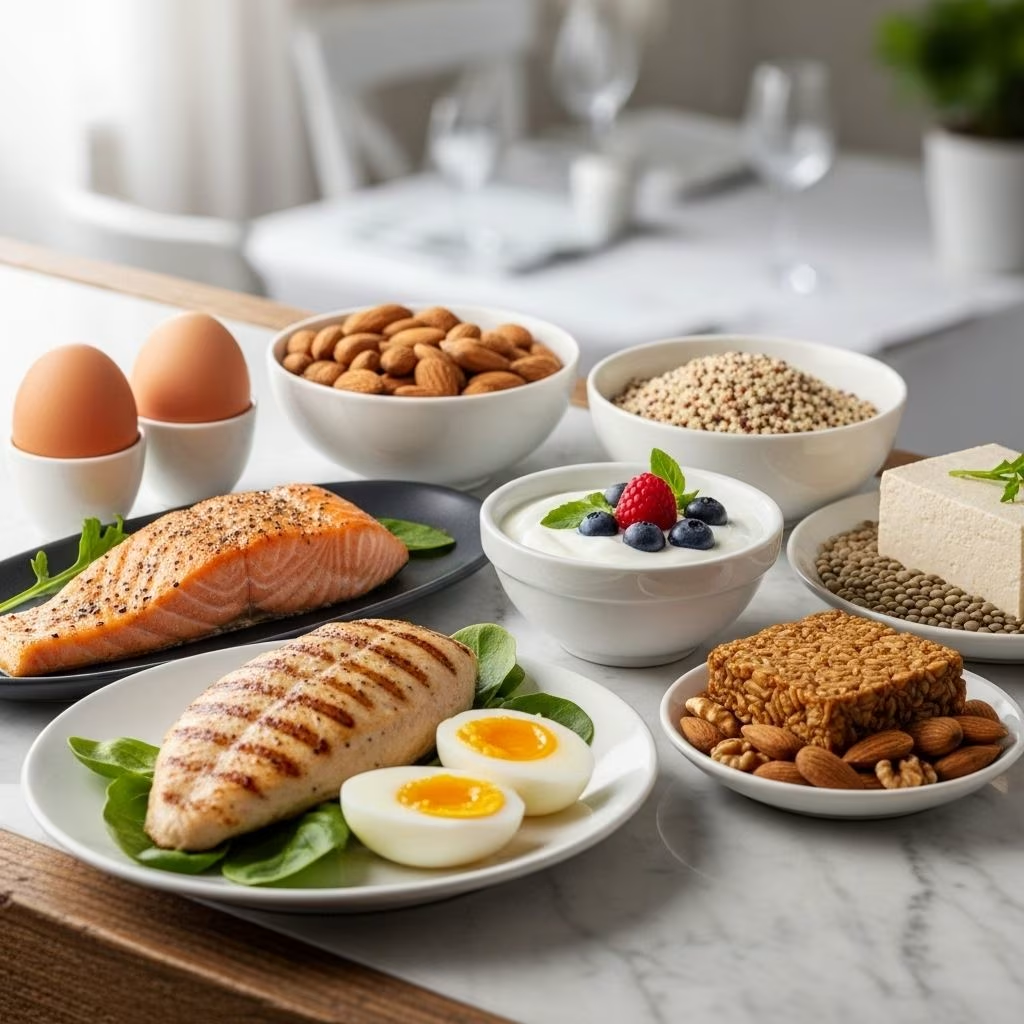
Choosing the right protein sources is crucial for both nutrition and weight loss effectiveness. Combining animal and plant-based proteins provides variety and a broad nutrient spectrum. Here are top protein-rich foods to consider:
\n\n
- \n
- Chicken Breast: One of the leanest and most versatile sources, packed with complete protein and minimal fat.
- Fish and Seafood: Salmon, tuna, trout, and shrimp are high in protein, contain heart-healthy omega-3 fats, and are typically low in calories.
- Eggs: Whole eggs are nutrient-dense, providing high-quality protein along with beneficial vitamins and minerals.
- Greek Yogurt (Plain): High in protein and probiotics, an excellent choice for snacks or breakfast.
- Low-Fat Cottage Cheese: Affordable, easy to prepare, and delivers a satisfying punch of protein per serving.
- Legumes and Beans: Lentils, chickpeas, black beans, and peas offer protein, fiber, and steady energy; great for vegetarians and vegans.
- Tofu and Soy Products: Plant-based, complete proteins perfect for meatless meals.
- Lean Beef and Pork: Trimmed cuts of beef or pork loin can be included occasionally for variety.
- Quinoa: Though technically a seed, quinoa is a complete protein source and rich in fiber.
- Nuts and Seeds: Almonds, chia seeds, pumpkin seeds, and peanuts add protein along with healthy fats (just watch portion sizes).
\n
\n
\n
\n
\n
\n
\n
\n
\n
\n
\n\n
| Food | Protein (g) | Calories | Notes |
|---|---|---|---|
| Chicken breast (cooked) | 31 | 165 | Lean, versatile |
| Salmon (cooked) | 25 | 206 | Rich in omega-3 |
| Egg | 13 | 143 | Whole egg, nutrient-dense |
| Greek Yogurt (plain, nonfat) | 10 | 59 | Good snack |
| Tofu (firm) | 8 | 76 | Plant-based |
| Lentils (cooked) | 9 | 116 | Protein & fiber |
| Quinoa (cooked) | 4 | 120 | Complete plant protein |
\n\n
Tips for Including More Protein in Your Diet
\n\n
- \n
- Start with Breakfast: Swap carb-heavy cereals for eggs or Greek yogurt. This keeps hunger at bay and may help you eat less throughout the day.
- Snack Smart: Instead of chips or sweets, choose protein-rich snacks like cottage cheese, hard-boiled eggs, or hummus with veggies.
- Add Legumes: Stir beans or lentils into soups, salads, and stews for a fiber and protein boost.
- Choose Lean Meats: When eating animal proteins, prioritize lean cuts and skinless poultry to keep saturated fat intake in check.
- Incorporate Dairy: Opt for low-fat cottage cheese, milk, or cheese to add protein to meals and snacks without excess calories.
- Balance Each Plate: Aim to fill a quarter of your plate with a protein source at every meal.
- Plan Ahead: Batch-cook grilled chicken, fish, or beans to ensure you always have a healthy protein option ready.
\n
\n
\n
\n
\n
\n
\n
\n\n
Who Should Consider a High-Protein Diet?
\n\n
While a higher-protein diet is generally safe and beneficial for most healthy adults seeking weight loss, it is particularly helpful for:
\n
- \n
- People Prone to Weight Gain: Those who struggle with frequent hunger, overeating, or metabolic issues often find protein helps sustain satisfaction and keep cravings in check.
- Those Consuming High-Carb, High-Sugar Diets: People eating a lot of processed carbohydrates benefit from swapping some carbs for lean meats, fish, dairy, or legumes. Shifting the diet towards more protein often means consuming less refined sugar and empty calories.
- Active Individuals: Athletes and physically active people require more protein to recover, maintain muscle, and fuel an active lifestyle.
- Vegetarians and Vegans: Choosing a variety of plant-based proteins ensures all essential amino acids and reduces the risk of deficiencies, supporting healthy weight loss without animal products.
- Older Adults: Protein helps prevent muscle loss, which is especially important as we age.
\n
\n
\n
\n
\n
\n\n
Note: People with kidney or liver disease must consult their healthcare provider before making significant increases to protein intake.
\n\n
The Healthiest Protein Choices for Weight Loss
\n\n
Not all proteins are created equal. Focus on these options for the most benefits:
\n\n
- \n
- White-Meat Poultry: Chicken or turkey breast (without skin)
- Fatty Fish: Salmon, mackerel, sardines (for heart-healthy fats)
- Plant Proteins: Lentils, beans, peas, tofu, tempeh
- Eggs: Especially when paired with veggies
- Low-Fat Dairy: Cottage cheese, yogurt, milk
- Lean Beef or Pork: Occasional small servings, prioritizing grass-fed when possible
- Whole Grains: Quinoa and brown rice for their blend of protein and fiber
- Nuts and Seeds: In moderation, as they are calorie-dense
\n
\n
\n
\n
\n
\n
\n
\n
\n\n
Potential Risks: Can You Have Too Much Protein?
\n\n
While high-protein diets are generally safe for healthy individuals, excess protein can pose issues for some people:
\n
- \n
- Chronic kidney or liver disease patients need to limit protein intake and get medical advice before increasing protein.
- Excessively high-protein diets could theoretically stress the kidneys, though this is not usually a concern for those with healthy organs.
- Increased protein intake should not automatically mean increased total calories—otherwise, weight gain can result if balancing exercise and overall calorie needs isn’t considered.
- Balance your protein sources. Avoid relying solely on red or processed meats, which have been linked to higher risks of certain diseases.
\n
\n
\n
\n
\n\n
Frequently Asked Questions (FAQs)
\n\n
Q: What is the best protein for weight loss?
\n
A: The best proteins for weight loss are lean, minimally-processed sources—such as chicken breast, fish, eggs, Greek yogurt, cottage cheese, and plant-based proteins like lentils and tofu. Incorporate a variety for balanced nutrition.
\n\n
Q: Does more protein mean faster weight loss?
\n
A: Higher protein can help with appetite control, boost metabolism, and prevent muscle loss, which makes weight loss more achievable. However, the total balance of calories and regular activity are still essential for success.
\n\n
Q: Are protein shakes necessary for weight loss?
\n
A: Whole foods are best for most people, but protein shakes can be convenient for some, especially after workouts or when on the go. Choose protein powders with minimal additives and added sugars.
\n\n
Q: Can I eat too much protein?
\n
A: For most healthy adults, moderate increases in protein are safe. However, those with certain medical conditions should avoid excessive protein and consult a healthcare professional about their needs.
\n\n
Q: How do I know if I’m eating enough protein?
\n
A: Signs of adequate intake include feeling full after meals, sustained muscle mass, and good energy. Track your food with a nutrition app or consult with a dietitian if you’re unsure.
\n\n
Key Takeaways for Weight Loss Success
\n\n
- \n
- Prioritize lean, whole-food proteins at every meal and snack.
- Adjust your daily protein target based on your age, body weight, and activity level.
- Pair protein-rich foods with plenty of fiber (from vegetables, legumes, and whole grains) for maximal satisfaction and metabolic benefits.
- For safe and sustainable weight loss, focus on balanced nutrition, regular physical activity, and realistic, gradual change.
\n
\n
\n
\n
References
- https://www.prevention.com/food-nutrition/a60028858/how-much-is-too-much-protein/
- https://www.prevention.com/weight-loss/diets/a20459073/weight-loss-and-a-high-protein-diet/
- https://www.prevention.com/food-nutrition/a20513051/4-types-of-people-who-should-be-on-a-high-protein-diet/
- https://pmc.ncbi.nlm.nih.gov/articles/PMC7539343/
- https://www.prevention.com/weight-loss/g24805401/fat-burning-foods/
- https://www.prevention.com/food-nutrition/healthy-eating/g23065278/high-protein-foods/
- https://www.prevention.com/food-nutrition/healthy-eating/a68067521/signs-not-getting-enough-protein/
- https://www.prevention.com/food-nutrition/a63749873/guide-to-eating-protein/
- https://www.prevention.com/food-nutrition/g29504714/weight-loss-foods/
- https://www.prevention.com/food-nutrition/healthy-eating/a64554839/signs-not-enough-protein/


