


Get a Real Food Life Makeover: Your Step-by-Step Guide to Lasting Health
Are you overwhelmed by dieting advice and frustrated by food plans that feel impossible to maintain? Making the change to a healthier, real-food lifestyle doesn’t require perfection or drastic restrictions. Instead, it’s about gradually reshaping your habits, environment, and mindset for more energy and better health—without deprivation. This comprehensive guide walks you through a realistic real-food life makeover, covering practical tips, expert insights, and actionable steps to help you thrive.
What Is a Real Food Makeover?
A real food makeover means learning to focus on whole, minimally processed foods, improving your kitchen environment, making smarter food choices away from home, and addressing the emotional and social aspects of eating. It’s not simply a diet, but a sustainable approach to eating for more energy, happiness, and lasting weight management.
Why Focus on Real Foods?
The modern diet is often full of ultra-processed foods high in added sugars, unhealthy fats, and artificial ingredients. These foods can sap your energy, contribute to cravings, and make maintaining a healthy weight harder. Switching to real food—think fruits, vegetables, whole grains, lean proteins, and healthy fats—provides your body with lasting fuel and nutrients. The benefits of a real food lifestyle include:
- Steadier energy levels throughout the day
- Better weight management without rigid dieting
- Reduced cravings and emotional eating
- Improved mental clarity and mood
- Lowered risk for chronic illnesses
Transitioning doesn’t have to be overwhelming. The secret is to approach change step by step and set up your environment for easy success.
How to Overhaul Your Kitchen
Transforming your kitchen sets the stage for healthier choices every day. Imagine opening your pantry or fridge and finding wholesome, nourishing ingredients ready to go. Here’s how to make your kitchen a real-food haven:
Step 1: Take Inventory & Declutter
- Empty your pantry, fridge, and freezer. Take note of what you have and what needs replacing.
- Check expiration dates, and toss old spices, condiments, and foods past their prime.
- Remove (or limit) highly processed foods like sugary cereals, chips, artificially flavored snacks, and boxed desserts. Donate unopened items if possible.
Step 2: Stock Up on Real Food Staples
Refill your kitchen with wholesome basics that encourage healthy meals and snacks. Consider keeping these items on hand:
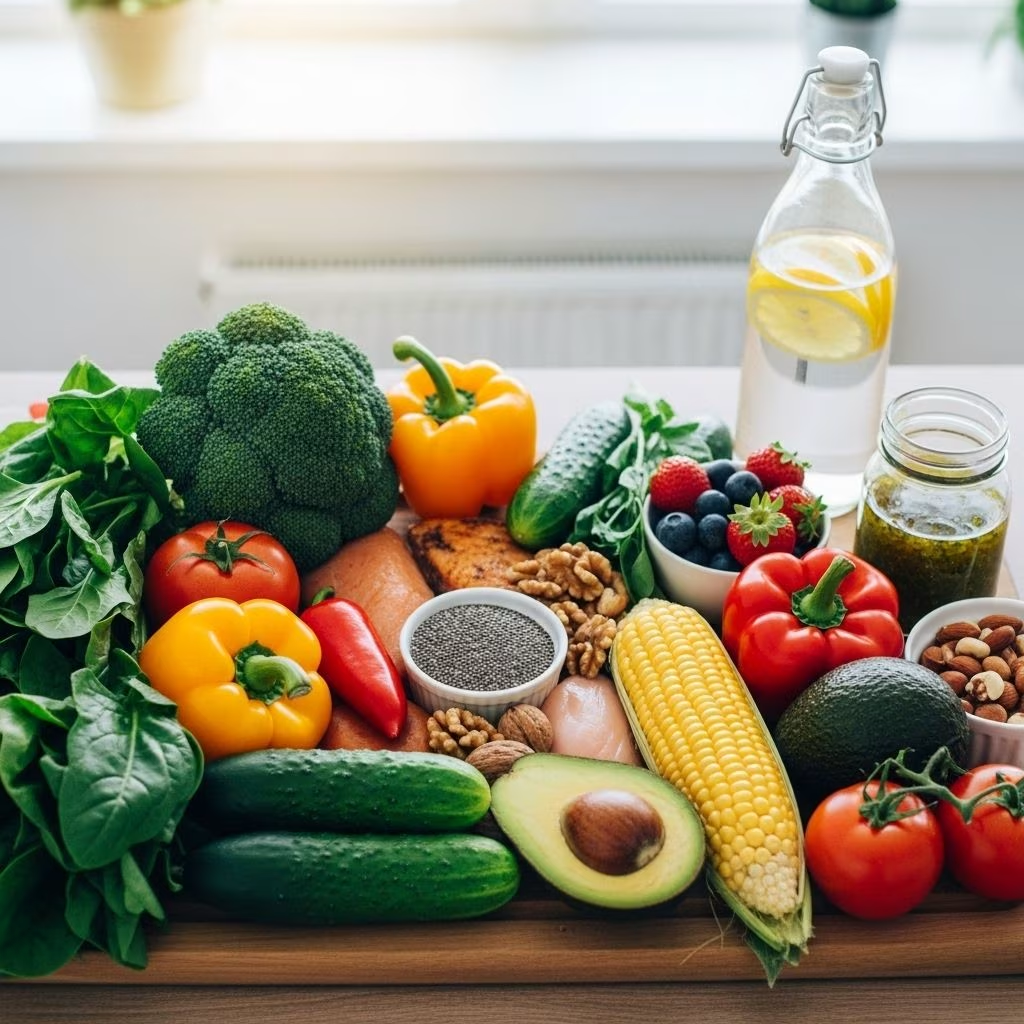
- Produce: Fresh, seasonal fruits and vegetables. Keep berries, greens, carrots, apples, bananas, and citrus for grab-and-go nutrition.
- Frozen produce: Stock up on frozen veggies and fruits for smoothies, stir-fries, and soups.
- Whole grains: Brown rice, quinoa, oats, barley, and whole-wheat pasta.
- Lean proteins: Chicken breast, eggs, canned tuna, salmon, tofu, beans, or lentils.
- Healthy fats: Olive oil, avocados, natural nut butters, unsalted nuts and seeds.
- Low-fat dairy or alternatives: Plain Greek yogurt, cottage cheese, or unsweetened plant milks.
- Flavor builders: Garlic, onions, ginger, fresh or dried herbs, spices for flavor without extra salt or sugar.
Step 3: Reorganize Your Space for Success
- Place healthy grab-and-go options, like cut veggies and fruit, at the front of the fridge.
- Reserve counter space for a fruit bowl instead of baked goods or chips.
- Keep tempting snacks on high or out-of-the-way shelves.
- Store staple grains, beans, and healthy snacks in clear containers for easy access.
Smarter Grocery Shopping
Your real food journey is shaped at the grocery store. Planning ahead helps avoid impulse buys and ensures you have the ingredients for delicious, healthy meals. To streamline your shopping habits:
Make a List—and Stick to It
- Create your grocery list based on the week’s planned meals and snacks.
- Shop the store perimeter first (produce, meat, dairy) before venturing into aisles for basics like beans, oats, and spices.
- Choose items with the shortest, most recognizable ingredient lists.
Watch for Healthy Swaps
| Instead of… | Try… |
|---|---|
| White bread | 100% whole-grain or sprouted bread |
| Sugary breakfast cereal | Old-fashioned oats with berries and nuts |
| Flavored yogurt | Plain Greek yogurt with honey and fruit |
| Potato chips | Baby carrots, nuts, or roasted chickpeas |
| Creamy salad dressing | Olive oil and balsamic vinegar with fresh herbs |
Be Savvy About Marketing
- Ignore misleading claims like “natural,” “healthy,” or “multigrain” on packaging—check the nutrition label and ingredients instead.
- Buy in bulk when possible for nuts, seeds, grains, and beans; it saves money and reduces waste.
- Prioritize fresh, seasonal produce for flavor and nutrition.
Confidence in Meal Prep
Cooking real food doesn’t have to be complicated or time-consuming. Meal prep is about making healthy eating the easiest option—especially on busy days. Here’s how to get started:
Batch Cooking Basics
- Choose one or two days a week to prep a few basics: roast a tray of vegetables, grill or bake chicken breasts, cook a pot of whole grains, prepare a large salad or soup.
- Divide prepared foods into single-serving containers for easy lunches and dinners.
Prep Ready-to-Eat Snacks
- Wash and slice veggies in advance for easy snacking or salad building.
- Portion nuts or trail mix into snack bags.
- Make individual smoothie packs and freeze for grab-and-blend breakfasts.
Keep It Simple: Sample Real Food Meal Plan
| Meal | Example |
|---|---|
| Breakfast | Oatmeal with berries and almond butter |
| Lunch | Grilled chicken salad with mixed greens, tomatoes, quinoa, and olive oil vinaigrette |
| Snack | Greek yogurt with walnuts and sliced banana |
| Dinner | Stir-fried vegetables with brown rice and tofu |
Common Pitfalls and How to Overcome Them
Even the best plans can run into trouble. Here are some frequent obstacles and practical solutions:
- Time crunch: Not enough time to cook? Rely on batch cooking, choose quick recipes, or use healthy convenience foods like pre-cut veggies and rotisserie chicken.
- Cravings and emotional eating: Don’t eliminate favorite indulgences entirely—enjoy them occasionally with intention. Try healthy alternatives for daily cravings, like dark chocolate or fruit with nut butter.
- Dining out or social events: Review menus online ahead of time. Choose dishes with lots of vegetables, lean proteins, and request dressings or sauces on the side.
- Family or peer resistance: Involve family in meal planning. Introduce new dishes alongside familiar favorites to ease transitions.
- Travel or unexpected schedules: Pack healthy snacks, like almonds or fruit. Locate nearby grocery stores or healthy restaurants in advance.
Mini Habits for Lasting Change
Radical overhauls often don’t stick, but small habits add up. Commit to one or two “mini habits” each week as you embark on your real food life reboot:
- Drink a glass of water before each meal.
- Add one extra vegetable to every dinner.
- Plan and prep three healthy snacks for the week.
- Swap white grains for whole grains every other day.
- Cook one new real-food recipe each week for variety.
By building mini habits, you’ll find your new lifestyle becomes second nature, not a struggle.
Frequently Asked Questions (FAQs)
Q: Do I have to cut out treats forever?
A: Absolutely not. Sustainable healthy eating allows for moderate indulgences. Enjoy your favorite foods occasionally and focus on making real food the default for most meals.
Q: What if my family is picky or reluctant?
A: Involve your family in planning and grocery shopping. Introduce changes gradually—pair new dishes with familiar favorites so everyone feels included and adjusted to the shift.
Q: How do I eat real food on a budget?
A: Buy seasonal produce, shop sales, and stock up on frozen fruits and veggies. Whole grains, beans, and eggs are nutritious and cost-effective staples. Plan meals to reduce waste and use leftovers creatively.
Q: Can I do this if I have dietary restrictions?
A: Yes. Real-food eating is customizable. Focus on a wide variety of foods that fit your needs—gluten-free whole grains, plant-based proteins, or dairy alternatives as required.
Key Takeaway
The real food life makeover is not an all-or-nothing approach—it’s a lifelong path of small, smart changes. By overhauling your kitchen, shopping and cooking with intention, and building supportive habits, you empower yourself for better health, more energy, and guilt-free enjoyment of food. Begin today with just one mini habit, and build from there.
References
- https://www.forksoverknives.com/how-tos/give-your-kitchen-pantry-a-healthy-plant-based-makeover/
- https://www.prevention.com/food-nutrition/a20506383/i-made-lunch-the-biggest-meal-of-the-day-for-a-month-and-here-s-what-happened/
- https://www.prevention.com/health/a20500742/double-your-energy-with-this-simple-fatigue-busting-makeover/
- https://www.prevention.com/weight-loss/a20446071/get-a-real-food-life-makeover/
- https://www.prevention.com/health/a60486206/heal-your-body-with-food/
- https://www.prevention.com/food-nutrition/healthy-eating/a20474870/what-happened-when-i-gave-up-caffeine/
- https://www.prevention.com
- https://www.prevention.com/health/a45754963/how-to-age-slower/
- https://www.metrowestdailynews.com/story/lifestyle/food/2006/12/27/a-food-makeover-for-new/41275450007/


