


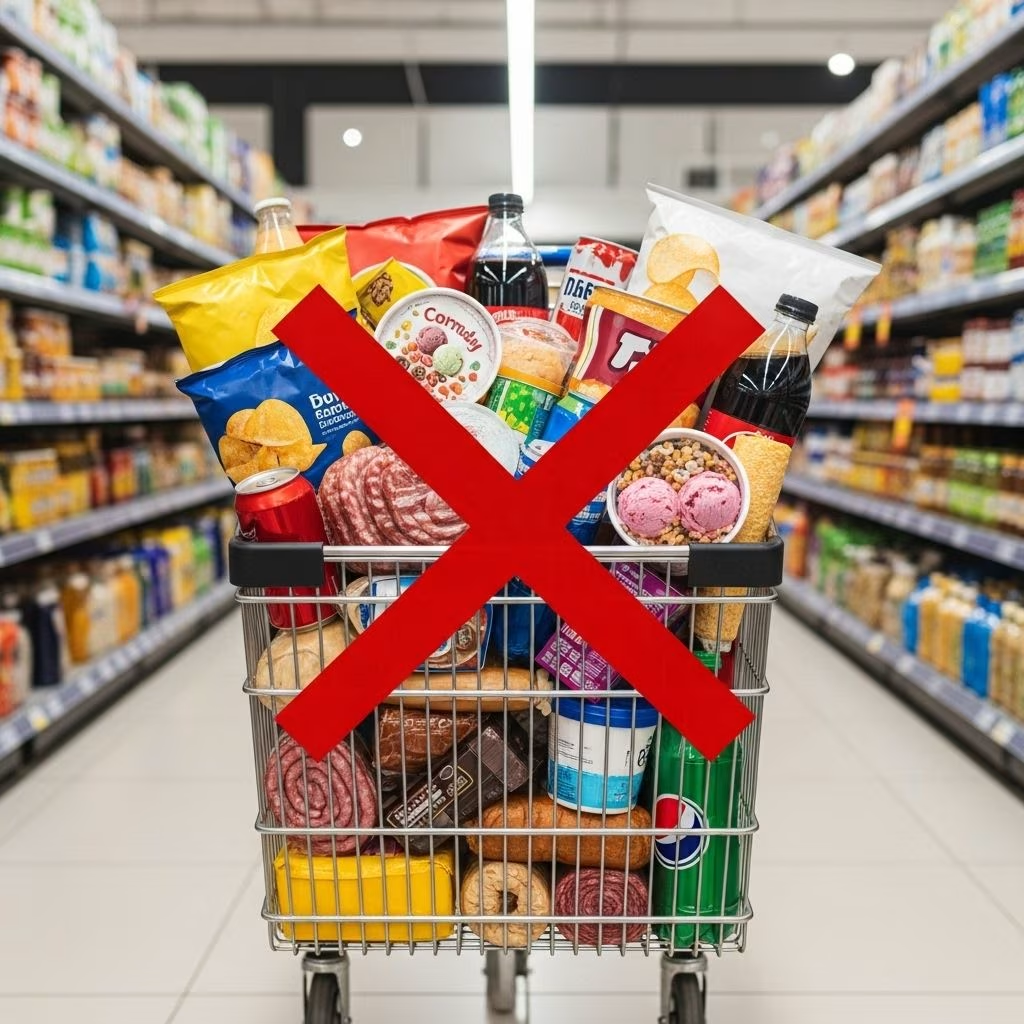
7 Grocery Shopping Mistakes That Sabotage Your Weight Loss
While weight loss may appear to depend solely on diet and exercise, another critical factor often goes overlooked: your grocery shopping habits. What goes into your cart determines the choices you’ll face at home. Shopping smart is not just about saving money—it’s a powerful tool for achieving your health and weight loss goals. Here, we explore seven common grocery shopping mistakes that can derail progress, and offer scientifically backed solutions that will help you stay on track for long-term success.
The Importance of Shopping Mindfully
Most people recognize that healthy bodies are built in the kitchen, but the journey begins even earlier—at the grocery store. Stocking up on whole foods and avoiding temptations makes clean eating easier and more sustainable. Still, willpower is frequently tested by clever product placements and marketing tactics. Even if you start out with the best intentions, it’s easy to fall into tricky patterns that slow your weight loss progress.
- Plan ahead for every shopping trip
- Stick to a list to reduce impulsive buys
- Read nutrition labels carefully
1. You Don’t Shop After Lunch
Hunger weakens your ability to make rational choices at the supermarket. When you shop on an empty stomach, you’re far more likely to grab high-calorie, less nutritious foods than when you’re comfortably full. A Cornell University study revealed that hungry shoppers don’t necessarily buy larger quantities, but they do choose higher-calorie items over healthy alternatives.
- Always aim to shop after a meal or snack to improve your food choices
- Bring a healthy snack if you can’t avoid peak hunger hours
- Try nutritionist-recommended snacks like nuts or yogurt before heading out
Quick Tip
Shopping after eating can help you stick to your nutrition goals and reduce impulse buys. Consider eating one of these power-up snacks beforehand to curb those cravings and keep your head in the game.
2. You’re Spontaneous: Shopping Without a List
Wandering the aisles without a shopping list is a recipe for impulsive decisions that can wreck both your diet and your budget. Lists are not just practical; they anchor your choices to what you actually need for nourishing meals and snacks. Without one, you’ll likely forget essential ingredients for balanced meals, and end up picking processed or convenience foods that offer fewer nutritional benefits.
- Dedicate a few minutes each week to meal planning
- Write a precise shopping list based on your meal plan and healthy staples
- Stick to your list to avoid unnecessary temptations
Meal Prep Strategies
Organizing your weekly meals and writing out the ingredients needed streamlines your experience in the store and reduces diet-derailing purchases. Consider prepping grab-and-go snacks so you’re never caught off guard.
3. Spending Too Much Time in the Middle of the Store
Aisles located in the center of the supermarket are packed with processed, high-sugar, and high-carb foods. While a few healthy options (such as canned beans and whole grain oatmeal) exist, most choices here are detrimental to weight loss goals. In contrast, the outer perimeter typically houses the healthiest choices: fresh produce, lean proteins, and dairy.
- Start your shopping route on the perimeter of the store
- Prioritize fruits, vegetables, lean meats, fish, and unprocessed dairy
- Limit your time spent browsing through processed and packaged options
| Perimeter | Center Aisles |
|---|---|
| Fresh produce (fruits/vegetables) | Baked goods, candy, chips |
| Lean meats and fish | Sugary cereals, cookies |
| Dairy (milk, yogurt, cheese) | Soda, processed snacks |
Smart Shopping Challenge
Test yourself: Try shopping exclusively in the perimeter aisles for a week. Notice the difference in your purchases and the impact on your eating habits.
4. Falling for Meaningless Health Claims
The food industry excels at marketing products using buzzwords like “wholesome”, “antioxidant-rich”, or “contains vegetables.” Unfortunately, these health claims often disguise products that are still high in sugar, refined carbohydrates, and unhealthy fats. While some products with health claims aren’t inherently bad, they’re usually not as nutritious as you think.
- Be skeptical of health lingo such as “fortified”, “all natural”, or “organic” if nutrition data doesn’t back it up
- Many “healthy” snacks, like granola bars and vegetable chips, can sabotage weight loss with hidden sugars or empty calories
- The only way to know for sure: read the nutrition label
Key Point
True health benefits come from whole ingredients, not marketing language. Prioritize foods that are naturally wholesome and check the nutrition for yourself.
5. Not Reading Nutrition Labels
If a product “seems” healthy but isn’t, the nutrition label is your best asset for revealing the truth. Nutritionists recommend scanning for calories, sugar, protein, and fiber first. For weight loss, select products that contain:
- Less than 10 grams of sugar per serving
- At least 2–3 grams of fiber per serving
- A reasonable amount of protein to support satiety
Ingredients are equally important. Scan the ingredient list for artificial additives, high-fructose corn syrup, or unfamiliar chemicals. If a product contains multiple unrecognizable ingredients, it’s wise to leave it on the shelf.
| Checklist Item | Recommendation |
|---|---|
| Sugar | < 10 grams/serving |
| Fiber | > 2 grams/serving |
| Protein | > 3 grams/serving |
| Artificial Additives | Avoid |
Nutritionist Insight
Nutrition panel first, ingredients second. Your best bet is to develop your own set of nutritional standards, then check every label before purchasing.
6. Skipping the Frozen Section
The frozen food aisle is often unfairly maligned, but it’s an invaluable resource for healthy eating and weight loss. Frozen fruits and vegetables are flash-frozen at peak freshness, retaining nutrients just as well—or better—than their fresh counterparts. Additionally, frozen meats and seafood last much longer, allowing you to plan healthy meals even when life gets busy or produce is out of season.
- Stock up on unsweetened frozen fruits and plain vegetables for smoothies or side dishes
- Keep bags of lean frozen proteins for last-minute meals
- Opt for “clean” frozen meals with simple ingredient lists to avoid greasy takeout on hectic nights
Frozen Section Myth Busting
Frozen doesn’t mean unhealthy—products with minimal added ingredients are excellent options for meal prepping and emergency dinners. Always check for extra sauces or seasonings that may increase calories and sodium.
7. Indulging in Too Many Free Samples
Many grocery stores offer free samples to encourage impulse buying. While tasting a product you’re truly interested in can be useful, treating the store as an all-you-can-eat buffet results in unintended extra calories. Those small bites add up, making it harder to maintain calorie deficits necessary for weight loss.
- Accept samples only if you’re considering purchasing the product
- Be mindful of total calories consumed
- Eat a healthy snack before shopping to avoid grazing on samples
Sample Smart
Let mindful tasting guide your decisions: prioritize curiosity and intention over habit. If you’re hungry, it’s smarter to eat something nutritious beforehand so you aren’t seduced by samples.
Frequently Asked Questions (FAQs)
Q: How can I avoid impulse purchases when grocery shopping?
A: Making a detailed shopping list and sticking to it, shopping after eating, and focusing on perimeter aisles significantly reduces impulse buying.
Q: Are frozen fruits and vegetables healthy options?
A: Yes, most frozen produce is flash-frozen at peak freshness, retaining nutrients equal to or better than fresh options. Choose products without added sauces or sugar.
Q: Should I trust products labeled with health claims?
A: Never rely solely on outside packaging claims. Always confirm with the nutrition label and ingredient list to ensure products meet your health criteria.
Q: What’s the best way to plan for a successful weight loss grocery trip?
A: Meal planning, writing a list, shopping after a meal, and prioritizing whole foods are proven strategies to support healthy eating and weight management.
Q: How do I balance convenience and nutrition?
A: Stock up on healthy, minimally processed frozen foods and pre-portioned snacks to avoid fast food or overly processed options when pressed for time.
Conclusion: Shop Smarter and Leaner
By recognizing and correcting these seven mistakes, you empower yourself to make healthy choices long before food reaches your plate. The journey to lasting weight loss starts at the supermarket; thoughtful planning, awareness, and informed decision-making are key to success. Remember, every trip is an opportunity—to reinforce healthy habits, invest in your wellbeing, and take control of your nutrition, one cart at a time.
References
- https://www.prevention.com/weight-loss/g20446179/shopping-mistakes-making-you-gain-weight/
- https://www.prevention.com/weight-loss/g20498928/mistakes-that-sabotage-weight-loss/
- https://www.prevention.com/weight-loss/a20471164/mistakes-made-after-weight-gain/
- https://www.prevention.com
- https://www.prevention.com/health/health-conditions/a37011991/my-diagnosis-mary-machica-cushings-disease/
- https://www.prevention.com/health/health-conditions/a44798692/weight-gain-exhaustion-hashimoto-thyroiditis-my-diagnosis/
- https://pmc.ncbi.nlm.nih.gov/articles/PMC2614557/
- https://www.prevention.com/health/g20436594/7-everyday-mistakes-that-make-you-age-faster/
- https://medlineplus.gov/weightcontrol.html


