


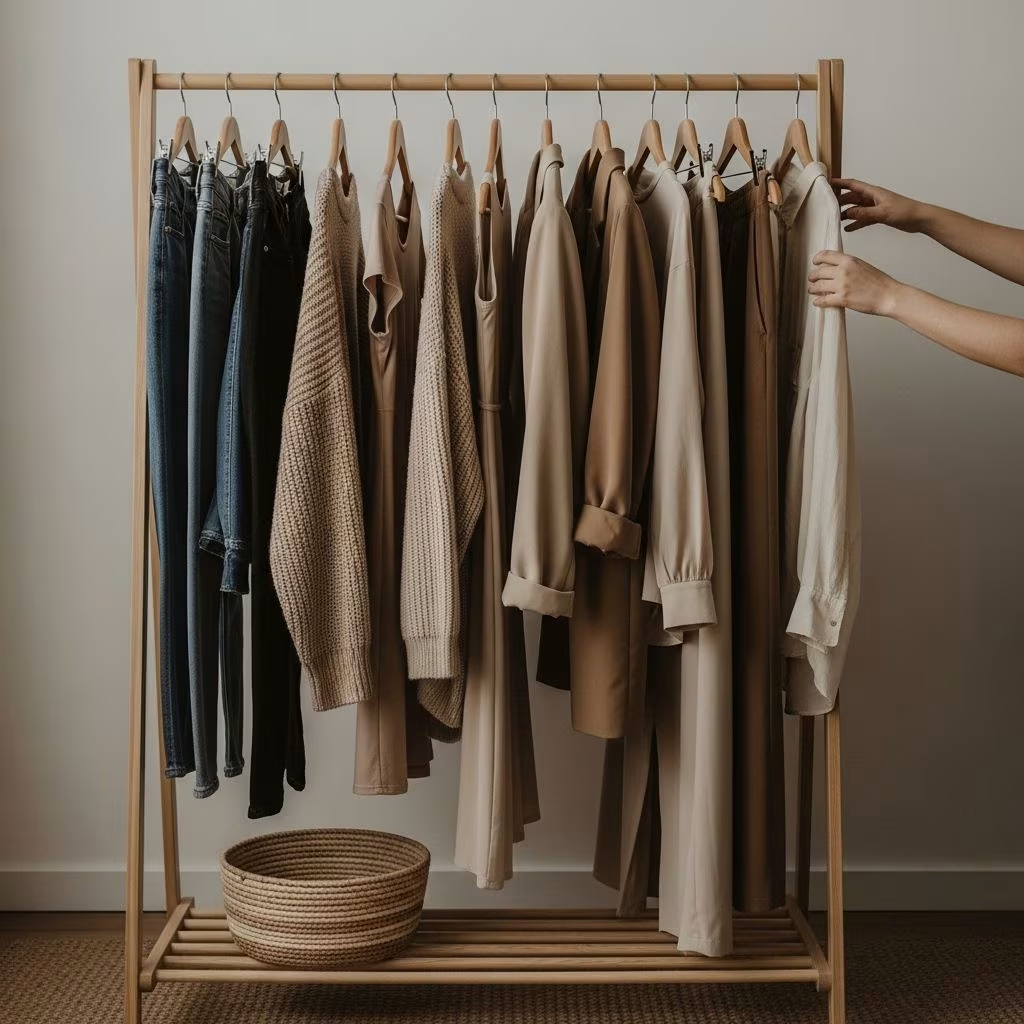
Should You Keep Your ‘Skinny Clothes’? The Surprising Truth About Wardrobe Motivation
Many people who have struggled with their weight have a section of their wardrobe dedicated to “skinny clothes”—outfits they hope to wear again after losing a few pounds. But does holding onto these garments truly inspire healthy change, or could it be subtly sabotaging your well-being and self-image? This article examines the emotional, psychological, and practical effects of keeping clothes from your slimmer days, offering guidance on how to make thoughtful wardrobe choices that empower rather than undermine you.
What Are ‘Skinny Clothes’ and Why Do People Keep Them?
“Skinny clothes” are typically garments that fit at your lowest weight or in a period when you were more satisfied with your body. Individuals often keep these clothes for several reasons:
- Motivation: Serving as a visual reminder or goal to return to a previous size.
- Nostalgia: Representing memories of a particular time, event, or feeling of confidence.
- Optimism: Belief that future weight loss will make these clothes wearable again.
- Financial Pragmatism: Avoiding the cost of replacing a wardrobe with each fluctuation in size.
While these reasons might seem innocent or even practical, experts suggest the impact goes deeper than closet clutter.
How Can Skinny Clothes Affect Your Self-Esteem?
Research and real-life experiences indicate that keeping too-tight clothing can evoke complex emotions. Here are the primary psychological effects:
- Self-Criticism: Frequent visual reminders of a previous size may trigger feelings of inadequacy, guilt, or shame.
- Prolonged Diet Mentality: Holding onto clothes can reinforce an endless cycle of “waiting to live” until reaching a certain goal weight, delaying self-acceptance and present-moment happiness.
- Motivation Versus Defeat: For some, skinny clothes spark determination. For others, they cause discouragement when progress is slow or setbacks occur.
- Perfectionism Pressure: The underlying message that “only thin deserves reward” can be subtly damaging, impacting daily self-worth and mental health.
Pam Peeke, MD, MPH, author and expert on weight management, notes that the anticipation of fitting into old clothes often causes “a constant feeling of not being good enough.” This mindset shifts focus away from sustainable habits and health, replacing it with fleeting goals and comparisons.
The Myth of ‘Wardrobe Motivation’: Does It Really Work?
The concept that keeping skinny clothes will fuel weight loss motivation often falls short. Studies on behavior change tend to support intrinsic goals—like health and energy—over extrinsic ones, such as fitting into a specific dress or pair of jeans. When motivation is grounded in restriction and self-criticism, long-term change becomes harder to achieve.
A European analysis found that even with strict dieting, only a small fraction of larger-bodied people ever reach or sustain a “normal” BMI. Drastic changes focused on appearance rather than well-being are typically short-lived. Experts recommend creating new, positive associations with clothing: focusing on comfort, expression, and joy over size.
Table: Skinny Clothes Motivators vs. Pitfalls
| Potential Motivator | Common Pitfall |
|---|---|
| Visual goal for weight loss | Constant reminder of “failure” before goal is met |
| Saves money (reuse clothes if weight is lost) | Wastes closet space, prevents enjoying current size |
| Symbol of past confidence | Creates nostalgia and longing, not present acceptance |
| May spark motivation for some personalities | Triggers guilt or perfectionism for most |
When Should You Let Your Skinny Clothes Go?
Decluttering your closet isn’t just about aesthetics; it’s a matter of psychological well-being. Here are signs it’s time to part with those skinny clothes:
- They haven’t fit in over a year, despite repeated goals and effort.
- They evoke discomfort, shame, or anxiety rather than excitement or nostalgia.
- You avoid current style or self-care because you’re “waiting for weight loss.”
- They crowd out clothes that fit and feel good, making daily dressing stressful.
- You’re hesitant to buy new clothes that celebrate your present body.
Lisa King, who improved her body image post-menopause, emphasized, “I no longer weigh myself three times a day.” Deciding to let go of old sizes marked the start of greater confidence and less daily stress.
How to Build a Confidence-Boosting Wardrobe—No Matter Your Size
Whether your weight is stable or fluctuating, your closet can be a sanctuary for comfort and self-expression. Experts and women who’ve embraced their current bodies recommend these strategies:
- Dress for Now: Invest in clothes that fit and flatter your present body, regardless of future goals.
- Focus on Comfort: Choose fabrics and cuts that don’t pinch, squeeze, or restrict. Tight pants, bras, and shapewear can cause discomfort, nerve issues, or digestive aggravation if they’re too tight.
- Experiment With Style: Try new colors, patterns, or silhouettes that feel fresh. Let go of the “old you” and celebrate your evolution.
- Declutter Regularly: Donate or recycle clothes that no longer fit or don’t make you feel great.
Building a wardrobe rooted in self-care is a practical form of body positivity—one that produces daily benefits for mental and physical health.
Health Effects of Wearing Clothes That Are Too Tight
The risks of hanging onto—and squeezing into—skinny clothes go beyond aesthetics or emotion. Wearing ill-fitting, restrictive garments can worsen health problems:
- Nerve Compression: Skinny jeans and pants can cause numbness, pain, and swelling—sometimes requiring medical intervention.
- Worsened Digestion: Tight waistbands and shapewear may aggravate gastrointestinal conditions like IBS, Crohn’s disease, or acid reflux.
- Skin Irritation: Pressure and rub from too-small clothes may lead to rashes, red marks, or restricted movement.
- Restricted Breathing and Movement: Difficulty breathing or moving freely is a sign clothes are not serving you.
Body-hugging styles can highlight your shape and boost confidence when well-fitted, but they should never compromise comfort or safety.
Do regular “body scans”—physical and emotional—to check for discomfort and potential harm. Your body deserves respect, not punishment.
Can Getting Rid of Skinny Clothes Help With Weight Management?
Making peace with your current size can paradoxically improve your approach to health and weight. Studies show that relentless focus on appearance tends to undermine healthy behaviors and mental health, while acceptance encourages:
- Healthier, lasting food choices—like more whole grains, less processed fare.
- Consistent physical activity for energy rather than weight loss stress.
- Less obsession with calories, scales, or restrictive diets.
- Greater appreciation for the body’s strength and resilience.
In one story, after giving up her scale and letting go of perfectionist goals, a woman reported drastically lowered anxiety, with more time to enjoy the present and try new activities.
What If You’re Still Not Ready to Donate or Toss Old Clothes?
It’s normal to feel conflicted. Here are gentle steps for making healthy wardrobe changes:
- Pack away skinny clothes in a box—out of sight—and revisit in six months.
- Set a reminder to evaluate which items still evoke positive feelings, or if your mindset has shifted.
- Ask yourself honestly: Do these clothes motivate me, or do they perpetuate negative self-talk?
- Consider the joy and relief of opening a closet and seeing all clothes available to wear immediately.
Frequently Asked Questions (FAQs)
Q: Can keeping skinny clothes help me lose weight?
No scientific evidence suggests that holding onto smaller clothes consistently produces lasting weight loss motivation. For most people, it serves as a negative comparison or unattainable goal.
Q: Are tight clothes bad for my health?
Clothes that are too tight can cause health problems ranging from skin irritation and nerve compression to digestive disturbances. Make comfort and freedom of movement a top priority.
Q: What should I do if I’m attached to my skinny clothes emotionally?
Acknowledge your feelings and consider taking gradual steps—such as packing items away, journaling about your relationship to clothing, or seeking support from friends or a counselor. Emotional attachment is valid, but should not compromise daily happiness.
Q: Is it unhealthy to want to fit into old clothes someday?
Having goals for fitness or body composition is healthy if rooted in self-care rather than punishment or shame. Prioritize health-promoting habits that serve your present and future well-being, rather than basing progress only on clothing size.
Q: How can I feel confident in my current body?
- Dress in clothes that fit comfortably and express your style.
- Practice gratitude for your body’s abilities, not just appearance.
- Try movement and mindfulness techniques that build self-compassion.
Empowering Yourself: A New Approach to Wardrobe and Body Goals
Letting go of skinny clothes is not just a matter of space—it’s a conscious act of setting yourself free. By choosing clothes that fit well now, you send important psychological messages of self-respect and readiness to embrace life as it comes. Whether you lose, gain, or maintain your weight, the real transformation occurs in the shift from “waiting to be worthy” to “worthy right now.”
- Be Kind to Yourself: Practice self-compassion through every wardrobe choice.
- Celebrate Change: Recognize that style—and bodies—naturally evolve over time. Embrace the process.
- Focus on Health, Not Size: Center habits on how you feel and function, not just how you look.
Your closet should be a source of confidence and excitement each morning, not a battleground for past regrets or future anxieties. Approach each day—and each outfit—with the kindness and optimism you deserve.
References
- https://time.com/3931710/fashion-dangers-skinny-jeans/
- https://www.healthline.com/health/tight-clothes
- https://www.prevention.com/weight-loss/a20498475/fit-in-10-weight-loss-struggle/
- https://www.prevention.com/weight-loss/a36065492/rethinking-body-weight/
- https://www.prevention.com/health/health-conditions/a37584627/body-image-after-menopaue/
- https://www.prevention.com/weight-loss/a20502669/margaret-suther-lost-115-pounds-starting-with-walking/
- https://www.prevention.com/life/g20749424/celebrity-weight-loss/
- https://www.prevention.com/weight-loss/g20498928/mistakes-that-sabotage-weight-loss/
- https://www.prevention.com/weight-loss/a20515803/low-blood-sugar-weight-loss/


