


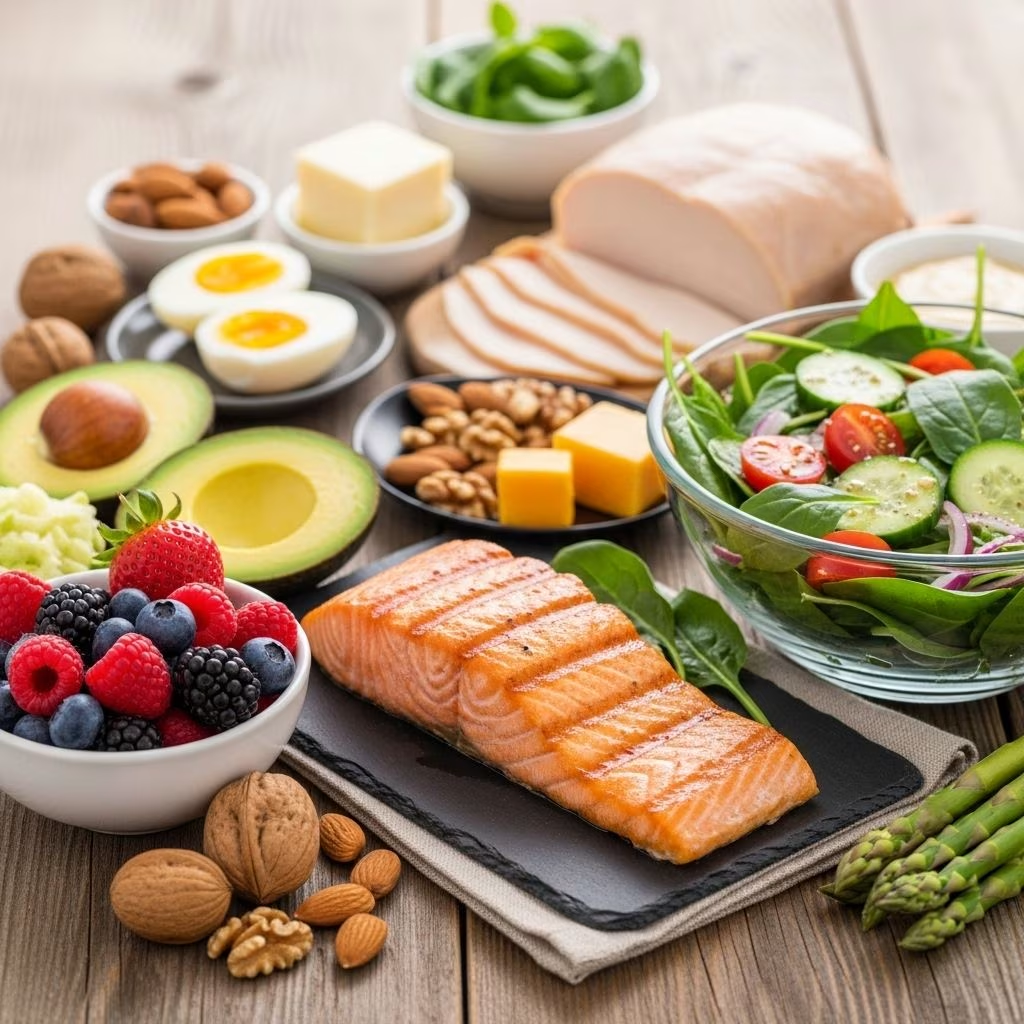
Foods You Can Eat on the South Beach Diet
The South Beach Diet is a popular and effective eating approach designed to promote healthy, sustainable weight loss while improving overall nutrition and well-being. Its emphasis on lean proteins, high-fiber vegetables, healthy fats, and controlled carbohydrate intake makes it easier than many traditional diets to follow and maintain over time. This comprehensive guide explores the South Beach Diet’s unique structure, the foods you can enjoy in each phase, example meal plans, and practical tips for success.
What Is the South Beach Diet?
The South Beach Diet is a lower-carbohydrate, higher-protein program initiated by cardiologist Dr. Arthur Agatston. Structured around three phases, the diet gradually reintroduces healthy carbs and focuses on portion control, making it suitable for a range of health goals.
- Phase 1: A short, stricter induction phase that eliminates most carbohydrates to jumpstart weight loss and stabilize blood sugar.
- Phase 2: Slow reintroduction of healthy carbs like whole grains and selected fruits for continued weight loss.
- Phase 3: Lifetime maintenance phase, with broad flexibility and focus on balanced eating habits.
How the South Beach Diet Works
The South Beach Diet is unique in that it separates carbohydrates into “good” (complex) and “bad” (simple) varieties, emphasizing foods that support satiety and stable blood sugar. Healthy fats and lean proteins form the core of each meal, with non-starchy vegetables and selected whole grains providing fiber and micronutrients.
| Phase | Primary Food Groups | Purpose |
|---|---|---|
| Phase 1 | Lean proteins, non-starchy vegetables, healthy fats, limited low-fat dairy | Rapid weight loss, break carb cravings |
| Phase 2 | Phase 1 foods + whole grains, selected fruits, more legumes | Continuous weight loss, increased food variety |
| Phase 3 | Broad, balanced variety from all food groups | Maintenance, long-term healthy eating |
South Beach Diet Phase 1: Foods to Eat
Phase 1 excludes most starches and sugars but allows for satisfying meals rich in protein, fiber, and healthy fats. This phase lasts two weeks and is designed to minimize carb cravings and promote quick results.
Key Foods Allowed in Phase 1
- Lean Proteins
- Lean beef (sirloin, tenderloin, top round)
- Skinless chicken and turkey breast
- Veal (leg cutlet, top round, veal chop)
- Pork (boiled ham, tenderloin, lean bacon)
- All types of fish and shellfish
- Turkey bacon and pepperoni (in moderation)
- Eggs and egg whites (no limit unless specified)
- Soy-based meat substitutes and tofu (prefer low-fat)
- Low-Fat Dairy
- Low-fat and fat-free cheese (American, cheddar, feta, mozzarella, parmesan, ricotta, provolone)
- Plain or Greek yogurt
- Kefir, soy milk, buttermilk (limit to 2 cups per day)
- Fat-free or 1-2% cottage cheese
- Nuts and Legumes
- Small servings of pistachios, peanuts, pecans, and nut butters (limit quantities)
- Beans (black, kidney, navy, pinto, garbanzo, split peas, lentils, edamame)
- Hummus (limited; 1/4 cup per serving)
- Non-Starchy Vegetables
- Alfalfa sprouts, celery, asparagus, artichokes, eggplant, zucchini
- Broccoli, cabbage, cauliflower, collard greens
- Cucumbers, lettuce, mushrooms, snow peas, spinach
- Water chestnuts, green beans
- Minimum goal: 4.5 cups daily
- Healthy Fats & Oils
- Olive oil, canola oil (for dressings and cooking)
- Limited low-fat butter substitute
- Spices & Seasonings (Sugar-Free)
- All spices, extract flavors (almond, vanilla, etc.)
- Horseradish, broth, pepper
- Limited Sweet Treats
- Baking cocoa powder, unsweetened chocolate powder
- Sugar-free hard candies and ice pops
- Sugarless chewing gum; non-caloric sugar substitutes
- Limit: 75 calories per day from sweet treats
Foods to Avoid in Phase 1
- Fatty meats (brisket, ribs, liver, fatty chicken/poultry, wings, legs, duck, goose)
- Butter, coconut oil, honey-baked ham
- Full-fat cheese varieties (Brie, Edam, non-reduced fat cheese)
- Starchy vegetables (beets, carrots, corn, white potatoes, yams, sweet potatoes)
- Most fruits, juices, refined sugars, baked goods, sweeteners (honey, maple syrup, agave nectar)
- Alcohol (except light beer and dry wine in moderation)
South Beach Diet Phase 2: Expanding Choices
Phase 2 allows you to continue losing weight while gradually reintroducing some healthy carbohydrates in controlled portions. You continue eating all Phase 1 foods, and can now enjoy select whole grains, fruit, and starchy vegetables.
Foods Added in Phase 2
- Whole Grains: Brown rice, whole-wheat pasta, quinoa, bulgur, barley
- Allowed Fruits: Apples, berries, cherries, pears, peaches, citrus fruits (in moderation)
- Starchy Vegetables (limited): Sweet potatoes, peas, turnips
Continue to avoid refined sugars, white bread, processed foods, fruit juices, and dates, figs, pineapple, raisins, watermelon.
South Beach Diet Phase 3: Maintenance
Phase 3 is focused on maintaining your weight and healthy habits for life. This phase allows a broad range of foods, building on earlier phases and accommodating occasional indulgences, provided balance is sustained. You are encouraged to continue focusing on lean proteins, healthy fats, high-fiber carbs, and moderate portions.
- All foods allowed in Phases 1 and 2
- Broader variety of fruits, grains, legumes
- Infrequent treats and richer foods in moderation
Sample Meal Plans: Typical Day on the South Beach Diet
| Phase | Breakfast | Snack 1 | Lunch | Snack 2 | Dinner |
|---|---|---|---|---|---|
| Phase 1 | 3 eggs with sautéed kale (olive oil) | String cheese and bell pepper slices | Roasted salmon & asparagus salad | Celery sticks and peanut butter | Lean steak and broccoli |
| Phase 2 | Peanut butter oatmeal | Cucumber slices and hummus | Apple-walnut chicken salad | Cottage cheese and cherry tomatoes | Pork fajitas and guacamole |
Key Tips for South Beach Diet Success
- Focus on Portion Control: Eat slowly, enjoy your meals, and avoid overeating even healthy foods.
- Stay Hydrated: Drink plenty of water throughout the day to support metabolism and satiety.
- Plan Ahead: Prepare meals and snacks in advance to avoid temptation from restricted foods.
- Emphasize Variety: Stay motivated and nutritionally balanced by varying your food choices frequently.
- Listen to Your Body: Start with small portions and take seconds only if still hungry.
South Beach Diet FAQ
What kind of meats are acceptable on the South Beach Diet?
Lean meats such as sirloin, tenderloin, skinless chicken and turkey breast, veal (leg cutlet, top round), pork tenderloin, and all fish and shellfish are recommended. Fatty meats, processed meats, and high-fat poultry should be avoided in earlier phases.
Are eggs and cheese allowed?
Eggs and egg whites have no set limit unless directed otherwise by a healthcare provider. Fat-free or low-fat cheeses are allowed (including American, cheddar, feta, cottage cheese, mozzarella), but richer varieties (Brie, Edam) are discouraged.
What vegetables can I eat on the South Beach Diet?
Non-starchy vegetables like broccoli, cauliflower, lettuce, mushrooms, spinach, asparagus, cucumbers, eggplant, and more are permitted. Starchy vegetables such as carrots, corn, potatoes, sweet potatoes, and yams should be avoided during Phase 1.
How do food options change in Phase 2 and Phase 3?
In Phase 2, healthy carbs such as whole grains and selected fruits are gradually reintroduced for a wider palette. By Phase 3, the diet becomes less restrictive, allowing you to eat most foods in moderation, provided you maintain healthy habits.
Can you have fruit juice or alcohol?
Fruit juices are best avoided due to high sugar content. Most alcohol is discouraged, though light beer and dry wine may be allowed in moderation from Phase 2 onward.
Frequently Asked Questions (FAQs)
Q: Is the South Beach Diet safe for everyone?
A: While generally safe for healthy adults, anyone with medical conditions or nutrient needs should consult a healthcare professional before starting the diet.
Q: What makes the South Beach Diet different from keto or Atkins?
A: Unlike keto or Atkins, which are strictly low-carb and high-fat, the South Beach Diet focuses on selective, high-fiber carbohydrates, moderate protein, and healthy fats. It favors gradual, sustainable changes over extreme restriction.
Q: How much weight can I expect to lose?
A: Results vary, but the original plan aims for rapid weight loss in Phase 1, typically 8–13 pounds in two weeks, then slower, steady loss in later phases. Individual results depend on adherence, activity levels, and metabolism.
Q: Can vegetarians follow the South Beach Diet?
A: Yes. Vegetarians can focus on tofu, soy-based meat substitutes, eggs, beans, nuts, seeds, and dairy where permitted. Ensure protein needs are met through these sources.
Q: Do I have to count calories?
A: The plan prioritizes food choices and portion control over strict calorie counting, especially in earlier phases. Mindful eating and moderation remain essential throughout.
Summary and Final Notes
The South Beach Diet’s flexibility, emphasis on nutritious foods, and phased approach can make weight loss more manageable for many people. By understanding which foods are allowed in each stage, planning meals wisely, and following the diet’s principles, individuals can achieve lasting success and improved health.
References
- https://www.healthline.com/nutrition/south-beach-diet
- https://www.fpmx.com.au/resources/patients/The-South-Beach-Diet.pdf
- https://www.mayoclinic.org/healthy-lifestyle/weight-loss/in-depth/south-beach-diet/art-20048491
- https://nutriadmin.com/blog/south-beach-diet-meal-plan/
- https://www.lark.com/resources/sample-meal-plans-for-each-phase-of-the-south-beach-diet
- https://palm.southbeachdiet.com/in-your-fridge-south-beach-staples/
- https://www.emedicinehealth.com/south_beach_diet_low_carb_food_list/article_em.htm


