


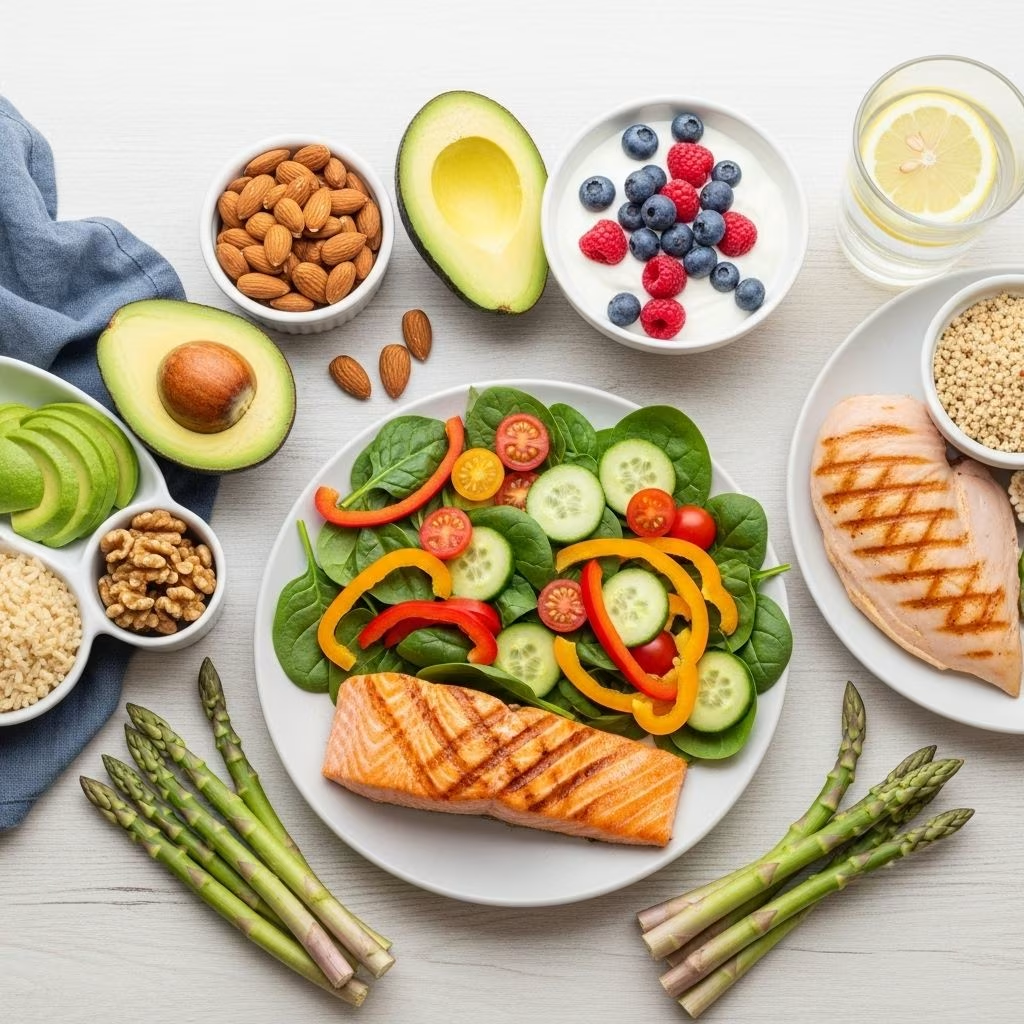
The South Beach Diet: Comprehensive Guide
The South Beach Diet is an evidence-based eating plan designed to promote sustainable weight loss and healthier living through balanced nutrition and moderate carbohydrate restriction. Created by cardiologist Dr. Arthur Agatston, this diet is popular for its phased approach, flexible food choices, and strong emphasis on lean protein, healthy fats, and low-glycemic-index carbohydrates. This guide explores how the diet works, the core principles of each phase, foods to enjoy and avoid, tips for success, and expert answers to frequently asked questions.
What Is the South Beach Diet?
The South Beach Diet is a lower-carb nutritional strategy aiming to teach long-term healthy eating habits rather than quick fixes. Its distinguishing feature is the staged phasing, which starts with more significant restrictions on carbohydrates and then gradually reintroduces healthy carb choices over time. Unlike strict low-carb diets like keto, South Beach focuses on balancing lean proteins, healthy fats, and good carbs—carbohydrates with a low glycemic index that support stable blood sugar levels and steady energy throughout the day.
How Does the South Beach Diet Work?
The South Beach Diet is organized into three distinct phases. Each phase has specific goals and food recommendations that build healthy habits and facilitate weight loss and maintenance:
- Phase 1: Kickstart weight loss by cutting out most carbohydrates and sugars, resetting cravings, and focusing on lean proteins, non-starchy vegetables, and healthy fats.
- Phase 2: Gradually reintroduce good carbs (whole grains, fruit, and starchy vegetables) while continuing to lose weight at a sustainable pace.
- Phase 3: Maintain your goal weight with flexible, healthy eating patterns and an emphasis on balanced choices for lifelong wellness.
Phases of the South Beach Diet
Phase 1: The Kickstart
Duration: 2 weeks
Phase 1 is designed for rapid initial weight loss and the reduction of cravings for sugar and refined carbohydrates. By excluding most grains, fruits, and starchy foods, blood sugar and insulin levels stabilize quickly, laying the groundwork for lasting change. During this phase, you eat:
- Lean protein: chicken, turkey, seafood, lean beef, eggs, cheese
- Healthy fats: olive oil, avocado, nuts, seeds
- Non-starchy vegetables: spinach, broccoli, tomatoes, eggplant, peppers
- Low-fat dairy: limited amounts according to plan guidelines
Foods to avoid: fruit, fruit juices, most dairy products, bread, pasta, rice, alcohol, baked goods, sugary snacks, and other high-sugar items.
Key goals:
- Lose 8–13 pounds on average
- Break the cycle of sugar cravings
- Start building a foundation of healthy choices
Phase 2: Sustainable Weight Loss
Duration: Until you reach your goal weight
The second phase is less restrictive and focuses on gradual, steady weight loss. This phase reintroduces good carbs and some fruits, whole grains, and starchy vegetables. Foods to enjoy now include:
- All Phase 1 foods
- Whole grains: brown rice, whole wheat bread, quinoa, sweet potatoes
- Fruits: berries, apples, oranges, melons (according to guidelines)
- Low-fat dairy: milk and yogurt (in moderation)
- Limited alcohol: select options in moderate amounts
During Phase 2, typical weight loss is 1–2 pounds per week.
Phase 3: Lifelong Maintenance
Duration: Ongoing once your desired weight is achieved
Phase 3 introduces flexible, healthy eating without strict lists or forbidden foods. You focus on:
- Balanced meals: lean proteins, healthy fats, good carbs
- Occasional treats: enjoyed in moderation
- Self-monitoring: recognizing and correcting lapses by returning to earlier phases if needed
By this phase, you’ll have learned skills for making balanced choices and maintaining your weight long term.
Key Principles and Foods of the South Beach Diet
Core Principles
- Minimize refined sugars and starches to control cravings and avoid blood sugar spikes.
- Emphasize low-glycemic-index carbs such as whole grains, beans, vegetables, and fruits.
- Prioritize lean proteins for satiety and muscle support.
- Choose healthy fats—unsaturated fats from plants and fish—over saturated fats like butter and red meat.
- No calorie counting or macronutrient ratios: focus on food quality and portion control instead.
Foods to Eat (South Beach Diet Approved)
- Proteins: lean chicken, turkey, fish, eggs, low-fat cheese, tofu, soy products
- Vegetables: leafy greens, broccoli, peppers, tomatoes, eggplant, cauliflower, zucchini
- Healthy fats: avocados, nuts, seeds, olive oil, canola oil
- Whole grains: bulgur, quinoa, brown rice (introduced in Phase 2)
- Fruit: berries, apples, oranges (introduced in Phase 2 and 3)
- Beans and legumes: lentils, peas, chickpeas
Foods to Avoid or Limit
- Refined grains: white rice, white bread, most baked goods
- Sugary snacks: candy, pastries, desserts, syrups
- Soda and sugary drinks
- Full-fat dairy: cream, butter, high-fat cheese (limited in early phases)
- High-fat meats: sausage, bacon, processed meats, red meat (limited)
- Alcohol: prohibited in Phase 1, moderate in later phases
Sample Meal Ideas
| Meal | Phase 1 | Phase 2 | Phase 3 |
|---|---|---|---|
| Breakfast | Egg white omelet with spinach and avocado | Omelet with spinach, avocado and whole grain toast | Omelet with spinach, avocado, whole grain toast and berries |
| Lunch | Grilled chicken salad with mixed greens, olive oil dressing | Grilled chicken salad with mixed greens and quinoa | Grilled chicken salad with mixed greens, quinoa, and apple slices |
| Dinner | Baked salmon with broccoli and roasted zucchini | Baked salmon with broccoli, roasted zucchini, and brown rice | Baked salmon with broccoli, brown rice, and melon |
Exercise and Lifestyle Recommendations
While the South Beach Diet can be effective without mandatory exercise, adding regular activity increases success and health benefits. Dr. Agatston’s recommendations include walking and strength training to boost metabolism, improve cardiovascular health, and preserve muscle during weight loss. The “Supercharged” version of the plan features a three-phase fitness program to complement dietary phases.
- Engage in daily walks for general activity.
- Include strength training 2–3 times per week to build and maintain muscle.
- Adopt other enjoyable physical activities for stress management and mood.
Potential Health Benefits
- Promotes steady weight loss without extreme restriction.
- Improves cholesterol profiles and heart health by limiting saturated fats.
- Reduces blood sugar swings by favoring low-glycemic-index carbs.
- Supports lifestyle change and habit formation for lifelong wellness.
- Does not require calorie counting, making adherence easier for many people.
Possible Drawbacks and Considerations
- Restriction of fruit and grains in Phase 1 may be challenging for some people and is not recommended for children or pregnant women.
- Initial side effects (fatigue, headaches, or irritability) can occur due to abrupt carb reduction in Phase 1.
- Does not focus heavily on calorie counting, so portion control and food choices are key.
- Diet may require adaptation for vegetarians or those with specific health conditions; consult your healthcare provider before beginning.
Practical Tips for South Beach Diet Success
- Prep meals and snacks ahead of time for convenience and adherence.
- Choose high-fiber vegetables to boost fullness and support digestion.
- Keep hydrating fluids—water, herbal tea—available and avoid sugary drinks.
- Don’t skip meals, especially breakfast, to stabilize energy and hunger levels.
- Track your progress to stay motivated and spot patterns in cravings or setbacks.
- Read labels to avoid hidden sugars and unhealthy fats.
- Allow flexibility; if you slip up, go back to an earlier phase temporarily to regain control.
Frequently Asked Questions About the South Beach Diet
Do I need to count calories or carbohydrates?
No, the South Beach Diet emphasizes food quality and making balanced choices, not strict calorie or macronutrient counting. You’re encouraged to be mindful of portion sizes, but there’s no need to track every detail.
Can I drink coffee?
Yes, you can have coffee, as long as you avoid adding excessive sugar or full-fat dairy. Choose unsweetened, low-fat milk or dairy alternatives if desired.
Is exercise required?
Exercise isn’t required but is strongly recommended for optimal results. Regular physical activity enhances weight loss, health, and overall well-being. Walking, strength training, and enjoyable movement are all ideal.
How many carbohydrates can I eat?
There is no absolute carb counting, except in the keto-friendly South Beach variation. Standard guidelines focus on minimizing simple sugars and prioritizing complex, low-glycemic carbs, especially from Phase 2 onward.
What groceries should I choose?
- Lean meats and low-fat dairy
- Fresh, non-starchy vegetables
- Whole grains for Phase 2 and 3
- Nuts, seeds, and healthy oils
- Berries and low-glycemic fruits for later phases
Can I drink alcohol?
Alcohol is prohibited in Phase 1. In Phase 2 and 3, moderate alcohol—such as dry wine—is allowed occasionally.
What should I do if cravings return or I regain weight?
If you notice weight gain or increased cravings, revisit Phase 1 for a short time to reset your patterns, then return to maintenance. This method helps reinforce healthy habits and prevent long-term setbacks.
Is the South Beach Diet safe for everyone?
While generally safe for adults, Phase 1 is not recommended for children, people with certain health conditions, or pregnant women due to its restrictive nature. Consult a health professional before starting.
South Beach Diet at a Glance
| Phase | Main Goals | Allowed Foods | Foods to Avoid |
|---|---|---|---|
| Phase 1 | Rapid Weight Loss & Craving Reset | Lean protein, vegetables, healthy fats | Fruit, grains, sugar, alcohol |
| Phase 2 | Steady Weight Loss | Phase 1 foods + whole grains, fruit, dairy, moderate alcohol | Refined sugars, white grains |
| Phase 3 | Weight Maintenance | Flexible, balanced diet | None (moderation is key) |
References
- Mayo Clinic: South Beach Diet – Basics and Food Choices
- Healthline: The South Beach Diet – Beginner’s Guide and Phase Overview
- WebMD: Review of South Beach Diet Foods, Structure, and Guidelines
- South Beach Diet Blog (The Palm): Frequently Asked Questions
References
- https://www.mayoclinic.org/healthy-lifestyle/weight-loss/in-depth/south-beach-diet/art-20048491
- https://www.healthline.com/nutrition/south-beach-diet
- https://www.webmd.com/diet/south-beach-diet-what-it-is
- https://palm.southbeachdiet.com/frequently-asked-questions-counselors/
- https://www.prevention.com/weight-loss/diets/a20453662/south-beach-diet-faqs/
- https://www.americansportandfitness.com/blogs/fitness-blog/what-is-the-south-beach-diet
- https://www.prevention.com/weight-loss/diets/a20457391/south-beach-diet-faqs-0/


